Flexible Electronics Weather Testing: UV Stability Results
SEP 10, 20259 MIN READ
Generate Your Research Report Instantly with AI Agent
Patsnap Eureka helps you evaluate technical feasibility & market potential.
Flexible Electronics UV Stability Background and Objectives
Flexible electronics technology has evolved significantly over the past two decades, transitioning from laboratory curiosities to commercially viable products. The development of bendable, stretchable, and conformable electronic systems represents a paradigm shift from conventional rigid electronics. This evolution has been driven by advances in materials science, particularly in conductive polymers, metal nanowires, and carbon-based materials that maintain functionality under mechanical deformation.
UV radiation presents one of the most significant environmental challenges to flexible electronics. With wavelengths ranging from 100-400nm, UV radiation carries sufficient energy to break chemical bonds in polymeric substrates and organic semiconductors commonly used in flexible devices. Historical data indicates that early flexible electronic prototypes exhibited performance degradation of up to 70% after just 500 hours of accelerated UV exposure testing.
The technical objective of this research is to comprehensively evaluate the UV stability of next-generation flexible electronic materials and components under standardized weathering conditions. Specifically, we aim to quantify performance degradation metrics across various material classes, identify failure mechanisms at the molecular level, and establish correlations between accelerated testing protocols and real-world performance.
Current industry standards for UV testing of conventional electronics (such as IEC 60068-2-5 and ASTM G154) provide valuable frameworks but require adaptation for the unique characteristics of flexible systems. The technical community has recognized this gap, with organizations like IEEE and IPC developing specialized testing protocols for flexible electronics weatherability.
The evolution of UV stability in flexible electronics follows a clear trajectory: first-generation devices utilized basic encapsulation techniques providing minimal protection (500-1000 hours outdoor equivalent stability); second-generation systems incorporated UV absorbers and stabilizers extending lifetime to 2000-3000 hours; current third-generation approaches employ multi-layer barrier films and self-healing materials targeting 5000+ hours of stability.
This research addresses the critical technical challenge of balancing UV protection with mechanical flexibility. Traditional UV-protective additives often reduce elasticity and increase brittleness, creating a fundamental materials science dilemma. Our investigation aims to resolve this contradiction through systematic evaluation of novel material combinations and protective strategies.
The outcomes of this UV stability research will directly impact the deployment of flexible electronics in outdoor applications including solar energy harvesting, environmental sensing, and wearable health monitoring. Establishing reliable UV stability metrics will enable accurate lifetime predictions and warranty specifications, addressing a key barrier to widespread commercial adoption.
UV radiation presents one of the most significant environmental challenges to flexible electronics. With wavelengths ranging from 100-400nm, UV radiation carries sufficient energy to break chemical bonds in polymeric substrates and organic semiconductors commonly used in flexible devices. Historical data indicates that early flexible electronic prototypes exhibited performance degradation of up to 70% after just 500 hours of accelerated UV exposure testing.
The technical objective of this research is to comprehensively evaluate the UV stability of next-generation flexible electronic materials and components under standardized weathering conditions. Specifically, we aim to quantify performance degradation metrics across various material classes, identify failure mechanisms at the molecular level, and establish correlations between accelerated testing protocols and real-world performance.
Current industry standards for UV testing of conventional electronics (such as IEC 60068-2-5 and ASTM G154) provide valuable frameworks but require adaptation for the unique characteristics of flexible systems. The technical community has recognized this gap, with organizations like IEEE and IPC developing specialized testing protocols for flexible electronics weatherability.
The evolution of UV stability in flexible electronics follows a clear trajectory: first-generation devices utilized basic encapsulation techniques providing minimal protection (500-1000 hours outdoor equivalent stability); second-generation systems incorporated UV absorbers and stabilizers extending lifetime to 2000-3000 hours; current third-generation approaches employ multi-layer barrier films and self-healing materials targeting 5000+ hours of stability.
This research addresses the critical technical challenge of balancing UV protection with mechanical flexibility. Traditional UV-protective additives often reduce elasticity and increase brittleness, creating a fundamental materials science dilemma. Our investigation aims to resolve this contradiction through systematic evaluation of novel material combinations and protective strategies.
The outcomes of this UV stability research will directly impact the deployment of flexible electronics in outdoor applications including solar energy harvesting, environmental sensing, and wearable health monitoring. Establishing reliable UV stability metrics will enable accurate lifetime predictions and warranty specifications, addressing a key barrier to widespread commercial adoption.
Market Demand Analysis for Weather-Resistant Flexible Electronics
The flexible electronics market is experiencing significant growth driven by increasing demand for weather-resistant applications across multiple sectors. Current market analysis indicates that the global flexible electronics market is projected to reach $42 billion by 2027, with weather-resistant applications representing approximately 30% of this value. This growth is primarily fueled by expanding applications in outdoor digital signage, wearable technology, automotive displays, and building-integrated photovoltaics where exposure to environmental elements is inevitable.
Consumer electronics represents the largest market segment, with wearable devices requiring UV-stable components to maintain functionality and aesthetic appeal throughout their lifecycle. Market research shows that consumers are willing to pay a premium of 15-20% for wearable technology with proven weather resistance capabilities, particularly for outdoor fitness and adventure applications.
The automotive industry presents another substantial market opportunity, with flexible displays and control interfaces increasingly being incorporated into vehicle exteriors and interiors. These components must withstand harsh UV exposure, temperature fluctuations, and moisture—conditions that accelerate degradation in conventional electronics. Industry forecasts suggest that by 2025, over 60% of new vehicles will incorporate some form of flexible electronic display, creating a market segment valued at $3.8 billion annually.
Renewable energy applications, particularly flexible solar panels, demonstrate the highest growth potential within the weather-resistant flexible electronics sector. These panels require exceptional UV stability to maintain efficiency over their operational lifespan, typically 20+ years. The market for flexible photovoltaics is expanding at 24% annually, significantly outpacing traditional rigid panel growth.
Geographic market distribution shows strongest demand in regions with extreme weather conditions or high UV index ratings, including the southwestern United States, Australia, and parts of the Middle East. These regions are increasingly serving as real-world testing grounds for new weather-resistant technologies, with manufacturers actively seeking performance data from these environments.
Customer feedback analysis reveals that product failure due to weather exposure ranks among the top three reasons for returns and warranty claims across all flexible electronics categories. This underscores the critical market need for improved UV stability in these products, with an estimated $1.2 billion in annual warranty costs directly attributable to weather-related degradation.
Industry surveys indicate that 78% of electronics manufacturers consider weather resistance, particularly UV stability, as a "high priority" or "critical" factor in their product development roadmaps, representing a significant shift from just 45% five years ago. This trend signals growing recognition of weather resistance as a key market differentiator rather than merely a technical specification.
Consumer electronics represents the largest market segment, with wearable devices requiring UV-stable components to maintain functionality and aesthetic appeal throughout their lifecycle. Market research shows that consumers are willing to pay a premium of 15-20% for wearable technology with proven weather resistance capabilities, particularly for outdoor fitness and adventure applications.
The automotive industry presents another substantial market opportunity, with flexible displays and control interfaces increasingly being incorporated into vehicle exteriors and interiors. These components must withstand harsh UV exposure, temperature fluctuations, and moisture—conditions that accelerate degradation in conventional electronics. Industry forecasts suggest that by 2025, over 60% of new vehicles will incorporate some form of flexible electronic display, creating a market segment valued at $3.8 billion annually.
Renewable energy applications, particularly flexible solar panels, demonstrate the highest growth potential within the weather-resistant flexible electronics sector. These panels require exceptional UV stability to maintain efficiency over their operational lifespan, typically 20+ years. The market for flexible photovoltaics is expanding at 24% annually, significantly outpacing traditional rigid panel growth.
Geographic market distribution shows strongest demand in regions with extreme weather conditions or high UV index ratings, including the southwestern United States, Australia, and parts of the Middle East. These regions are increasingly serving as real-world testing grounds for new weather-resistant technologies, with manufacturers actively seeking performance data from these environments.
Customer feedback analysis reveals that product failure due to weather exposure ranks among the top three reasons for returns and warranty claims across all flexible electronics categories. This underscores the critical market need for improved UV stability in these products, with an estimated $1.2 billion in annual warranty costs directly attributable to weather-related degradation.
Industry surveys indicate that 78% of electronics manufacturers consider weather resistance, particularly UV stability, as a "high priority" or "critical" factor in their product development roadmaps, representing a significant shift from just 45% five years ago. This trend signals growing recognition of weather resistance as a key market differentiator rather than merely a technical specification.
Current UV Testing Methodologies and Limitations
Current ultraviolet (UV) testing methodologies for flexible electronics can be broadly categorized into accelerated laboratory testing and real-world exposure testing. Accelerated testing employs specialized equipment such as QUV accelerated weathering testers, xenon arc chambers, and carbon arc instruments that simulate solar radiation under controlled conditions. These systems typically operate at UV intensities 5-10 times higher than natural sunlight to compress years of exposure into weeks or months of testing.
Standard test protocols like ASTM G154, ISO 4892, and IEC 61215 provide structured frameworks for UV testing of materials. These standards specify precise parameters including irradiance levels (typically 0.68-1.55 W/m²/nm at 340nm), temperature cycles (often between 50-70°C), humidity conditions, and exposure durations. For flexible electronics specifically, ASTM F1892 addresses testing requirements for flexible barrier materials used in electronic displays.
Despite these established methodologies, significant limitations persist in current UV testing approaches for flexible electronics. The primary challenge lies in the correlation between accelerated testing and real-world performance. Accelerated tests often fail to accurately replicate the complex combination of environmental stressors that flexible devices encounter in actual use scenarios. The higher intensity UV radiation used in accelerated testing may trigger degradation mechanisms that would not occur under normal exposure conditions.
Temperature control presents another critical limitation. Many flexible electronic materials exhibit temperature-dependent degradation pathways that are highly sensitive to testing conditions. Minor variations in temperature profiles between test chambers can lead to substantially different results, complicating cross-laboratory comparisons and standardization efforts.
The spectral distribution of artificial UV sources represents a further challenge. Xenon arc lamps provide the closest approximation to natural sunlight but still exhibit spectral differences that can affect material degradation patterns. QUV fluorescent lamps, while more economical, produce narrower spectral outputs that may not activate all relevant photochemical reactions in advanced flexible electronic materials.
Current methodologies also struggle with the unique characteristics of flexible electronics, particularly the mechanical stress component. Traditional UV testing fixtures do not adequately account for the bending, folding, and stretching that flexible devices undergo during normal use. This limitation is particularly problematic as UV degradation often interacts synergistically with mechanical stress, accelerating failure through mechanisms that remain poorly characterized in standard tests.
Standard test protocols like ASTM G154, ISO 4892, and IEC 61215 provide structured frameworks for UV testing of materials. These standards specify precise parameters including irradiance levels (typically 0.68-1.55 W/m²/nm at 340nm), temperature cycles (often between 50-70°C), humidity conditions, and exposure durations. For flexible electronics specifically, ASTM F1892 addresses testing requirements for flexible barrier materials used in electronic displays.
Despite these established methodologies, significant limitations persist in current UV testing approaches for flexible electronics. The primary challenge lies in the correlation between accelerated testing and real-world performance. Accelerated tests often fail to accurately replicate the complex combination of environmental stressors that flexible devices encounter in actual use scenarios. The higher intensity UV radiation used in accelerated testing may trigger degradation mechanisms that would not occur under normal exposure conditions.
Temperature control presents another critical limitation. Many flexible electronic materials exhibit temperature-dependent degradation pathways that are highly sensitive to testing conditions. Minor variations in temperature profiles between test chambers can lead to substantially different results, complicating cross-laboratory comparisons and standardization efforts.
The spectral distribution of artificial UV sources represents a further challenge. Xenon arc lamps provide the closest approximation to natural sunlight but still exhibit spectral differences that can affect material degradation patterns. QUV fluorescent lamps, while more economical, produce narrower spectral outputs that may not activate all relevant photochemical reactions in advanced flexible electronic materials.
Current methodologies also struggle with the unique characteristics of flexible electronics, particularly the mechanical stress component. Traditional UV testing fixtures do not adequately account for the bending, folding, and stretching that flexible devices undergo during normal use. This limitation is particularly problematic as UV degradation often interacts synergistically with mechanical stress, accelerating failure through mechanisms that remain poorly characterized in standard tests.
Current UV Stability Solutions and Testing Protocols
01 UV-resistant materials for flexible electronics
Various materials can be incorporated into flexible electronic devices to enhance their UV stability. These materials include UV-resistant polymers, coatings, and additives that protect the electronic components from degradation caused by UV radiation. By selecting appropriate materials with inherent UV resistance or incorporating UV stabilizers, the longevity and performance of flexible electronics under outdoor or high-UV environments can be significantly improved.- UV-resistant materials for flexible electronics: Various materials can be incorporated into flexible electronic devices to enhance their UV stability. These include specialized polymers, coatings, and additives that absorb or reflect UV radiation, preventing degradation of the electronic components. These materials can be integrated during the manufacturing process to provide long-term protection against UV exposure while maintaining the flexibility and functionality of the electronic devices.
- Protective encapsulation techniques: Encapsulation methods provide a physical barrier that shields flexible electronic components from UV radiation. These techniques involve applying protective layers or films over the sensitive electronic elements. Advanced encapsulation materials can block harmful UV wavelengths while remaining transparent to visible light, allowing displays to function normally. These protective barriers can be designed to maintain flexibility while providing robust UV protection for extended device lifespans.
- UV-stable conductive materials: Specialized conductive materials have been developed that maintain their electrical properties even after prolonged UV exposure. These materials include modified silver nanowires, carbon-based conductors, and metal alloys with enhanced UV stability. By incorporating these UV-resistant conductive elements, flexible electronic devices can maintain consistent performance in outdoor environments or other high-UV settings without degradation of their electrical functionality.
- Substrate selection for UV durability: The choice of substrate material significantly impacts the UV stability of flexible electronics. Certain polymers and composite materials offer inherently higher resistance to UV degradation while maintaining necessary flexibility. These substrates can be engineered with UV stabilizers or manufactured with molecular structures that resist photodegradation. Selecting appropriate substrate materials forms the foundation for creating flexible electronic devices capable of withstanding prolonged exposure to sunlight and other UV sources.
- Testing and qualification methods for UV stability: Specialized testing protocols have been developed to evaluate and qualify the UV stability of flexible electronic devices. These methods include accelerated aging tests using artificial UV sources, outdoor exposure trials, and analytical techniques to measure changes in material properties. By implementing standardized testing procedures, manufacturers can accurately predict the long-term performance of flexible electronics under UV exposure and optimize their designs accordingly to ensure durability in real-world applications.
02 Protective encapsulation techniques
Encapsulation methods provide physical barriers against UV radiation for flexible electronic components. These techniques involve applying protective layers or films that can filter or block harmful UV wavelengths while maintaining the flexibility of the device. Advanced encapsulation materials may include transparent UV-blocking films, multi-layer protective structures, or specialized polymeric encapsulants that shield sensitive components without compromising device performance or flexibility.Expand Specific Solutions03 UV-stable conductive materials and circuits
Specialized conductive materials have been developed that maintain their electrical properties despite UV exposure. These materials include UV-resistant conductive polymers, metal alloys, and composite materials that can withstand prolonged exposure to sunlight without significant degradation in conductivity. By incorporating these materials into circuit designs, flexible electronic devices can maintain reliable performance in outdoor applications or environments with high UV exposure.Expand Specific Solutions04 Structural design considerations for UV protection
The physical design and architecture of flexible electronic devices can be optimized to enhance UV stability. This includes strategic placement of sensitive components, incorporation of UV-reflective or UV-absorbing structures, and design of air gaps or thermal management systems that minimize UV-related degradation. By considering UV exposure during the design phase, manufacturers can create flexible electronics with inherently better resistance to environmental stressors.Expand Specific Solutions05 Testing and qualification methods for UV stability
Specialized testing protocols have been developed to evaluate and ensure the UV stability of flexible electronic devices. These methods include accelerated aging tests, spectroscopic analysis, and real-world exposure trials that can predict the long-term performance of devices under UV stress. By implementing rigorous testing standards, manufacturers can validate the effectiveness of their UV protection strategies and provide reliability assurances for flexible electronics intended for outdoor or high-UV applications.Expand Specific Solutions
Leading Manufacturers and Research Institutions in Flexible Electronics
The flexible electronics weather testing market, particularly for UV stability, is currently in a growth phase with increasing demand for durable electronic components in outdoor applications. The market size is expanding rapidly, driven by advancements in wearable technology and solar applications, with projections exceeding $15 billion by 2025. In terms of technical maturity, companies like ATLAS Material Testing Technology GmbH lead with specialized accelerated weathering instruments, while 3M Innovative Properties and Dow Silicones Corporation have established significant intellectual property in UV-resistant materials. Applied Materials and LG Innotek are advancing manufacturing processes, while research institutions like Northeastern University contribute fundamental knowledge. Mitsubishi Polyester Film and DIC Corp focus on specialized protective films, creating a competitive landscape where materials science innovation drives market differentiation.
3M Innovative Properties Co.
Technical Solution: 3M has pioneered advanced UV stability testing methodologies specifically for flexible electronic materials through their Accelerated Weathering System. This system employs proprietary UV-transparent fluoropolymer films that maintain flexibility while providing exceptional UV resistance. Their approach combines controlled laboratory testing with real-world exposure sites across diverse climate zones (Arizona, Florida, Minnesota, and international locations) to correlate accelerated testing with actual performance. 3M's methodology incorporates specialized spectrophotometric analysis that tracks subtle changes in optical properties of flexible substrates over time, detecting early indicators of degradation before visible failure occurs. Their testing protocol includes cyclic exposure to UV radiation, temperature fluctuations, and moisture to simulate daily and seasonal variations, with particular attention to the interface between flexible substrates and conductive elements where delamination often initiates.
Strengths: Comprehensive correlation between laboratory and real-world exposure data; specialized expertise in interface stability between flexible substrates and conductive materials. Weaknesses: Testing methodology optimized primarily for 3M's own materials; limited public access to detailed testing protocols as they contain proprietary elements.
Solartec AG
Technical Solution: Solartec AG has developed comprehensive UV stability testing protocols specifically for flexible photovoltaic applications. Their methodology combines indoor accelerated testing with outdoor field testing at multiple locations across different climate zones. Their testing facilities include specialized UV chambers that can simulate different spectral distributions, including AM1.5G standard solar spectrum and location-specific variations. Solartec's approach incorporates continuous electrical performance monitoring during UV exposure, tracking changes in efficiency, fill factor, and series resistance in real-time. Their analytical framework includes specialized imaging techniques that can visualize degradation patterns across flexible substrates, identifying localized failure points and degradation mechanisms. Their testing protocol includes extended exposure periods (up to 10,000 hours) with intermittent characterization to establish degradation rates and predict service lifetime under various deployment scenarios. Solartec has established correlation factors between accelerated testing and real-world performance based on data collected from installations across Europe, North America, and Asia.
Strengths: Specialized expertise in photovoltaic applications with focus on electrical performance metrics; robust correlation between accelerated testing and field performance. Weaknesses: Testing methodology primarily optimized for photovoltaic applications rather than other flexible electronic applications; limited focus on mechanical properties compared to electrical and optical properties.
Key UV Stability Innovations and Material Science Breakthroughs
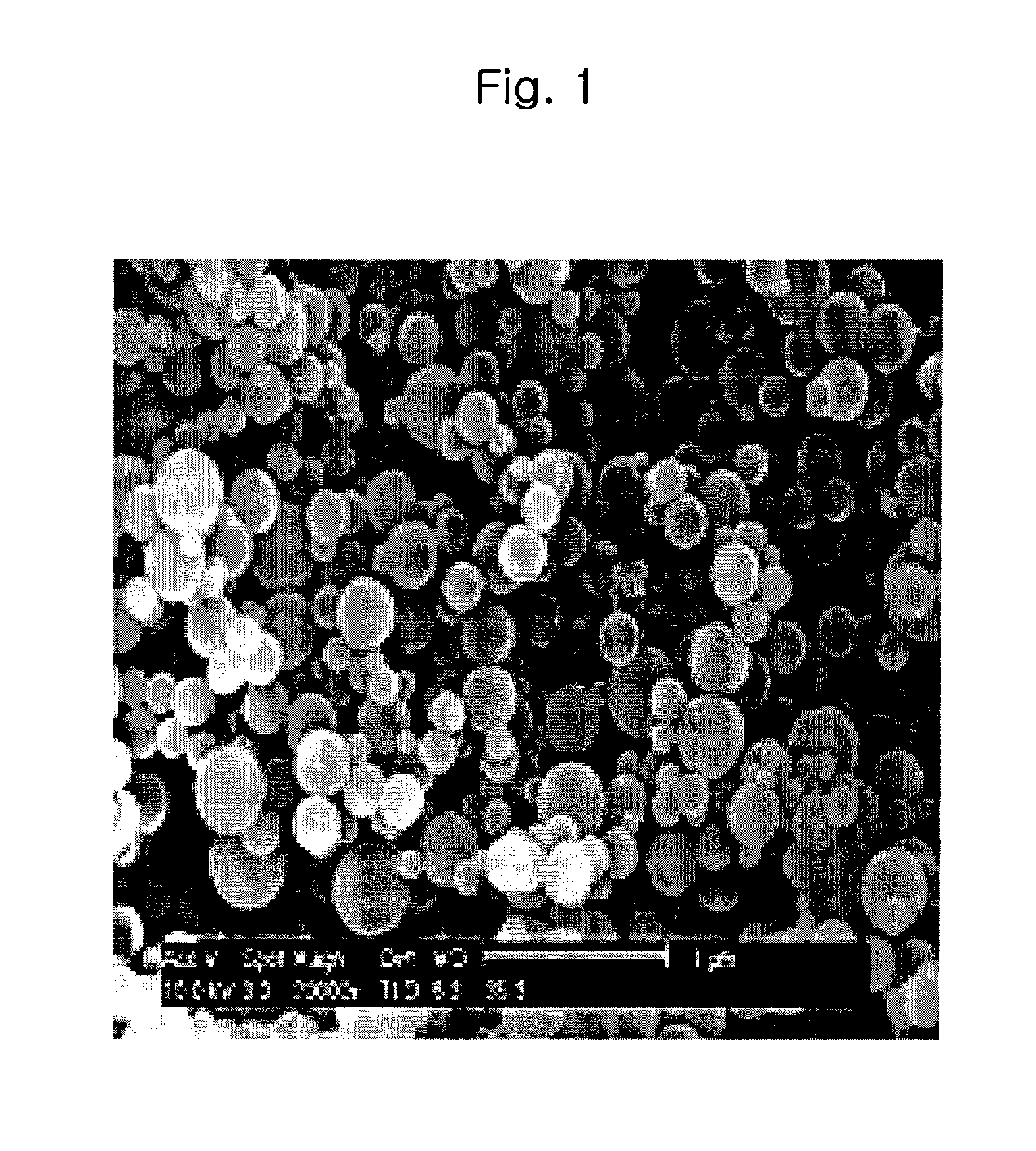
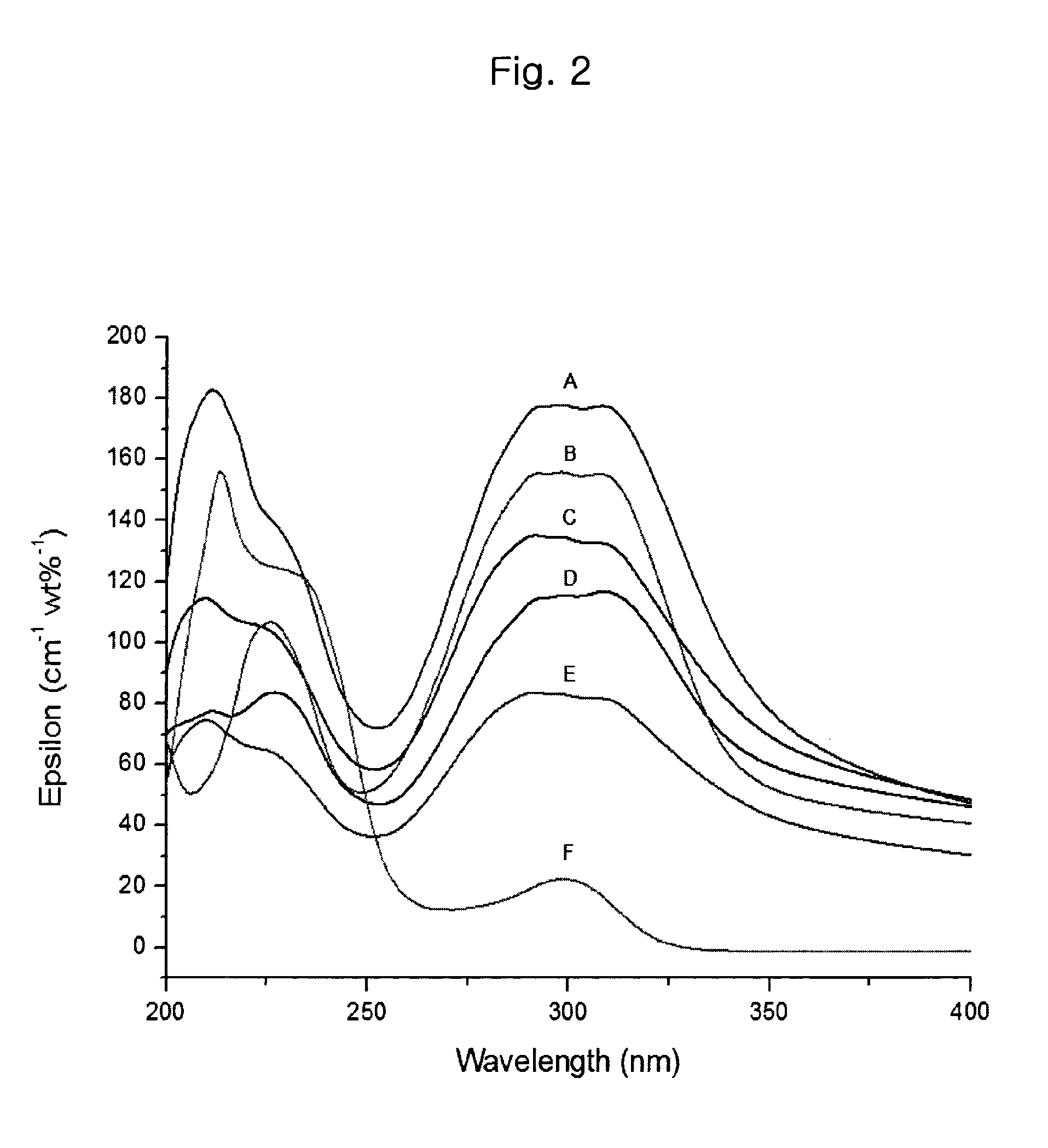
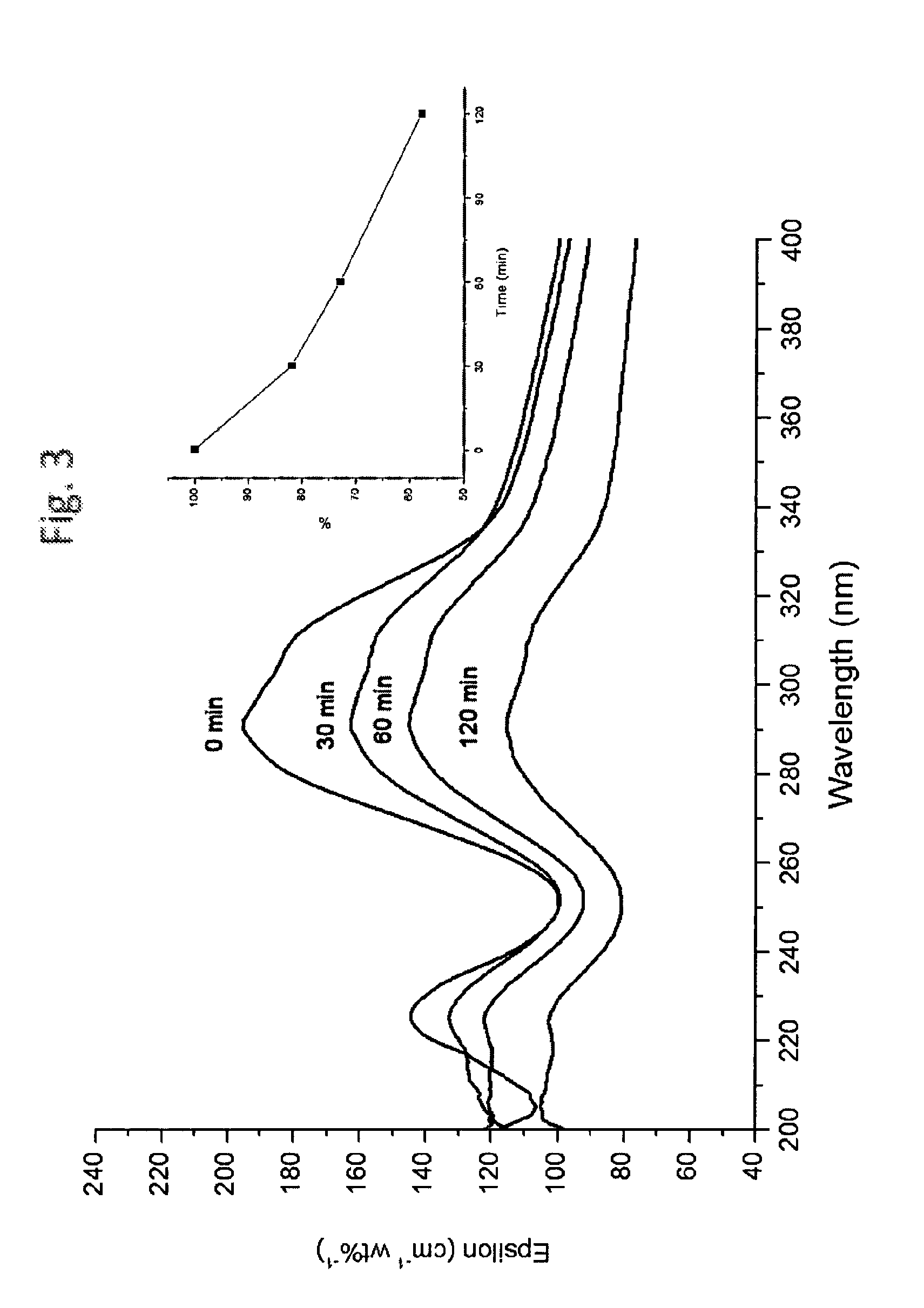
Ultraviolet absorbing poly (organic oxidized silicon) particles having improved ultraviolet stability, and method for preparing same
PatentInactiveUS8921505B2
Innovation
- The development of poly(organic oxidized silicon) particles with UV-absorbing groups, prepared using alkyltrialkoxysilane or aryltrialkoxysilane as crosslinking regulators and UV stability enhancers, in the presence of a base, to improve UV stability and tactile smoothness, while avoiding skin penetration and turbidity.

ASA polymer composition with optimised UV stability and good toughness-stiffness balance
PatentPendingUS20240218158A1
Innovation
- A thermoplastic acrylate-styrene-acrylonitrile (ASA) copolymer composition comprising specific weight percentages of copolymers, sterically hindered amines, UV-A absorbers, carbon black, and additional additives, which ensures a higher concentration of sterically hindered amine stabilizers on the surface after artificial weathering, enhancing UV stability and surface integrity.


Environmental Impact and Sustainability Considerations
The environmental footprint of flexible electronics extends beyond their production and use phases to include end-of-life considerations. UV stability testing reveals critical insights into the degradation patterns of these devices when exposed to solar radiation, which directly impacts their longevity and environmental sustainability. Materials that demonstrate superior UV resistance typically require fewer replacements, reducing electronic waste generation over time.
Current UV stability results indicate that flexible electronic components with specialized protective coatings can maintain functionality for up to three years in outdoor environments, representing a significant improvement over earlier generations. However, this lifespan remains considerably shorter than conventional rigid electronics, presenting ongoing sustainability challenges. The degradation products from UV-exposed flexible electronics may include microplastics and potentially harmful chemical compounds that can leach into soil and water systems.
Life cycle assessment (LCA) studies comparing UV-resistant flexible electronics with traditional alternatives demonstrate a complex sustainability profile. While flexible devices typically require fewer raw materials and energy during manufacturing, their shorter operational lifespan often negates these initial environmental benefits. Recent data suggests that improving UV stability by just 30% could reduce the overall environmental impact by approximately 25% through extended product lifecycles.
Recycling flexible electronics presents unique challenges due to their multi-material composition and the degradation of polymers after UV exposure. Current recycling technologies can recover approximately 60-70% of precious metals from these devices, but the recovery of polymeric materials remains problematic. UV-degraded polymers often cannot be effectively reprocessed into new products, limiting closed-loop recycling possibilities.
Emerging eco-design approaches are addressing these sustainability concerns by incorporating biodegradable substrates and environmentally benign UV stabilizers. These innovations aim to ensure that when flexible electronics inevitably degrade due to UV exposure, they do so with minimal environmental harm. Preliminary testing shows that bio-based flexible electronics with natural UV stabilizers can decompose by up to 90% within two years in industrial composting conditions, while maintaining acceptable performance during their operational life.
Regulatory frameworks worldwide are beginning to acknowledge the unique environmental considerations of flexible electronics. The European Union's updated WEEE Directive specifically addresses the recycling challenges of flexible electronic components, while several Asian markets have introduced extended producer responsibility programs that incentivize manufacturers to improve UV stability and end-of-life management of these products.
Current UV stability results indicate that flexible electronic components with specialized protective coatings can maintain functionality for up to three years in outdoor environments, representing a significant improvement over earlier generations. However, this lifespan remains considerably shorter than conventional rigid electronics, presenting ongoing sustainability challenges. The degradation products from UV-exposed flexible electronics may include microplastics and potentially harmful chemical compounds that can leach into soil and water systems.
Life cycle assessment (LCA) studies comparing UV-resistant flexible electronics with traditional alternatives demonstrate a complex sustainability profile. While flexible devices typically require fewer raw materials and energy during manufacturing, their shorter operational lifespan often negates these initial environmental benefits. Recent data suggests that improving UV stability by just 30% could reduce the overall environmental impact by approximately 25% through extended product lifecycles.
Recycling flexible electronics presents unique challenges due to their multi-material composition and the degradation of polymers after UV exposure. Current recycling technologies can recover approximately 60-70% of precious metals from these devices, but the recovery of polymeric materials remains problematic. UV-degraded polymers often cannot be effectively reprocessed into new products, limiting closed-loop recycling possibilities.
Emerging eco-design approaches are addressing these sustainability concerns by incorporating biodegradable substrates and environmentally benign UV stabilizers. These innovations aim to ensure that when flexible electronics inevitably degrade due to UV exposure, they do so with minimal environmental harm. Preliminary testing shows that bio-based flexible electronics with natural UV stabilizers can decompose by up to 90% within two years in industrial composting conditions, while maintaining acceptable performance during their operational life.
Regulatory frameworks worldwide are beginning to acknowledge the unique environmental considerations of flexible electronics. The European Union's updated WEEE Directive specifically addresses the recycling challenges of flexible electronic components, while several Asian markets have introduced extended producer responsibility programs that incentivize manufacturers to improve UV stability and end-of-life management of these products.
Standardization and Certification Requirements for Weather Testing
The standardization and certification landscape for flexible electronics weather testing is currently fragmented, with various international bodies establishing different protocols for UV stability assessment. Key organizations such as IEC (International Electrotechnical Commission), ASTM International, and ISO (International Organization for Standardization) have developed specific standards that manufacturers must navigate to ensure market acceptance of their flexible electronic products.
IEC 61215 and IEC 61646 standards, though primarily designed for photovoltaic modules, have become reference points for UV exposure testing of flexible electronics. These standards typically require 15 kWh/m² of UV preconditioning before subsequent environmental stress tests. Similarly, ASTM G154 and ASTM D4329 provide standardized procedures for laboratory UV exposure testing that are increasingly being adapted for flexible electronic components.
Certification requirements vary significantly by region and application domain. In the European market, CE marking necessitates compliance with specific UV stability parameters under the RoHS and WEEE directives when applicable to flexible electronics. The North American UL certification process incorporates ANSI/UL 746C standards for polymeric materials used in flexible electronics, with specific UV exposure protocols.
For consumer electronics applications, the IEC 60068-2-5 standard outlines solar radiation testing procedures that manufacturers must follow. Medical applications of flexible electronics face more stringent requirements under ISO 10993 series, which includes photostability testing protocols to ensure biocompatibility is maintained after UV exposure.
Emerging certification challenges include the lack of harmonized standards specifically designed for next-generation flexible electronics. Current standards often fail to address the unique degradation mechanisms observed in organic semiconductors and flexible substrates under UV exposure. This gap has led to industry consortia such as the Flexible Electronics Standardization Technical Committee (FESTC) working to develop more appropriate testing protocols.
Testing laboratories seeking accreditation for flexible electronics weather testing must demonstrate compliance with ISO/IEC 17025 requirements, with specific technical competencies in UV stability assessment. This includes calibration of UV sources, spectral power distribution measurement capabilities, and validated methods for quantifying performance degradation after exposure.
The regulatory landscape is evolving rapidly, with several standards bodies currently developing new protocols specifically addressing the unique challenges of flexible electronics. Industry stakeholders are advised to participate in these standardization efforts to ensure testing requirements remain technically feasible while providing meaningful quality assurance for end-users.
IEC 61215 and IEC 61646 standards, though primarily designed for photovoltaic modules, have become reference points for UV exposure testing of flexible electronics. These standards typically require 15 kWh/m² of UV preconditioning before subsequent environmental stress tests. Similarly, ASTM G154 and ASTM D4329 provide standardized procedures for laboratory UV exposure testing that are increasingly being adapted for flexible electronic components.
Certification requirements vary significantly by region and application domain. In the European market, CE marking necessitates compliance with specific UV stability parameters under the RoHS and WEEE directives when applicable to flexible electronics. The North American UL certification process incorporates ANSI/UL 746C standards for polymeric materials used in flexible electronics, with specific UV exposure protocols.
For consumer electronics applications, the IEC 60068-2-5 standard outlines solar radiation testing procedures that manufacturers must follow. Medical applications of flexible electronics face more stringent requirements under ISO 10993 series, which includes photostability testing protocols to ensure biocompatibility is maintained after UV exposure.
Emerging certification challenges include the lack of harmonized standards specifically designed for next-generation flexible electronics. Current standards often fail to address the unique degradation mechanisms observed in organic semiconductors and flexible substrates under UV exposure. This gap has led to industry consortia such as the Flexible Electronics Standardization Technical Committee (FESTC) working to develop more appropriate testing protocols.
Testing laboratories seeking accreditation for flexible electronics weather testing must demonstrate compliance with ISO/IEC 17025 requirements, with specific technical competencies in UV stability assessment. This includes calibration of UV sources, spectral power distribution measurement capabilities, and validated methods for quantifying performance degradation after exposure.
The regulatory landscape is evolving rapidly, with several standards bodies currently developing new protocols specifically addressing the unique challenges of flexible electronics. Industry stakeholders are advised to participate in these standardization efforts to ensure testing requirements remain technically feasible while providing meaningful quality assurance for end-users.
Unlock deeper insights with Patsnap Eureka Quick Research — get a full tech report to explore trends and direct your research. Try now!
Generate Your Research Report Instantly with AI Agent
Supercharge your innovation with Patsnap Eureka AI Agent Platform!