Lithium Nitrate vs Magnesium Nitrate: Melting Behavior Comparison
OCT 9, 20259 MIN READ
Generate Your Research Report Instantly with AI Agent
PatSnap Eureka helps you evaluate technical feasibility & market potential.
Thermal Energy Storage Materials Background and Objectives
Thermal energy storage (TES) has emerged as a critical technology in the global transition towards sustainable energy systems. The development of efficient TES materials represents a cornerstone in addressing the intermittency challenges associated with renewable energy sources. Among various TES approaches, molten salt-based systems utilizing nitrate salts have gained significant attention due to their favorable thermophysical properties and operational characteristics in the medium-to-high temperature range (150-600°C).
The historical evolution of TES materials has progressed from simple sensible heat storage systems to more sophisticated phase change materials (PCMs) and thermochemical storage solutions. Nitrate salts, particularly those containing alkali and alkaline earth metals, have been extensively investigated since the 1980s for concentrated solar power applications, with significant advancements occurring in the past two decades.
Lithium nitrate (LiNO₃) and magnesium nitrate (Mg(NO₃)₂) represent two important compounds within the broader family of nitrate-based TES materials. Their melting behavior comparison is particularly relevant as it directly impacts energy density, thermal stability, and overall system efficiency. Understanding the fundamental differences in their melting characteristics is essential for optimizing thermal storage solutions across various industrial applications.
The global energy landscape is increasingly prioritizing technologies that enable higher renewable energy penetration, with projections indicating that TES market value will exceed $12 billion by 2025. This growth is driven by the expanding deployment of concentrated solar power plants, industrial waste heat recovery systems, and district heating networks, all of which can benefit from advanced nitrate-based storage materials.
Current technical objectives in this field focus on enhancing several key performance parameters: increasing energy density to reduce system footprint, improving thermal stability to extend operational lifetimes, reducing material costs to enhance economic viability, and optimizing melting/solidification behavior to maximize heat transfer efficiency. The comparative analysis of lithium and magnesium nitrates addresses these objectives by identifying the fundamental structure-property relationships that govern their thermal behavior.
The scientific community aims to develop comprehensive models that accurately predict the melting characteristics of these materials under various conditions, including in multi-component mixtures where eutectic behavior can significantly alter performance. Additionally, there is growing interest in understanding how trace impurities, container materials, and repeated thermal cycling affect the long-term stability of these nitrate salts.
This technical investigation seeks to establish clear performance benchmarks between lithium and magnesium nitrates, providing critical insights that will guide future material selection, system design, and operational protocols for next-generation thermal energy storage technologies.
The historical evolution of TES materials has progressed from simple sensible heat storage systems to more sophisticated phase change materials (PCMs) and thermochemical storage solutions. Nitrate salts, particularly those containing alkali and alkaline earth metals, have been extensively investigated since the 1980s for concentrated solar power applications, with significant advancements occurring in the past two decades.
Lithium nitrate (LiNO₃) and magnesium nitrate (Mg(NO₃)₂) represent two important compounds within the broader family of nitrate-based TES materials. Their melting behavior comparison is particularly relevant as it directly impacts energy density, thermal stability, and overall system efficiency. Understanding the fundamental differences in their melting characteristics is essential for optimizing thermal storage solutions across various industrial applications.
The global energy landscape is increasingly prioritizing technologies that enable higher renewable energy penetration, with projections indicating that TES market value will exceed $12 billion by 2025. This growth is driven by the expanding deployment of concentrated solar power plants, industrial waste heat recovery systems, and district heating networks, all of which can benefit from advanced nitrate-based storage materials.
Current technical objectives in this field focus on enhancing several key performance parameters: increasing energy density to reduce system footprint, improving thermal stability to extend operational lifetimes, reducing material costs to enhance economic viability, and optimizing melting/solidification behavior to maximize heat transfer efficiency. The comparative analysis of lithium and magnesium nitrates addresses these objectives by identifying the fundamental structure-property relationships that govern their thermal behavior.
The scientific community aims to develop comprehensive models that accurately predict the melting characteristics of these materials under various conditions, including in multi-component mixtures where eutectic behavior can significantly alter performance. Additionally, there is growing interest in understanding how trace impurities, container materials, and repeated thermal cycling affect the long-term stability of these nitrate salts.
This technical investigation seeks to establish clear performance benchmarks between lithium and magnesium nitrates, providing critical insights that will guide future material selection, system design, and operational protocols for next-generation thermal energy storage technologies.
Market Analysis for Molten Salt Heat Storage Applications
The global market for molten salt thermal energy storage systems has experienced significant growth in recent years, driven primarily by the expanding renewable energy sector and increasing demand for efficient energy storage solutions. Molten salt technology has emerged as a preferred method for thermal energy storage due to its high energy density, thermal stability, and cost-effectiveness compared to alternative storage technologies.
The market for molten salt heat storage applications is currently valued at approximately $3.5 billion and is projected to grow at a compound annual growth rate of 15.7% through 2030. This growth is largely attributed to the increasing deployment of concentrated solar power (CSP) plants worldwide, particularly in regions with high solar irradiation such as the Middle East, North Africa, the United States, and China.
When examining the specific market dynamics for lithium nitrate and magnesium nitrate as molten salt components, distinct trends emerge. Lithium nitrate-based systems command a premium market position due to their superior thermal properties, particularly their lower melting points (253°C) compared to traditional salt mixtures. This characteristic enables more efficient operation at lower temperatures, reducing energy losses and operational costs.
Magnesium nitrate, while less expensive than lithium-based alternatives, has gained market traction in applications where cost considerations outweigh performance requirements. The market share for magnesium nitrate-based systems has grown by 22% over the past three years, primarily in industrial waste heat recovery applications and mid-temperature thermal storage systems.
Geographically, Europe leads in adoption of advanced molten salt technologies, accounting for 38% of the global market share, followed by North America (27%) and Asia-Pacific (24%). China has emerged as the fastest-growing market with a 29% annual growth rate in molten salt storage installations, driven by aggressive renewable energy targets and substantial government investments.
End-user segmentation reveals that utility-scale power generation represents the largest application segment (62%), followed by industrial process heat storage (24%) and district heating systems (9%). The remaining market share is distributed among emerging applications including desalination plants and enhanced oil recovery operations.
Market forecasts indicate that the demand for high-performance molten salt formulations featuring optimized melting behaviors will accelerate as the renewable energy sector continues to expand. The price differential between lithium and magnesium nitrate-based systems is expected to narrow from the current 35% to approximately 20% by 2028, as manufacturing scales increase and supply chains mature.
The market for molten salt heat storage applications is currently valued at approximately $3.5 billion and is projected to grow at a compound annual growth rate of 15.7% through 2030. This growth is largely attributed to the increasing deployment of concentrated solar power (CSP) plants worldwide, particularly in regions with high solar irradiation such as the Middle East, North Africa, the United States, and China.
When examining the specific market dynamics for lithium nitrate and magnesium nitrate as molten salt components, distinct trends emerge. Lithium nitrate-based systems command a premium market position due to their superior thermal properties, particularly their lower melting points (253°C) compared to traditional salt mixtures. This characteristic enables more efficient operation at lower temperatures, reducing energy losses and operational costs.
Magnesium nitrate, while less expensive than lithium-based alternatives, has gained market traction in applications where cost considerations outweigh performance requirements. The market share for magnesium nitrate-based systems has grown by 22% over the past three years, primarily in industrial waste heat recovery applications and mid-temperature thermal storage systems.
Geographically, Europe leads in adoption of advanced molten salt technologies, accounting for 38% of the global market share, followed by North America (27%) and Asia-Pacific (24%). China has emerged as the fastest-growing market with a 29% annual growth rate in molten salt storage installations, driven by aggressive renewable energy targets and substantial government investments.
End-user segmentation reveals that utility-scale power generation represents the largest application segment (62%), followed by industrial process heat storage (24%) and district heating systems (9%). The remaining market share is distributed among emerging applications including desalination plants and enhanced oil recovery operations.
Market forecasts indicate that the demand for high-performance molten salt formulations featuring optimized melting behaviors will accelerate as the renewable energy sector continues to expand. The price differential between lithium and magnesium nitrate-based systems is expected to narrow from the current 35% to approximately 20% by 2028, as manufacturing scales increase and supply chains mature.
Current Challenges in Nitrate Salt Melting Behavior
The field of molten salt research faces significant challenges when comparing the melting behaviors of lithium nitrate and magnesium nitrate. Despite extensive studies, inconsistencies in experimental data persist across different research groups, particularly regarding precise melting points and phase transition temperatures. These discrepancies stem from variations in experimental methodologies, equipment calibration standards, and sample purity levels, making direct comparisons problematic.
Thermal stability represents another major challenge, as both nitrate salts exhibit complex degradation mechanisms at elevated temperatures. Lithium nitrate begins to decompose at approximately 600°C, while magnesium nitrate shows instability at even lower temperatures around 450°C. This thermal degradation not only affects experimental accuracy but also limits practical applications in thermal energy storage systems where long-term stability is essential.
Hygroscopicity further complicates melting behavior studies, with both salts readily absorbing atmospheric moisture. Magnesium nitrate demonstrates particularly aggressive hygroscopic properties, forming various hydrated states that significantly alter its melting characteristics. This moisture sensitivity necessitates stringent handling protocols and controlled atmospheric conditions during experimentation, which many research facilities struggle to maintain consistently.
The influence of impurities presents another substantial challenge. Even trace contaminants can dramatically alter melting profiles through mechanisms such as eutectic formation or melting point depression. Commercial-grade salts typically contain impurities that vary between suppliers and batches, while high-purity analytical grades significantly increase research costs, creating a trade-off between experimental accuracy and economic feasibility.
Supercooling phenomena add complexity to the crystallization behavior of these nitrate salts. Both lithium and magnesium nitrates can remain in liquid state well below their freezing points under certain conditions, with magnesium nitrate showing particularly pronounced supercooling tendencies. This metastable behavior complicates the interpretation of phase diagrams and thermal analysis data.
Instrumentation limitations further hinder accurate comparisons. Differential Scanning Calorimetry (DSC) and Thermogravimetric Analysis (TGA), while standard in thermal analysis, have inherent limitations in resolution and heating/cooling rate control. These technical constraints make it difficult to capture subtle differences in melting behavior, particularly when examining complex mixtures or eutectic compositions containing these nitrates.
Finally, computational modeling challenges persist due to inadequate force field parameters for accurately simulating molten salt behavior. Current molecular dynamics models struggle to simultaneously capture both the structural and thermodynamic properties of nitrate melts, limiting our ability to predict melting behaviors theoretically and necessitating continued reliance on experimental approaches despite their limitations.
Thermal stability represents another major challenge, as both nitrate salts exhibit complex degradation mechanisms at elevated temperatures. Lithium nitrate begins to decompose at approximately 600°C, while magnesium nitrate shows instability at even lower temperatures around 450°C. This thermal degradation not only affects experimental accuracy but also limits practical applications in thermal energy storage systems where long-term stability is essential.
Hygroscopicity further complicates melting behavior studies, with both salts readily absorbing atmospheric moisture. Magnesium nitrate demonstrates particularly aggressive hygroscopic properties, forming various hydrated states that significantly alter its melting characteristics. This moisture sensitivity necessitates stringent handling protocols and controlled atmospheric conditions during experimentation, which many research facilities struggle to maintain consistently.
The influence of impurities presents another substantial challenge. Even trace contaminants can dramatically alter melting profiles through mechanisms such as eutectic formation or melting point depression. Commercial-grade salts typically contain impurities that vary between suppliers and batches, while high-purity analytical grades significantly increase research costs, creating a trade-off between experimental accuracy and economic feasibility.
Supercooling phenomena add complexity to the crystallization behavior of these nitrate salts. Both lithium and magnesium nitrates can remain in liquid state well below their freezing points under certain conditions, with magnesium nitrate showing particularly pronounced supercooling tendencies. This metastable behavior complicates the interpretation of phase diagrams and thermal analysis data.
Instrumentation limitations further hinder accurate comparisons. Differential Scanning Calorimetry (DSC) and Thermogravimetric Analysis (TGA), while standard in thermal analysis, have inherent limitations in resolution and heating/cooling rate control. These technical constraints make it difficult to capture subtle differences in melting behavior, particularly when examining complex mixtures or eutectic compositions containing these nitrates.
Finally, computational modeling challenges persist due to inadequate force field parameters for accurately simulating molten salt behavior. Current molecular dynamics models struggle to simultaneously capture both the structural and thermodynamic properties of nitrate melts, limiting our ability to predict melting behaviors theoretically and necessitating continued reliance on experimental approaches despite their limitations.
Comparative Analysis of Li/Mg Nitrate Melting Properties
01 Eutectic mixtures of lithium and magnesium nitrates
Eutectic mixtures of lithium nitrate and magnesium nitrate exhibit lower melting points than either salt individually. These eutectic compositions are particularly valuable in thermal energy storage applications due to their enhanced thermal properties. The specific ratio of lithium nitrate to magnesium nitrate in the eutectic mixture determines the exact melting point, with certain compositions showing melting points significantly below those of the pure components.- Eutectic mixtures of lithium and magnesium nitrates: Lithium nitrate and magnesium nitrate can form eutectic mixtures with lower melting points than either salt individually. These eutectic compositions are particularly useful in thermal energy storage applications due to their favorable melting behavior. The specific ratio of lithium nitrate to magnesium nitrate in the mixture determines the exact melting point, with certain compositions showing melting points significantly below that of either pure salt.
- Phase change materials for thermal energy storage: Lithium nitrate and magnesium nitrate mixtures are utilized as phase change materials (PCMs) for thermal energy storage systems. These materials store and release thermal energy during the phase transition between solid and liquid states. The melting behavior of these nitrate mixtures can be tailored for specific temperature ranges required in various applications, including solar thermal energy storage, building temperature regulation, and industrial heat recovery systems.
- Additives to modify melting behavior: Various additives can be incorporated into lithium nitrate and magnesium nitrate mixtures to modify their melting behavior. These additives can lower the melting point, prevent supercooling, enhance thermal conductivity, or improve cycling stability. Common additives include other nitrate salts, metal oxides, and nanoparticles. The selection of specific additives depends on the desired melting temperature range and application requirements.
- Crystallization and solidification characteristics: The crystallization and solidification behavior of lithium nitrate and magnesium nitrate mixtures is critical for their performance in thermal applications. These materials may exhibit supercooling, where the liquid phase persists below the melting point before crystallization occurs. The nucleation and crystal growth processes affect the thermal performance and cycling stability of these materials. Understanding these characteristics is essential for designing effective thermal energy storage systems.
- Applications in battery and energy storage technologies: Lithium nitrate and magnesium nitrate mixtures find applications in various energy storage technologies beyond thermal storage. These include use as electrolyte components in certain battery systems, as heat transfer fluids in concentrated solar power plants, and as components in molten salt reactors. The melting behavior of these nitrate mixtures is crucial for determining their suitability for specific energy storage applications and operating temperature ranges.
02 Phase change materials for thermal energy storage
Lithium nitrate and magnesium nitrate mixtures are utilized as phase change materials (PCMs) in thermal energy storage systems. These nitrate salt mixtures store and release large amounts of energy during phase transitions. The melting behavior of these mixtures can be tailored for specific temperature ranges required in various applications, including solar thermal power plants and industrial heat recovery systems. The high energy density and relatively stable melting/freezing cycles make these materials efficient for thermal energy storage.Expand Specific Solutions03 Additives to modify melting behavior
Various additives can be incorporated into lithium nitrate and magnesium nitrate mixtures to modify their melting behavior. These additives include other nitrate salts, such as calcium nitrate or sodium nitrate, as well as non-nitrate compounds. The additives can lower melting points, reduce corrosivity, improve thermal stability, or enhance heat transfer properties. By carefully selecting additives, the melting range can be precisely controlled to match specific application requirements.Expand Specific Solutions04 Crystallization and solidification characteristics
The crystallization and solidification behavior of lithium nitrate and magnesium nitrate mixtures involves complex processes that affect their practical applications. These mixtures may exhibit supercooling, where the material remains liquid below its melting point before crystallization occurs. Understanding the nucleation and crystal growth mechanisms is crucial for designing systems that utilize these materials. The cooling rate significantly impacts the crystallization pattern and the resulting solid-state structure of these nitrate mixtures.Expand Specific Solutions05 Applications in battery and energy storage technologies
The unique melting behavior of lithium nitrate and magnesium nitrate mixtures makes them valuable in advanced battery and energy storage technologies. These materials can serve as electrolytes in thermal batteries or as heat transfer media in concentrated solar power systems. Their controlled melting characteristics allow for efficient energy conversion and storage. Additionally, these nitrate mixtures can be incorporated into composite materials to enhance thermal management in various energy storage devices.Expand Specific Solutions
Leading Manufacturers and Research Institutions in Thermal Storage
The thermal energy storage market, particularly focusing on "Lithium Nitrate vs Magnesium Nitrate: Melting Behavior Comparison," is in a growth phase characterized by increasing demand for efficient energy storage solutions. The global market is expanding rapidly, driven by renewable energy integration and grid stability requirements. Technologically, this field shows moderate maturity with ongoing innovations. Key players include Halotechnics, specializing in thermal energy storage materials, alongside research institutions like Central South University and Shanghai Jiao Tong University advancing fundamental understanding. Industrial entities such as Sichuan Compliance Lithium Material Technology and TANIOBIS GmbH are developing commercial applications, while established corporations like BMW and Toyota are exploring integration into energy systems. Research collaboration between academic institutions and industry is accelerating technological development and commercial viability.
Central South University
Technical Solution: Central South University has conducted extensive research on the comparative melting behaviors of lithium nitrate and magnesium nitrate for energy storage applications. Their research team has developed novel characterization methods using differential scanning calorimetry (DSC) and thermogravimetric analysis (TGA) to precisely map the phase transitions of these nitrates. Their studies have revealed that lithium nitrate demonstrates a sharper melting transition with an enthalpy of fusion of approximately 360 J/g, while magnesium nitrate exhibits a more complex melting behavior due to its various hydrated states, with the anhydrous form having an enthalpy of fusion around 430 J/g. The university's materials science department has pioneered methods to stabilize magnesium nitrate against hydration, which typically complicates its melting behavior. Their research has also explored ternary and quaternary systems incorporating both nitrates with other salts to achieve eutectic mixtures with tailored melting points ranging from 80-200°C, suitable for various industrial heat recovery applications.
Strengths: Strong fundamental research capabilities with advanced characterization techniques and comprehensive understanding of complex phase behaviors. Their work on stabilizing magnesium nitrate against hydration represents a significant advancement. Weaknesses: Research primarily focused on fundamental properties rather than practical engineering solutions for commercial implementation.
Sichuan Compliance Lithium Material Technology Co., Ltd.
Technical Solution: Sichuan Compliance Lithium has developed specialized manufacturing processes for high-purity lithium nitrate with controlled crystallinity that directly impacts its melting behavior. Their comparative studies between lithium nitrate and magnesium nitrate have focused on applications in advanced battery technologies and thermal energy storage. Their proprietary production method yields lithium nitrate with 99.9% purity and precisely controlled particle size distribution, resulting in consistent melting behavior with minimal hysteresis. Their research has demonstrated that their high-purity lithium nitrate exhibits a melting point of 253°C with a melting range of less than 2°C, compared to commercial grades that often show broader melting ranges of 5-8°C. The company has also developed composite materials incorporating both lithium and magnesium nitrates for phase change thermal storage, leveraging the different melting points to create materials with staged heat absorption capabilities. Their technology includes encapsulation methods that prevent moisture absorption by magnesium nitrate, which typically causes variability in its melting behavior.
Strengths: Vertically integrated production capabilities for high-purity lithium compounds with precise control over physical properties affecting melting behavior. Their encapsulation technology effectively addresses the hygroscopic nature of magnesium nitrate. Weaknesses: Higher production costs for specialized high-purity materials may limit market penetration in cost-sensitive applications despite superior performance characteristics.
Key Research Findings on Nitrate Salt Phase Transitions
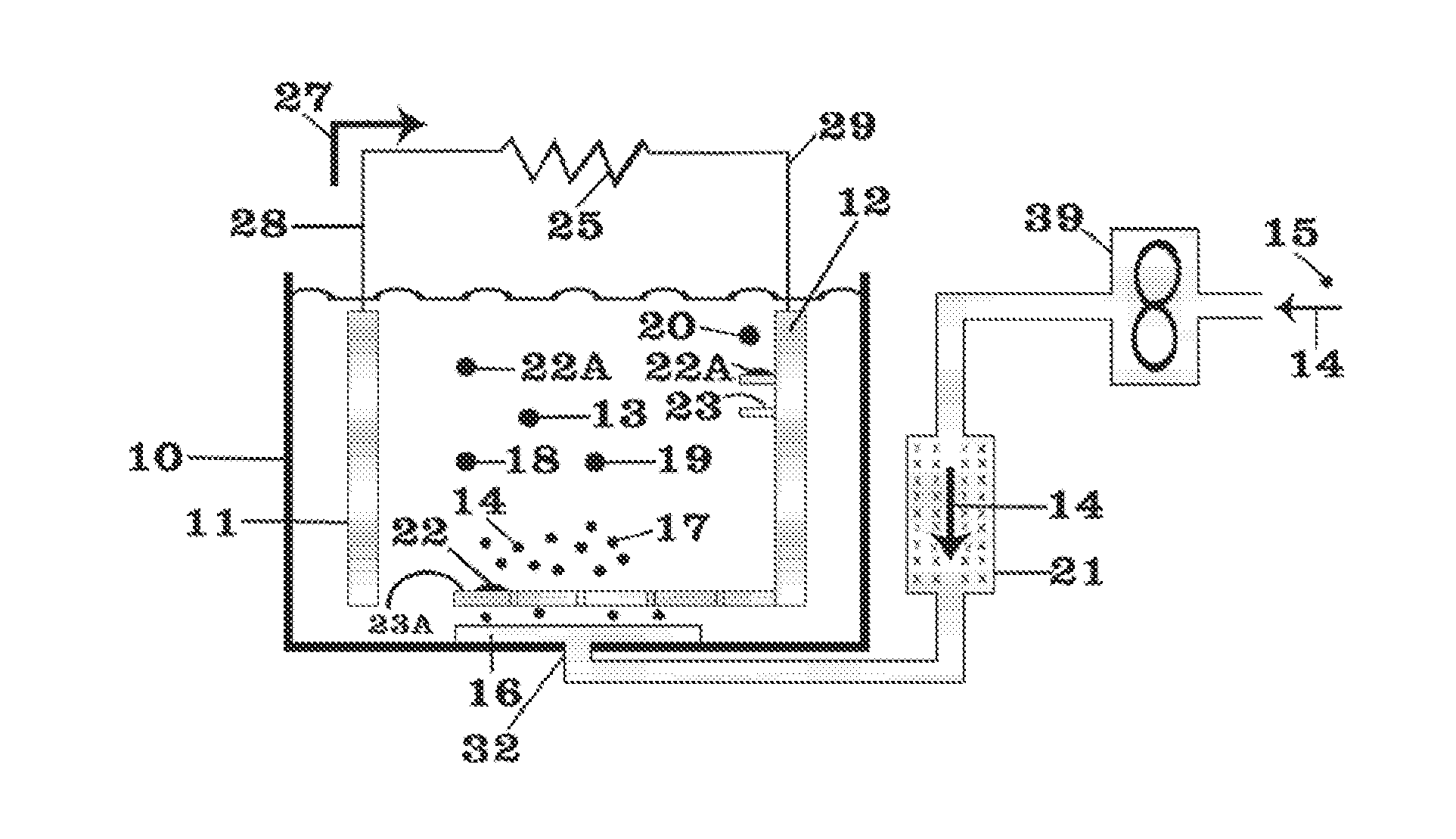
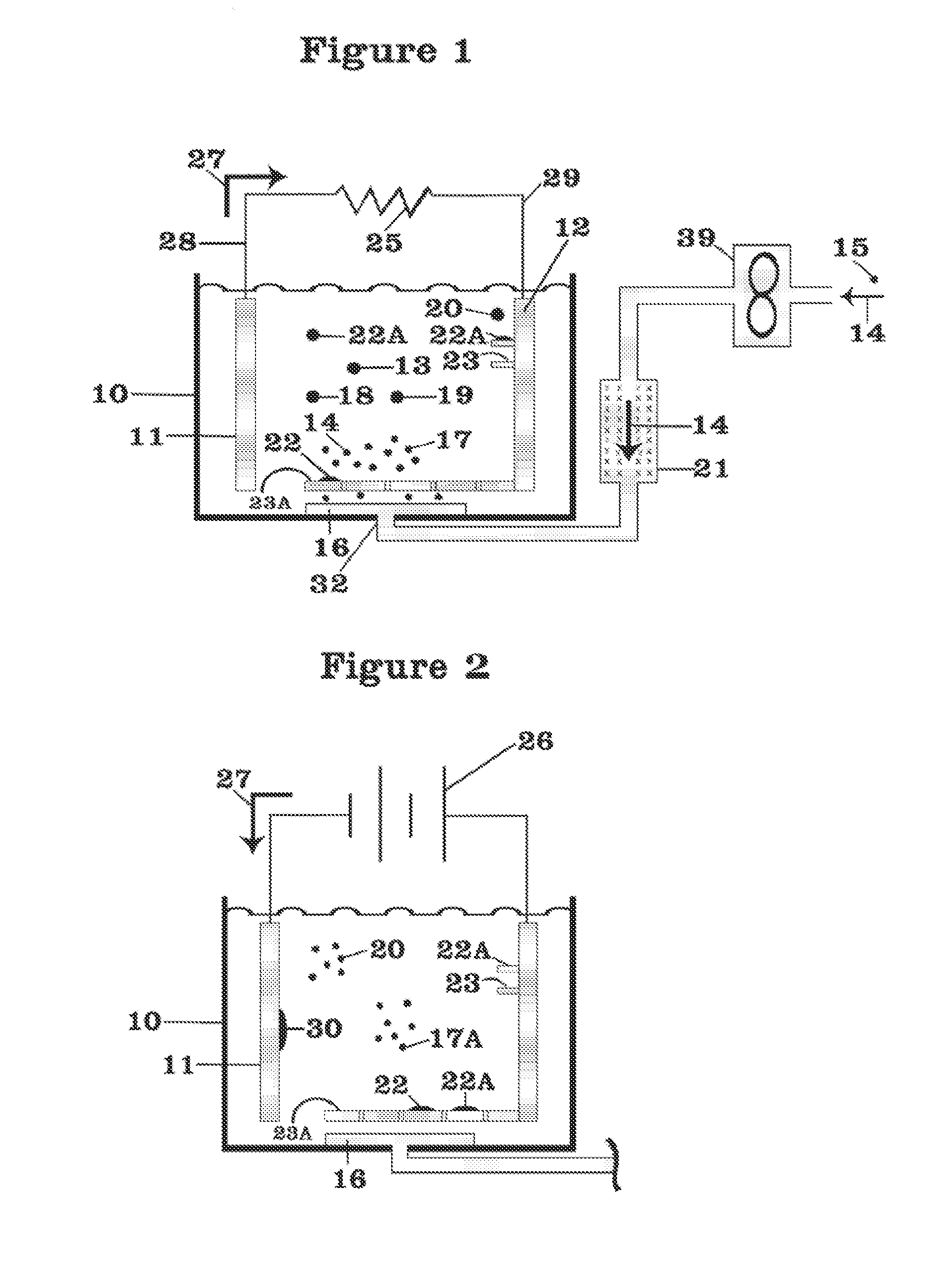
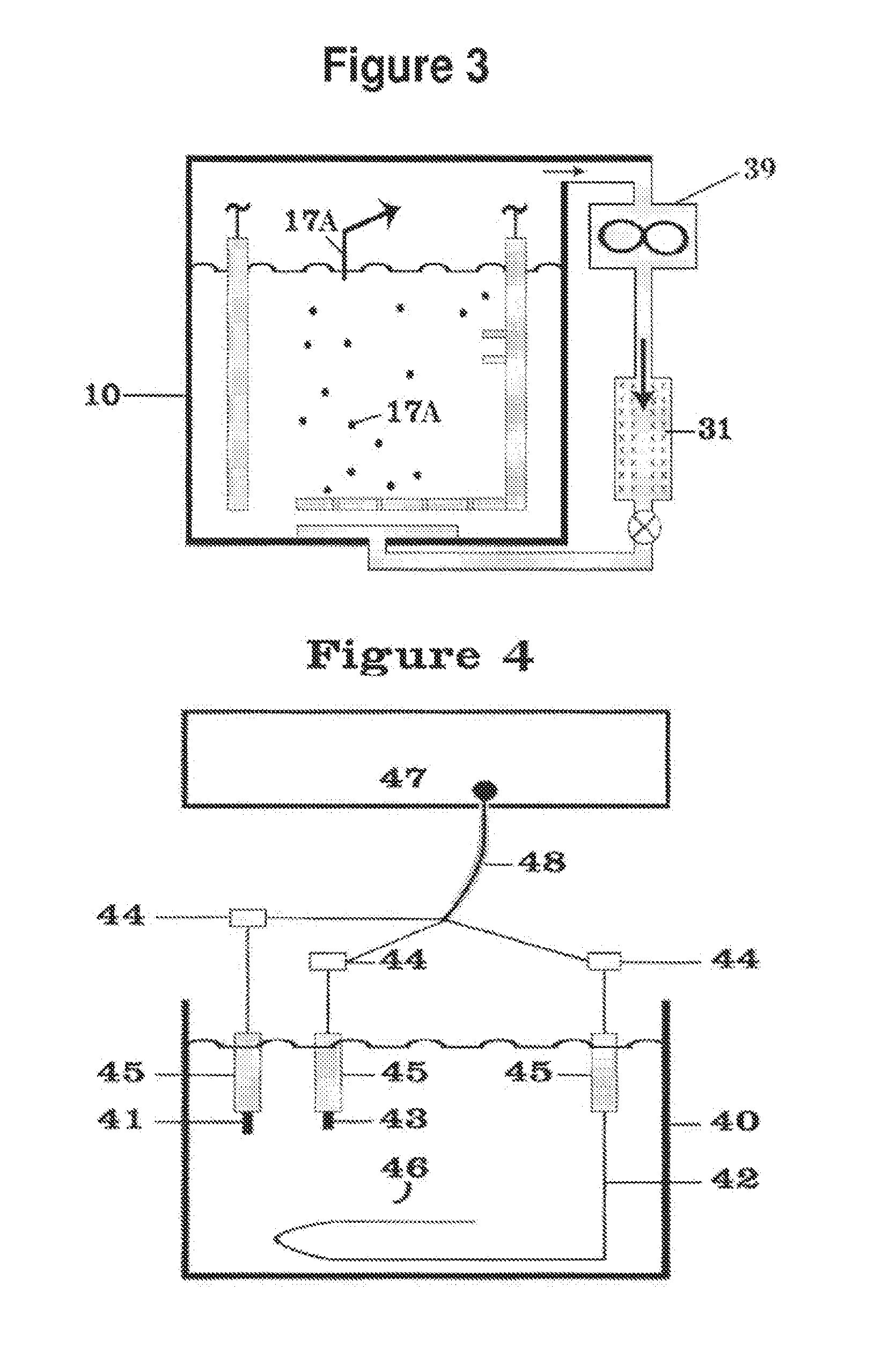
Lithium-air battery for electric vehicles and other applications using molten nitrate electrolytes
PatentInactiveUS20160028133A1
Innovation
- The use of a molten nitrate electrolyte system with lithium nitrate or its mixtures, which provides stability for the lithium anode, supports oxygen reduction through nitrate ions, and operates at higher temperatures to enhance kinetics, reducing the need for expensive catalysts and minimizing the risk of flammability.
Mixtures of salts for storing thermal energy as phase transition heat
PatentWO1993012193A1
Innovation
- A salt mixture of magnesium nitrate hexahydrate and lithium nitrate in a mass ratio of 86-81:14-19, particularly the eutectic mixture at 83.7:16.3, which maintains high heat of transformation and melting temperature stability across an unlimited number of cycles, is used, with production involving melting in a closed vessel to prevent dewatering and ensure consistent performance.


Environmental Impact of Nitrate Salt Production and Usage
The production and usage of nitrate salts, particularly lithium nitrate and magnesium nitrate, have significant environmental implications that warrant careful consideration. The extraction of lithium from brine or hard rock mining causes substantial land disturbance, water consumption, and potential contamination of groundwater with chemicals used in processing. Lithium mining operations, predominantly located in the "Lithium Triangle" of South America, have been associated with water table depletion in already arid regions, affecting local ecosystems and communities.
Magnesium nitrate production, while less resource-intensive than lithium extraction, still presents environmental challenges. The Mannheim process, commonly used for magnesium nitrate production, generates acidic waste streams that require neutralization before disposal. Additionally, both nitrate salts contribute to nitrogen loading in aquatic systems when improperly managed, potentially leading to eutrophication and harmful algal blooms.
The energy requirements for processing these nitrates differ significantly. Lithium nitrate production has a higher carbon footprint due to energy-intensive concentration and purification processes. Comparative lifecycle assessments indicate that lithium nitrate production generates approximately 15-20 kg CO2 equivalent per kilogram of product, whereas magnesium nitrate production generates 8-12 kg CO2 equivalent per kilogram.
When considering their application as thermal energy storage materials, the environmental impact extends to operational phases. The lower melting point of lithium nitrate (261°C) compared to magnesium nitrate (335°C when dehydrated) means potentially lower energy requirements for maintaining molten states in thermal storage applications. However, this advantage must be weighed against the higher environmental burden of lithium extraction.
End-of-life management presents another environmental consideration. Both salts are water-soluble and can be recovered from thermal storage systems for recycling or repurposing. However, lithium recovery processes are generally more established due to the economic value of lithium, potentially resulting in higher recycling rates and reduced waste.
Regulatory frameworks governing nitrate salt production vary globally, with stricter environmental controls in Europe and North America compared to some developing regions. Recent policy trends indicate increasing scrutiny of lithium extraction practices, particularly regarding water usage and indigenous land rights, which may influence the comparative environmental profiles of these materials in the future.
Magnesium nitrate production, while less resource-intensive than lithium extraction, still presents environmental challenges. The Mannheim process, commonly used for magnesium nitrate production, generates acidic waste streams that require neutralization before disposal. Additionally, both nitrate salts contribute to nitrogen loading in aquatic systems when improperly managed, potentially leading to eutrophication and harmful algal blooms.
The energy requirements for processing these nitrates differ significantly. Lithium nitrate production has a higher carbon footprint due to energy-intensive concentration and purification processes. Comparative lifecycle assessments indicate that lithium nitrate production generates approximately 15-20 kg CO2 equivalent per kilogram of product, whereas magnesium nitrate production generates 8-12 kg CO2 equivalent per kilogram.
When considering their application as thermal energy storage materials, the environmental impact extends to operational phases. The lower melting point of lithium nitrate (261°C) compared to magnesium nitrate (335°C when dehydrated) means potentially lower energy requirements for maintaining molten states in thermal storage applications. However, this advantage must be weighed against the higher environmental burden of lithium extraction.
End-of-life management presents another environmental consideration. Both salts are water-soluble and can be recovered from thermal storage systems for recycling or repurposing. However, lithium recovery processes are generally more established due to the economic value of lithium, potentially resulting in higher recycling rates and reduced waste.
Regulatory frameworks governing nitrate salt production vary globally, with stricter environmental controls in Europe and North America compared to some developing regions. Recent policy trends indicate increasing scrutiny of lithium extraction practices, particularly regarding water usage and indigenous land rights, which may influence the comparative environmental profiles of these materials in the future.
Techno-Economic Assessment of Lithium vs Magnesium Nitrates
The techno-economic assessment of lithium nitrate versus magnesium nitrate reveals significant differences in their economic viability for thermal energy storage applications. Lithium nitrate, while offering superior thermal properties with a melting point of 255°C and latent heat of fusion of 360-380 J/g, commands a substantially higher market price ranging from $12-15 per kilogram for industrial grade material. This price point reflects lithium's status as a critical material with supply constraints and growing demand from the battery sector.
Magnesium nitrate presents a more economical alternative at $2-4 per kilogram, despite its lower melting point (95°C) and latent heat of fusion (approximately 140-160 J/g). The considerable cost differential of approximately 4-5 times makes magnesium nitrate particularly attractive for large-scale thermal storage implementations where material costs significantly impact overall system economics.
Production scalability further differentiates these materials. Magnesium nitrate benefits from established, large-scale production infrastructure with global annual production exceeding 500,000 tons. Conversely, lithium nitrate production remains more limited, with global capacity under 50,000 tons annually, creating potential supply constraints for large-scale thermal storage deployments.
Lifecycle cost analysis indicates that while lithium nitrate systems demonstrate higher thermal efficiency and potentially smaller storage volumes, the total cost of ownership over a 20-year operational period typically favors magnesium nitrate systems by 30-40% when accounting for initial investment, replacement costs, and operational expenses.
Market volatility presents another critical consideration. Lithium compounds have experienced price fluctuations exceeding 300% in recent five-year periods due to battery industry demand, whereas magnesium compound prices have remained relatively stable with fluctuations under 40% during the same timeframe. This volatility introduces significant financial risk for lithium-based thermal storage systems.
Environmental impact assessments reveal that lithium extraction and processing typically generates 15-20 kg CO2 equivalent per kilogram of lithium nitrate, compared to 5-8 kg CO2 equivalent for magnesium nitrate. Water usage metrics similarly favor magnesium, with lithium extraction requiring 3-4 times more water per unit mass, particularly concerning in water-stressed regions where lithium is often mined.
Magnesium nitrate presents a more economical alternative at $2-4 per kilogram, despite its lower melting point (95°C) and latent heat of fusion (approximately 140-160 J/g). The considerable cost differential of approximately 4-5 times makes magnesium nitrate particularly attractive for large-scale thermal storage implementations where material costs significantly impact overall system economics.
Production scalability further differentiates these materials. Magnesium nitrate benefits from established, large-scale production infrastructure with global annual production exceeding 500,000 tons. Conversely, lithium nitrate production remains more limited, with global capacity under 50,000 tons annually, creating potential supply constraints for large-scale thermal storage deployments.
Lifecycle cost analysis indicates that while lithium nitrate systems demonstrate higher thermal efficiency and potentially smaller storage volumes, the total cost of ownership over a 20-year operational period typically favors magnesium nitrate systems by 30-40% when accounting for initial investment, replacement costs, and operational expenses.
Market volatility presents another critical consideration. Lithium compounds have experienced price fluctuations exceeding 300% in recent five-year periods due to battery industry demand, whereas magnesium compound prices have remained relatively stable with fluctuations under 40% during the same timeframe. This volatility introduces significant financial risk for lithium-based thermal storage systems.
Environmental impact assessments reveal that lithium extraction and processing typically generates 15-20 kg CO2 equivalent per kilogram of lithium nitrate, compared to 5-8 kg CO2 equivalent for magnesium nitrate. Water usage metrics similarly favor magnesium, with lithium extraction requiring 3-4 times more water per unit mass, particularly concerning in water-stressed regions where lithium is often mined.
Unlock deeper insights with PatSnap Eureka Quick Research — get a full tech report to explore trends and direct your research. Try now!
Generate Your Research Report Instantly with AI Agent
Supercharge your innovation with PatSnap Eureka AI Agent Platform!