

Optimizing Wettability in Microfluidics Channels for Performance
SEP 10, 20259 MIN READ
Generate Your Research Report Instantly with AI Agent
PatSnap Eureka helps you evaluate technical feasibility & market potential.
Microfluidics Wettability Background and Objectives
Microfluidics, the science and technology of manipulating fluids at the microscale, has evolved significantly since its inception in the early 1990s. The field emerged from the convergence of molecular biology, microelectronics, and microfabrication technologies, initially driven by the need for miniaturized analytical systems. Over the past three decades, microfluidic technologies have transformed from simple channel designs to sophisticated lab-on-a-chip platforms capable of performing complex biological and chemical analyses.
Wettability, which describes how a liquid interacts with a solid surface, stands as a fundamental property governing fluid behavior in microfluidic channels. The historical progression of wettability research in microfluidics reveals a shift from passive surface treatments to dynamic, stimuli-responsive surfaces that can be controlled in real-time. This evolution reflects the growing understanding of the critical role surface properties play in determining flow characteristics, mixing efficiency, and overall system performance.
Current technological trends indicate a move toward precision engineering of surface properties at the micro and nanoscale. Researchers are increasingly focusing on biomimetic approaches, drawing inspiration from natural systems like lotus leaves (superhydrophobicity) and pitcher plants (superhydrophilicity) to create surfaces with unprecedented wetting properties. Additionally, the integration of smart materials capable of responding to external stimuli such as temperature, pH, light, or electrical signals represents a frontier in adaptive microfluidic systems.
The primary technical objective of optimizing wettability in microfluidic channels is to achieve precise control over fluid-surface interactions to enhance system performance. This includes improving flow control, reducing biofouling, minimizing cross-contamination, and enabling more efficient mixing and separation processes. Specifically, researchers aim to develop surfaces with tunable wettability that can transition between hydrophobic and hydrophilic states on demand, allowing for dynamic manipulation of fluid behavior within microchannels.
Secondary objectives include reducing manufacturing complexity and costs associated with surface modification techniques, enhancing the long-term stability of modified surfaces under operational conditions, and developing standardized methods for characterizing and quantifying wettability in microfluidic environments. These objectives align with the broader goal of transitioning microfluidic technologies from laboratory research tools to commercially viable products for healthcare, environmental monitoring, and industrial applications.
The ultimate vision is to establish a comprehensive framework for wettability engineering in microfluidics that enables predictable, reproducible, and scalable surface properties tailored to specific application requirements. This would facilitate the development of next-generation microfluidic devices with unprecedented performance characteristics, opening new possibilities for point-of-care diagnostics, organ-on-chip systems, and high-throughput screening platforms.
Wettability, which describes how a liquid interacts with a solid surface, stands as a fundamental property governing fluid behavior in microfluidic channels. The historical progression of wettability research in microfluidics reveals a shift from passive surface treatments to dynamic, stimuli-responsive surfaces that can be controlled in real-time. This evolution reflects the growing understanding of the critical role surface properties play in determining flow characteristics, mixing efficiency, and overall system performance.
Current technological trends indicate a move toward precision engineering of surface properties at the micro and nanoscale. Researchers are increasingly focusing on biomimetic approaches, drawing inspiration from natural systems like lotus leaves (superhydrophobicity) and pitcher plants (superhydrophilicity) to create surfaces with unprecedented wetting properties. Additionally, the integration of smart materials capable of responding to external stimuli such as temperature, pH, light, or electrical signals represents a frontier in adaptive microfluidic systems.
The primary technical objective of optimizing wettability in microfluidic channels is to achieve precise control over fluid-surface interactions to enhance system performance. This includes improving flow control, reducing biofouling, minimizing cross-contamination, and enabling more efficient mixing and separation processes. Specifically, researchers aim to develop surfaces with tunable wettability that can transition between hydrophobic and hydrophilic states on demand, allowing for dynamic manipulation of fluid behavior within microchannels.
Secondary objectives include reducing manufacturing complexity and costs associated with surface modification techniques, enhancing the long-term stability of modified surfaces under operational conditions, and developing standardized methods for characterizing and quantifying wettability in microfluidic environments. These objectives align with the broader goal of transitioning microfluidic technologies from laboratory research tools to commercially viable products for healthcare, environmental monitoring, and industrial applications.
The ultimate vision is to establish a comprehensive framework for wettability engineering in microfluidics that enables predictable, reproducible, and scalable surface properties tailored to specific application requirements. This would facilitate the development of next-generation microfluidic devices with unprecedented performance characteristics, opening new possibilities for point-of-care diagnostics, organ-on-chip systems, and high-throughput screening platforms.
Market Applications and Demand Analysis for Optimized Microfluidic Channels
The microfluidics market has experienced significant growth in recent years, with the global market value reaching $23.8 billion in 2022 and projected to grow at a CAGR of 11.5% through 2030. This expansion is driven by increasing applications across multiple industries where optimized wettability in microfluidic channels directly impacts performance and capabilities.
Healthcare and life sciences represent the largest market segment, accounting for approximately 45% of microfluidics applications. Within this sector, point-of-care diagnostics, drug delivery systems, and lab-on-a-chip devices rely heavily on precisely controlled wettability to ensure accurate fluid handling, sample processing, and analysis. The COVID-19 pandemic accelerated demand for rapid diagnostic platforms utilizing microfluidic technology, creating a 32% surge in this subsegment between 2020-2022.
Pharmaceutical research and development constitutes another significant market, where high-throughput screening and drug discovery platforms benefit from optimized microfluidic channels. Companies report 40-60% reductions in reagent consumption and testing time when utilizing advanced wettability-controlled microfluidic systems compared to conventional methods, driving adoption despite higher initial investment costs.
The industrial sector shows rapidly growing demand, particularly in chemical synthesis, material science, and energy applications. Microreactors with precisely engineered wettability characteristics enable more efficient chemical processes, with some implementations demonstrating yield improvements of 25-35% while reducing waste streams by up to 40%.
Consumer electronics and semiconductor manufacturing represent emerging markets for optimized microfluidic technology, with applications in thermal management, inkjet printing, and advanced manufacturing processes. Market analysis indicates this segment is growing at 14.8% annually, outpacing the overall market average.
Geographic distribution of demand shows North America leading with 38% market share, followed by Europe (29%) and Asia-Pacific (26%). However, the Asia-Pacific region demonstrates the fastest growth rate at 13.7% annually, driven by expanding healthcare infrastructure and industrial applications in China, Japan, and South Korea.
Customer requirements across these markets consistently emphasize several key performance factors: chemical compatibility with diverse fluids, long-term stability of wettability properties, manufacturing scalability, and cost-effectiveness. Survey data indicates that 78% of end-users prioritize reliability and reproducibility over initial cost considerations, suggesting premium pricing potential for solutions that deliver consistent performance.
Healthcare and life sciences represent the largest market segment, accounting for approximately 45% of microfluidics applications. Within this sector, point-of-care diagnostics, drug delivery systems, and lab-on-a-chip devices rely heavily on precisely controlled wettability to ensure accurate fluid handling, sample processing, and analysis. The COVID-19 pandemic accelerated demand for rapid diagnostic platforms utilizing microfluidic technology, creating a 32% surge in this subsegment between 2020-2022.
Pharmaceutical research and development constitutes another significant market, where high-throughput screening and drug discovery platforms benefit from optimized microfluidic channels. Companies report 40-60% reductions in reagent consumption and testing time when utilizing advanced wettability-controlled microfluidic systems compared to conventional methods, driving adoption despite higher initial investment costs.
The industrial sector shows rapidly growing demand, particularly in chemical synthesis, material science, and energy applications. Microreactors with precisely engineered wettability characteristics enable more efficient chemical processes, with some implementations demonstrating yield improvements of 25-35% while reducing waste streams by up to 40%.
Consumer electronics and semiconductor manufacturing represent emerging markets for optimized microfluidic technology, with applications in thermal management, inkjet printing, and advanced manufacturing processes. Market analysis indicates this segment is growing at 14.8% annually, outpacing the overall market average.
Geographic distribution of demand shows North America leading with 38% market share, followed by Europe (29%) and Asia-Pacific (26%). However, the Asia-Pacific region demonstrates the fastest growth rate at 13.7% annually, driven by expanding healthcare infrastructure and industrial applications in China, Japan, and South Korea.
Customer requirements across these markets consistently emphasize several key performance factors: chemical compatibility with diverse fluids, long-term stability of wettability properties, manufacturing scalability, and cost-effectiveness. Survey data indicates that 78% of end-users prioritize reliability and reproducibility over initial cost considerations, suggesting premium pricing potential for solutions that deliver consistent performance.
Current Wettability Challenges in Microfluidics Technology
Microfluidic systems face significant wettability challenges that impact their performance across various applications. The interaction between channel surfaces and fluids fundamentally determines flow behavior, mixing efficiency, and overall system reliability. Currently, one of the primary challenges is achieving precise control over surface wettability properties to enable predictable fluid manipulation at the microscale.
Traditional microfluidic channels often exhibit inconsistent wetting characteristics due to material limitations and manufacturing variability. Polymeric materials like PDMS (polydimethylsiloxane), while widely used for their optical transparency and ease of fabrication, present inherent hydrophobicity that can lead to air bubble entrapment and sample adsorption issues. These problems significantly reduce reproducibility in analytical applications and can cause device failure in long-term operations.
Surface modification techniques to alter wettability face stability concerns, with many treatments degrading over time or under specific chemical conditions. Plasma treatments, commonly employed to render surfaces hydrophilic, typically show temporal decay, reverting to their original wetting state within hours or days. This transient nature of surface modifications presents a substantial obstacle for commercial applications requiring extended shelf life and operational stability.
Another critical challenge lies in creating patterned wettability—regions with contrasting hydrophilic and hydrophobic properties—essential for droplet-based microfluidics and digital bioassays. Current patterning methods often lack spatial resolution or require complex multi-step processes that limit scalability and increase production costs.
Dynamic control of wettability remains particularly challenging yet highly desirable for advanced applications. Stimuli-responsive surfaces that can switch between wetting states in response to external triggers (electrical, thermal, optical, or chemical) frequently suffer from slow response times, limited switching cycles, or biocompatibility issues when applied in biological contexts.
The integration of wettability control with other functional requirements presents additional complications. For instance, balancing surface properties to minimize biofouling while maintaining specific wetting characteristics creates competing design constraints. Similarly, achieving optical transparency for detection purposes while implementing specific surface chemistries for wettability control often involves difficult material compromises.
Manufacturing consistency represents another significant hurdle, as small variations in surface roughness, chemical composition, or processing parameters can dramatically alter wetting behavior. This variability becomes particularly problematic when scaling production from laboratory prototypes to commercial manufacturing, where reproducibility is essential for quality assurance.
Traditional microfluidic channels often exhibit inconsistent wetting characteristics due to material limitations and manufacturing variability. Polymeric materials like PDMS (polydimethylsiloxane), while widely used for their optical transparency and ease of fabrication, present inherent hydrophobicity that can lead to air bubble entrapment and sample adsorption issues. These problems significantly reduce reproducibility in analytical applications and can cause device failure in long-term operations.
Surface modification techniques to alter wettability face stability concerns, with many treatments degrading over time or under specific chemical conditions. Plasma treatments, commonly employed to render surfaces hydrophilic, typically show temporal decay, reverting to their original wetting state within hours or days. This transient nature of surface modifications presents a substantial obstacle for commercial applications requiring extended shelf life and operational stability.
Another critical challenge lies in creating patterned wettability—regions with contrasting hydrophilic and hydrophobic properties—essential for droplet-based microfluidics and digital bioassays. Current patterning methods often lack spatial resolution or require complex multi-step processes that limit scalability and increase production costs.
Dynamic control of wettability remains particularly challenging yet highly desirable for advanced applications. Stimuli-responsive surfaces that can switch between wetting states in response to external triggers (electrical, thermal, optical, or chemical) frequently suffer from slow response times, limited switching cycles, or biocompatibility issues when applied in biological contexts.
The integration of wettability control with other functional requirements presents additional complications. For instance, balancing surface properties to minimize biofouling while maintaining specific wetting characteristics creates competing design constraints. Similarly, achieving optical transparency for detection purposes while implementing specific surface chemistries for wettability control often involves difficult material compromises.
Manufacturing consistency represents another significant hurdle, as small variations in surface roughness, chemical composition, or processing parameters can dramatically alter wetting behavior. This variability becomes particularly problematic when scaling production from laboratory prototypes to commercial manufacturing, where reproducibility is essential for quality assurance.
Current Wettability Optimization Methods and Materials
01 Surface modification techniques for controlling wettability
Various surface modification techniques can be applied to microfluidic channels to control their wettability properties. These include chemical treatments, plasma processing, and coating with specific materials to create hydrophilic or hydrophobic surfaces. By manipulating the surface chemistry, researchers can achieve precise control over fluid flow, droplet formation, and prevent unwanted adhesion in microfluidic devices.- Surface modification techniques for controlling wettability: Various surface modification techniques can be applied to microfluidic channels to control their wettability properties. These include chemical treatments, plasma processing, and coating with hydrophobic or hydrophilic materials. By altering the surface chemistry or topography, researchers can create channels with specific wetting behaviors tailored for different applications, such as droplet generation, fluid transport, or preventing biofouling.
- Gradient wettability in microfluidic devices: Microfluidic channels can be designed with wettability gradients to direct fluid flow without external forces. These gradients can be created through spatially varying surface treatments or by incorporating materials with different hydrophobic/hydrophilic properties along the channel length. Such gradient wettability enables passive fluid transport, facilitates mixing processes, and can be used for separation applications in lab-on-chip devices.
- Switchable or stimuli-responsive wettability: Microfluidic channels can incorporate materials that change their wettability in response to external stimuli such as temperature, pH, light, or electrical signals. These smart surfaces allow dynamic control over fluid behavior within the channels, enabling on-demand switching between hydrophobic and hydrophilic states. This capability is particularly valuable for valving, flow control, and creating reconfigurable microfluidic systems.
- Patterned wettability for droplet manipulation: Strategic patterning of regions with contrasting wettability (hydrophobic and hydrophilic) within microfluidic channels enables precise control over droplet generation, movement, and merging. These patterns can be created using photolithography, microcontact printing, or laser ablation techniques. Patterned wettability is essential for digital microfluidics, where discrete droplets serve as microreactors for chemical and biological assays.
- Wettability considerations for specific applications: The wettability requirements of microfluidic channels vary significantly depending on the intended application. For instance, biomedical devices may require hydrophilic surfaces to prevent protein adsorption, while droplet-based systems often need hydrophobic channels. Understanding the relationship between channel wettability and factors such as flow behavior, sample adhesion, and reaction efficiency is crucial for optimizing microfluidic device performance in fields ranging from diagnostics to material synthesis.
02 Gradient wettability in microfluidic channels
Creating wettability gradients along microfluidic channels enables directional fluid transport without external forces. These gradients can be established through spatially varying surface treatments or by incorporating materials with different hydrophobic/hydrophilic properties. This approach facilitates passive fluid pumping, droplet movement, and can be used for separation applications in lab-on-chip devices.Expand Specific Solutions03 Switchable or stimuli-responsive wettability
Microfluidic channels can be designed with switchable wettability properties that respond to external stimuli such as temperature, pH, light, or electrical signals. These smart surfaces allow dynamic control over fluid behavior during operation, enabling functions like valving, mixing, and flow direction changes without mechanical components. This approach increases the versatility and functionality of microfluidic devices.Expand Specific Solutions04 Patterned wettability for droplet manipulation
Strategic patterning of regions with contrasting wettability (hydrophobic and hydrophilic) within microfluidic channels enables precise droplet generation, manipulation, and positioning. These patterns can create virtual walls, guide droplet movement, facilitate merging or splitting operations, and create droplet arrays for high-throughput screening applications in chemical and biological analysis.Expand Specific Solutions05 Wettability control for specific microfluidic applications
Tailored wettability properties are crucial for specialized microfluidic applications such as digital microfluidics, organ-on-chip platforms, point-of-care diagnostics, and 3D cell culture systems. By optimizing channel wettability for specific biological samples, reagents, or analytical processes, these devices achieve improved performance in terms of sensitivity, reproducibility, and reduced sample/reagent consumption.Expand Specific Solutions
Leading Companies and Research Institutions in Microfluidics
The microfluidics channel wettability optimization market is in a growth phase, with increasing adoption across biomedical, diagnostic, and analytical applications. The global microfluidics market is projected to reach $50-60 billion by 2027, growing at 15-20% CAGR. Technologically, the field is advancing from basic surface treatments to sophisticated dynamic wettability control systems. Leading players include established corporations like Corning, Agilent Technologies, and Applied Biosystems who provide comprehensive microfluidic solutions, alongside specialized innovators such as Tasso and INCYTO focusing on point-of-care diagnostics. Academic institutions including Tsinghua University and research organizations like CNRS are driving fundamental innovations, while companies like Boao Biology and Orbis Diagnostics are commercializing novel applications in specialized sectors.
Corning, Inc.
Technical Solution: Corning has developed advanced glass-based microfluidic solutions with optimized wettability characteristics through their proprietary surface treatment technologies. Their approach centers on creating microfluidic channels with precisely controlled surface energy using specialized glass formulations and surface modification techniques. Corning's technology includes ion-exchange processes that alter the surface chemistry of glass channels to achieve specific wettability profiles, with contact angles ranging from super-hydrophilic (<5°) to moderately hydrophobic (>90°). They've pioneered the development of "Corning® Enhanced Microfluidics" which incorporates nanoscale surface texturing combined with chemical treatments to create stable wettability patterns that resist degradation over time and repeated use. Their microfluidic platforms feature channels with spatially controlled wettability gradients that enable passive fluid transport without external pumping mechanisms. Corning has also developed specialized coatings that maintain consistent wettability properties even when exposed to complex biological samples, addressing a significant challenge in diagnostic applications.
Strengths: Exceptional durability of surface treatments due to integration with glass substrate chemistry rather than just surface coatings. Precise spatial control of wettability enables complex fluid handling operations. Weaknesses: Glass-based solutions may have higher manufacturing costs compared to polymer alternatives. Limited flexibility in rapid prototyping compared to PDMS-based systems.
Agilent Technologies, Inc.
Technical Solution: Agilent Technologies has developed comprehensive solutions for wettability optimization in microfluidic channels through their "Microfluidic Interface Control" (MIC) technology platform. Their approach integrates materials science with precision manufacturing to create microfluidic channels with tailored surface properties. Agilent's technology employs a multi-layer surface modification strategy that combines base substrate treatment with functional coating applications to achieve precise control over hydrophobicity/hydrophilicity. Their proprietary plasma-enhanced chemical vapor deposition (PECVD) process creates uniform surface modifications across complex channel geometries, achieving contact angle control within ±2° across the entire channel network. Agilent has pioneered "dynamic wettability adjustment" technology that allows real-time modification of surface properties through electrical or thermal stimulation, enabling adaptive fluid control within a single device. Their microfluidic solutions incorporate specialized polymers with engineered surface chemistries that maintain stable wettability characteristics even after prolonged exposure to biological samples or harsh chemicals, addressing a key challenge in analytical applications.
Strengths: Comprehensive integration of wettability optimization with detection systems provides end-to-end solutions for analytical applications. Their dynamic wettability control enables adaptive protocols within a single device. Weaknesses: Proprietary nature of their technology creates potential vendor lock-in for customers. Solutions may be optimized for analytical chemistry applications but less adaptable to other fields.
Key Patents and Research on Microfluidic Surface Properties
Microfluidic circuit element comprising microfluidic channel with NANO interstices and fabrication method thereof
PatentActiveUS20180264469A1
Innovation
- A microfluidic circuit element is designed with nano interstices on both sides of the channel, formed by joining substrates using solvents, heat, pressure, or laser beams, allowing capillary-driven fluid flow without the need for surface treatments, and maintaining stable flow over time.


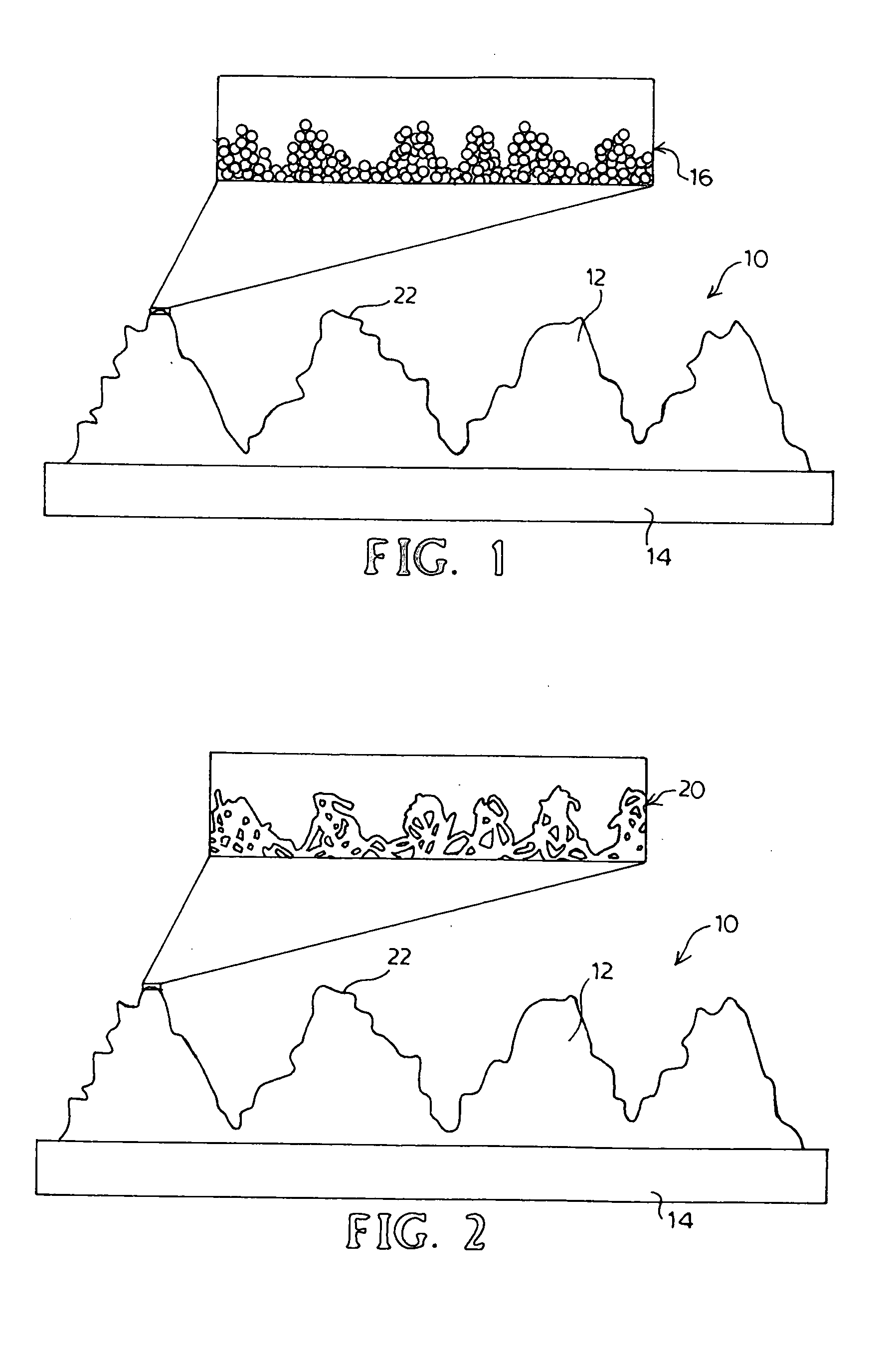
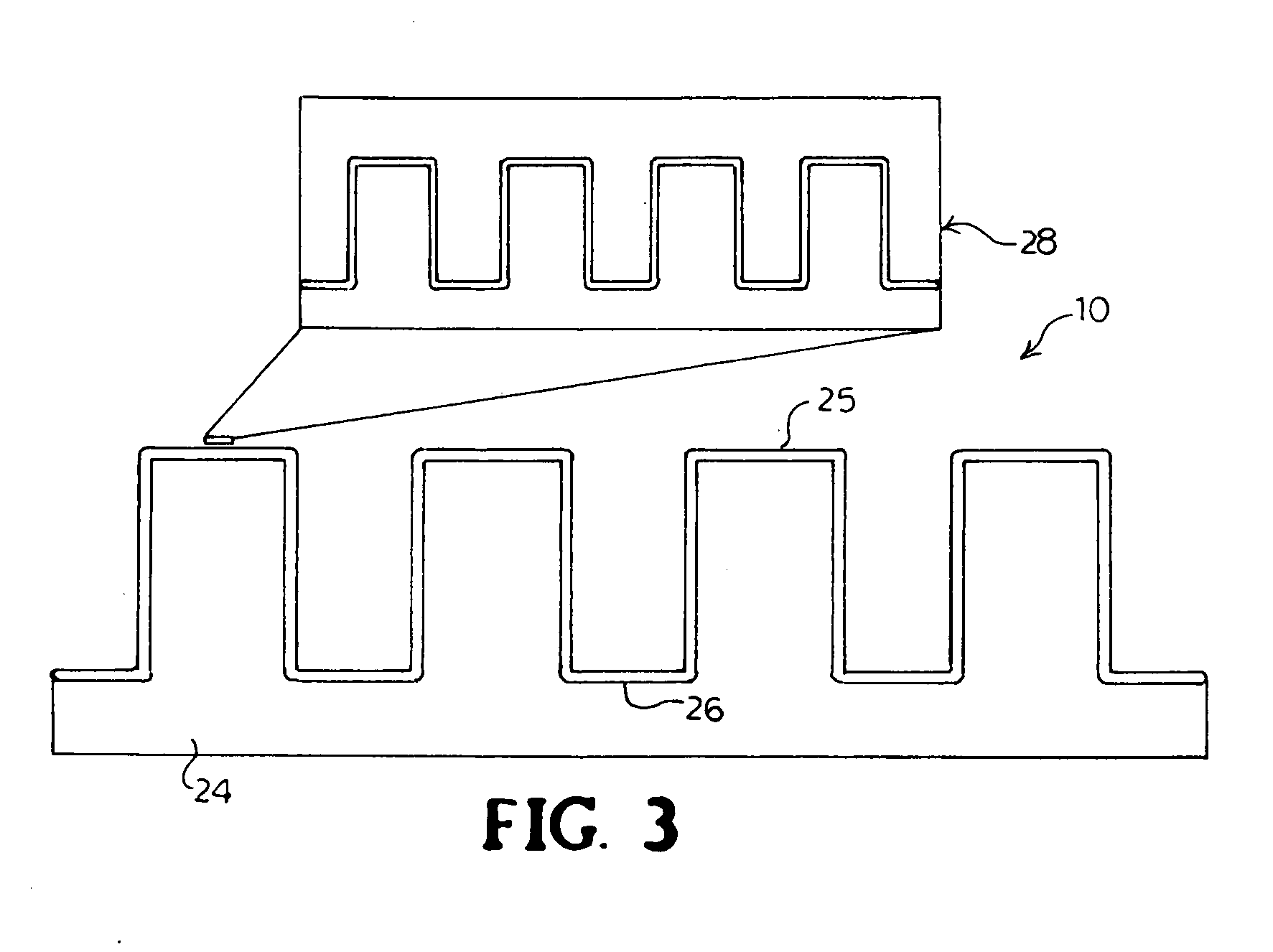
Microfluidic systems with electronic wettability switches
PatentInactiveUS20110266151A1
Innovation
- The development of micro- and nano-structured wettability switches using printing and embossing processes on flat substrates, enabling a hierarchical surface structure that significantly increases contact angle shifts with electronic stimuli, reducing production costs and enhancing performance.

Manufacturing Scalability and Cost Considerations
The scalability of manufacturing processes for microfluidic devices with optimized wettability presents significant challenges that directly impact commercial viability. Traditional fabrication methods such as photolithography and soft lithography offer precise control but face limitations in high-volume production scenarios. When scaling from laboratory prototypes to mass production, maintaining consistent surface properties across thousands of devices requires standardized processes that many manufacturers struggle to implement cost-effectively.
Material selection becomes increasingly critical at scale, as specialized surface treatments and coatings that enhance wettability performance must be applied uniformly across large production batches. Polymers like PDMS, while excellent for prototyping due to their tunable wettability, present challenges in automated manufacturing environments due to curing time requirements and potential batch-to-batch variations. Alternative materials such as thermoplastics offer better scalability but may require different approaches to wettability optimization.
Cost considerations reveal a complex relationship between manufacturing volume and per-unit economics. Initial capital investments for equipment capable of precise surface modification are substantial, often exceeding $500,000 for industrial-grade plasma treatment systems. However, these costs amortize effectively at higher production volumes. Analysis of production data indicates that the cost curve typically flattens at approximately 10,000 units, where per-unit costs for wettability treatments can decrease by 60-75% compared to small-batch production.
Surface modification techniques vary significantly in their scalability profiles. Chemical vapor deposition methods offer excellent uniformity but require specialized equipment and controlled environments. In contrast, solution-based approaches like layer-by-layer deposition scale more readily but may introduce quality control challenges. Recent innovations in roll-to-roll processing show promise for continuous manufacturing of microfluidic devices with controlled wettability, potentially reducing production costs by 30-40% compared to batch processing methods.
Quality control represents another critical dimension of manufacturing scalability. As production volumes increase, automated inspection systems become necessary to verify wettability characteristics across large batches. These systems add to capital costs but significantly reduce the risk of performance variations that could compromise device functionality. Industry data suggests that implementing robust quality control protocols typically adds 15-20% to manufacturing costs but reduces failure rates by up to 85%.
Environmental and regulatory considerations also impact scalability, particularly regarding chemical treatments used to modify surface wettability. Sustainable manufacturing approaches that minimize hazardous waste generation are increasingly important for large-scale production, driving research into green chemistry alternatives that maintain performance while improving manufacturing scalability and reducing long-term costs.
Material selection becomes increasingly critical at scale, as specialized surface treatments and coatings that enhance wettability performance must be applied uniformly across large production batches. Polymers like PDMS, while excellent for prototyping due to their tunable wettability, present challenges in automated manufacturing environments due to curing time requirements and potential batch-to-batch variations. Alternative materials such as thermoplastics offer better scalability but may require different approaches to wettability optimization.
Cost considerations reveal a complex relationship between manufacturing volume and per-unit economics. Initial capital investments for equipment capable of precise surface modification are substantial, often exceeding $500,000 for industrial-grade plasma treatment systems. However, these costs amortize effectively at higher production volumes. Analysis of production data indicates that the cost curve typically flattens at approximately 10,000 units, where per-unit costs for wettability treatments can decrease by 60-75% compared to small-batch production.
Surface modification techniques vary significantly in their scalability profiles. Chemical vapor deposition methods offer excellent uniformity but require specialized equipment and controlled environments. In contrast, solution-based approaches like layer-by-layer deposition scale more readily but may introduce quality control challenges. Recent innovations in roll-to-roll processing show promise for continuous manufacturing of microfluidic devices with controlled wettability, potentially reducing production costs by 30-40% compared to batch processing methods.
Quality control represents another critical dimension of manufacturing scalability. As production volumes increase, automated inspection systems become necessary to verify wettability characteristics across large batches. These systems add to capital costs but significantly reduce the risk of performance variations that could compromise device functionality. Industry data suggests that implementing robust quality control protocols typically adds 15-20% to manufacturing costs but reduces failure rates by up to 85%.
Environmental and regulatory considerations also impact scalability, particularly regarding chemical treatments used to modify surface wettability. Sustainable manufacturing approaches that minimize hazardous waste generation are increasingly important for large-scale production, driving research into green chemistry alternatives that maintain performance while improving manufacturing scalability and reducing long-term costs.
Environmental Impact and Sustainability of Surface Treatments
The environmental impact of surface treatments used for wettability optimization in microfluidic channels represents a critical consideration in sustainable technology development. Traditional surface modification techniques often involve hazardous chemicals such as organic solvents, strong acids, and fluorinated compounds that pose significant environmental and health risks. These substances can contribute to air and water pollution when improperly disposed of, and many have been associated with long-term environmental persistence.
Recent advances in green chemistry approaches have led to the development of more environmentally friendly surface treatment alternatives. Bio-inspired coatings derived from natural materials like chitosan, cellulose derivatives, and plant extracts offer promising wettability control while minimizing ecological footprint. These materials are typically biodegradable and produced from renewable resources, aligning with circular economy principles.
The energy consumption associated with surface treatment processes also warrants attention from a sustainability perspective. Conventional methods such as plasma treatment and chemical vapor deposition often require significant energy inputs, contributing to carbon emissions. Emerging low-temperature and ambient-pressure techniques have demonstrated comparable wettability control with substantially reduced energy requirements, offering a more sustainable pathway for microfluidic device manufacturing.
Life cycle assessment (LCA) studies of microfluidic devices have highlighted surface treatments as a significant contributor to overall environmental impact. The manufacturing phase, particularly surface modification processes, can account for up to 40% of the total environmental footprint of a microfluidic device. This underscores the importance of considering end-of-life scenarios and potential for material recovery or recycling when selecting surface treatment approaches.
Water consumption represents another sustainability concern, as many conventional surface treatment processes require substantial amounts of ultrapure water for rinsing and cleaning steps. Water-free or water-efficient surface modification techniques, such as supercritical CO2 processing and dry plasma treatments, offer promising alternatives that significantly reduce water usage while maintaining effective wettability control in microfluidic channels.
Regulatory frameworks worldwide are increasingly restricting the use of environmentally harmful substances commonly employed in surface treatments. The European Union's REACH regulation and similar initiatives globally have targeted perfluorinated compounds often used in hydrophobic coatings. This regulatory landscape is driving innovation toward greener alternatives that maintain performance while meeting stringent environmental compliance requirements.
Recent advances in green chemistry approaches have led to the development of more environmentally friendly surface treatment alternatives. Bio-inspired coatings derived from natural materials like chitosan, cellulose derivatives, and plant extracts offer promising wettability control while minimizing ecological footprint. These materials are typically biodegradable and produced from renewable resources, aligning with circular economy principles.
The energy consumption associated with surface treatment processes also warrants attention from a sustainability perspective. Conventional methods such as plasma treatment and chemical vapor deposition often require significant energy inputs, contributing to carbon emissions. Emerging low-temperature and ambient-pressure techniques have demonstrated comparable wettability control with substantially reduced energy requirements, offering a more sustainable pathway for microfluidic device manufacturing.
Life cycle assessment (LCA) studies of microfluidic devices have highlighted surface treatments as a significant contributor to overall environmental impact. The manufacturing phase, particularly surface modification processes, can account for up to 40% of the total environmental footprint of a microfluidic device. This underscores the importance of considering end-of-life scenarios and potential for material recovery or recycling when selecting surface treatment approaches.
Water consumption represents another sustainability concern, as many conventional surface treatment processes require substantial amounts of ultrapure water for rinsing and cleaning steps. Water-free or water-efficient surface modification techniques, such as supercritical CO2 processing and dry plasma treatments, offer promising alternatives that significantly reduce water usage while maintaining effective wettability control in microfluidic channels.
Regulatory frameworks worldwide are increasingly restricting the use of environmentally harmful substances commonly employed in surface treatments. The European Union's REACH regulation and similar initiatives globally have targeted perfluorinated compounds often used in hydrophobic coatings. This regulatory landscape is driving innovation toward greener alternatives that maintain performance while meeting stringent environmental compliance requirements.
Unlock deeper insights with PatSnap Eureka Quick Research — get a full tech report to explore trends and direct your research. Try now!
Generate Your Research Report Instantly with AI Agent
Supercharge your innovation with PatSnap Eureka AI Agent Platform!