Quantifying Lithium Nitrate Heat Capacity for Energy Storage Optimization
OCT 9, 202510 MIN READ
Generate Your Research Report Instantly with AI Agent
Patsnap Eureka helps you evaluate technical feasibility & market potential.
Lithium Nitrate Thermal Properties Background and Objectives
Lithium nitrate (LiNO3) has emerged as a critical material in the field of thermal energy storage (TES) systems, particularly in concentrated solar power (CSP) plants and other renewable energy applications. The compound's unique thermal properties, including its high heat capacity and favorable phase change characteristics, position it as a promising candidate for enhancing energy storage efficiency. Historical development of thermal storage materials has progressed from simple water-based systems to advanced molten salt formulations, with lithium nitrate representing one of the more recent innovations in this evolutionary chain.
The thermal behavior of lithium nitrate has been studied since the mid-20th century, but intensive research into its application for energy storage began primarily in the 1990s. Early investigations focused on basic thermophysical properties, while contemporary research has shifted toward optimizing its performance in complex salt mixtures and addressing stability issues at elevated temperatures. This progression reflects the growing recognition of thermal energy storage as a critical component in renewable energy systems.
Current understanding of lithium nitrate's heat capacity remains incomplete, with significant variations in reported values across the scientific literature. These discrepancies stem from differences in measurement methodologies, sample purity, and testing conditions. The precise quantification of heat capacity as a function of temperature is essential for accurate system modeling and optimal design of thermal storage units, highlighting the need for standardized measurement protocols.
The primary objective of this technical research is to establish definitive values for lithium nitrate's heat capacity across its operational temperature range (typically 250-550°C), with particular attention to behavior near phase transition points. Secondary goals include identifying the factors that influence heat capacity variations, such as impurity levels, thermal cycling effects, and container material interactions. This research aims to develop predictive models that can accurately represent lithium nitrate's thermal behavior under various conditions relevant to energy storage applications.
Beyond pure scientific interest, this investigation has significant practical implications for energy storage system design. Accurate heat capacity data directly impacts calculations of energy density, charging/discharging rates, and overall system efficiency. By optimizing these parameters, energy storage systems can achieve higher performance levels, reduced costs, and extended operational lifespans. The ultimate goal is to facilitate wider adoption of renewable energy technologies by addressing one of their fundamental challenges: efficient and reliable energy storage.
The findings from this research will contribute to the broader technological trend toward more sophisticated thermal energy storage solutions, supporting the global transition to renewable energy systems and helping to address climate change challenges through improved energy management capabilities.
The thermal behavior of lithium nitrate has been studied since the mid-20th century, but intensive research into its application for energy storage began primarily in the 1990s. Early investigations focused on basic thermophysical properties, while contemporary research has shifted toward optimizing its performance in complex salt mixtures and addressing stability issues at elevated temperatures. This progression reflects the growing recognition of thermal energy storage as a critical component in renewable energy systems.
Current understanding of lithium nitrate's heat capacity remains incomplete, with significant variations in reported values across the scientific literature. These discrepancies stem from differences in measurement methodologies, sample purity, and testing conditions. The precise quantification of heat capacity as a function of temperature is essential for accurate system modeling and optimal design of thermal storage units, highlighting the need for standardized measurement protocols.
The primary objective of this technical research is to establish definitive values for lithium nitrate's heat capacity across its operational temperature range (typically 250-550°C), with particular attention to behavior near phase transition points. Secondary goals include identifying the factors that influence heat capacity variations, such as impurity levels, thermal cycling effects, and container material interactions. This research aims to develop predictive models that can accurately represent lithium nitrate's thermal behavior under various conditions relevant to energy storage applications.
Beyond pure scientific interest, this investigation has significant practical implications for energy storage system design. Accurate heat capacity data directly impacts calculations of energy density, charging/discharging rates, and overall system efficiency. By optimizing these parameters, energy storage systems can achieve higher performance levels, reduced costs, and extended operational lifespans. The ultimate goal is to facilitate wider adoption of renewable energy technologies by addressing one of their fundamental challenges: efficient and reliable energy storage.
The findings from this research will contribute to the broader technological trend toward more sophisticated thermal energy storage solutions, supporting the global transition to renewable energy systems and helping to address climate change challenges through improved energy management capabilities.
Market Analysis for Advanced Thermal Energy Storage Materials
The global market for advanced thermal energy storage (TES) materials is experiencing significant growth, driven by the increasing demand for efficient energy storage solutions across various sectors. The market value for thermal energy storage systems was estimated at $20.8 billion in 2022 and is projected to reach $51.3 billion by 2030, growing at a CAGR of 11.9%. Within this broader market, advanced materials like lithium nitrate are gaining particular attention due to their superior heat capacity properties.
The renewable energy sector represents the largest application segment for advanced TES materials, accounting for approximately 42% of the market share. This is primarily due to the intermittent nature of renewable energy sources like solar and wind, which necessitates efficient energy storage solutions to ensure continuous power supply. The integration of lithium nitrate-based thermal storage systems with concentrated solar power (CSP) plants has shown potential to reduce levelized cost of electricity by up to 15%.
Industrial applications constitute the second-largest market segment at 28%, where high-temperature processes require stable and efficient heat storage capabilities. Lithium nitrate's high heat capacity makes it particularly valuable in industries requiring temperatures between 250-550°C. The building sector follows at 21%, where thermal energy storage is increasingly incorporated into smart building designs for heating and cooling optimization.
Geographically, Europe leads the market with a 35% share, driven by aggressive climate policies and substantial investments in renewable energy infrastructure. North America follows at 28%, with significant growth in concentrated solar power installations utilizing advanced thermal storage materials. The Asia-Pacific region, currently at 25% market share, is expected to demonstrate the fastest growth rate of 14.2% annually through 2030, primarily due to China and India's expanding renewable energy sectors.
Key market drivers include stringent environmental regulations, volatile energy prices, and increasing grid stability concerns. The push for carbon neutrality has accelerated adoption of thermal storage technologies, with government incentives further stimulating market growth. For instance, the European Green Deal has allocated €17.5 billion specifically for energy storage innovations, including advanced TES materials research.
Market challenges include high initial investment costs, with lithium nitrate-based systems currently costing 20-30% more than conventional alternatives. Technical barriers related to material degradation over multiple thermal cycles and heat transfer efficiency also remain significant obstacles to widespread adoption. Additionally, supply chain constraints for lithium compounds have created price volatility, with lithium nitrate prices increasing by 35% between 2020 and 2022.
The renewable energy sector represents the largest application segment for advanced TES materials, accounting for approximately 42% of the market share. This is primarily due to the intermittent nature of renewable energy sources like solar and wind, which necessitates efficient energy storage solutions to ensure continuous power supply. The integration of lithium nitrate-based thermal storage systems with concentrated solar power (CSP) plants has shown potential to reduce levelized cost of electricity by up to 15%.
Industrial applications constitute the second-largest market segment at 28%, where high-temperature processes require stable and efficient heat storage capabilities. Lithium nitrate's high heat capacity makes it particularly valuable in industries requiring temperatures between 250-550°C. The building sector follows at 21%, where thermal energy storage is increasingly incorporated into smart building designs for heating and cooling optimization.
Geographically, Europe leads the market with a 35% share, driven by aggressive climate policies and substantial investments in renewable energy infrastructure. North America follows at 28%, with significant growth in concentrated solar power installations utilizing advanced thermal storage materials. The Asia-Pacific region, currently at 25% market share, is expected to demonstrate the fastest growth rate of 14.2% annually through 2030, primarily due to China and India's expanding renewable energy sectors.
Key market drivers include stringent environmental regulations, volatile energy prices, and increasing grid stability concerns. The push for carbon neutrality has accelerated adoption of thermal storage technologies, with government incentives further stimulating market growth. For instance, the European Green Deal has allocated €17.5 billion specifically for energy storage innovations, including advanced TES materials research.
Market challenges include high initial investment costs, with lithium nitrate-based systems currently costing 20-30% more than conventional alternatives. Technical barriers related to material degradation over multiple thermal cycles and heat transfer efficiency also remain significant obstacles to widespread adoption. Additionally, supply chain constraints for lithium compounds have created price volatility, with lithium nitrate prices increasing by 35% between 2020 and 2022.
Current Challenges in Lithium Nitrate Heat Capacity Measurement
Despite significant advancements in thermal energy storage systems, accurate measurement of lithium nitrate's heat capacity remains a persistent challenge for researchers and engineers. Current calorimetric methods struggle with the high temperature ranges required for molten salt applications, typically between 250°C and 550°C, where lithium nitrate exhibits its most valuable thermal properties. Conventional differential scanning calorimetry (DSC) techniques often encounter calibration drift at these elevated temperatures, leading to measurement uncertainties that can exceed 5-8%.
Sample preparation presents another significant obstacle, as lithium nitrate is hygroscopic and can absorb atmospheric moisture rapidly, altering its thermal properties. This necessitates specialized handling protocols in inert atmospheres, which are not standardized across research facilities, contributing to inconsistent results in the literature. The reported heat capacity values for lithium nitrate at 300°C vary by up to 12% between different research groups, highlighting the measurement reliability issues.
Phase transition behavior further complicates accurate quantification. Lithium nitrate undergoes multiple crystalline transitions before melting, and the enthalpy changes associated with these transitions are difficult to separate from the continuous heat capacity measurement. The metastable states that form during heating and cooling cycles introduce hysteresis effects that conventional measurement protocols fail to account for adequately.
Impurity effects represent another critical challenge. Commercial lithium nitrate typically contains trace amounts of other alkali metal nitrates and oxide compounds that can significantly alter thermal properties. Current analytical methods lack the sensitivity to fully characterize these impurities' effects on heat capacity measurements, particularly at concentration levels below 0.5% by weight.
Instrumentation limitations also hinder progress in this field. Most commercial high-temperature calorimeters were not specifically designed for molten salt characterization, resulting in material compatibility issues where sample containers may react with lithium nitrate at elevated temperatures. This chemical interaction can introduce systematic errors in heat capacity determination that are difficult to quantify and correct.
Computational approaches using molecular dynamics simulations offer alternative pathways but face their own challenges in accurately modeling the complex ionic interactions in molten lithium nitrate. Current force fields inadequately capture the temperature-dependent structural reorganization of the nitrate anions around lithium cations, leading to discrepancies between simulated and experimental heat capacity values that can reach 15-20% at temperatures above 400°C.
Sample preparation presents another significant obstacle, as lithium nitrate is hygroscopic and can absorb atmospheric moisture rapidly, altering its thermal properties. This necessitates specialized handling protocols in inert atmospheres, which are not standardized across research facilities, contributing to inconsistent results in the literature. The reported heat capacity values for lithium nitrate at 300°C vary by up to 12% between different research groups, highlighting the measurement reliability issues.
Phase transition behavior further complicates accurate quantification. Lithium nitrate undergoes multiple crystalline transitions before melting, and the enthalpy changes associated with these transitions are difficult to separate from the continuous heat capacity measurement. The metastable states that form during heating and cooling cycles introduce hysteresis effects that conventional measurement protocols fail to account for adequately.
Impurity effects represent another critical challenge. Commercial lithium nitrate typically contains trace amounts of other alkali metal nitrates and oxide compounds that can significantly alter thermal properties. Current analytical methods lack the sensitivity to fully characterize these impurities' effects on heat capacity measurements, particularly at concentration levels below 0.5% by weight.
Instrumentation limitations also hinder progress in this field. Most commercial high-temperature calorimeters were not specifically designed for molten salt characterization, resulting in material compatibility issues where sample containers may react with lithium nitrate at elevated temperatures. This chemical interaction can introduce systematic errors in heat capacity determination that are difficult to quantify and correct.
Computational approaches using molecular dynamics simulations offer alternative pathways but face their own challenges in accurately modeling the complex ionic interactions in molten lithium nitrate. Current force fields inadequately capture the temperature-dependent structural reorganization of the nitrate anions around lithium cations, leading to discrepancies between simulated and experimental heat capacity values that can reach 15-20% at temperatures above 400°C.
Existing Methodologies for Lithium Nitrate Characterization
01 Lithium nitrate as thermal energy storage material
Lithium nitrate is utilized as a thermal energy storage material due to its high heat capacity and thermal conductivity. It can store and release large amounts of thermal energy during phase transitions, making it valuable for solar thermal power plants and other energy storage applications. Its high heat capacity allows for efficient energy storage in relatively compact systems.- Lithium nitrate as thermal energy storage material: Lithium nitrate is utilized as a thermal energy storage material due to its high heat capacity and thermal conductivity. It can store and release large amounts of thermal energy during phase transitions, making it suitable for applications requiring efficient heat storage. The compound's favorable thermophysical properties allow for enhanced energy density in thermal storage systems, particularly in solar thermal power plants and other renewable energy applications.
- Lithium nitrate in battery thermal management systems: Lithium nitrate is incorporated into battery thermal management systems to regulate temperature and improve battery performance. Its high heat capacity allows it to absorb excess heat generated during battery operation, preventing overheating and extending battery life. These thermal management solutions are particularly valuable in electric vehicles and energy storage systems where temperature control is critical for safety and efficiency.
- Lithium nitrate as additive in phase change materials: Lithium nitrate serves as an effective additive in phase change materials (PCMs) to enhance their thermal properties. When combined with other salts or compounds, it can modify melting points, increase heat capacity, and improve thermal conductivity of the resulting mixture. These enhanced PCMs find applications in building materials, textiles, and electronic cooling systems where precise temperature regulation is required.
- Measurement and characterization of lithium nitrate heat capacity: Various methods are employed to measure and characterize the heat capacity of lithium nitrate across different temperature ranges and phases. Differential scanning calorimetry, thermogravimetric analysis, and other thermal analysis techniques are used to determine specific heat capacity values under different conditions. These measurements are essential for designing thermal systems and predicting the behavior of lithium nitrate in various applications.
- Lithium nitrate in molten salt mixtures for heat transfer applications: Lithium nitrate is incorporated into molten salt mixtures to create heat transfer fluids with enhanced thermal properties. These mixtures exhibit improved heat capacity, lower melting points, and better thermal stability compared to single-component systems. The resulting heat transfer fluids are used in concentrated solar power plants, nuclear reactors, and industrial processes where efficient heat transfer at high temperatures is required.
02 Lithium nitrate in battery thermal management systems
Lithium nitrate is incorporated into battery thermal management systems to regulate temperature and enhance safety. Its high heat capacity helps absorb excess heat generated during battery operation, preventing thermal runaway and extending battery life. These thermal management solutions are particularly important for lithium-ion batteries in electric vehicles and energy storage systems.Expand Specific Solutions03 Lithium nitrate in phase change materials (PCMs)
Lithium nitrate is used as a component in phase change materials for thermal energy management. When combined with other salts or materials, it creates eutectic mixtures with tailored melting points and enhanced heat capacity. These PCMs can absorb, store, and release large amounts of thermal energy during phase transitions at specific temperature ranges, making them useful for building climate control and industrial applications.Expand Specific Solutions04 Lithium nitrate in molten salt mixtures for solar thermal applications
Lithium nitrate is incorporated into molten salt mixtures used in concentrated solar power plants. These mixtures serve as heat transfer fluids and thermal energy storage media due to their high heat capacity and thermal stability at elevated temperatures. The addition of lithium nitrate to traditional salt mixtures can lower the melting point while maintaining high thermal energy storage capacity, improving system efficiency and reducing operational costs.Expand Specific Solutions05 Measurement and enhancement of lithium nitrate heat capacity properties
Various methods are employed to measure and enhance the heat capacity properties of lithium nitrate. These include calorimetric techniques for accurate measurement of specific heat capacity across different temperature ranges, as well as the development of composite materials and nanostructured formulations to enhance thermal properties. Research focuses on improving the thermal conductivity and heat capacity through additives and novel preparation methods.Expand Specific Solutions
Leading Organizations in Thermal Energy Storage Research
The lithium nitrate heat capacity quantification market is in an early growth stage, characterized by increasing research activity and emerging commercial applications in energy storage optimization. The global thermal energy storage market, valued at approximately $20 billion, is expected to grow significantly as renewable energy integration accelerates. Leading companies like Sunamp, Siemens, and Huawei Digital Power are developing advanced thermal storage solutions incorporating phase change materials, while research institutions such as MIT, Southeast University, and Zhejiang University are advancing fundamental understanding of lithium nitrate properties. The technology is approaching commercial maturity with companies like Robert Bosch and NEC developing integrated energy management systems, though standardization of measurement protocols remains a challenge for widespread adoption.
Sunamp Ltd.
Technical Solution: Sunamp has developed proprietary phase change material (PCM) formulations incorporating lithium nitrate for optimized heat capacity in their thermal batteries. Their approach focuses on precise quantification of lithium nitrate's contribution to overall heat storage capacity in multi-component PCM systems. Sunamp employs advanced thermal cycling equipment to measure heat capacity stability over thousands of cycles, ensuring long-term performance reliability in real-world applications. Their methodology includes detailed analysis of how lithium nitrate concentration affects phase transition temperatures and latent heat storage capacity, allowing for customized thermal storage solutions across different temperature ranges. Sunamp has pioneered techniques for encapsulating lithium nitrate-based PCMs to prevent degradation and leakage while maintaining optimal heat transfer characteristics. Their research extends to studying the interaction between lithium nitrate and various container materials to prevent corrosion and ensure system longevity in commercial thermal battery products.
Strengths: Direct commercial application experience; focus on practical implementation challenges; extensive real-world performance data across various operating conditions. Weaknesses: Proprietary nature limits public knowledge sharing; primarily focused on specific application temperature ranges; potential trade-offs between cost optimization and performance.
Siemens AG
Technical Solution: Siemens has developed comprehensive methodologies for quantifying lithium nitrate's heat capacity specifically for integration into their industrial-scale thermal energy storage systems. Their approach combines traditional calorimetry with proprietary in-situ measurement techniques that monitor heat capacity during actual operation conditions. Siemens' research includes detailed analysis of how lithium nitrate's heat capacity changes when combined with other nitrate salts to form eutectic mixtures, optimizing both cost and performance for large-scale applications. They have developed specialized computational fluid dynamics models that incorporate precise heat capacity data to predict thermal stratification and energy density in storage tanks containing lithium nitrate-based materials. Siemens has also pioneered methods for real-time monitoring of heat capacity changes during extended operation, enabling predictive maintenance and performance optimization in commercial energy storage installations. Their work extends to analyzing the economic implications of lithium nitrate's thermal properties, balancing material costs against energy storage efficiency to maximize return on investment for industrial customers.
Strengths: Extensive experience with industrial-scale implementation; integration of heat capacity data into comprehensive system models; focus on economic viability and practical engineering constraints. Weaknesses: Research primarily oriented toward specific Siemens products and applications; potential bias toward solutions compatible with existing infrastructure; less focus on fundamental scientific understanding compared to academic institutions.
Critical Patents and Literature on Heat Capacity Measurement
Heat-storage means
PatentInactiveEP1501908A1
Innovation
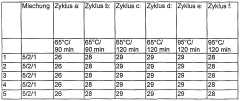
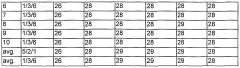
- A mixture of lithium nitrate trihydrate with magnesium nitrate, nickel nitrate, strontium nitrate, magnesium acetate, nickel acetate, or strontium acetate, along with their hydrates, is used as a nucleating agent to enhance crystallization, allowing for reliable nucleation up to 95°C without needing cooling below room temperature, and optionally adding alkali or alkaline earth metal nitrates to adjust the melting point.
Heat-storage means
PatentWO2003095584A1
Innovation
- A mixture of lithium nitrate trihydrate with nucleating agents such as magnesium nitrate, nickel nitrate, strontium nitrate, magnesium acetate, and strontium acetate, or their hydrates, is used to enhance nucleation, allowing reliable crystallization up to 95°C without cooling below room temperature, with the nucleating agents being mixed with lithium nitrate trihydrate and annealed to achieve improved thermal stability.

Environmental Impact of Lithium-Based Energy Storage Systems
The environmental impact of lithium-based energy storage systems extends far beyond their operational phase, encompassing the entire lifecycle from raw material extraction to disposal. Lithium nitrate, a compound increasingly utilized in thermal energy storage applications due to its favorable heat capacity properties, presents both opportunities and challenges from an environmental perspective.
Mining operations for lithium, primarily conducted in South America, Australia, and China, cause significant ecological disruption through land use changes, water consumption, and habitat destruction. The extraction process for lithium nitrate production is particularly water-intensive, with estimates suggesting that producing one ton of lithium requires approximately 500,000 gallons of water. In water-scarce regions like Chile's Atacama Desert, this creates substantial environmental stress and competition with local communities for vital resources.
The manufacturing phase of lithium-based storage systems incorporating lithium nitrate compounds generates considerable carbon emissions. Recent life cycle assessments indicate that the production of advanced thermal storage systems utilizing lithium nitrate contributes between 150-200 kg CO2-equivalent per kWh of storage capacity. However, these emissions are typically offset during the operational lifetime through improved energy efficiency and renewable energy integration.
Water pollution represents another significant concern, as lithium processing facilities discharge wastewater containing various chemicals and heavy metals. Studies have documented elevated concentrations of lithium, boron, and manganese in watersheds surrounding production facilities, potentially affecting aquatic ecosystems and agricultural productivity in surrounding areas.
The optimization of lithium nitrate heat capacity for energy storage applications offers environmental benefits through improved system efficiency. Higher heat capacity values enable more compact storage solutions, reducing material requirements and associated environmental impacts by up to 30% compared to conventional alternatives. Additionally, the enhanced thermal performance allows for better integration with renewable energy sources, potentially displacing fossil fuel consumption.
End-of-life management presents both challenges and opportunities. While recycling technologies for lithium compounds continue to advance, current recovery rates remain suboptimal at approximately 30-40%. Improved quantification of lithium nitrate properties supports the development of more efficient recycling processes and circular economy approaches, potentially reducing the environmental burden associated with primary resource extraction.
Regulatory frameworks worldwide are increasingly addressing these environmental concerns, with the European Union's Battery Directive and similar initiatives in North America establishing standards for responsible sourcing, manufacturing, and disposal of lithium-based energy storage technologies.
Mining operations for lithium, primarily conducted in South America, Australia, and China, cause significant ecological disruption through land use changes, water consumption, and habitat destruction. The extraction process for lithium nitrate production is particularly water-intensive, with estimates suggesting that producing one ton of lithium requires approximately 500,000 gallons of water. In water-scarce regions like Chile's Atacama Desert, this creates substantial environmental stress and competition with local communities for vital resources.
The manufacturing phase of lithium-based storage systems incorporating lithium nitrate compounds generates considerable carbon emissions. Recent life cycle assessments indicate that the production of advanced thermal storage systems utilizing lithium nitrate contributes between 150-200 kg CO2-equivalent per kWh of storage capacity. However, these emissions are typically offset during the operational lifetime through improved energy efficiency and renewable energy integration.
Water pollution represents another significant concern, as lithium processing facilities discharge wastewater containing various chemicals and heavy metals. Studies have documented elevated concentrations of lithium, boron, and manganese in watersheds surrounding production facilities, potentially affecting aquatic ecosystems and agricultural productivity in surrounding areas.
The optimization of lithium nitrate heat capacity for energy storage applications offers environmental benefits through improved system efficiency. Higher heat capacity values enable more compact storage solutions, reducing material requirements and associated environmental impacts by up to 30% compared to conventional alternatives. Additionally, the enhanced thermal performance allows for better integration with renewable energy sources, potentially displacing fossil fuel consumption.
End-of-life management presents both challenges and opportunities. While recycling technologies for lithium compounds continue to advance, current recovery rates remain suboptimal at approximately 30-40%. Improved quantification of lithium nitrate properties supports the development of more efficient recycling processes and circular economy approaches, potentially reducing the environmental burden associated with primary resource extraction.
Regulatory frameworks worldwide are increasingly addressing these environmental concerns, with the European Union's Battery Directive and similar initiatives in North America establishing standards for responsible sourcing, manufacturing, and disposal of lithium-based energy storage technologies.
Scalability and Industrial Implementation Considerations
The scalability of lithium nitrate-based thermal energy storage systems presents both significant opportunities and challenges for industrial implementation. Current laboratory-scale measurements of lithium nitrate heat capacity must be translated into large-scale industrial applications, requiring substantial engineering adaptations. The transition from controlled laboratory environments to industrial settings introduces variables such as temperature gradients, pressure differentials, and material degradation that can affect the thermal performance characteristics initially quantified in research settings.
Manufacturing processes for large-scale lithium nitrate systems demand specialized equipment capable of handling molten salt materials at elevated temperatures. This necessitates investment in corrosion-resistant containment vessels, precise temperature control systems, and safety mechanisms to manage the reactive nature of lithium compounds. The capital expenditure required for such specialized infrastructure represents a significant barrier to entry for many potential market participants.
Supply chain considerations further complicate industrial implementation. Lithium remains a strategic resource with geopolitical implications, and its global supply chain faces volatility in pricing and availability. Industries seeking to implement lithium nitrate-based energy storage solutions must develop robust procurement strategies and potentially explore alternative formulations that reduce dependency on pure lithium nitrate while maintaining optimal heat capacity characteristics.
Standardization presents another critical challenge for widespread adoption. Currently, there exists limited industry consensus on testing protocols, performance metrics, and safety standards specific to lithium nitrate thermal storage systems. Developing these standards requires collaborative efforts between research institutions, regulatory bodies, and industry stakeholders to establish frameworks that ensure consistent performance evaluation and safe implementation across diverse applications.
Economic viability ultimately determines industrial adoption rates. While laboratory measurements may demonstrate superior heat capacity properties for lithium nitrate, the total cost of ownership—including initial investment, operational expenses, maintenance requirements, and system longevity—must be competitive with alternative energy storage technologies. Sensitivity analysis incorporating various production scales indicates that economies of scale become significant only beyond certain production thresholds, typically in the range of several hundred megawatt-hours of storage capacity.
Environmental and regulatory compliance adds another dimension to implementation considerations. Life-cycle assessment of lithium nitrate systems must account for resource extraction impacts, manufacturing emissions, operational safety, and end-of-life disposal or recycling pathways. Developing closed-loop recycling processes for lithium nitrate compounds represents a promising approach to enhancing both the economic and environmental sustainability of these systems at industrial scale.
Manufacturing processes for large-scale lithium nitrate systems demand specialized equipment capable of handling molten salt materials at elevated temperatures. This necessitates investment in corrosion-resistant containment vessels, precise temperature control systems, and safety mechanisms to manage the reactive nature of lithium compounds. The capital expenditure required for such specialized infrastructure represents a significant barrier to entry for many potential market participants.
Supply chain considerations further complicate industrial implementation. Lithium remains a strategic resource with geopolitical implications, and its global supply chain faces volatility in pricing and availability. Industries seeking to implement lithium nitrate-based energy storage solutions must develop robust procurement strategies and potentially explore alternative formulations that reduce dependency on pure lithium nitrate while maintaining optimal heat capacity characteristics.
Standardization presents another critical challenge for widespread adoption. Currently, there exists limited industry consensus on testing protocols, performance metrics, and safety standards specific to lithium nitrate thermal storage systems. Developing these standards requires collaborative efforts between research institutions, regulatory bodies, and industry stakeholders to establish frameworks that ensure consistent performance evaluation and safe implementation across diverse applications.
Economic viability ultimately determines industrial adoption rates. While laboratory measurements may demonstrate superior heat capacity properties for lithium nitrate, the total cost of ownership—including initial investment, operational expenses, maintenance requirements, and system longevity—must be competitive with alternative energy storage technologies. Sensitivity analysis incorporating various production scales indicates that economies of scale become significant only beyond certain production thresholds, typically in the range of several hundred megawatt-hours of storage capacity.
Environmental and regulatory compliance adds another dimension to implementation considerations. Life-cycle assessment of lithium nitrate systems must account for resource extraction impacts, manufacturing emissions, operational safety, and end-of-life disposal or recycling pathways. Developing closed-loop recycling processes for lithium nitrate compounds represents a promising approach to enhancing both the economic and environmental sustainability of these systems at industrial scale.
Unlock deeper insights with Patsnap Eureka Quick Research — get a full tech report to explore trends and direct your research. Try now!
Generate Your Research Report Instantly with AI Agent
Supercharge your innovation with Patsnap Eureka AI Agent Platform!