

Lightweight Materials Utilization in LS Engine Construction
AUG 12, 20259 MIN READ
Generate Your Research Report Instantly with AI Agent
PatSnap Eureka helps you evaluate technical feasibility & market potential.
LS Engine Lightweight Evolution
The evolution of lightweight materials in LS engine construction has been a continuous journey of innovation and technological advancement. This progression has been driven by the automotive industry's relentless pursuit of improved fuel efficiency, enhanced performance, and reduced environmental impact.
In the early stages of LS engine development, the focus was primarily on traditional materials such as cast iron and aluminum alloys. Cast iron, known for its durability and cost-effectiveness, was widely used for engine blocks and cylinder heads. However, its significant weight posed challenges in achieving overall vehicle weight reduction goals.
The transition to aluminum alloys marked a significant milestone in the lightweight evolution of LS engines. Aluminum offered a substantial weight reduction compared to cast iron while maintaining adequate strength and thermal properties. This shift allowed for notable improvements in power-to-weight ratios and fuel efficiency.
As technology progressed, advanced aluminum alloys with enhanced strength and heat resistance properties were developed. These alloys enabled further weight reduction without compromising engine performance or durability. The introduction of silicon-aluminum alloys, for instance, provided improved wear resistance and thermal stability.
The next phase in the lightweight evolution saw the integration of composite materials. Carbon fiber reinforced polymers (CFRP) began to find applications in non-structural engine components, offering exceptional strength-to-weight ratios. While initially limited due to cost and manufacturing complexities, ongoing research has expanded the potential for composite materials in engine construction.
Recent advancements have explored the use of magnesium alloys in LS engine components. Magnesium, being even lighter than aluminum, presents an attractive option for further weight reduction. However, challenges related to corrosion resistance and high-temperature performance have necessitated ongoing research and development efforts.
The lightweight evolution of LS engines has also encompassed innovative design strategies. Techniques such as topology optimization and generative design have enabled the creation of complex, lightweight structures that maintain or even enhance structural integrity. These approaches have led to the development of engine components with optimized material distribution, resulting in significant weight savings.
Looking ahead, the trajectory of lightweight materials in LS engine construction points towards the increased use of multi-material solutions. This approach combines the strengths of various materials to achieve optimal performance characteristics while minimizing overall weight. The integration of advanced joining technologies has been crucial in enabling these multi-material designs, overcoming challenges related to thermal expansion and galvanic corrosion.
In the early stages of LS engine development, the focus was primarily on traditional materials such as cast iron and aluminum alloys. Cast iron, known for its durability and cost-effectiveness, was widely used for engine blocks and cylinder heads. However, its significant weight posed challenges in achieving overall vehicle weight reduction goals.
The transition to aluminum alloys marked a significant milestone in the lightweight evolution of LS engines. Aluminum offered a substantial weight reduction compared to cast iron while maintaining adequate strength and thermal properties. This shift allowed for notable improvements in power-to-weight ratios and fuel efficiency.
As technology progressed, advanced aluminum alloys with enhanced strength and heat resistance properties were developed. These alloys enabled further weight reduction without compromising engine performance or durability. The introduction of silicon-aluminum alloys, for instance, provided improved wear resistance and thermal stability.
The next phase in the lightweight evolution saw the integration of composite materials. Carbon fiber reinforced polymers (CFRP) began to find applications in non-structural engine components, offering exceptional strength-to-weight ratios. While initially limited due to cost and manufacturing complexities, ongoing research has expanded the potential for composite materials in engine construction.
Recent advancements have explored the use of magnesium alloys in LS engine components. Magnesium, being even lighter than aluminum, presents an attractive option for further weight reduction. However, challenges related to corrosion resistance and high-temperature performance have necessitated ongoing research and development efforts.
The lightweight evolution of LS engines has also encompassed innovative design strategies. Techniques such as topology optimization and generative design have enabled the creation of complex, lightweight structures that maintain or even enhance structural integrity. These approaches have led to the development of engine components with optimized material distribution, resulting in significant weight savings.
Looking ahead, the trajectory of lightweight materials in LS engine construction points towards the increased use of multi-material solutions. This approach combines the strengths of various materials to achieve optimal performance characteristics while minimizing overall weight. The integration of advanced joining technologies has been crucial in enabling these multi-material designs, overcoming challenges related to thermal expansion and galvanic corrosion.
Market Demand Analysis
The market demand for lightweight materials in LS engine construction has been steadily increasing in recent years, driven by stringent fuel efficiency regulations and the automotive industry's push towards electrification. As vehicle manufacturers strive to reduce overall vehicle weight to improve performance and meet emissions standards, the focus on lightweight engine components has intensified.
The global automotive lightweight materials market is experiencing significant growth, with a projected compound annual growth rate (CAGR) of 7.2% from 2021 to 2026. This growth is largely attributed to the increasing adoption of lightweight materials in various vehicle components, including engines. The LS engine, known for its performance and versatility, is a prime candidate for lightweight material integration.
In the performance automotive sector, there is a strong demand for lightweight LS engines that can deliver improved power-to-weight ratios. This demand is particularly evident in racing applications, where every gram of weight reduction can translate to measurable performance gains. Additionally, the aftermarket industry for LS engine modifications has shown significant interest in lightweight components, as enthusiasts seek to enhance their vehicles' performance.
The commercial vehicle segment also presents a substantial market opportunity for lightweight LS engines. Fleet operators are increasingly prioritizing fuel efficiency to reduce operating costs and meet environmental regulations. Lightweight engine components can contribute to overall vehicle weight reduction, leading to improved fuel economy and increased payload capacity.
Environmental concerns and government regulations are major drivers of the lightweight materials market in engine construction. With many countries implementing stricter CO2 emission standards, automakers are under pressure to improve fuel efficiency across their vehicle lineups. Lightweight LS engines can play a crucial role in meeting these targets, especially in larger vehicles where the LS engine is commonly used.
The aerospace industry has also shown interest in lightweight engine technologies, with potential crossover applications for LS engine designs. As the aerospace sector continues to invest in lightweight materials research, advancements in this field could potentially benefit automotive engine applications, including the LS platform.
However, the market demand for lightweight materials in LS engine construction is not without challenges. Cost remains a significant factor, as many advanced lightweight materials are more expensive than traditional engine materials. Manufacturers must balance the benefits of weight reduction against increased production costs. Additionally, there are concerns about the long-term durability and reliability of some lightweight materials in high-stress engine applications.
Despite these challenges, the overall market trend indicates a growing demand for lightweight solutions in LS engine construction. As material technologies advance and production processes improve, it is expected that the adoption of lightweight materials in LS engines will continue to accelerate, driven by the automotive industry's ongoing pursuit of efficiency and performance improvements.
The global automotive lightweight materials market is experiencing significant growth, with a projected compound annual growth rate (CAGR) of 7.2% from 2021 to 2026. This growth is largely attributed to the increasing adoption of lightweight materials in various vehicle components, including engines. The LS engine, known for its performance and versatility, is a prime candidate for lightweight material integration.
In the performance automotive sector, there is a strong demand for lightweight LS engines that can deliver improved power-to-weight ratios. This demand is particularly evident in racing applications, where every gram of weight reduction can translate to measurable performance gains. Additionally, the aftermarket industry for LS engine modifications has shown significant interest in lightweight components, as enthusiasts seek to enhance their vehicles' performance.
The commercial vehicle segment also presents a substantial market opportunity for lightweight LS engines. Fleet operators are increasingly prioritizing fuel efficiency to reduce operating costs and meet environmental regulations. Lightweight engine components can contribute to overall vehicle weight reduction, leading to improved fuel economy and increased payload capacity.
Environmental concerns and government regulations are major drivers of the lightweight materials market in engine construction. With many countries implementing stricter CO2 emission standards, automakers are under pressure to improve fuel efficiency across their vehicle lineups. Lightweight LS engines can play a crucial role in meeting these targets, especially in larger vehicles where the LS engine is commonly used.
The aerospace industry has also shown interest in lightweight engine technologies, with potential crossover applications for LS engine designs. As the aerospace sector continues to invest in lightweight materials research, advancements in this field could potentially benefit automotive engine applications, including the LS platform.
However, the market demand for lightweight materials in LS engine construction is not without challenges. Cost remains a significant factor, as many advanced lightweight materials are more expensive than traditional engine materials. Manufacturers must balance the benefits of weight reduction against increased production costs. Additionally, there are concerns about the long-term durability and reliability of some lightweight materials in high-stress engine applications.
Despite these challenges, the overall market trend indicates a growing demand for lightweight solutions in LS engine construction. As material technologies advance and production processes improve, it is expected that the adoption of lightweight materials in LS engines will continue to accelerate, driven by the automotive industry's ongoing pursuit of efficiency and performance improvements.
Current Challenges
The utilization of lightweight materials in LS engine construction faces several significant challenges that hinder widespread adoption and optimal performance. One of the primary obstacles is the high cost associated with advanced lightweight materials such as carbon fiber composites, titanium alloys, and high-strength aluminum alloys. These materials often require specialized manufacturing processes and equipment, driving up production costs and limiting their use to high-end or performance-oriented applications.
Material compatibility and integration pose another substantial challenge. Lightweight materials often have different thermal expansion coefficients, corrosion resistance properties, and mechanical characteristics compared to traditional engine materials. This disparity can lead to issues in joining different components, sealing interfaces, and maintaining structural integrity over the engine's lifecycle. Engineers must develop innovative solutions to overcome these compatibility issues without compromising performance or durability.
Durability and longevity concerns present a significant hurdle in lightweight material adoption. LS engines operate under extreme conditions, including high temperatures, pressures, and mechanical stresses. Ensuring that lightweight materials can withstand these harsh environments over extended periods is crucial. Some lightweight materials may be prone to fatigue, creep, or degradation under prolonged exposure to engine operating conditions, necessitating extensive testing and validation processes.
Manufacturing complexities associated with lightweight materials add another layer of difficulty. Many advanced lightweight materials require specialized forming, machining, and assembly techniques that differ significantly from traditional engine manufacturing processes. This necessitates substantial investments in new equipment, tooling, and workforce training, which can be a barrier for many manufacturers.
Thermal management presents a unique challenge when incorporating lightweight materials into LS engine design. Some lightweight materials have different thermal conductivity properties compared to traditional engine materials. This can affect heat dissipation and overall engine thermal efficiency. Engineers must develop innovative cooling strategies and thermal management solutions to ensure optimal engine performance and longevity.
Regulatory compliance and safety standards pose additional challenges. Lightweight materials must meet stringent safety and emissions regulations while delivering the desired performance benefits. Ensuring that these materials comply with existing standards or developing new standards to accommodate their unique properties can be a time-consuming and complex process.
Lastly, the industry faces a knowledge gap in designing, optimizing, and maintaining engines with extensive use of lightweight materials. This requires significant investment in research and development, as well as education and training programs to build expertise in working with these advanced materials across the entire engine lifecycle.
Material compatibility and integration pose another substantial challenge. Lightweight materials often have different thermal expansion coefficients, corrosion resistance properties, and mechanical characteristics compared to traditional engine materials. This disparity can lead to issues in joining different components, sealing interfaces, and maintaining structural integrity over the engine's lifecycle. Engineers must develop innovative solutions to overcome these compatibility issues without compromising performance or durability.
Durability and longevity concerns present a significant hurdle in lightweight material adoption. LS engines operate under extreme conditions, including high temperatures, pressures, and mechanical stresses. Ensuring that lightweight materials can withstand these harsh environments over extended periods is crucial. Some lightweight materials may be prone to fatigue, creep, or degradation under prolonged exposure to engine operating conditions, necessitating extensive testing and validation processes.
Manufacturing complexities associated with lightweight materials add another layer of difficulty. Many advanced lightweight materials require specialized forming, machining, and assembly techniques that differ significantly from traditional engine manufacturing processes. This necessitates substantial investments in new equipment, tooling, and workforce training, which can be a barrier for many manufacturers.
Thermal management presents a unique challenge when incorporating lightweight materials into LS engine design. Some lightweight materials have different thermal conductivity properties compared to traditional engine materials. This can affect heat dissipation and overall engine thermal efficiency. Engineers must develop innovative cooling strategies and thermal management solutions to ensure optimal engine performance and longevity.
Regulatory compliance and safety standards pose additional challenges. Lightweight materials must meet stringent safety and emissions regulations while delivering the desired performance benefits. Ensuring that these materials comply with existing standards or developing new standards to accommodate their unique properties can be a time-consuming and complex process.
Lastly, the industry faces a knowledge gap in designing, optimizing, and maintaining engines with extensive use of lightweight materials. This requires significant investment in research and development, as well as education and training programs to build expertise in working with these advanced materials across the entire engine lifecycle.
Existing Lightweight Solutions
01 Lightweight engine design
LS engines are designed with lightweight materials and components to reduce overall engine weight. This includes the use of aluminum blocks and heads, as well as other weight-saving measures in the engine's construction.- Lightweight engine design: LS engines are designed with lightweight materials and components to reduce overall engine weight. This includes the use of aluminum blocks and heads, as well as other weight-saving measures in the engine's construction.
- Engine weight reduction techniques: Various techniques are employed to reduce the weight of LS engines, such as using composite materials, optimizing component designs, and integrating functions to minimize the number of parts. These methods help to achieve a better power-to-weight ratio.
- Balance between performance and weight: LS engine designs focus on achieving an optimal balance between performance and weight. This involves careful consideration of material selection, component design, and overall engine architecture to maximize power output while minimizing weight.
- Weight distribution and engine mounting: The weight distribution of LS engines is carefully considered in vehicle design. Engine mounting systems are developed to optimize weight balance and reduce vibration, contributing to improved vehicle handling and performance.
- Comparative weight analysis: LS engines are often compared to other engine types in terms of weight. These comparisons help in assessing the efficiency and suitability of LS engines for various applications, considering factors such as power output, fuel efficiency, and overall vehicle design.
02 Engine weight reduction techniques
Various techniques are employed to reduce the weight of LS engines, such as using composite materials, optimizing component designs, and integrating functions to eliminate unnecessary parts. These methods help maintain performance while decreasing overall engine mass.Expand Specific Solutions03 Balance between weight and performance
LS engine designs focus on achieving an optimal balance between weight reduction and performance. This involves careful consideration of material selection, component design, and power output to ensure the engine remains lightweight without compromising its capabilities.Expand Specific Solutions04 Weight distribution and engine mounting
The weight distribution of LS engines is carefully considered in their design, affecting vehicle balance and handling. Engine mounting systems are engineered to optimize weight distribution and minimize vibration transmission to the vehicle chassis.Expand Specific Solutions05 Comparative weight analysis
LS engines are often compared to other engine types in terms of weight. These comparisons take into account factors such as displacement, power output, and overall dimensions to provide a comprehensive analysis of the LS engine's weight efficiency.Expand Specific Solutions
Key Industry Players
The research on lightweight materials utilization in LS engine construction is in a growth phase, with increasing market size driven by automotive industry demands for fuel efficiency and emissions reduction. The technology is maturing rapidly, with key players like GM Global Technology Operations, Delphi Technology, and ZF Friedrichshafen AG leading innovation. Companies such as Airbus Operations GmbH and Honeywell International Technologies are also contributing expertise from aerospace applications. The competitive landscape is diverse, including traditional automotive manufacturers, specialized material suppliers, and research institutions like Northwestern Polytechnical University, indicating a collaborative approach to advancing this technology.
GM Global Technology Operations LLC
Technical Solution: GM has developed a comprehensive approach to lightweight materials utilization in LS engine construction. They have implemented advanced aluminum alloys for engine blocks and heads, reducing weight by up to 25% compared to traditional cast iron components[1]. GM's patented process involves precision sand casting and heat treatment to optimize strength-to-weight ratios. Additionally, they have incorporated composite materials for valve covers and oil pans, further reducing engine weight by 15-20%[3]. GM's research also focuses on integrating carbon fiber reinforced polymers (CFRP) into non-load bearing engine components, potentially reducing weight by an additional 10-15% without compromising performance or durability[5].
Strengths: Significant weight reduction, improved fuel efficiency, and maintained performance. Weaknesses: Higher production costs and potential challenges in large-scale manufacturing of composite components.
Airbus Operations GmbH
Technical Solution: Airbus has pioneered the use of advanced lightweight materials in aircraft engine construction, which is applicable to LS engines. Their approach involves extensive use of titanium alloys, reducing engine weight by up to 30% compared to traditional steel components[2]. Airbus has developed a proprietary additive manufacturing process for titanium parts, allowing for complex geometries that optimize strength and weight. They have also implemented ceramic matrix composites (CMCs) for high-temperature engine components, reducing weight by 20-25% while improving heat resistance[4]. Airbus's research extends to the use of carbon nanotube-reinforced aluminum alloys for engine casings, potentially offering a 40% weight reduction compared to conventional materials[6].
Strengths: Significant weight savings, improved fuel efficiency, and enhanced heat resistance. Weaknesses: High material and manufacturing costs, and potential long-term durability concerns with new materials.
Core Lightweight Innovations
High-strength mechanical and structural components, and methods of making high-strength components
PatentInactiveUS20070084527A1
Innovation
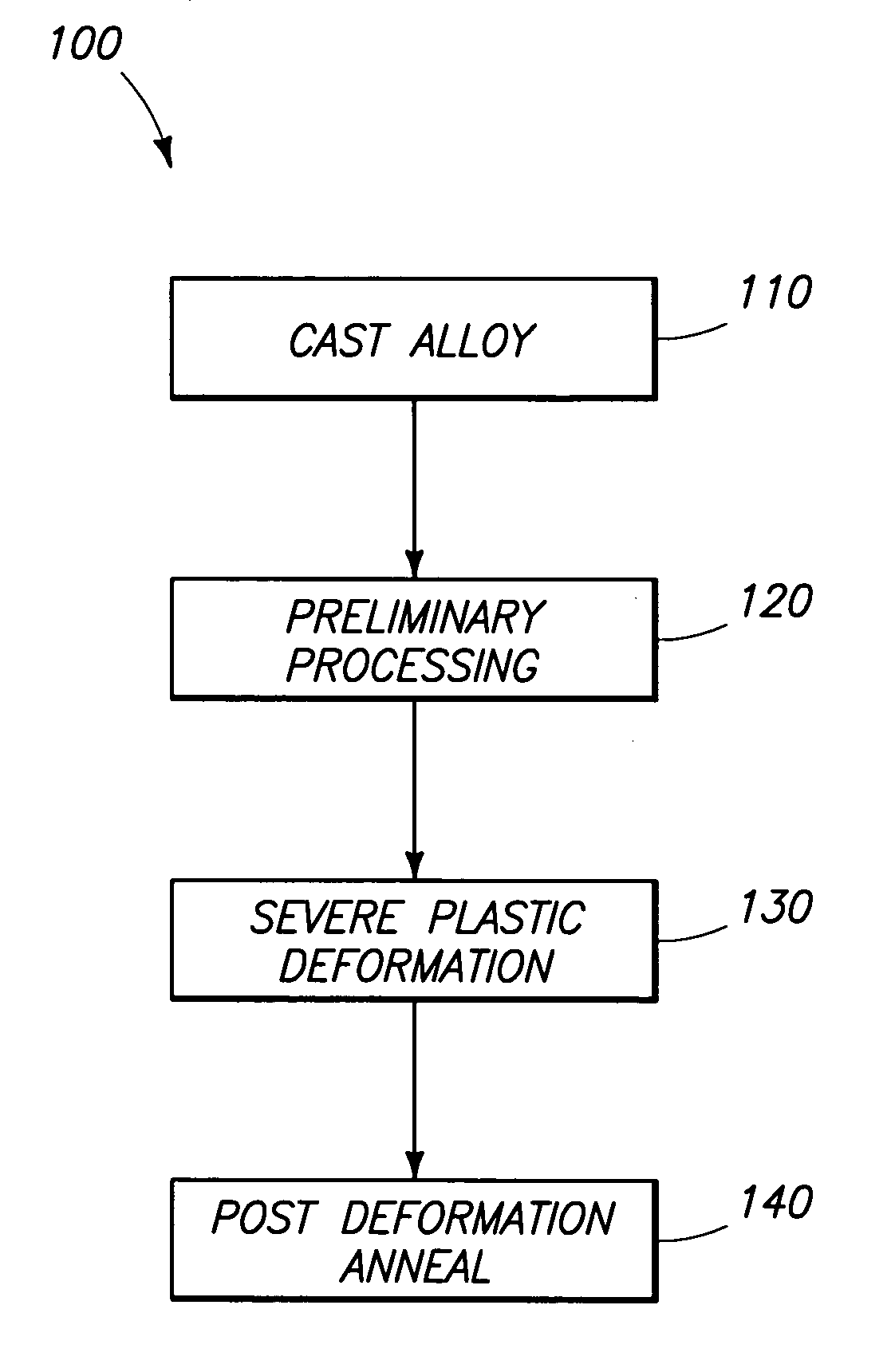
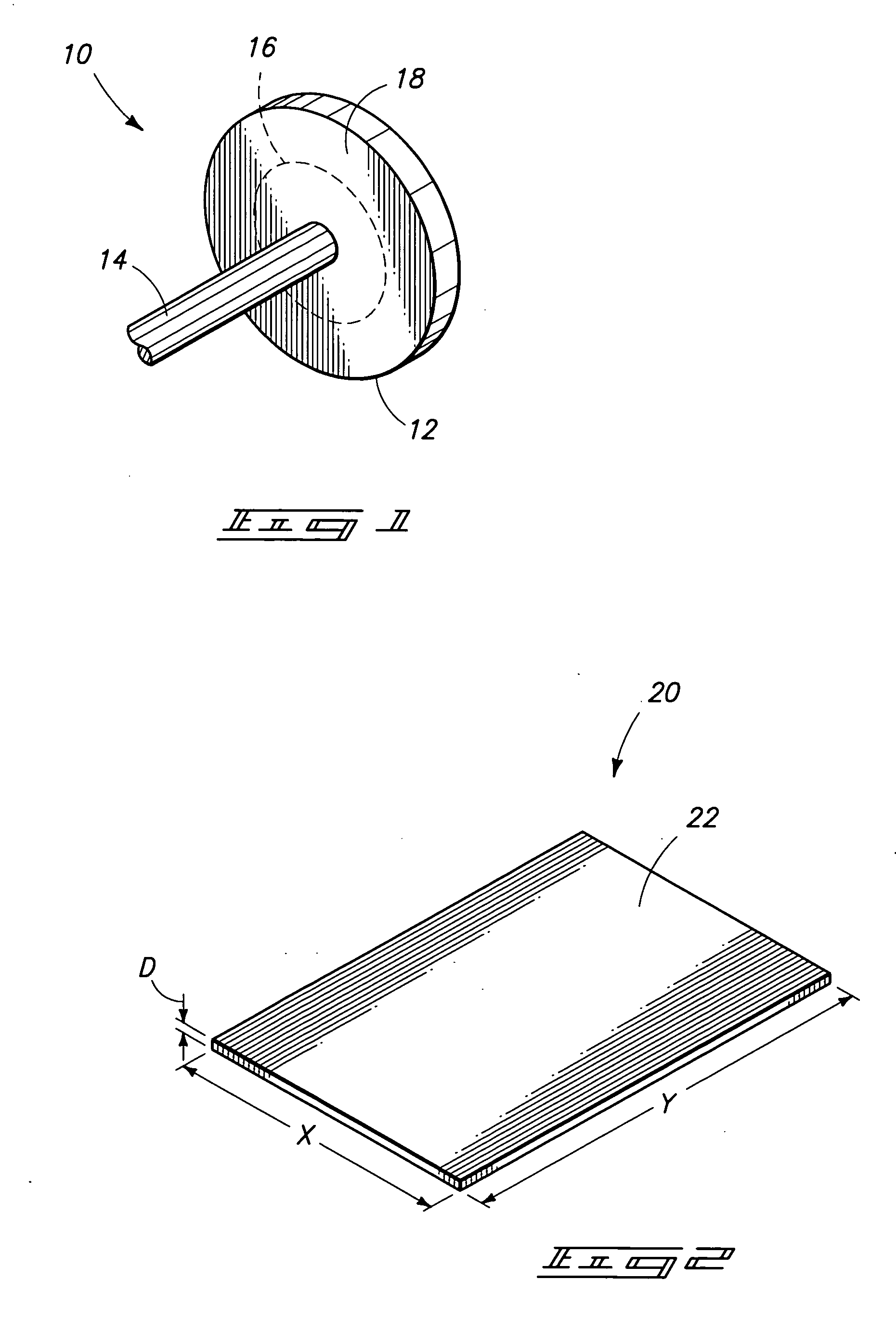
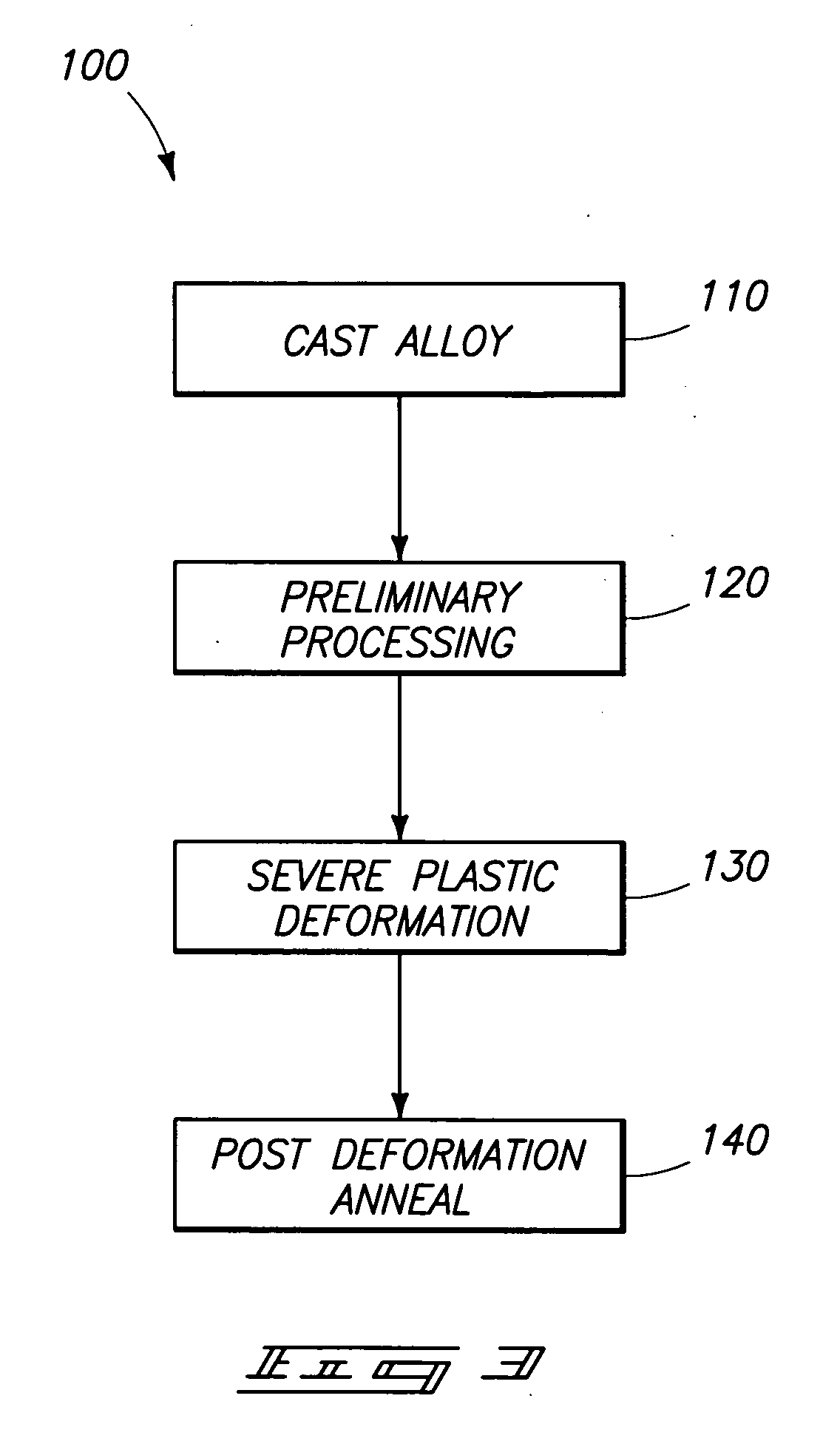
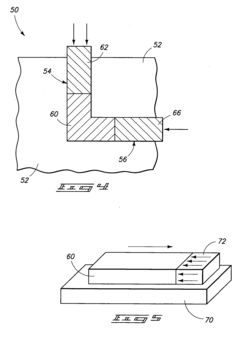
- The use of equal channel angular extrusion (ECAE) in combination with heat treatments and thermo-mechanical processing to refine grain size and control precipitate formation, resulting in high-strength lightweight materials with improved yield strength, hardness, and fatigue properties, while avoiding cast defects and non-uniform deformation.
Lightweight civil engineering and construction materials and methods of production thereof
PatentInactiveJP2022032512A
Innovation
- A method involving mixing foamed plastic grains with a concrete material using a water-soluble adhesive, followed by stirring and drying, to create a uniformly mixed state that enhances mechanical strength without the need for additional reinforcement materials like fibers or nets, and reduces adhesive usage.


Environmental Impact Assessment
The utilization of lightweight materials in LS engine construction has significant environmental implications. These materials, primarily aluminum alloys and composites, offer substantial weight reduction compared to traditional steel components. This weight reduction directly translates to improved fuel efficiency and reduced emissions over the engine's lifecycle.
The production processes for lightweight materials, however, often require more energy and resources than traditional materials. Aluminum production, for instance, is energy-intensive and can result in higher initial carbon emissions. Nevertheless, the long-term environmental benefits of using lightweight materials in engines generally outweigh the initial production costs.
Recycling and end-of-life considerations are crucial aspects of the environmental impact assessment. Aluminum and many composite materials used in LS engines are highly recyclable, which reduces the overall environmental footprint. The recyclability of these materials contributes to a more circular economy in the automotive industry, reducing the need for virgin material extraction and processing.
The use of lightweight materials also indirectly impacts the environment through improved vehicle performance. Reduced engine weight allows for better acceleration and handling, potentially leading to more efficient driving patterns and reduced fuel consumption in real-world conditions.
Durability and longevity of lightweight engine components are essential factors in their environmental impact. While some lightweight materials may have shorter lifespans than traditional materials, advancements in material science and engineering have significantly improved their durability. Longer-lasting components reduce the need for replacements and repairs, thereby decreasing the overall environmental impact of the engine over its lifetime.
The manufacturing processes for lightweight engine components often involve advanced technologies that can be more environmentally friendly than traditional methods. For example, 3D printing and advanced casting techniques can reduce material waste and energy consumption during production.
In terms of emissions, lightweight LS engines contribute to meeting increasingly stringent environmental regulations. The reduced weight allows for smaller, more efficient engines that can meet emission standards while maintaining performance. This is particularly important in the context of global efforts to reduce greenhouse gas emissions from the transportation sector.
The production processes for lightweight materials, however, often require more energy and resources than traditional materials. Aluminum production, for instance, is energy-intensive and can result in higher initial carbon emissions. Nevertheless, the long-term environmental benefits of using lightweight materials in engines generally outweigh the initial production costs.
Recycling and end-of-life considerations are crucial aspects of the environmental impact assessment. Aluminum and many composite materials used in LS engines are highly recyclable, which reduces the overall environmental footprint. The recyclability of these materials contributes to a more circular economy in the automotive industry, reducing the need for virgin material extraction and processing.
The use of lightweight materials also indirectly impacts the environment through improved vehicle performance. Reduced engine weight allows for better acceleration and handling, potentially leading to more efficient driving patterns and reduced fuel consumption in real-world conditions.
Durability and longevity of lightweight engine components are essential factors in their environmental impact. While some lightweight materials may have shorter lifespans than traditional materials, advancements in material science and engineering have significantly improved their durability. Longer-lasting components reduce the need for replacements and repairs, thereby decreasing the overall environmental impact of the engine over its lifetime.
The manufacturing processes for lightweight engine components often involve advanced technologies that can be more environmentally friendly than traditional methods. For example, 3D printing and advanced casting techniques can reduce material waste and energy consumption during production.
In terms of emissions, lightweight LS engines contribute to meeting increasingly stringent environmental regulations. The reduced weight allows for smaller, more efficient engines that can meet emission standards while maintaining performance. This is particularly important in the context of global efforts to reduce greenhouse gas emissions from the transportation sector.
Cost-Benefit Analysis
The implementation of lightweight materials in LS engine construction presents a complex cost-benefit scenario that requires careful analysis. Initially, the use of advanced materials such as aluminum alloys, carbon fiber composites, and high-strength steels incurs higher upfront costs compared to traditional materials. These increased material expenses can significantly impact the overall production costs of LS engines.
However, the long-term benefits of lightweight materials often outweigh the initial investment. Reduced engine weight leads to improved fuel efficiency, which translates to substantial cost savings for end-users over the lifespan of the vehicle. This enhanced fuel economy not only reduces operating costs but also contributes to meeting increasingly stringent emissions regulations, potentially avoiding costly penalties for manufacturers.
The durability and longevity of lightweight materials can also result in reduced maintenance costs and extended engine life. While the initial purchase price of engines utilizing these materials may be higher, the total cost of ownership over time can be lower due to improved reliability and reduced wear and tear. This factor is particularly significant for commercial and industrial applications where engine uptime and longevity are critical.
From a manufacturing perspective, the adoption of lightweight materials may necessitate initial investments in new tooling, equipment, and processes. However, these investments can lead to long-term cost reductions through improved production efficiency and reduced material waste. Additionally, the ability to produce lighter engines can result in secondary weight savings in other vehicle components, further enhancing overall vehicle performance and efficiency.
The market value of vehicles equipped with lightweight LS engines should also be considered. Consumers increasingly prioritize fuel efficiency and environmental performance, potentially leading to higher demand and better resale values for vehicles featuring these advanced engines. This market advantage can offset some of the higher production costs and contribute to the overall profitability of the product line.
In conclusion, while the initial costs of implementing lightweight materials in LS engine construction are higher, the long-term benefits in terms of fuel efficiency, durability, and market competitiveness present a compelling case for their adoption. A comprehensive cost-benefit analysis must consider not only immediate production expenses but also lifecycle costs, regulatory compliance, and market positioning to fully appreciate the value proposition of lightweight materials in engine design.
However, the long-term benefits of lightweight materials often outweigh the initial investment. Reduced engine weight leads to improved fuel efficiency, which translates to substantial cost savings for end-users over the lifespan of the vehicle. This enhanced fuel economy not only reduces operating costs but also contributes to meeting increasingly stringent emissions regulations, potentially avoiding costly penalties for manufacturers.
The durability and longevity of lightweight materials can also result in reduced maintenance costs and extended engine life. While the initial purchase price of engines utilizing these materials may be higher, the total cost of ownership over time can be lower due to improved reliability and reduced wear and tear. This factor is particularly significant for commercial and industrial applications where engine uptime and longevity are critical.
From a manufacturing perspective, the adoption of lightweight materials may necessitate initial investments in new tooling, equipment, and processes. However, these investments can lead to long-term cost reductions through improved production efficiency and reduced material waste. Additionally, the ability to produce lighter engines can result in secondary weight savings in other vehicle components, further enhancing overall vehicle performance and efficiency.
The market value of vehicles equipped with lightweight LS engines should also be considered. Consumers increasingly prioritize fuel efficiency and environmental performance, potentially leading to higher demand and better resale values for vehicles featuring these advanced engines. This market advantage can offset some of the higher production costs and contribute to the overall profitability of the product line.
In conclusion, while the initial costs of implementing lightweight materials in LS engine construction are higher, the long-term benefits in terms of fuel efficiency, durability, and market competitiveness present a compelling case for their adoption. A comprehensive cost-benefit analysis must consider not only immediate production expenses but also lifecycle costs, regulatory compliance, and market positioning to fully appreciate the value proposition of lightweight materials in engine design.
Unlock deeper insights with PatSnap Eureka Quick Research — get a full tech report to explore trends and direct your research. Try now!
Generate Your Research Report Instantly with AI Agent
Supercharge your innovation with PatSnap Eureka AI Agent Platform!