
A method for constructing hafft1 cells
一种构建方法、细胞的技术,应用在生物领域,能够解决没有考虑T细胞自我防护技术等问题,达到杀伤能力不受限制、杀伤效率高、安全性高的效果
Patent Information
- Authority / Receiving Office
- CN · China
- Patent Type
- Patents(China)
- Current Assignee / Owner
- Publication Date
- 2021-06-18
Smart Images
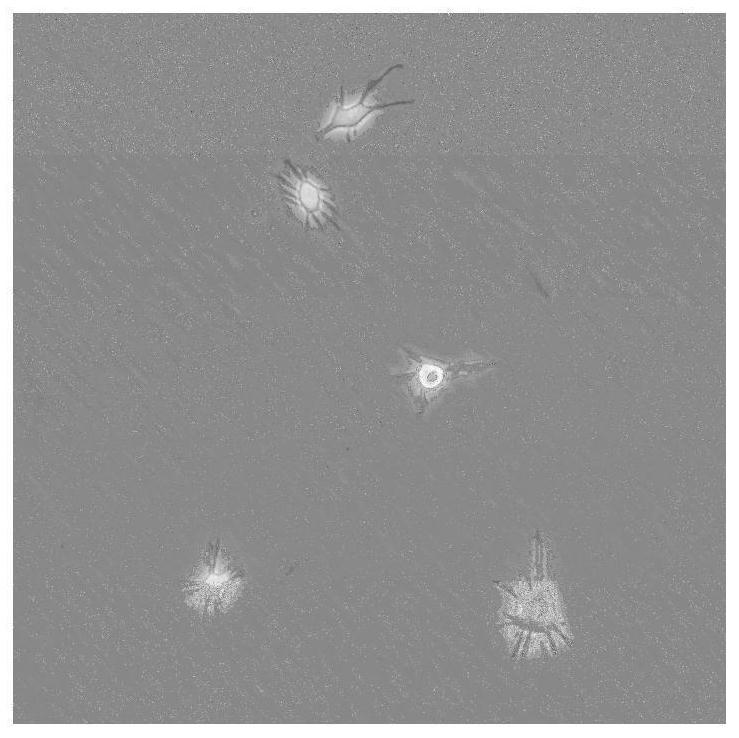
Figure 1 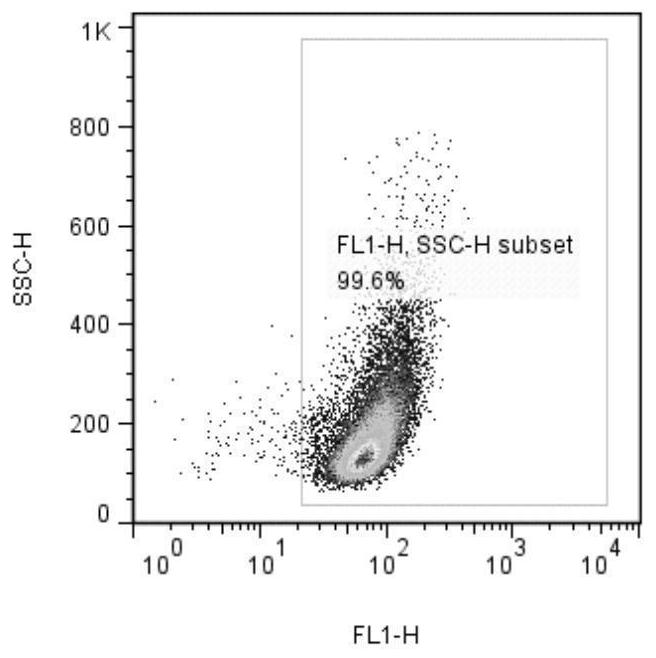
Figure 2 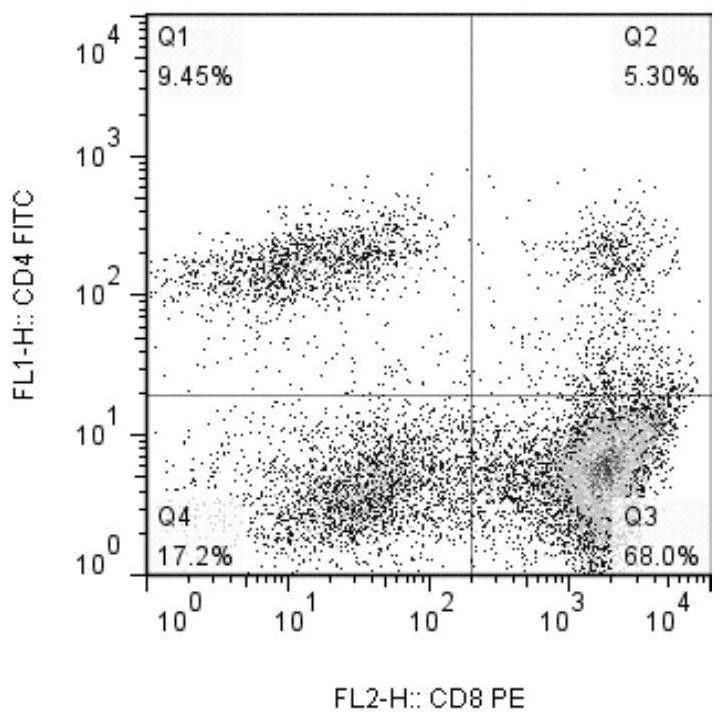
Figure 3
Abstract
Description
Technical field:
[0001] The invention belongs to the field of biotechnology, and in particular relates to a method for constructing HAFFT1 cells. Background technique:
[0002] At present, in terms of tumor-specific immunotherapy, the existing LAK, DC, CIK, and DC-CIK cells and methods have basically been proved to be ineffective, while NK, CAR-NK, TIL and other cell technologies have yet to mature. CAR- T cells also have shortcomings in safety and solid tumor therapy.
[0003] In the prior art, DCs are generally modified to present T cells to produce specific killing. Some laboratories are trying to use viruses as vectors to transfect and present T cells to induce specific killing of T cells. We have also used mutant hybrid peptides to directly stimulate PBMCs to induce T cells. There are also laboratories using TCR-T technology to target the presentation of MAGE A3 antigen.
[0004] The above treatment methods are immature, especially the in vitro induction of DC cells...
Examples
Embodiment 1
[0054] This example will take lung cancer patients as an example to provide targeted HAFFT1 cells and their preparation methods:
[0055] 1. Whole Exome Sequencing
[0056] 1) Take peripheral blood from lung cancer patients for ctDNA sequencing and HLA typing;
[0057] 2) Use software to analyze the sequencing information: compare the ctDNA sequencing results with the genome of normal cells, and screen out the mutation sites;
[0058] 2. Epitope prediction
[0059] 1) Take the mutated amino acid site as the center, extend 8 amino acids to both sides, and use this 17-amino acid polypeptide as a "potential antigenic epitope";
[0060] 2) Use prediction software to analyze the IC50 of the potential antigenic epitope (recommended software: NetMHCpan 3.0, PickPocket, artificial neural networks (ANN)), if IC50<1000nM, the potential antigenic epitope is considered as "antigenic epitope";
[0061] 3. Synthetic peptides
[0062] Entrust a technical service company to synthesize a m...