

Laminated touch screen
a touch screen and resistive technology, applied in the field of resistive touch screen technology, can solve the problems of false touch sense, and achieve the effects of resistive touchscreen technology, easy to vandalize, and strong resistance to scratching, cutting and burning
Patent Information
- Authority / Receiving Office
- US · United States
- Patent Type
- Patents(United States)
- Current Assignee / Owner
- Publication Date
- 2008-03-18
Smart Images
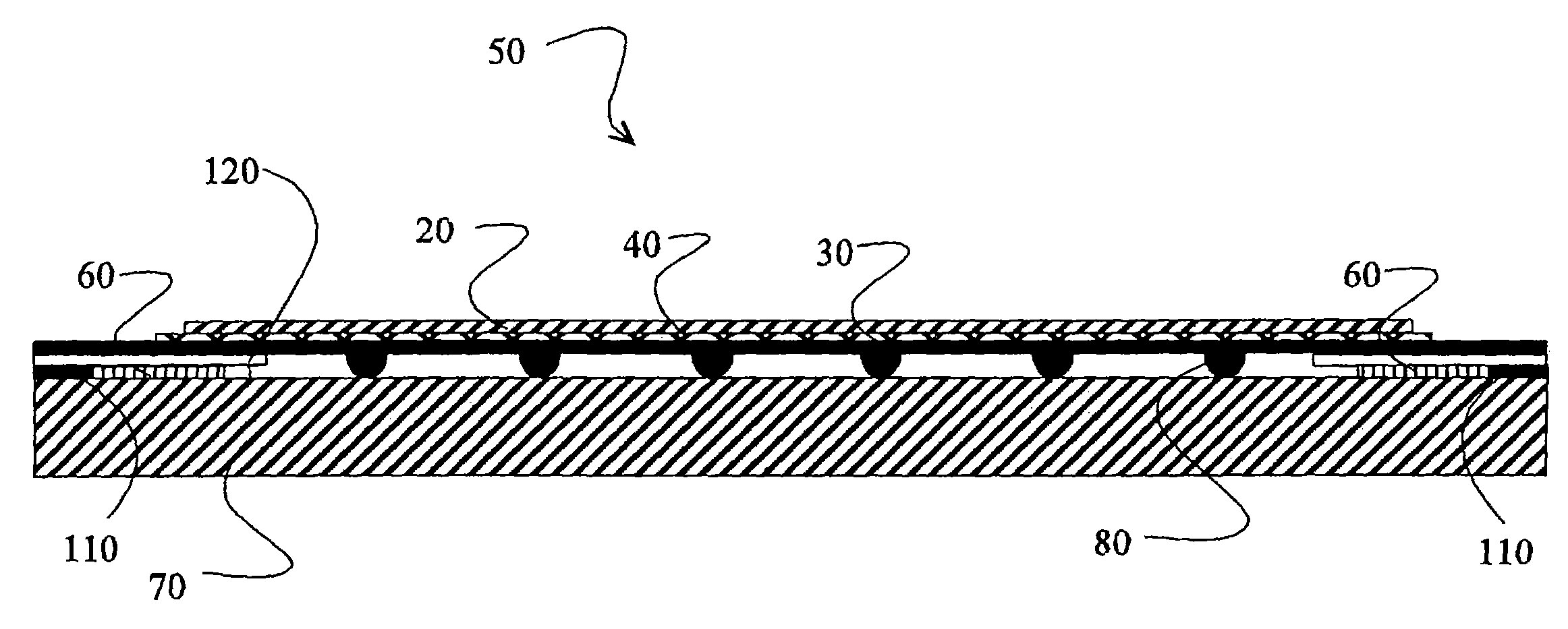
Figure 1 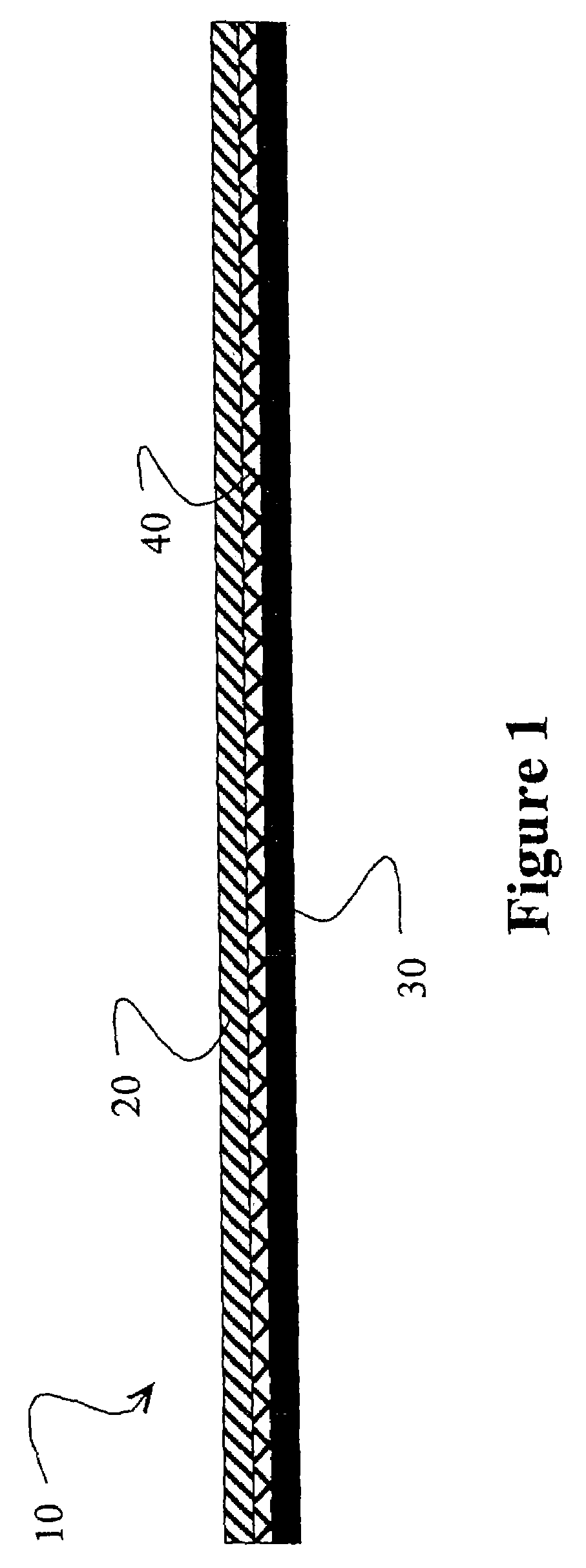
Figure 2 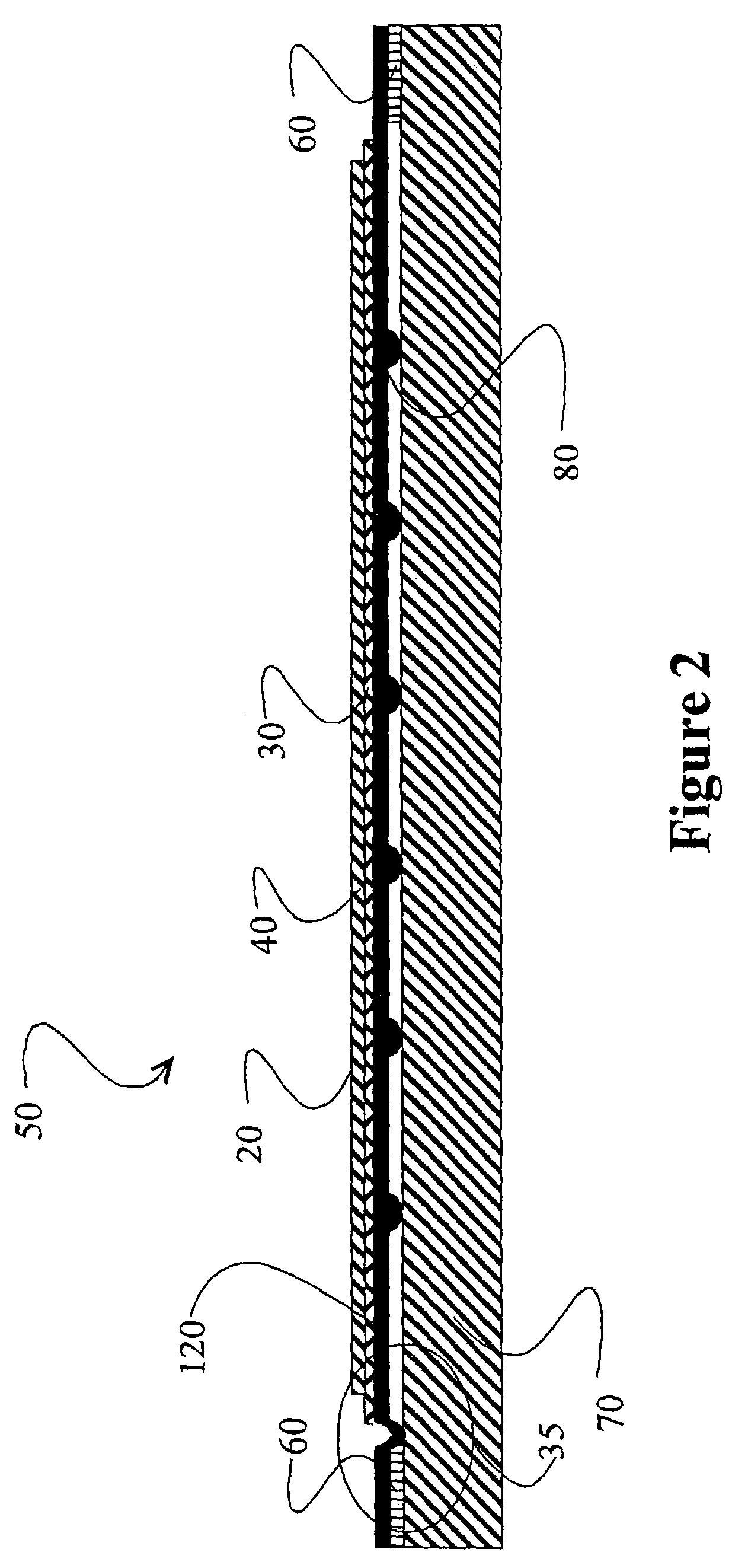
Figure 3
Abstract
Description
FIELD OF THE INVENTION
[0001] The present invention relates to touch screen technology, and more particularly to resistive touch screen technology.BACKGROUND TO THE INVENTION
[0002] Of various interfaces available for interacting with a computer system one of the easiest to use and understand is the touch screen. This technology allows a user to simply touch an icon or picture to navigate through the system, display the information the user is seeking, and to enter data. For this reason this technology is widely used in many areas, including bank machines, information kiosks, restaurants, cars, etc.
[0003] A number of different methodologies are used to implement touch screen technology, and each has advantages and disadvantages. The three main types of technology used are resistive, capacitive and surface acoustic wave.
[0004] Resistive technology uses a flexible membrane that is affixed over a display. The membrane and display each have a conductive layer, and typically the membrane is en...
Examples
Embodiment Construction
[0029]As discussed above, resistive touch screen technology would be the preferred technology for numerous applications, especially those in which the public needed to use touch screens. The robustness of this technology allows it to function regardless of dirt, dust, or electromagnetic signals. The screen can be touched by a bare hand, gloved hand, or stylus and still function. However, the main problem that needs to be overcome is the vulnerability of the soft upper touchscreen layer.
[0030]It has been found by the inventor that a thin glass layer possesses enough flexibility to allow it to be used for touch screen applications. Glass useful for this purpose includes Schott Borofloat D263™ or Corning 0211™ and is generally about 0.5 mm thick although greater or lesser thicknesses are possible as long as the glass behaves like a film. Further, by having an outer glass layer, the problems of a soft polymer outer layer are overcome. Glass is much harder, and thus not susceptible to be...