
Yam rail-cultivating method
A cultivation method and track technology, applied in the field of pollution-free and high-efficiency cultivation of yam, can solve the problems of reducing labor intensity, reducing workload, and large one-time investment, and achieve the effects of reducing labor intensity, reducing workload, and increasing yield
Patent Information
- Authority / Receiving Office
- CN · China
- Patent Type
- Patents(China)
- Current Assignee / Owner
- Publication Date
- 2010-08-11
- Estimated Expiration
- Not applicable · inactive patent
Smart Images
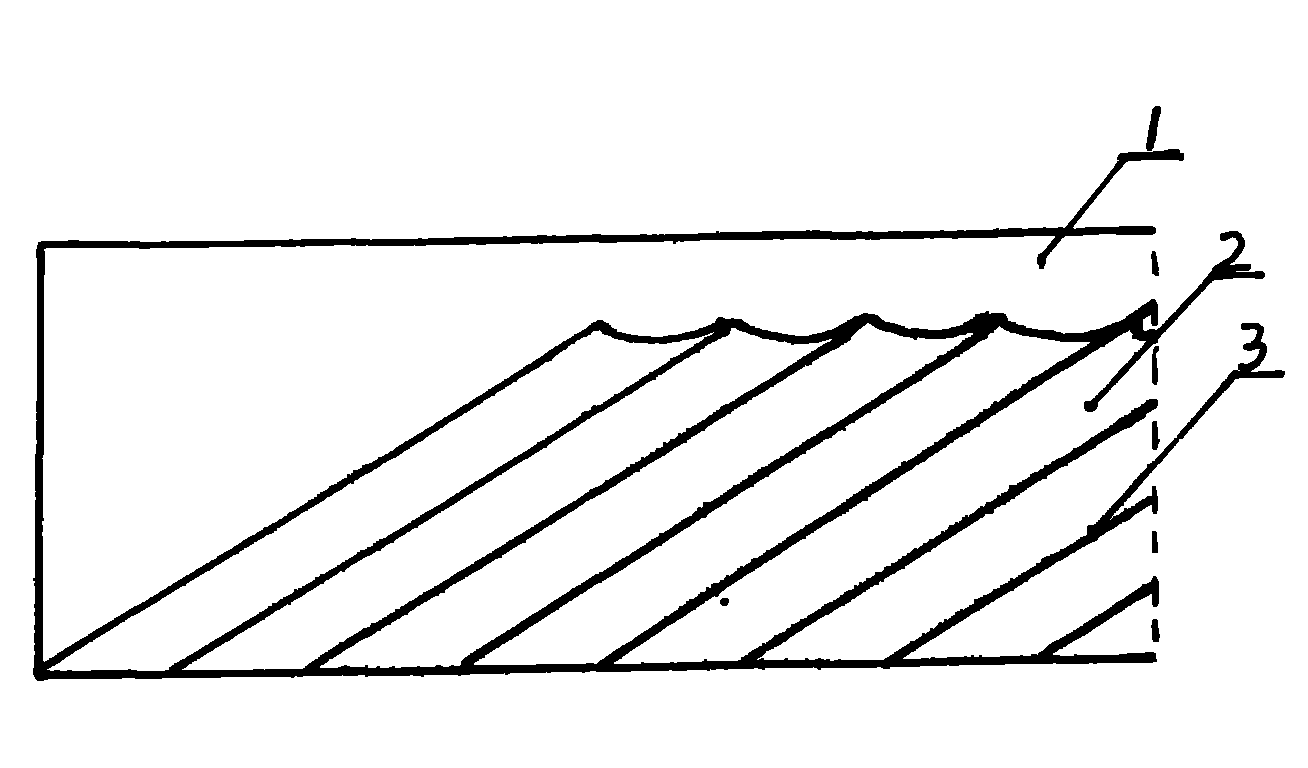
Figure 1 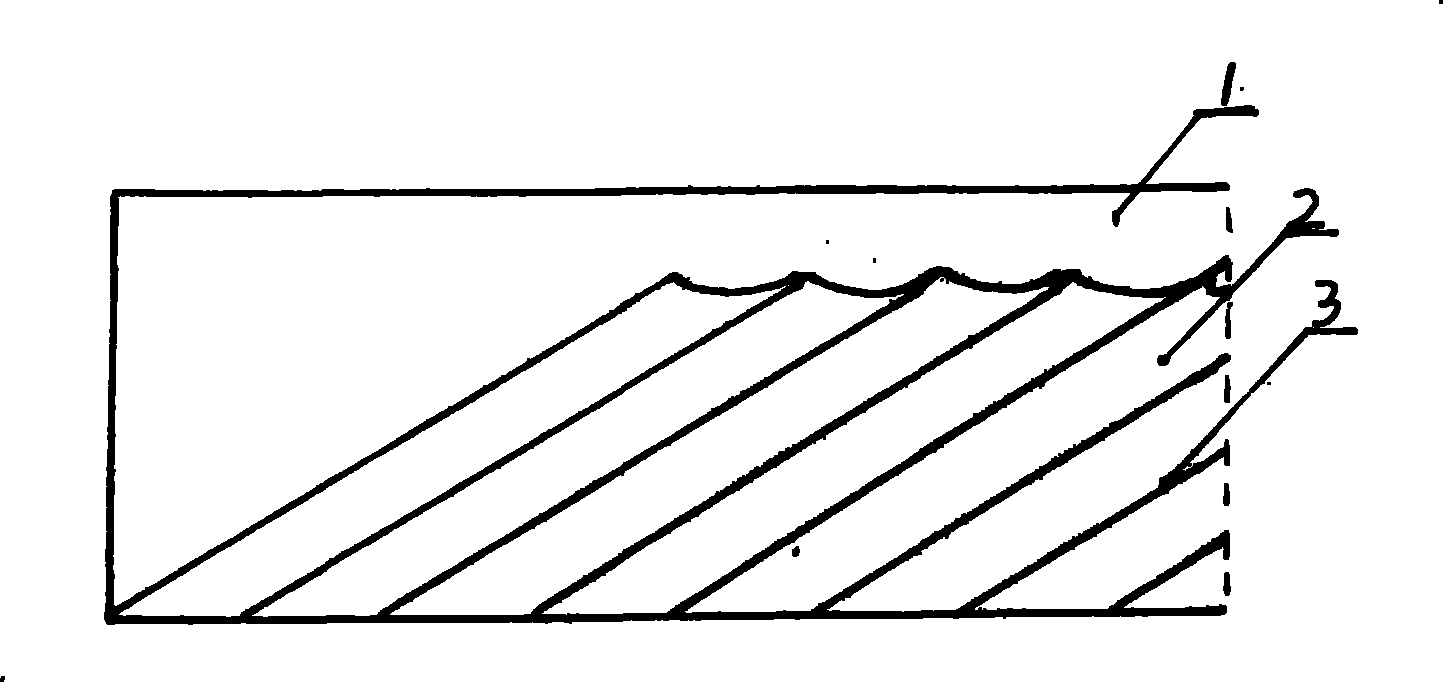
Figure 2 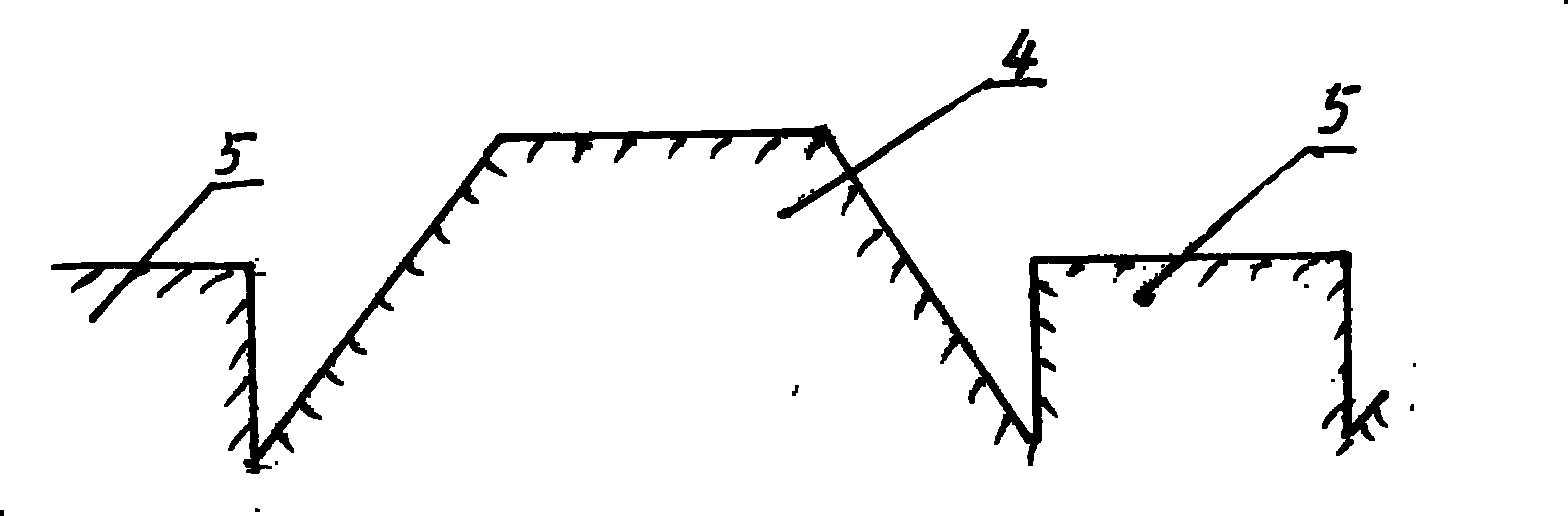
Figure 3
Abstract
Description
1. Technical field:
[0001] The invention relates to a pollution-free and high-efficiency cultivation technology of Chinese yam. 2. Background technology
[0002] Yam naturally grows about one meter underground. When planting, it is necessary to dig a 1-meter-deep soil layer. When harvesting, it is necessary to dig another 1-meter-deep soil layer and backfill it. The labor intensity is extremely heavy. Reducing the amount of labor and reducing labor intensity has always been a difficult problem for the majority of pharmaceutical farmers and scientific researchers. Although the technologies such as casing cultivation, hole cultivation, cellar cultivation and shallow pond hard bottom cultivation that have been promoted in recent years have reduced the workload and labor intensity to varying degrees, they still have their own insurmountable shortcomings. 1. The main disadvantages of casing cultivation are: large one-time investment, 26,000 yuan per mu of casing, difficulty in r...
Examples
Embodiment Construction
[0008] First of all, it is necessary to determine the variety of cultivated yam, understand the length and diameter of the tubers, and the appropriate spacing between plants and rows.
[0009] 1. The fabric used to make the track should be non-toxic, tough, corrosion-resistant, impermeable, small in elasticity, and low in price. One section is made of laminated polypropylene woven fabric, as shown in attached drawing 1: use two pieces of fabric, wide and narrow, The width of the wide cloth (1) is 20-100 cm, the material of the wide cloth (1) is on the bottom, the material of the narrow cloth (2) is on the top, the two sides are aligned and overlapped, and the width of the wide cloth (1) is about 5-15 cm wider than the narrow cloth (2). cm, and then sew a number of sewing lines (3) obliquely in parallel, the angle between the sewing lines (3) and the bottom edge of the fabric is between 20°-45°, and the distance between each sewing line (3) is about 10-25 cm. Narrow cloth is d...