
Metal complexes of quinolinone derivatives and their synthesis methods and applications
A technology of metal complexes and synthesis methods, which is applied in the field of medicine and can solve problems such as the synthesis and application of metal complexes that have not yet been seen.
Patent Information
- Authority / Receiving Office
- CN · China
- Patent Type
- Patents(China)
- Current Assignee / Owner
- Publication Date
- 2017-02-08
- Estimated Expiration
- Not applicable · inactive patent
Smart Images
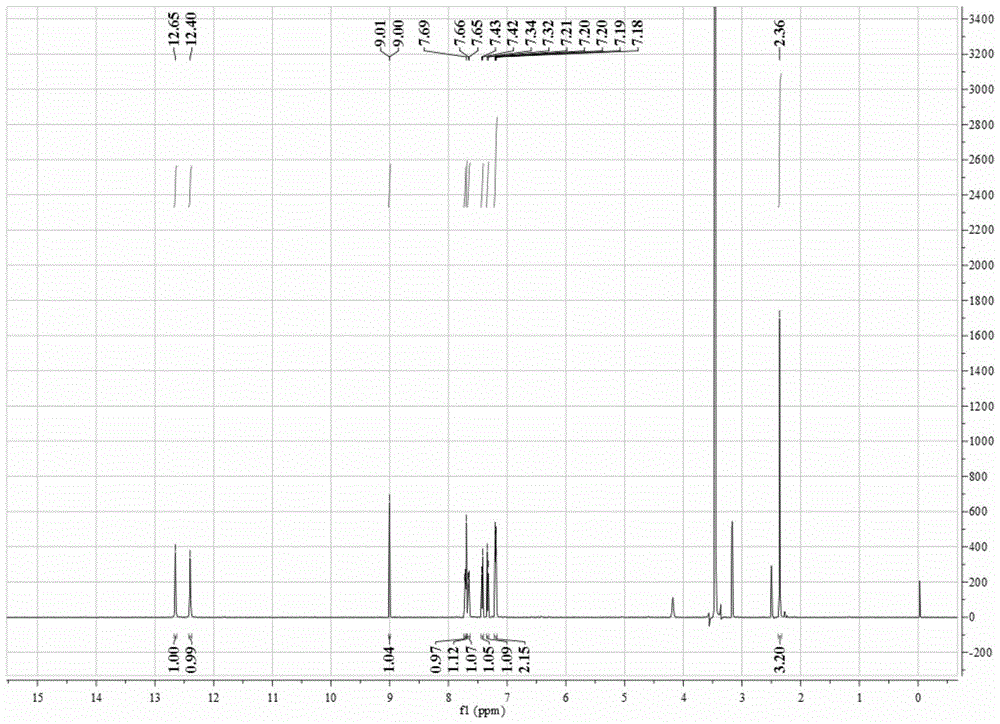
Figure 1 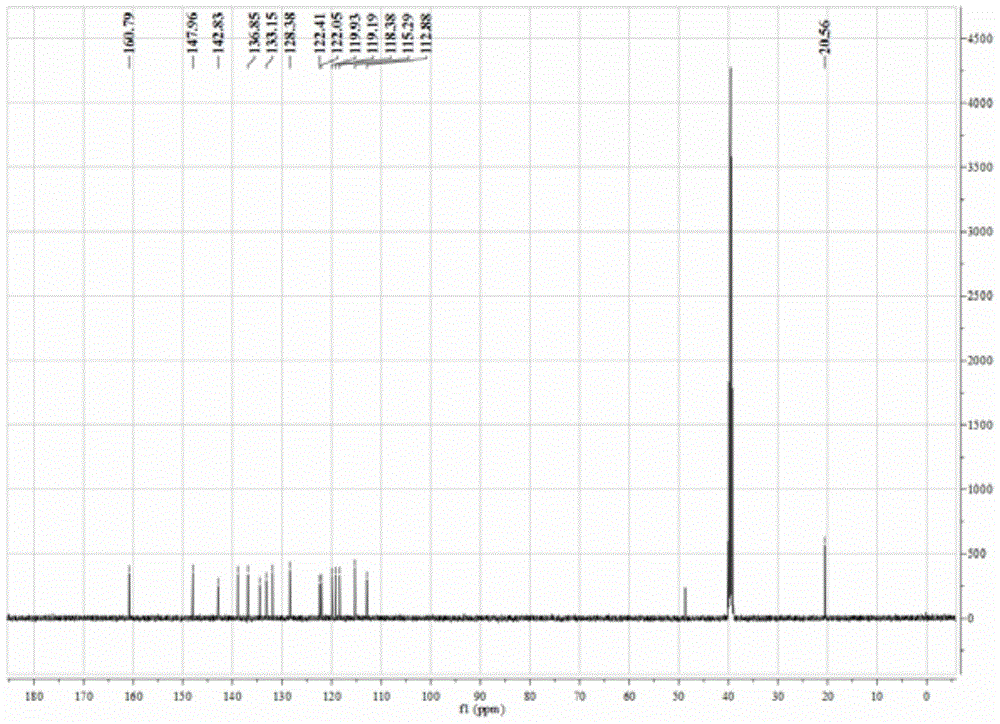
Figure 2 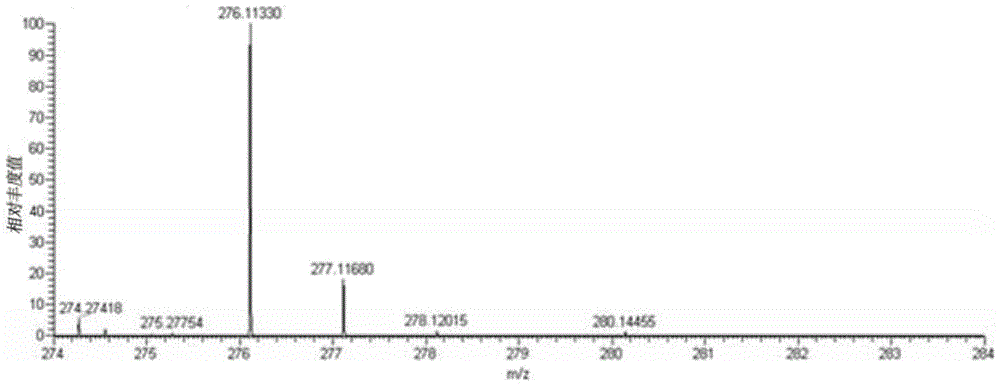
Figure 3
Abstract
Description
technical field
[0001] The invention relates to the technical field of medicine, in particular to metal complexes of quinolinone derivatives and their synthesis methods and applications. Background technique
[0002] The 2(1H)-quinolinone structure is an alkaloid that exists widely in natural products like quinoline. Compounds containing the 2(1H)-quinolinone structure have various biological activities. Different substituents can produce broad-spectrum pharmacological activities such as anti-tumor, anti-oxidation, and anti-inflammation. Seeking drug lead compounds with excellent activity and low toxicity is an important method for the development of new anti-tumor drugs. Because 2(1H)-quinolinone has the characteristics of good activity, easy structure modification and low toxicity, it is widely used Applied in the design and screening of anticancer drugs. Some compounds with 2(1H)-quinolinone skeletons have entered the clinic as anti-tumor drugs, for example: Dovitinib i...
Examples
Embodiment 1
[0071] Embodiment 1: Synthesis of Co complexes with high-pressure solvothermal method
[0072] Add 0.1mmol Co(NO 3 ) 2 ·6H 2 O and 0.1 mmol BMQ, and then add 0.75 ml methanol / chloroform mixed solution (the volume ratio of methanol and chloroform is 2:1). Under vacuum conditions, the open end was melted and sealed, and then fully reacted at 80° C. for 72 hours to obtain a red crystalline solid product. The product was subjected to infrared spectroscopy (e.g. Figure 4 shown), elemental analysis, electrospray mass spectrometry (such as Figure 5 shown) combined with X-ray single crystal diffraction analysis (such as Figure 6 Shown) for structure determination, identified as the target complex [Co(BMQ)(NO 3)(CH 3 OH)(H 2 O)] NO 3 . The structural formula is as follows:
[0073]
Embodiment 2
[0074] Embodiment 2: Synthesis of Rh complexes with high-pressure solvothermal method
[0075] In a thick-walled borosilicate glass tube open at one end, directly add 0.1 mmol RhCl 3 ·3H 2 O and 0.1 mmol BMQ, and then add 0.6 ml methanol / DMF mixed solution (the volume ratio of methanol and DMF is 3:1). Under the condition of vacuuming, the open end was melted and sealed, and then fully reacted at 50° C. for 24 hours to obtain a red crystalline solid product. The product was subjected to infrared spectroscopy (e.g. Figure 7 shown), high-resolution mass spectrometry (such as Figure 8 shown), NMR spectrum (such as Figure 9 shown) and carbon spectrum (as Figure 10 shown), combined with X-ray single crystal diffraction analysis (such as Figure 11 shown) for structure determination, determined to be the target complex [Rh(BMQ)Cl 3 (CH 3 OH)]·CH 3 Oh. The structural formula is as follows:
[0076]
Embodiment 3
[0077] Embodiment 3: Synthesis of Ir complex with high pressure solvothermal method
[0078] In a thick-walled borosilicate glass tube open at one end, directly add 0.1mmol IrCl 3 ·3H 2 O and 0.1mmol BMQ, and then add 0.6ml methanol-water mixed solution (the volume ratio of methanol and water is 3:1). Under the condition of vacuuming, the open end was melted and sealed, and then fully reacted at 100° C. for 50 hours to obtain a red crystalline solid product. The product was subjected to infrared spectroscopy (e.g. Figure 12 shown), high-resolution mass spectrometry (such as Figure 13 shown), NMR spectrum (such as Figure 14 shown) and carbon spectrum (as Figure 15 shown), combined with X-ray single crystal diffraction analysis (such as Figure 16 shown) for structure determination, determined to be the target complex [Ir(BMQ)Cl 3 (CH 3 OH)]·CH 3 Oh. The structural formula is as follows:
[0079]