
Inhalable siRNA against influenza virus infection and its application
A technology for influenza virus and influenza, applied in the direction of antiviral agents, DNA/RNA fragments, recombinant DNA technology, etc., can solve problems such as inability to meet influenza virus, avoid incompatibility problems, reduce use costs, and have high reliability Effect
Patent Information
- Authority / Receiving Office
- CN · China
- Patent Type
- Patents(China)
- Current Assignee / Owner
- Publication Date
- 2019-11-12
Smart Images
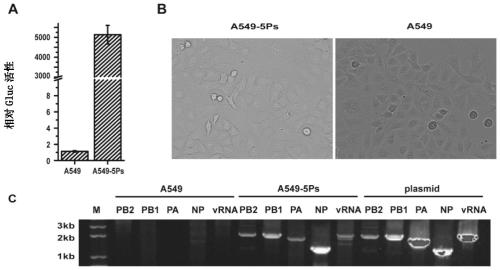
Figure 1 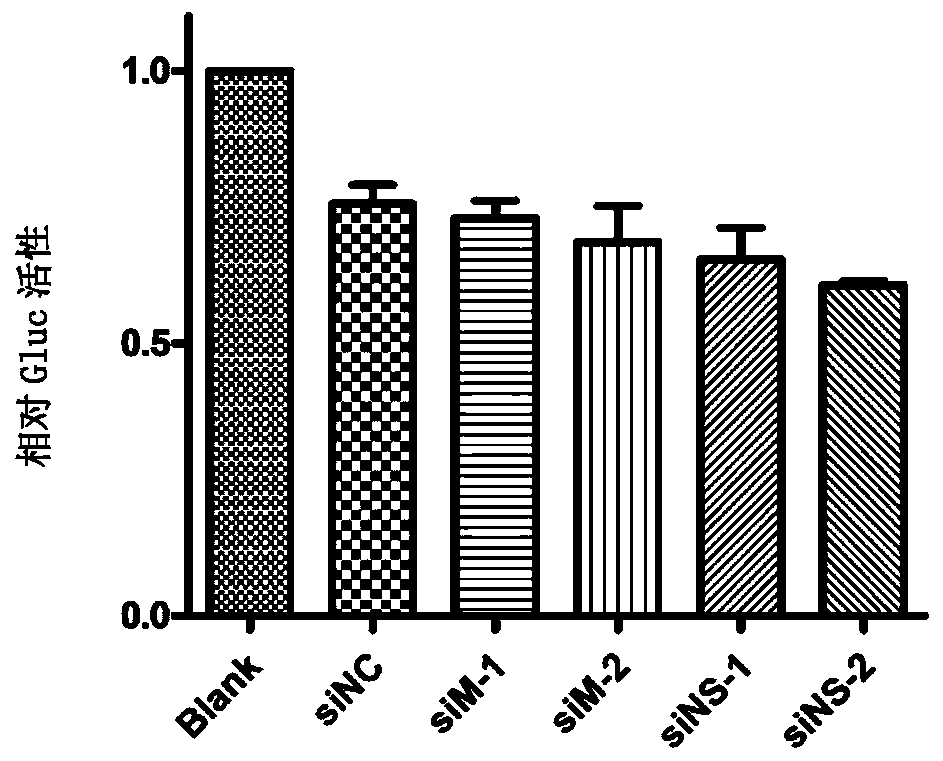
Figure 2 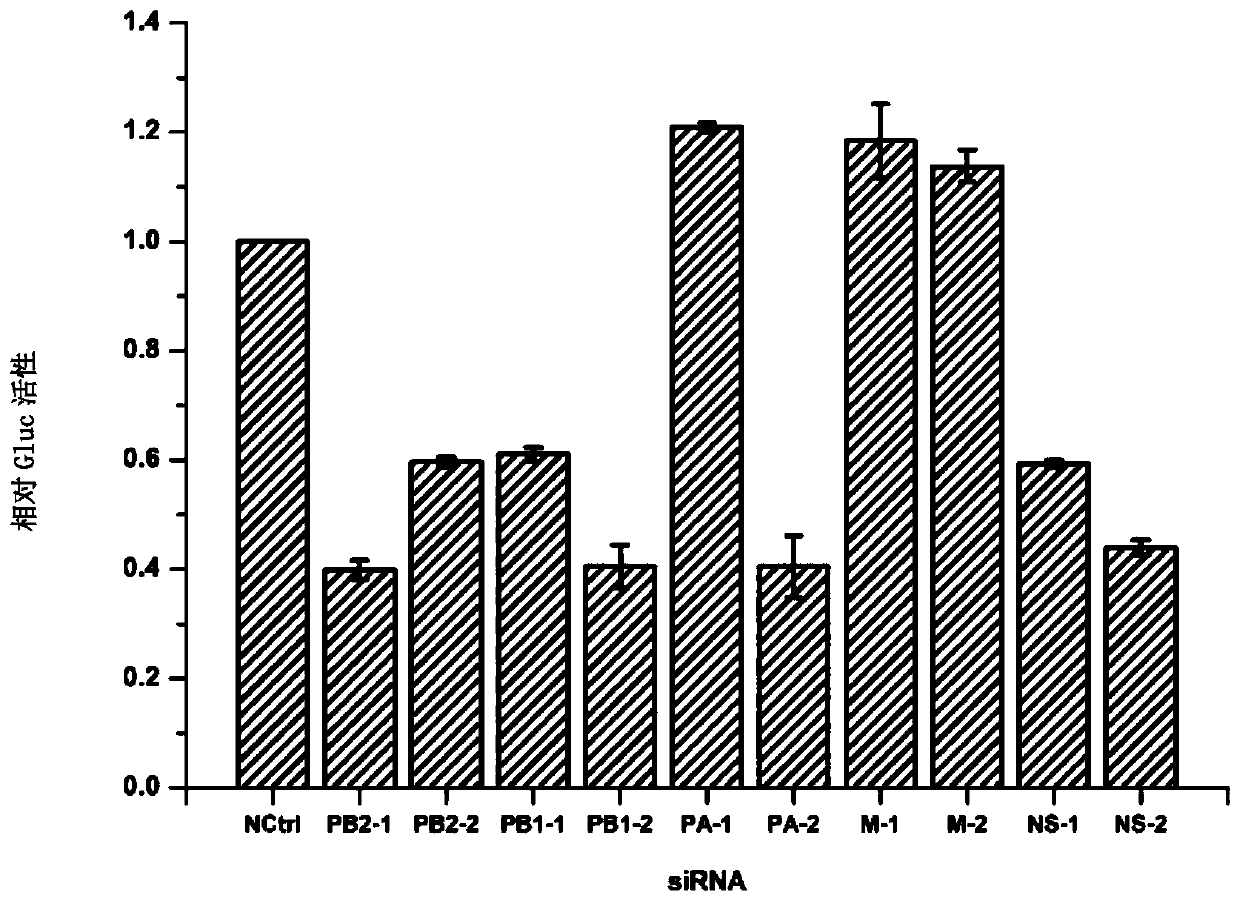
Figure 3
Abstract
Description
technical field
[0001] The invention relates to an anti-influenza virus infection siRNA capable of nebulization and inhalation in the field of medical biotechnology and application thereof. Background technique
[0002] Influenza virus is the most important pathogen that causes acute respiratory infectious diseases in humans. It is mainly transmitted through air droplets. It has the characteristics of fast transmission, high incidence and often serious complications. Influenza is prevalent every year in autumn and winter in temperate regions, causing quite high morbidity and mortality, and seriously threatening human health. It is estimated that around 250,000 to 500,000 people die from seasonal influenza each year worldwide. Since influenza virus can be transmitted directly or indirectly between different hosts, it is prone to genetic recombination to produce new subtypes, which may have disastrous consequences, such as several influenza outbreaks in human history, which k...
Examples
Embodiment 1
[0061] Embodiment 1, siRNA and its anti-influenza virus activity
[0062] 1 Materials and methods
[0063] 1.1 Materials
[0064] 1.1.1 siRNA
[0065]By comparing the gene sequences of influenza A virus strain A / WSN / 33, fragments that meet the design requirements of siRNA were extracted one by one from the beginning, and then BLAST was used to determine the homology of the fragments, and 10 siRNAs were selected for the next experiment. The sequence of one chain of each siRNA is shown in Table 1, and the sequence of the other chain is completely reverse complementary to the corresponding sequence listed in Table 1. Wherein, the nucleotide sequence from the 5' end to the 3' end of one chain of siPB2-1 is SEQ ID No.1 in the sequence listing, and the nucleotide sequence from the 3' end to the 5' end of the other chain of siPB2-1 The sequence is SEQ ID No.2 in the sequence listing; one chain sequence of siPB2-2 is SEQ ID No.3 in the sequence listing from the 5' end to the 3' end...