
High-yield mussel breeding method based on fresh water pearls
A high-yield technology for freshwater pearls, applied in fish farming, application, climate change adaptation, etc., can solve the problems of germplasm degradation of freshwater pearl mussels, smaller individuals of cultured species, poor disease resistance pearls, etc., to achieve enhanced pearl production Quality secretion ability, improve the roundness of pearls, improve the effect of fine germplasm
Patent Information
- Authority / Receiving Office
- CN · China
- Patent Type
- Applications(China)
- Current Assignee / Owner
- Publication Date
- 2019-09-27
- Estimated Expiration
- Not applicable · inactive patent
Smart Images
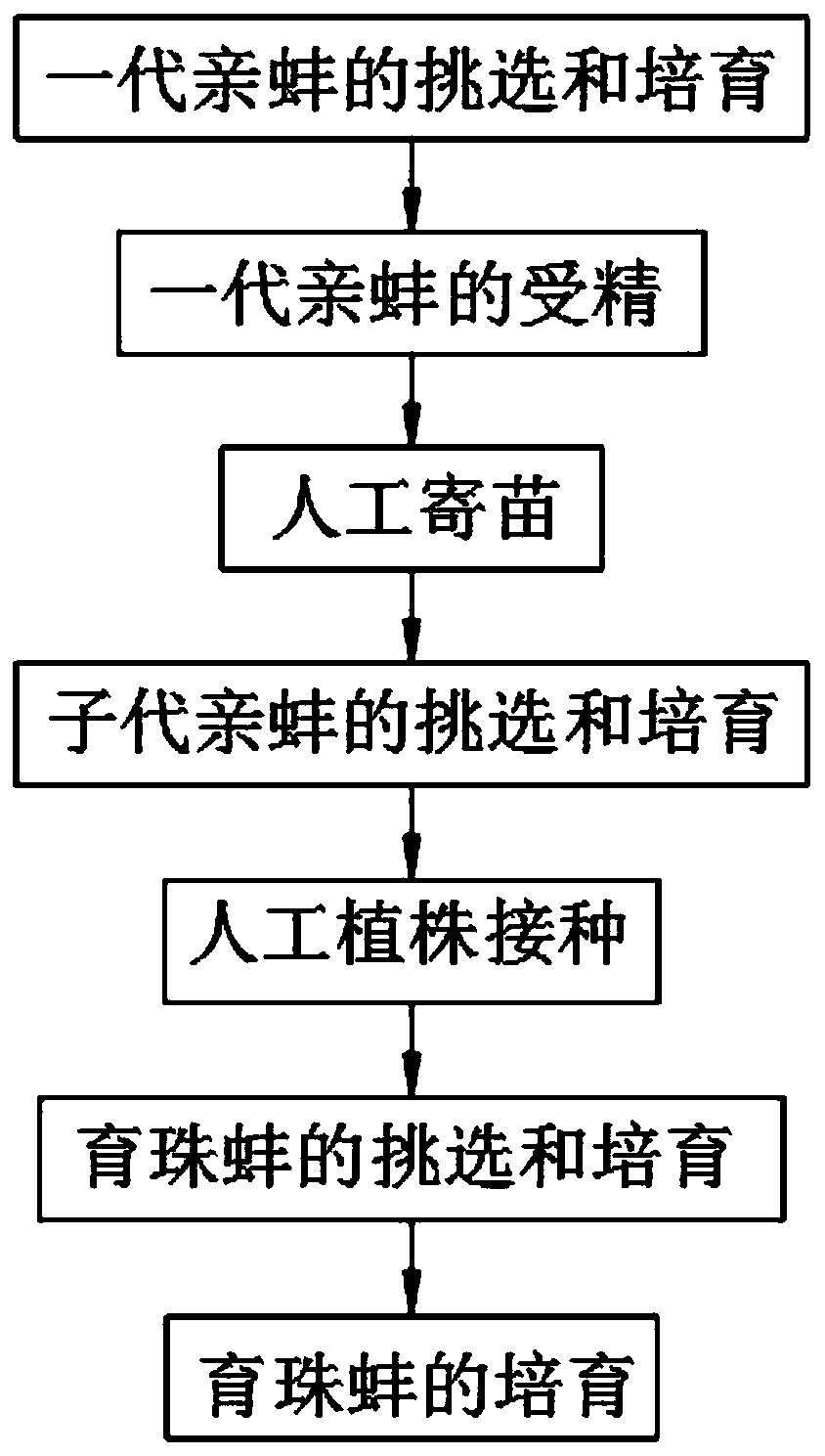
Figure 1 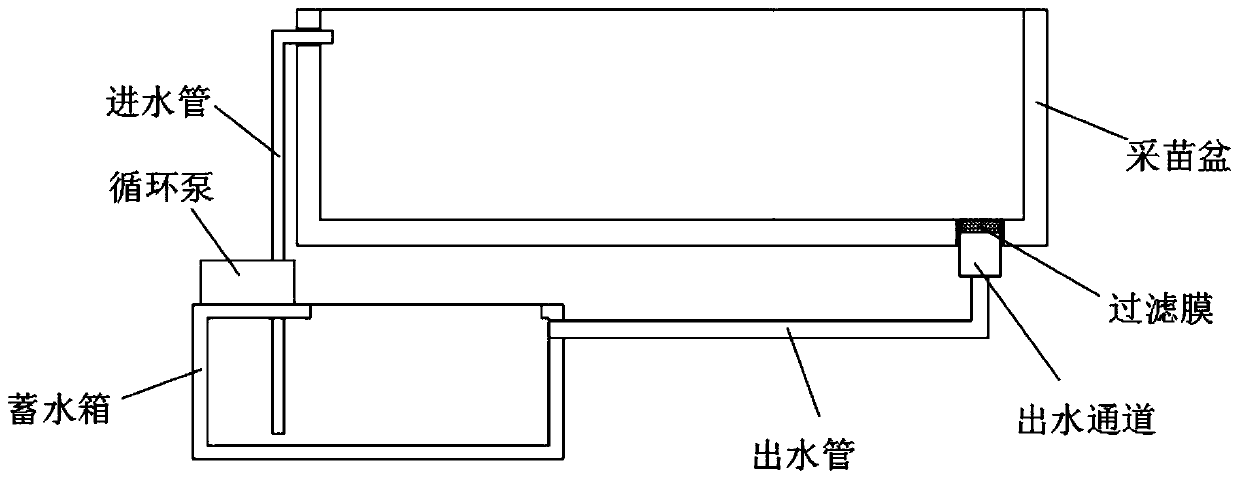
Figure 2
Abstract
Description
technical field
[0001] The invention relates to the field of clam species breeding, more specifically, to a high-yield mussel species breeding method based on freshwater pearls. Background technique
[0002] Pearls are an ancient organic gemstone that has grown in popularity in recent years. According to statistics, most of the freshwater pearls in the world are produced in China, and China has become the world's largest producer of freshwater pearls. A crystal formed by calcification of calcium and organic matrix in a certain proportion.
[0003] In the past two decades, the rapid development of freshwater pearl mussel culture and the substantial increase in culture output have largely been achieved by increasing investment and expanding the scale of culture in many places, but there is a lack of high-yield, high-quality, and strong resistance to stress. Excellent varieties are still obvious; the germplasm degradation of freshwater pearl mussels is relatively serious, and...
Examples
Embodiment 1
[0046] see figure 1 , a high-yield mussel species breeding method based on freshwater pearls, comprising the following steps:
[0047] Step 1, the selection and cultivation of the parent mussels of the first generation, select the male and female mussels with the best age and physique as the male and female parents, and there are more than 300 pairs of male and female parents, mark the shells of the selected male and female parents respectively, and mark the The male and female parents are separated and raised separately in a freshwater cultivation pool outside, and the male and female parents are separately suspended to effectively avoid the natural fertilization of the male and female parents before fertilization. The first generation of parent mussels is selected to be 5-8 years old, with excellent physical performance The mussel shell is light-colored, the shell is thick, the nacre is beautiful in color, the external gills are intact, and the shell closure is strong. The e...