
An integrated sensing node device and its working method
A technology for sensing nodes and nodes, applied in diversity/multi-antenna systems, space transmit diversity, network topology, etc., can solve the problem of not considering the working algorithm of node device device model, etc., to enhance anti-interference ability and ensure link stability. degree, the effect of reducing the degree of damage
Patent Information
- Authority / Receiving Office
- CN · China
- Patent Type
- Patents(China)
- Current Assignee / Owner
- Publication Date
- 2022-01-11
Smart Images
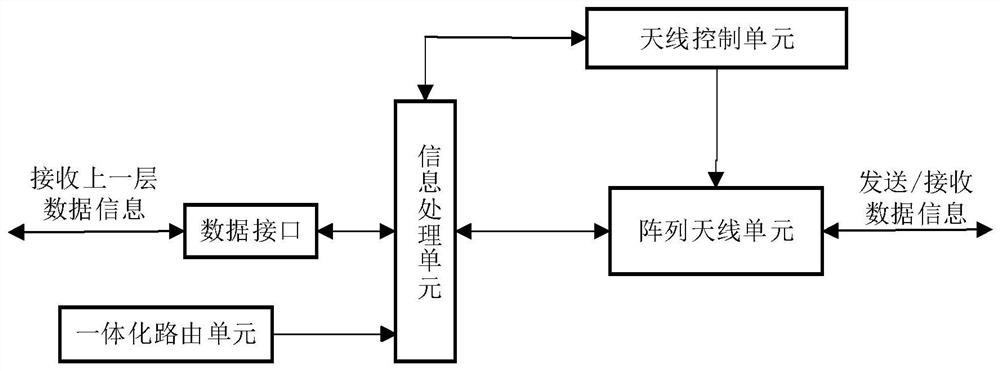
Figure 1 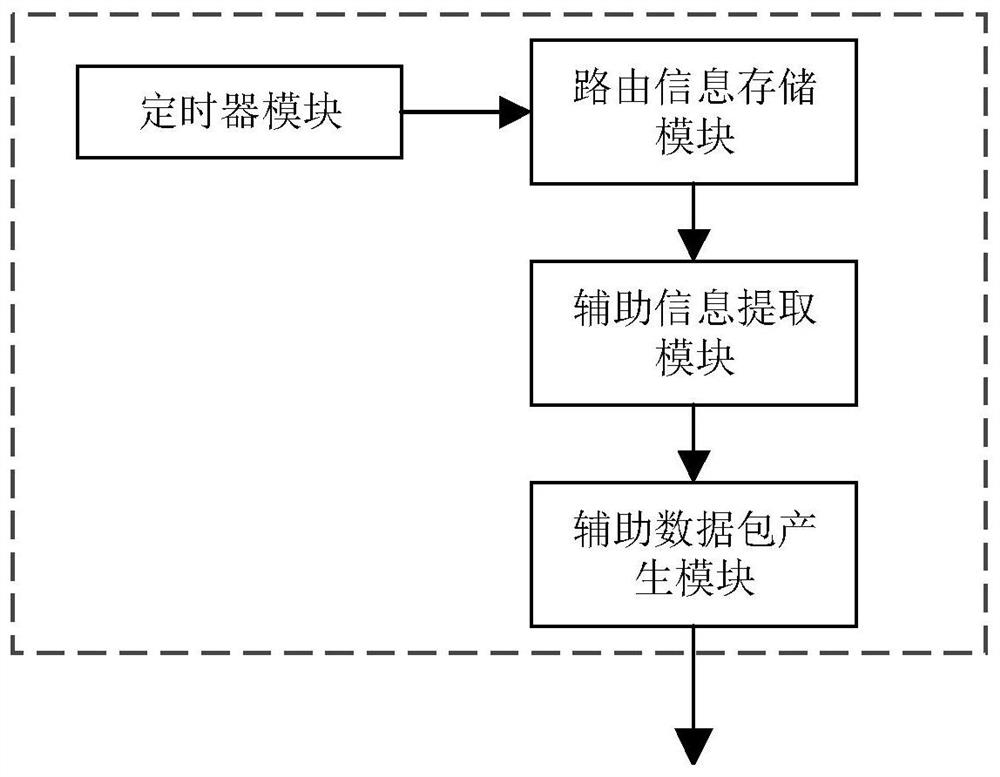
Figure 2 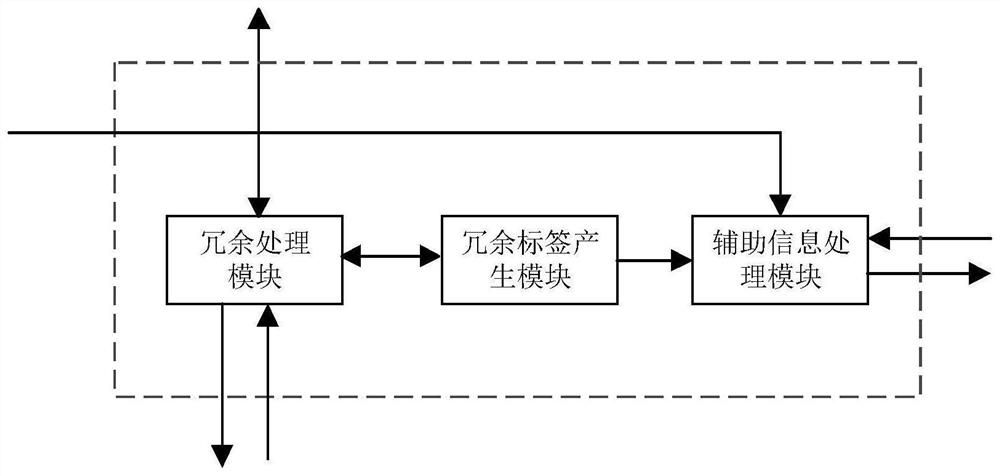
Figure 3
Abstract
Description
technical field
[0001] The invention belongs to the technical field of wireless ad hoc network communication, and in particular relates to a basic node device and a working method in a wireless Mesh network, in particular to an integrated sensing node device and a working method thereof, which can be used to implement wireless ad hoc network communication systems Improvement of multi-hop transmission performance. Background technique
[0002] The wireless Mesh network is developed from the wireless Ad-hoc network. The entire network does not depend on a dedicated infrastructure. Each node is mobile and can dynamically maintain contact with other nodes. Mesh networks are usually composed of Mesh routers and Mesh clients. Each node freely accesses the channel in a multi-hop sharing manner, avoiding network congestion caused by frequent service requests in traditional LANs. At the same time, its distributed network structure and re-routing function ensure that nodes in the net...
Examples
Embodiment 1
[0031] Wireless mesh networks have the characteristics of high reliability, self-organization, self-healing and self-configuration, fast configuration, and scalability, which make them widely used in military and civil affairs, and are also one of the hot issues in network research. With the development of the times, people's requirements for the networking performance of wireless mesh networks are increasing, such as improving link stability, improving the survivability of networking nodes, and reducing maintenance costs. Most of the existing technologies improve the communication performance of the multi-hop network from the optimization of the routing algorithm mechanism, but the implementation complexity is relatively high, and the improvement range is limited. Aiming at this current situation, the present invention finds a new way to consider the antenna transmission mode of the node device from the perspective of the physical basic device, and proposes an integrated sensi...
Embodiment 2
[0036] The overall composition of the integrated sensing node device is the same as that in Embodiment 1. In the present invention, each constituent unit is an independent integrated unit, and all the integrated units cooperate to realize the control of the beam width, power and frequency of the antenna transmitting beam. Each unit and the basic modules included in each unit are described as follows:
[0037] (1) Integrated routing unit: based on the next-hop node information and current node status information stored in the routing table in this unit, the following auxiliary information is extracted: the position of the next-hop node, the remaining energy of the current node, and the two auxiliary information The information is transferred to the information processing unit through auxiliary data packets.
[0038] (2) Information processing unit: used to realize the specific information processing process, including: after updating the available frequency information of the c...
Embodiment 3
[0056] The overall structure of the integrated sensing node device is the same as that in Embodiment 1-2. In the present invention, the integrated routing unit is located at the network layer; the information processing unit is located at the link layer and above the medium access sublayer; the antenna control unit is located at the link layer and above the medium access sublayer; the array antenna unit Located at the physical layer, it is used for sending and receiving data between nodes.
[0057] The classic five-layer network model includes application layer, transport layer, network layer, data link layer, and physical layer. The present invention facilitates readers to understand the The specific work that each unit module in the device is responsible for.