
Solid-liquid separation process for fluorescent whitening slurry wastewater
A technology for solid-liquid separation and whitening slurry, which is applied in the field of solid-liquid separation of fluorescent whitening slurry wastewater, can solve the problems of difficult treatment of emulsified oil wastewater, effective treatment methods and high treatment costs, and achieves reduction in post-treatment. Burden, simplified post-processing, reduced COD effect
Patent Information
- Authority / Receiving Office
- CN · China
- Patent Type
- Applications(China)
- Current Assignee / Owner
- Publication Date
- 2021-11-09
Smart Images
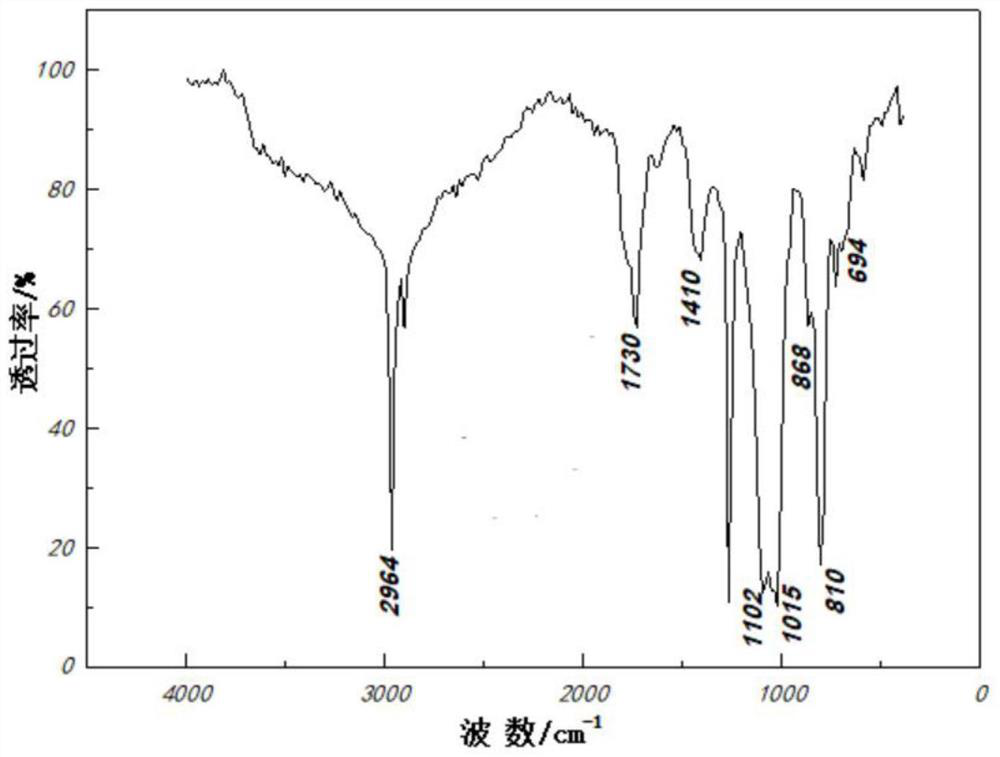
Figure 1 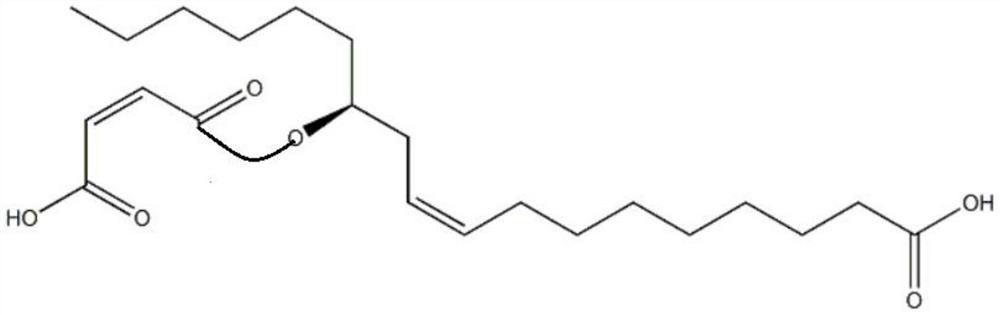
Figure 2 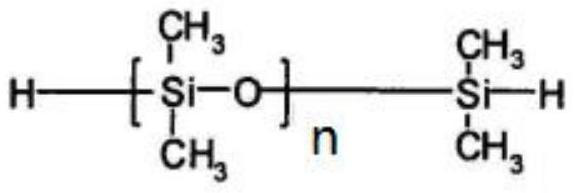
Figure 3
Abstract
Description
technical field
[0001] The invention relates to the technical field of wastewater treatment, in particular to a solid-liquid separation process for fluorescent whitening slurry wastewater. Background technique
[0002] Fluorescent whitening agent is resistant to chlorine bleaching agent, oxygen bleaching agent and strong acid and strong alkali, and is widely used in textile, papermaking, coating, detergent, printing, ink and other fields. A large amount of wastewater will be produced in the production process. This wastewater is a special type of high-concentration, refractory organic wastewater. The COD of the wastewater is 5000-6000mg·L-1, and it has a pungent odor. Wastewater contains a large amount of benzene and its derivatives. These organic substances have substituent groups such as amino, nitro and sulfonic acid groups, and are highly toxic. In addition, wastewater contains a large amount of refractory biodegradable substances, and its biodegradability is very poor....
Examples
Embodiment 1
[0032] A solid-liquid separation process for fluorescent whitening slurry wastewater, the operation steps are:
[0033] First, pump 800g of fluorescent whitening slurry wastewater into the heating reactor and heat to 70°C. After heating and stirring for 1h, add hydrochloric acid to adjust the pH to pH8, add 1.2g of demulsifier, then add 0.05g of coagulant, and heat to 80°C. ℃, heated and stirred for 30 minutes, and then placed in a centrifuge for solid / liquid separation after treatment. The clarified liquid is filtered through sand and then filtered through activated carbon adsorption.
[0034] The mass fraction of the hydrochloric acid is 10%.
[0035] The added demulsifier is compounded by PAC and PAM, and its synthetic ratio is 30:1.
[0036] The preparation method of described coagulation aid is:
[0037] 17g of diallyldimethylammonium chloride, 2.2g of castor oil maleate, and 0.02g of aluminum acrylate are added to the reaction kettle, and high-purity nitrogen protecti...
Embodiment 2
[0040] A solid-liquid separation process for fluorescent whitening slurry wastewater, the operation steps are:
[0041] First, pump 800g of fluorescent whitening slurry wastewater into the heating reactor and heat to 75°C. After heating and stirring for 1 hour, add hydrochloric acid to adjust the pH to pH8, add 2g of demulsifier, then add 0.15g of coagulant aid, and heat to 80°C , heated and stirred for 30 minutes, and then placed in a centrifuge for solid / liquid separation after treatment. The clarified liquid is filtered through sand and then filtered through activated carbon adsorption.
[0042] The mass fraction of the hydrochloric acid is 12%.
[0043] The added demulsifier is compounded by PAC and PAM, and its synthetic ratio is 20:1.
[0044] The preparation method of described coagulation aid is:
[0045] 20g of diallyldimethylammonium chloride, 3g of castor oil maleate, and 0.1g of aluminum acrylate are added to the reaction kettle, and high-purity nitrogen protect...
Embodiment 3
[0049] A solid-liquid separation process for fluorescent whitening slurry wastewater, the operation steps are:
[0050] First, pump 800g of fluorescent whitening slurry wastewater into the heating reactor and heat to 75°C. After heating and stirring for 1h, add hydrochloric acid to adjust the pH to pH8, add 2.4g of demulsifier, then add 0.2g of coagulant, and heat to 80 ℃, heated and stirred for 30 minutes, and then placed in a centrifuge for solid / liquid separation after treatment. The clarified liquid is filtered through sand and then filtered through activated carbon adsorption.
[0051] The mass fraction of the hydrochloric acid is 14%.
[0052] The added demulsifier is compounded by PAC and PAM, and its synthetic ratio is 15:1.
[0053] The preparation method of described coagulation aid is:
[0054] 22g of diallyldimethylammonium chloride, 3.5g of castor oil maleate, and 0.2g of aluminum acrylate are added to the reaction kettle, and high-purity nitrogen protection is...