
Hemostatic composite hydrogel as well as preparation method and application thereof
A composite hydrogel and hydrogel technology, applied in applications, medical formulations, surgical adhesives, etc., can solve problems such as ineffective release, insufficient hemostasis, and inability to seal wounds in time, achieving good biological safety , The preparation process is controllable and the preparation process is simple
Patent Information
- Authority / Receiving Office
- CN · China
- Current Assignee / Owner
- Publication Date
- 2022-04-22
Smart Images
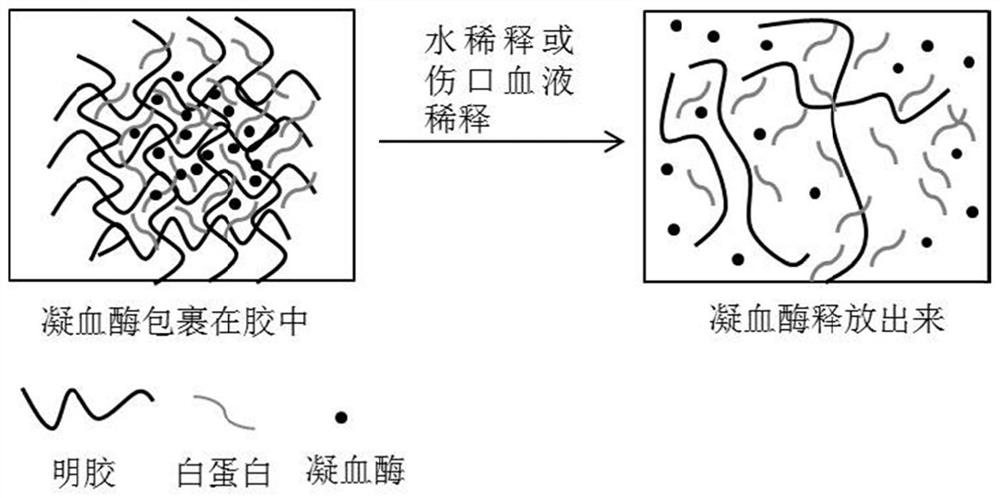
Figure 1 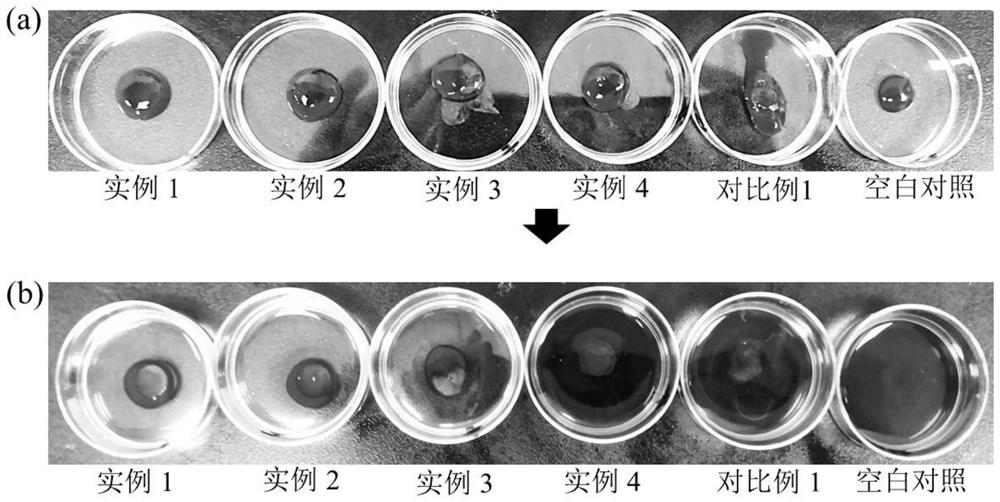
Figure 2 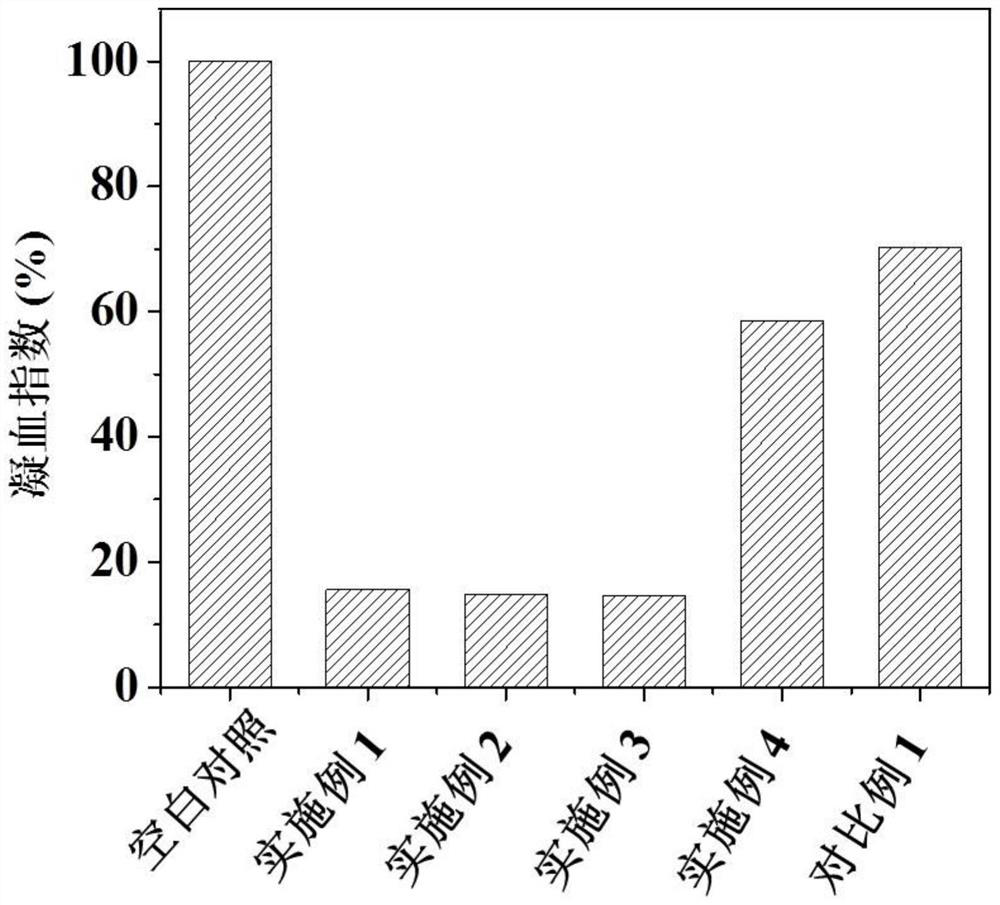
Figure 3
Abstract
Description
technical field
[0001] The invention belongs to the field of hydrogels, in particular to a hemostatic composite hydrogel and its preparation method and application. Background technique
[0002] Thrombin is a clinically used hemostatic drug, mainly used for hemostasis in trauma, surgery, etc. Thrombin acts on the last step of the blood coagulation process to promote the conversion of soluble fibrinogen in the plasma into insoluble fibrin to achieve the purpose of quick hemostasis. However, because the thrombin aqueous solution is unstable at room temperature, it brings a lot of inconvenience to clinical application.
[0003] The existing hemostatic materials have the following problems: due to the poor adhesion between the hemostatic material and the bleeding wound, the hemostatic material cannot be stably wrapped in the base material, resulting in hemostasis failure, or the dispersion effect of the hemostatic material in the base material is not good and cannot Effective ...
Examples
Embodiment 1
[0037] This embodiment prepared a hemostatic composite hydrogel, the specific process is:
[0038] (1) Take 2.5g of bovine serum albumin and dissolve it in 10mL of aqueous solution to prepare a bovine serum albumin aqueous solution with a mass concentration of 25%, stir evenly at room temperature, add 0.625g of methacrylated gelatin, and heat to 50°C. Stir to dissolve evenly;
[0039] (2) Cool to 37° C., take 200 μL of the cooled solution, and add 10 μL of thrombin solution with a concentration of 100 U / mL.
[0040] (3) Vortex, mix evenly, and cool at room temperature for 15 minutes to shape.
Embodiment 2
[0042] This embodiment prepared a hemostatic composite hydrogel, the specific process is:
[0043] (1) Take 2.5g of bovine serum albumin and dissolve it in 10mL of aqueous solution to prepare a bovine serum albumin aqueous solution with a mass concentration of 25%, stir evenly at room temperature, add 0.625g of methacrylated gelatin, and heat to 50°C. Stir to dissolve evenly;
[0044] (2) Cool to 37° C., take 200 μL of the cooled solution, and add 5 μL of thrombin solution with a concentration of 100 U / mL.
[0045] (3) Vortex, mix evenly, and cool at room temperature for 15 minutes to shape.
Embodiment 3
[0047] This embodiment prepared a hemostatic composite hydrogel, the specific process is:
[0048] (1) Take 2.5g of bovine serum albumin and dissolve it in 10mL of aqueous solution to prepare a bovine serum albumin aqueous solution with a mass concentration of 25%, stir evenly at room temperature, add 0.625g of methacrylated gelatin, and heat to 50°C. Stir to dissolve evenly;
[0049] (2) Cool to 37° C., take 200 μL of the cooled solution, and add 2 μL of thrombin solution with a concentration of 100 U / mL.
[0050] (3) Vortex, mix evenly, and cool at room temperature for 15 minutes to shape.