
Coalescence material as well as preparation method and oil removal method thereof
A technology for coalescing materials and base materials, applied in separation methods, chemical instruments and methods, grease/oily substances/suspton removal devices, etc., can solve complex preparation process, poor emulsified oil effect, and coalescence effect needs to be further improved and other problems, to achieve the effect of simple preparation method, low surface energy, and excellent lipophilic and hydrophobic properties
Patent Information
- Authority / Receiving Office
- CN · China
- Current Assignee / Owner
- Publication Date
- 2022-05-17
Smart Images
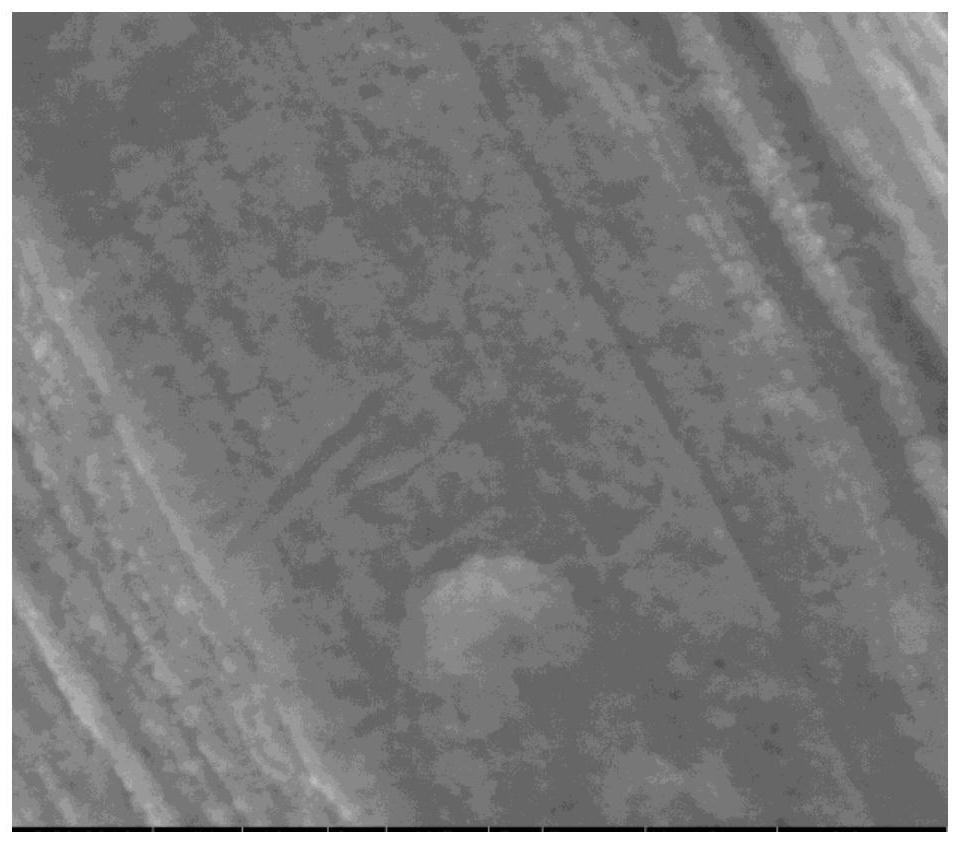
Figure 1 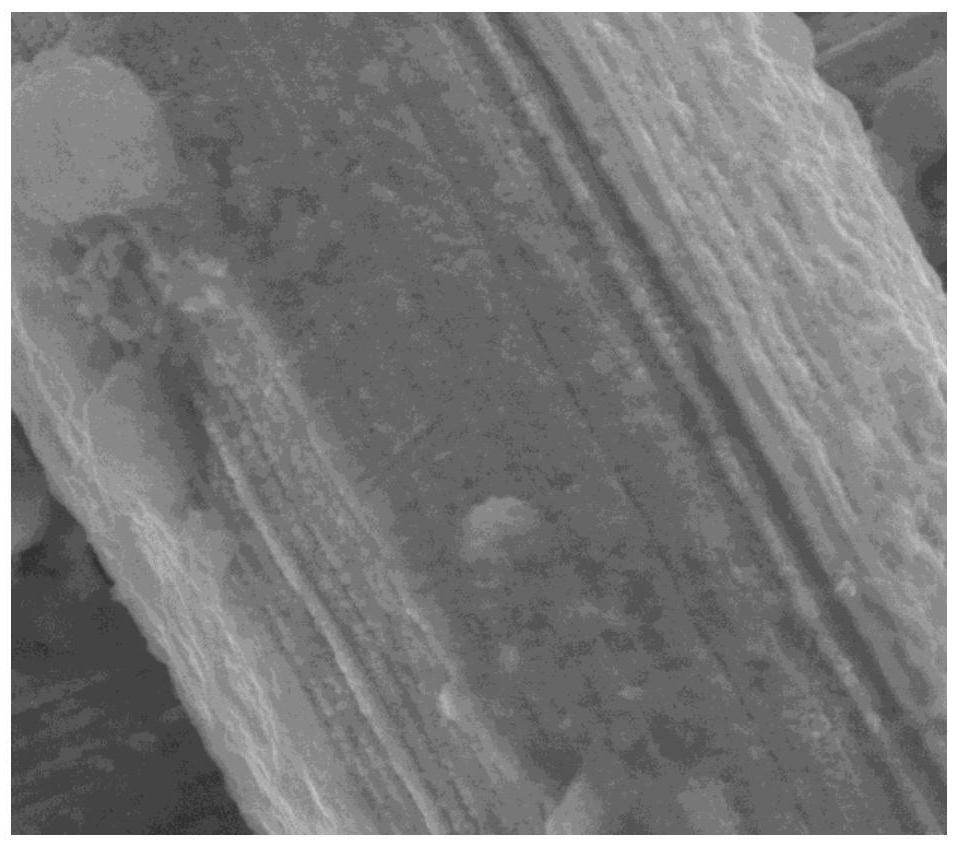
Figure 2 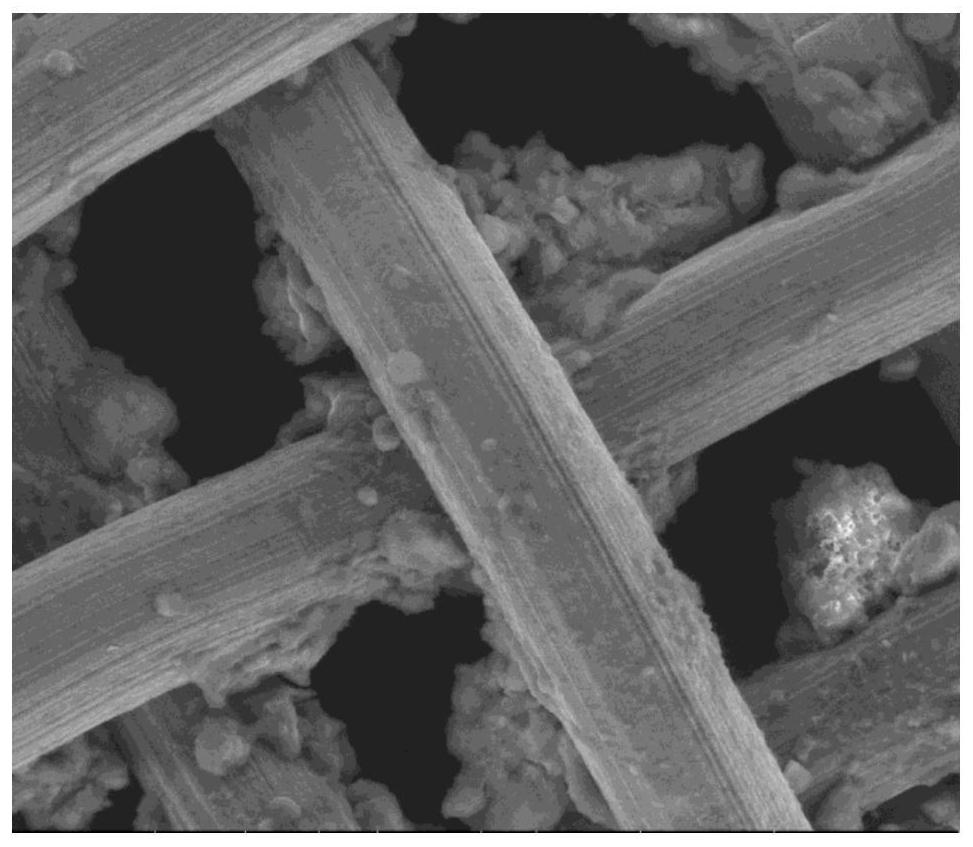
Figure 3
Abstract
Description
technical field
[0001] The invention belongs to the field of oil-water separation, and in particular relates to a coalescence material suitable for degreasing oily wastewater and a preparation method thereof. Background technique
[0002] Crude oil extraction, transportation, storage, and refining processes all produce a large amount of oily wastewater, which has complex components and is difficult to treat, seriously threatening the water environment and human health. Petroleum substances in oily wastewater can usually be divided into floating oil, dispersed oil, emulsified oil and dissolved oil according to their physical state. Due to the low solubility of water to common petroleum substances, wastewater degreasing is mainly aimed at slick oil, dispersed oil and emulsified oil, among which the separation and removal of emulsified oil is the most difficult technically.
[0003] At present, the degreasing methods for wastewater can be classified into four categories: physi...
Examples
Embodiment 1
[0044] The preparation method of the coalescing material in Example 1 comprises the following steps: (1) placing the inorganic base material in absolute ethanol and deionized water successively, ultrasonically washing them for 25 min and 10 min respectively, and then drying them; The siloxane solution is coated on the inorganic base material, dried and solidified in a vacuum oven at 98° C. for 5 hours, then placed in a muffle furnace, fired at 490° C. for 2.5 hours, and cooled to room temperature to obtain an intermediate material; ( 2) Coating the second polysiloxane solution on the intermediate material, drying and curing in a vacuum oven at 98° C. for 5 hours to obtain the coalescence material of the present invention.
Embodiment 2
[0045] The preparation method of the coalescing material in Example 2 comprises the following steps: (1) placing the inorganic base material in absolute ethanol and deionized water successively, ultrasonic cleaning for 20 min respectively, and then drying it; the first polysiloxane The alkane solution is coated on the inorganic base material, dried and solidified in a vacuum oven at 100°C for 4 hours, then placed in a muffle furnace, fired at 550°C for 3 hours, and cooled to room temperature to obtain an intermediate material; (2) The second polysiloxane solution was coated on the intermediate material, dried and cured in a vacuum oven at 100° C. for 4 hours to obtain the coalescence material of the present invention.
Embodiment 3
[0046] The preparation method of the coalescing material in Example 3 comprises the following steps: (1) placing the inorganic base material in absolute ethanol and deionized water successively, ultrasonic cleaning for 20 min respectively, and then drying it; the first polysiloxane The alkane solution is coated on the inorganic base material, dried and solidified in a vacuum oven at 105°C for 4h, then placed in a muffle furnace, fired at 550°C for 3h, and cooled to room temperature to obtain an intermediate material; (2) The second polysiloxane solution was coated on the intermediate material, dried and cured in a vacuum oven at 105° C. for 3.5 hours to obtain the coalescence material of the present invention.