
Laundry detergent compositions comprising amphiphilic graft polymers based on polyalkylene oxides and vinyl esters
a technology of vinyl esters and amphiphilic grafts, which is applied in the direction of detergent compositions, organic detergent compounding agents, detergent solvents, etc., can solve the problems of affecting the effect of hydrophilic stain removers, affecting the overall surfactant level, and affecting the effect of hydrophilic stain removal, etc., to achieve excellent hydrophobic soil suspension, reduce the overall surfactant level, and reduce the effect of organic solvent levels
Patent Information
- Authority / Receiving Office
- US · United States
- Patent Type
- Applications(United States)
- Current Assignee / Owner
- Publication Date
- 2009-01-01
Smart Images
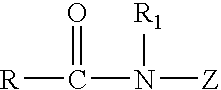
Figure 1 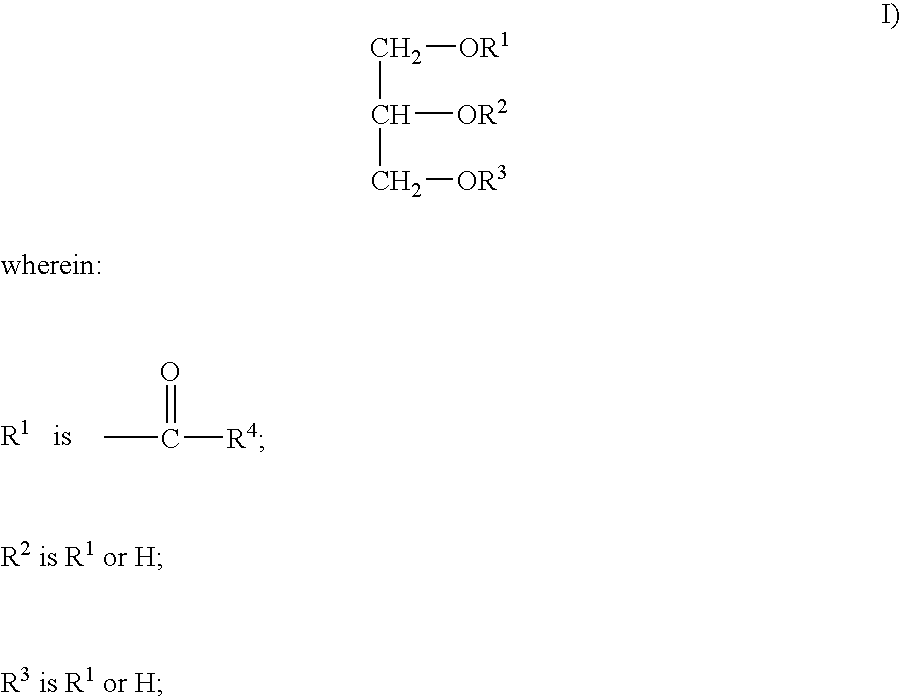
Figure 2 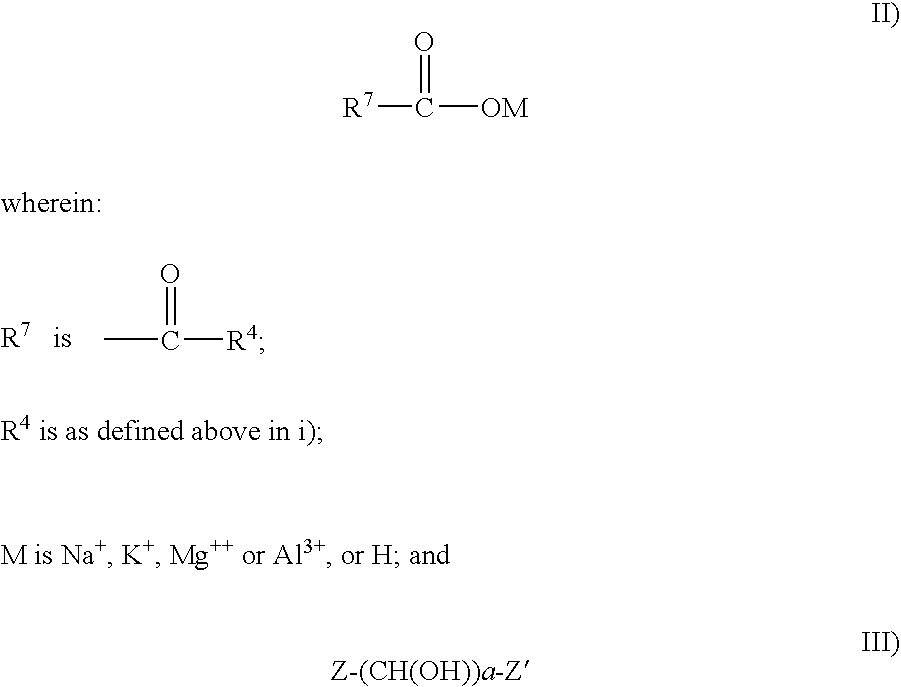
Figure 3
Abstract
Description
CROSS REFERENCE TO RELATED APPLICATION
[0001] This application claims priority to U.S. Provisional Application Ser. No. 60 / 937,818, filed Jun. 29, 2007.FIELD OF THE INVENTION
[0002] The present disclosure relates to laundry detergent compositions, including but not limited to those in liquid and gel forms, containing amphiphilic graft polymers based upon water-soluble polyalkylene oxides.BACKGROUND OF THE INVENTION
[0003] Consumers desire laundry detergents including, but not limited to those in liquid and gel forms, that provide excellent overall cleaning. The detergent industry typically utilizes surfactants, among other things, to deliver this benefit. Due to increasing environmental sensitivity, as well as rising cost, the wide spread use of surfactants may be losing favor. Consequently, detergent manufacturers are examining ways to reduce the dosage of surfactant in the wash liquor, while still providing the consumer with excellent overall cleaning.
[0004] One approach for reducing sur...
Examples
examples
[0107]For the purposes of illustration only, and not be construed as limiting, the following examples of the liquid laundry detergent compositions of the present invention are provided below. The laundry detergent compositions may made using any suitable method.
TABLE 1Percentage by weight of compositionIngredientABCDEFAlkylbenzene sulfonic acid7 7 4.51.21.512.5 Sodium C12-14 alkyl ethoxy2.32.34.54.57 18 3 sulfateC14-15 alkyl 8-ethoxylate5 5 2.52.64.54 C12 alkyl dimethyl amine—2 ————oxideC12-14 alkyl hydroxyethyl———0.5——dimethyl ammonium chlorideC12-18 Fatty acid2.63 4 2.62.811 Citric acid2.62 1.52 2.53.5Protease enzyme0.50.50.60.30.52 Amylase enzyme0.10.10.15— 0.050.5Mannanase enzyme 0.05—0.05——0.1PEG-PVAc Polymer11 0.81 0.40.52.7Ethoxysulfated——0.4—1.5—Hexamethylene DiamineDimethyl QuatEthoxylated Hexamethylene———0.4——Diamine dimethyl quatEthoxylated—————0.5Polyethylenimine2Diethylenetriaminepenta0.20.3——0.2—(methylenephosphonic) acidHydroxyethane diphosphonic—— 0.4...