
Process for antibody production
a technology of antibody production and process, which is applied in the field of producing antibodies, can solve the problems of high cost of generating antibodies, and achieve the effect of easy and short time-consuming and labor-intensive work of antibody production
Patent Information
- Authority / Receiving Office
- US · United States
- Patent Type
- Applications(United States)
- Current Assignee / Owner
- Publication Date
- 2010-09-30
- Estimated Expiration
- Not applicable · inactive patent
Smart Images
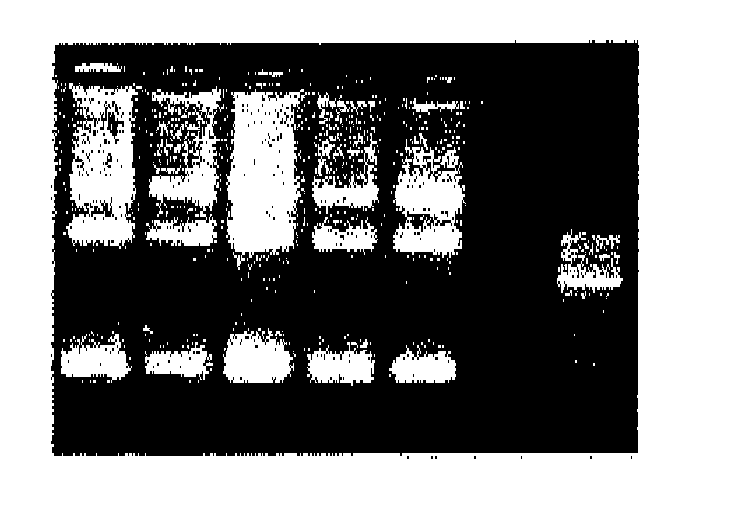
Figure 1 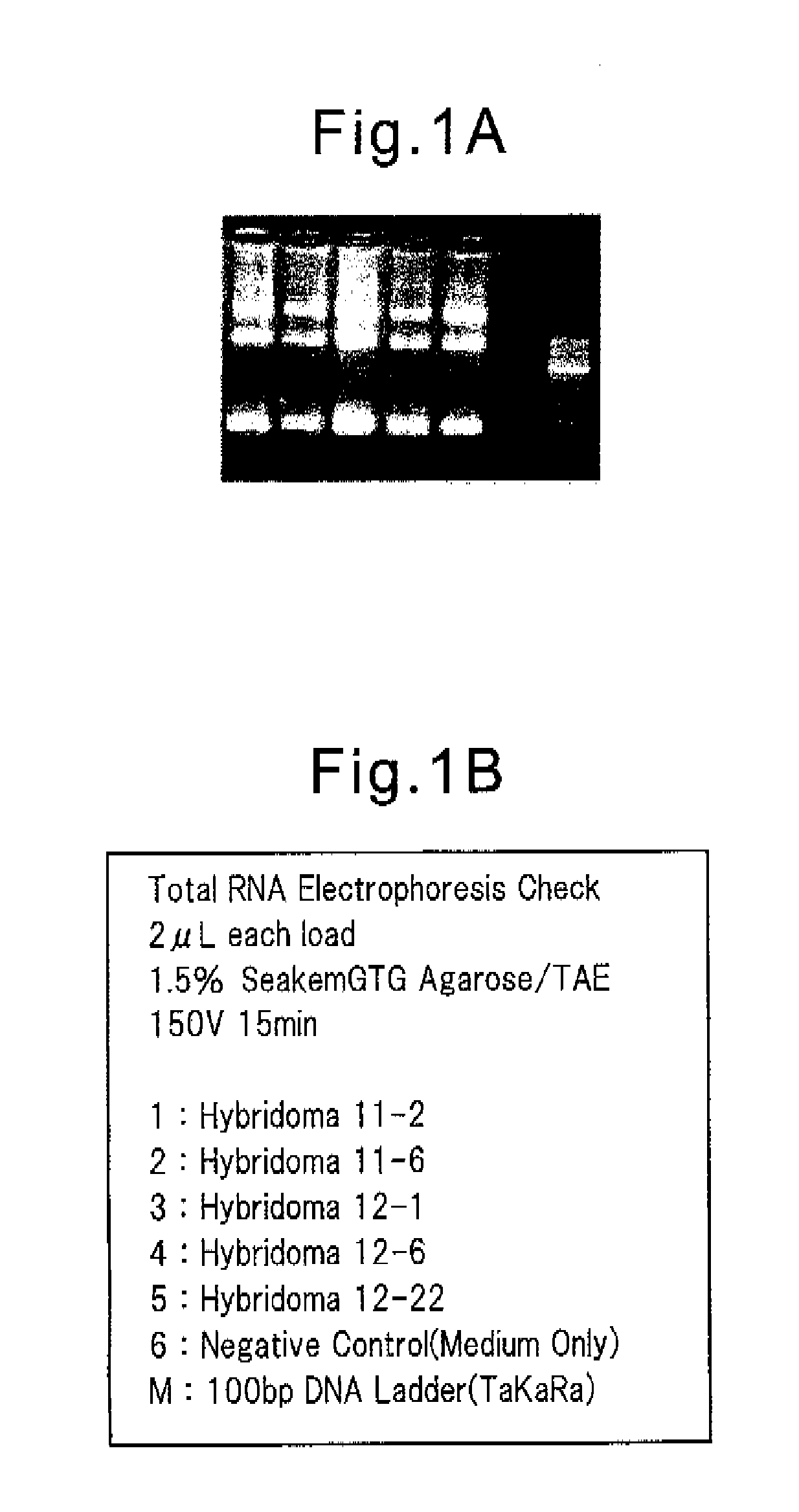
Figure 2 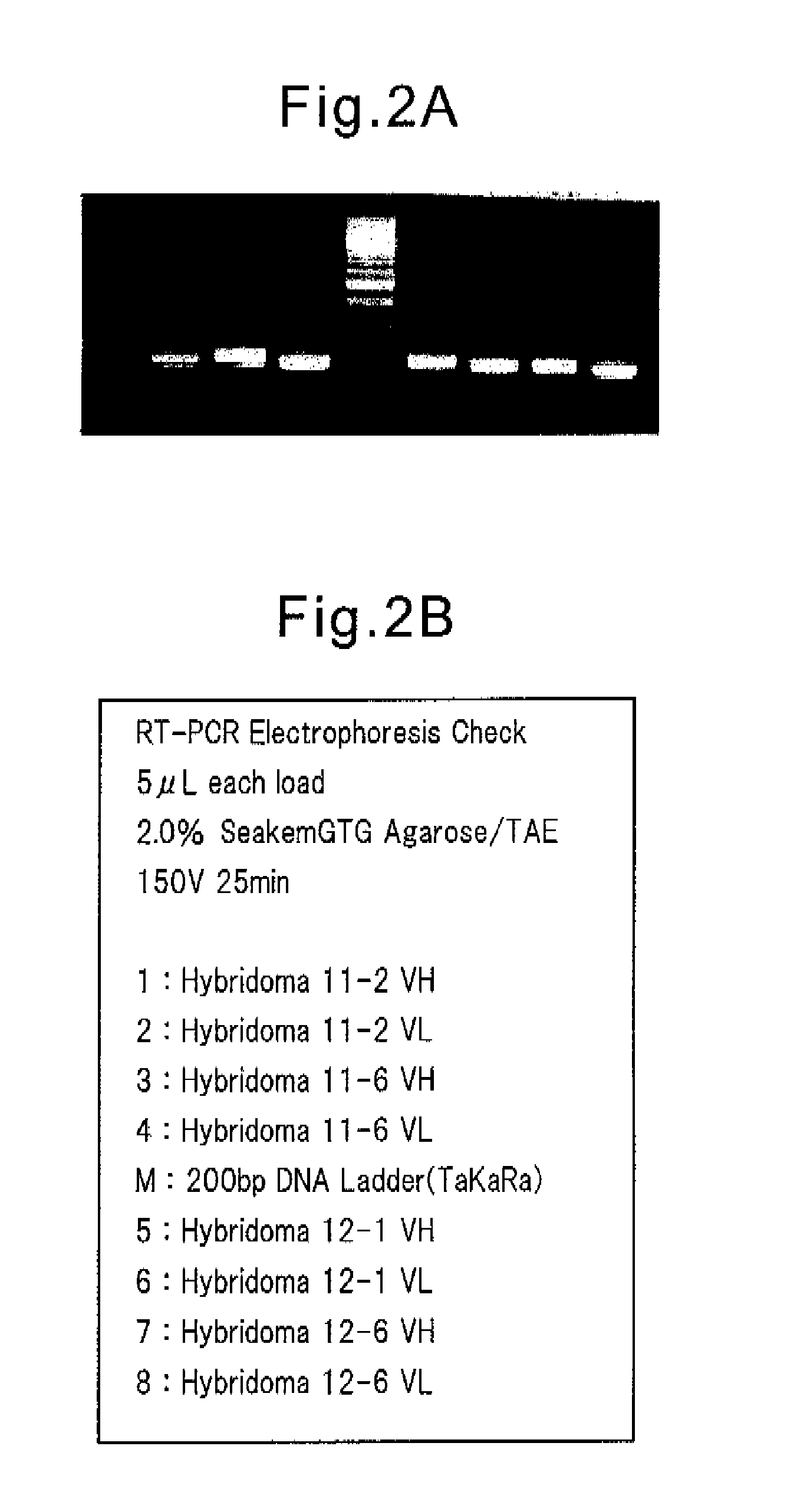
Figure 3
Abstract
Description
FIELD OF THE INVENTION
[0001] The present invention relates to a method of producing an antibody.BACKGROUND ART
[0002] As is well known, elucidation of immune functions, the mainstay of biological defense functions, is becoming an increasingly important challenge in the diagnosis and treatment of diseases. For example, among the techniques used in the diagnosis of cancer, lifestyle-related diseases of adult people, such as diabetes mellitus, and various other diseases, techniques capable of realizing even simpler diagnosis, such as an immunochromatography method that visually detects the concentration and quantity of a marker substance deeply involved in diseases have been proposed, and the fields of research reagents, diagnostic reagents, various monitoring reagents, immunological diagnosis and treatment are further expanded. Accordingly, it is evident that stable availability of antibodies in the above methods will become even more important. The technology of making an antibody libra...
Examples
example 1
[0100]The example describes a method of generating antibody IgG1 using the S100A10 protein as the antigen.
Extraction of Spleen Cells (Splenocytes)
[0101]After visual identification, mouse spleens were extracted and washed. Spleens from two animals were placed on a mesh, mashed with a cell scraper, centrifuged (1300 rpm×3 min, 4° C.), and the cells were collected. Then, after suspending the cells in 3 mL of ACK lysing buffer, 10 mL of PBS(−) was added thereto. The cells were centrifuged (1300 rpm×3 min, 4° C.) and collected, which were then suspended in 6 mL of RPMI1640(−). Through a cell strainer, insoluble fats etc. were removed.
In Vitro Immunization
[0102]The concentration of the S100A10 protein antigen was determined using an assay kit (Dc Protein Assay kit, manufactured by BioRad). As the standard, BSA (manufactured by Sigma) was used. A predetermined amount (5 μg or 20 μg) of the S100A10 protein antigen of a known concentration was aliquoted, to which 100 μl (50 μl per mouse) of ...
example 2
[0113]The present example describes the step of extracting the anti-S100A10 antibody gene and expressing antibody in Escherichia coli.
DNA Extraction, and Preparation of a Single Chain Antibody scFv Plasmid
[0114]From the B cells and hybridomas 1.5×10⁶ cells after immunization, total RNA was obtained using Isogon (manufactured by NIPPON GENE). The immunized cells obtained in the in vitro immunization step described in the above Example 1 may also be used in this step.
[0115]Then, the acquisition of total RNA was confirmed by 1.2% agarose gel electrophoresis. The results obtained are shown in FIG. 1A and FIG. 1B.
[0116]Using the total RNA obtained as the template and the mouse VH gene-specific primer and the mouse VL gene-specific primer as the primer, a single chain cDNA was synthesized using the ReverTra Ace (TOYOBO) reagent. The 1st PCR was carried out with the cDNA prepared as the template, and a primer VH forward primer mix / VH reverse primer mix or forward primer mix / VL reverse pri...
example 3
[0128]The procedure described in the above Example 1 was repeated. In this example, however, the S10A1 protein and the S100A10 protein were used as antigens and the in vitro immunization was conducted in a manner similar to the above Example 1, and IgG1 positivity was calculated. FIG. 6 plots the result thus obtained. Though there is some variation depending on the antigen, it can be confirmed from FIG. 6, that class switching to IgG1 has occurred in both cases at high rates of not smaller than 60%.
[0129]In accordance with the present invention, it was demonstrated that in the in vitro immunization, an effective class switching can be attained by adding a stimulating substance such as LPS (40 μg / mL), IL-4, IL-5 (10 ng / mL), anti-CD38 antibody and anti-CD40 antibody (1 μg / mL) once after immunization, and culturing for four days in the presence of the stimulating substance.