
Gene-enhanced tissue engineering
a tissue engineering and gene technology, applied in the field of tissue engineering, can solve the problems of affecting the regeneration of fully functional tissues, preventing the proper innervation of distal organs, and scar tissue formation is problemati
Patent Information
- Authority / Receiving Office
- US · United States
- Patent Type
- Applications(United States)
- Current Assignee / Owner
- Publication Date
- 2011-08-25
- Estimated Expiration
- Not applicable · inactive patent
Smart Images
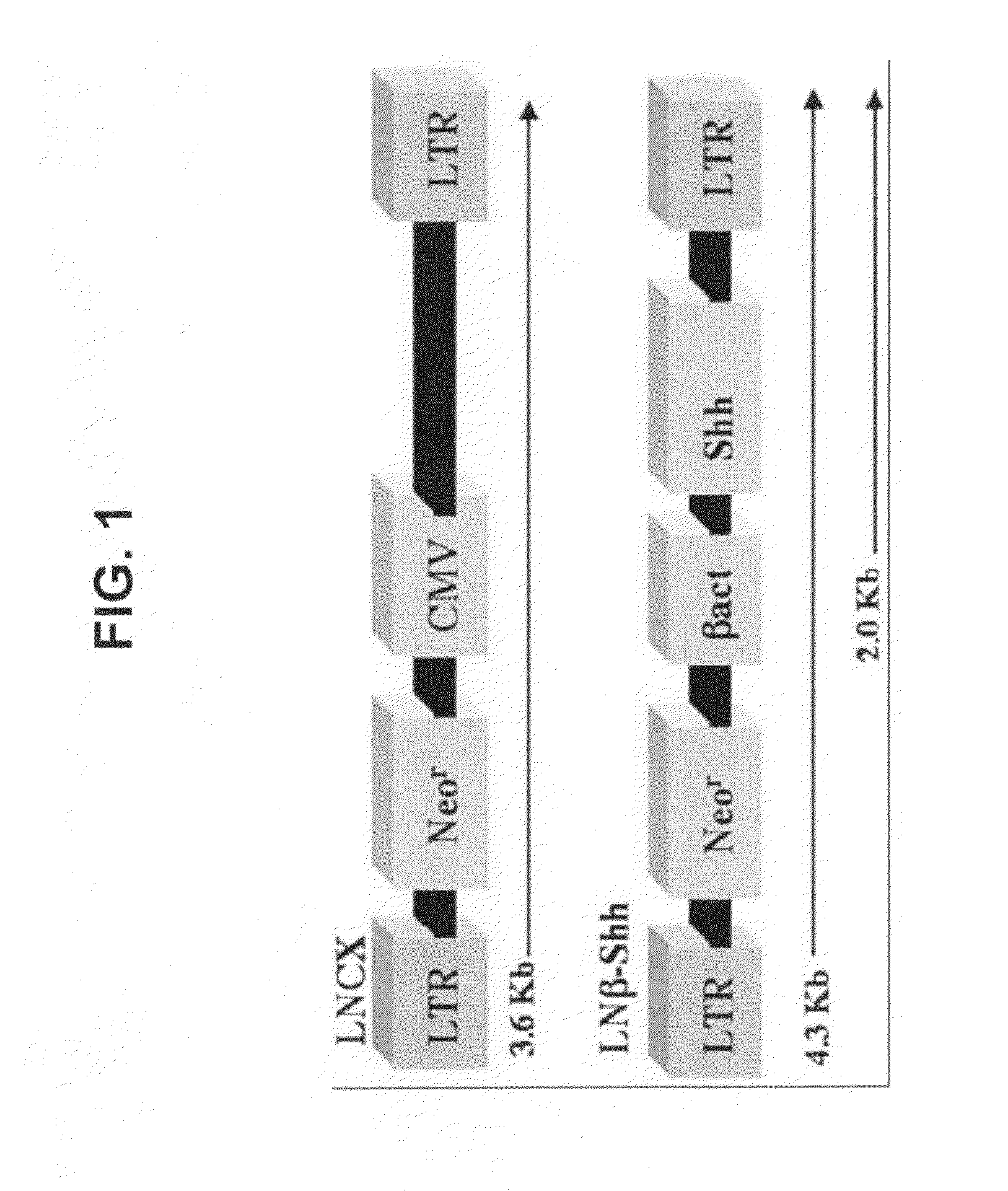
Figure 1 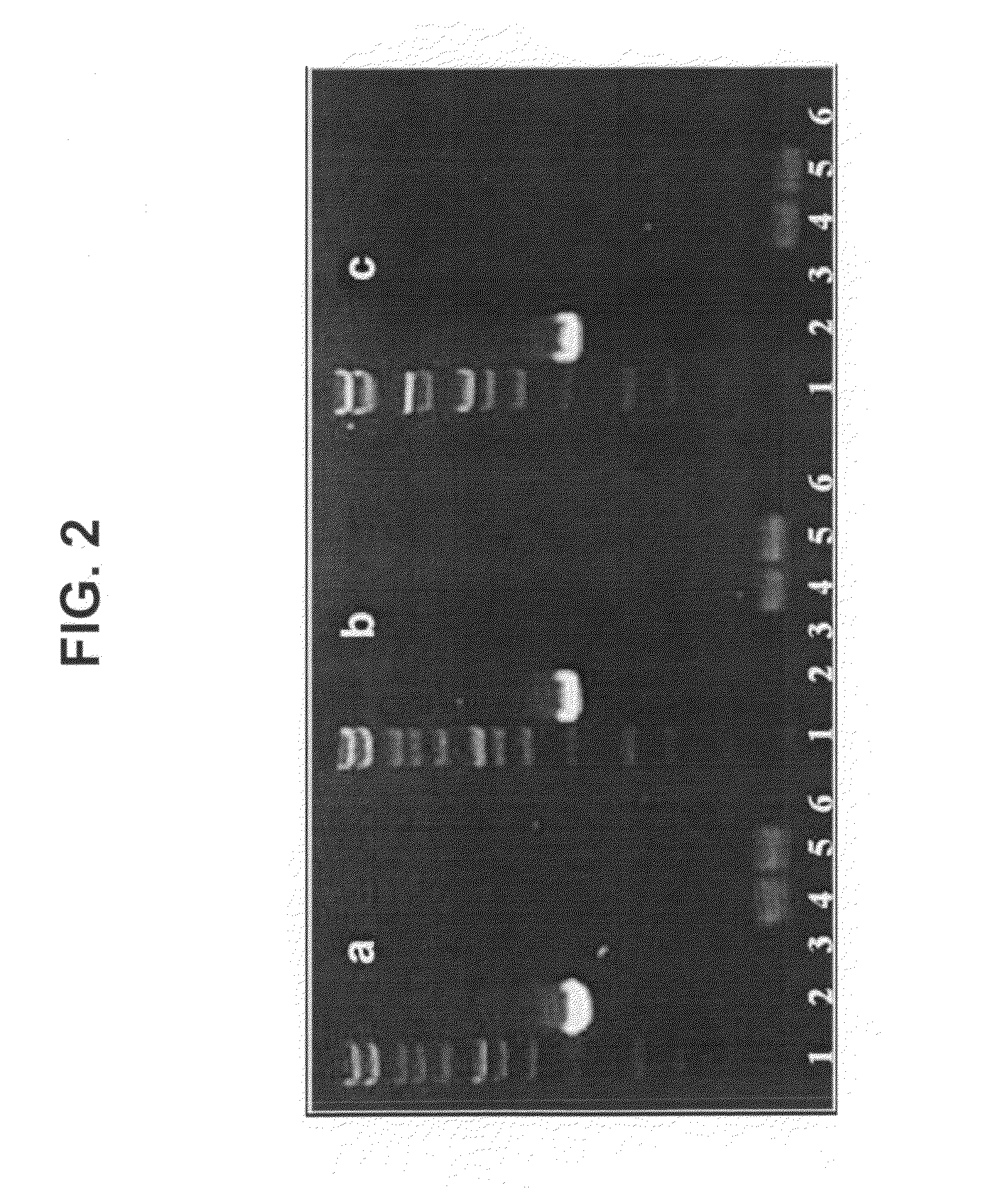
Figure 2 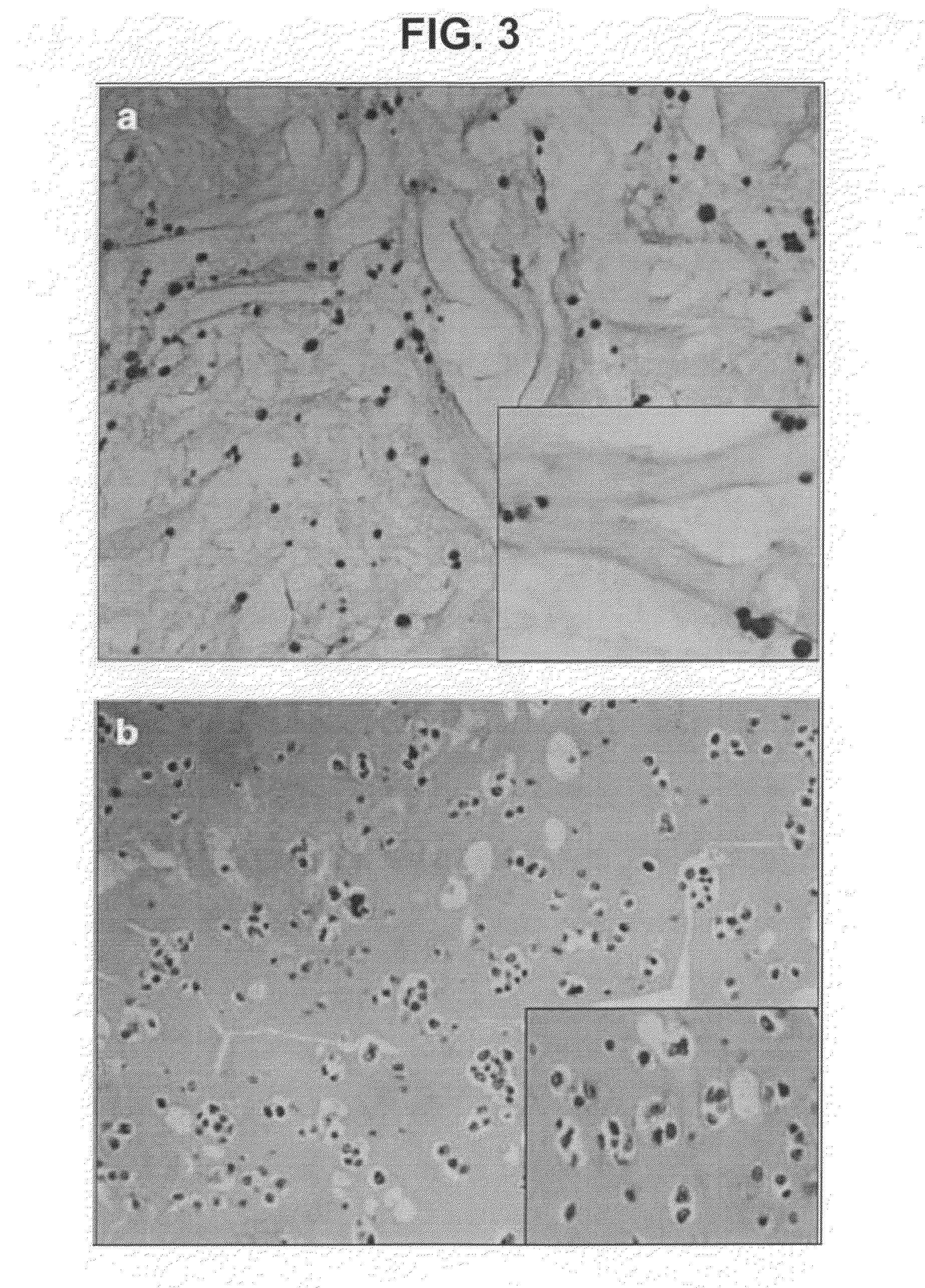
Figure 3
Abstract
Description
CROSS-REFERENCE TO RELATED APPLICATION
[0001] This application claims the benefit of U.S. Provisional Application No. 60 / 730,569, Filed Oct. 27, 2005.STATEMENT REGARDING FEDERALLY SPONSORED RESEARCH OR DEVELOPMENT
[0002] The U.S. Government has a paid-up license in this invention and the right in limited circumstances to require the patent owner to license others on reasonable terms as provided for by the terms of Grant No. DE015430 awarded by The National Institutes of Health.BACKGROUND OF THE INVENTION
[0003] (1) Field of the Invention
[0004] The present invention generally relates to tissue engineering. More specifically, the invention provides compositions and methods for improved tissue engineering, using cells expressing a recombinant sonic hedgehog protein.
[0005] (2) Description of the Related Art
[0006] References
[0007] Alzghoul M B, Gerrard D, Watkins B A, Hannon K. Ectopic expression of IGF-1 and SHH by skeletal muscle inhibit disuse-mediated skeletal muscle atrophy and bone osteopeni...
Examples
example
Sonic Hedgehog Gene-Enhanced Tissue Engineering for Bone Regeneration
[0208]These results are published as Edwards et al. (2005).
example summary
[0209]Improved methods of bone regeneration are needed in the craniofacial rehabilitation of patients with significant bone deficits secondary to tumor resection, congenital deformities, and prior to prosthetic dental reconstruction. In this study, a gene-enhanced tissue-engineering approach was used to assess bone regenerative capacity of Sonic hedgehog (SHH)-transduced gingival fibroblasts, mesenchymal stem cells, and fat-derived cells delivered to rabbit cranial bone defects in an alginate / collagen matrix. Human SHH cDNA isolated from fetal lung tissue was cloned into the replication-incompetent retroviral expression vector LNCX, in which the murine leukemia virus retroviral LTR drives expression of the neomycin-resistance gene. The rat β-actin enhancer / promoter complex was engineered to drive expression of SHH. Reverse transcriptase-polymerase chain reaction analysis demonstrated that the transduced primary rabbit cell populations expressed SHH RNA. SHH protein secretion was con...