
Reduction of image jump
Patent Information
- Authority / Receiving Office
- US · United States
- Current Assignee / Owner
- Publication Date
- 2011-11-24
- Estimated Expiration
- Not applicable · inactive patent
Smart Images
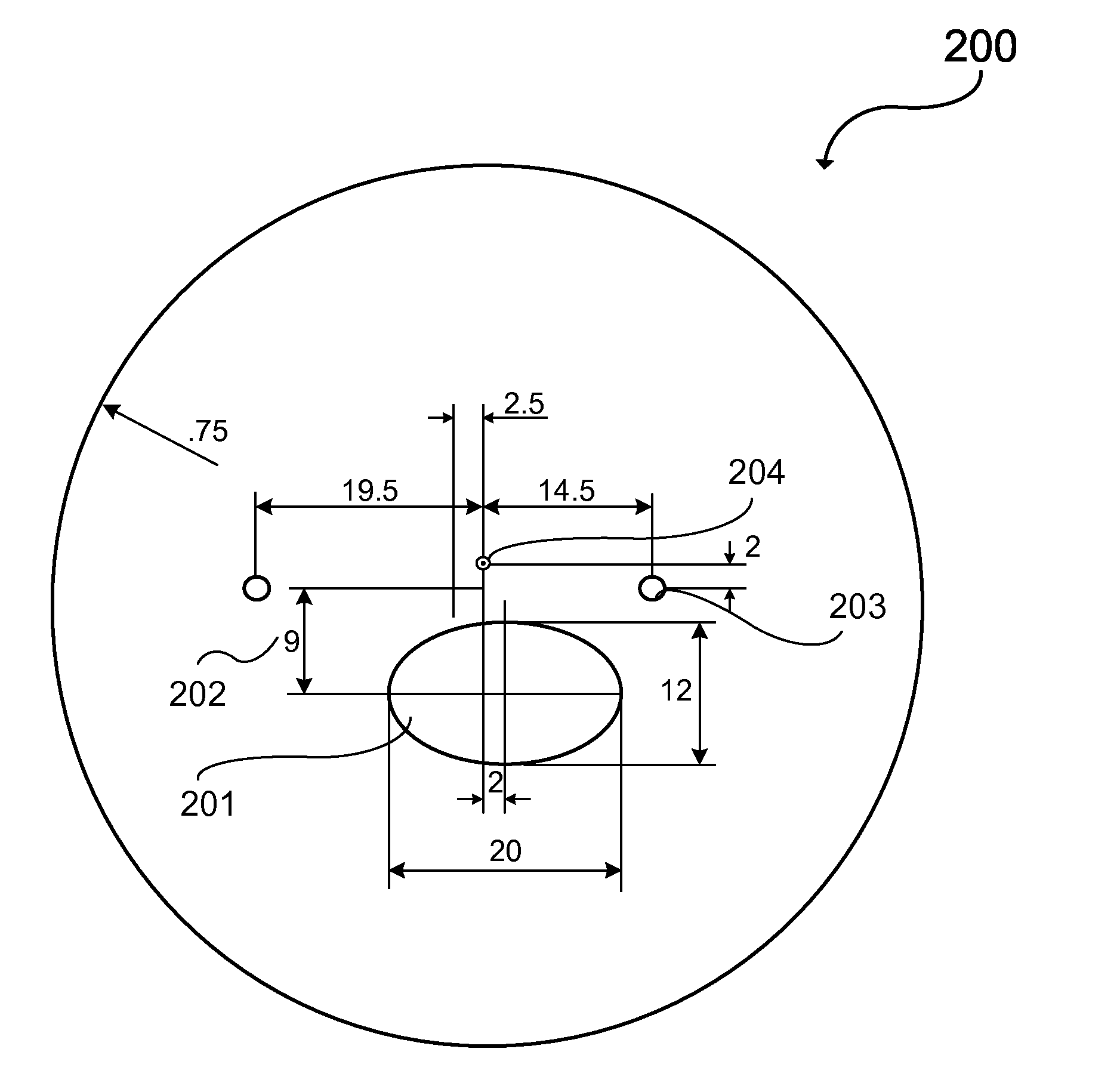
Figure 1 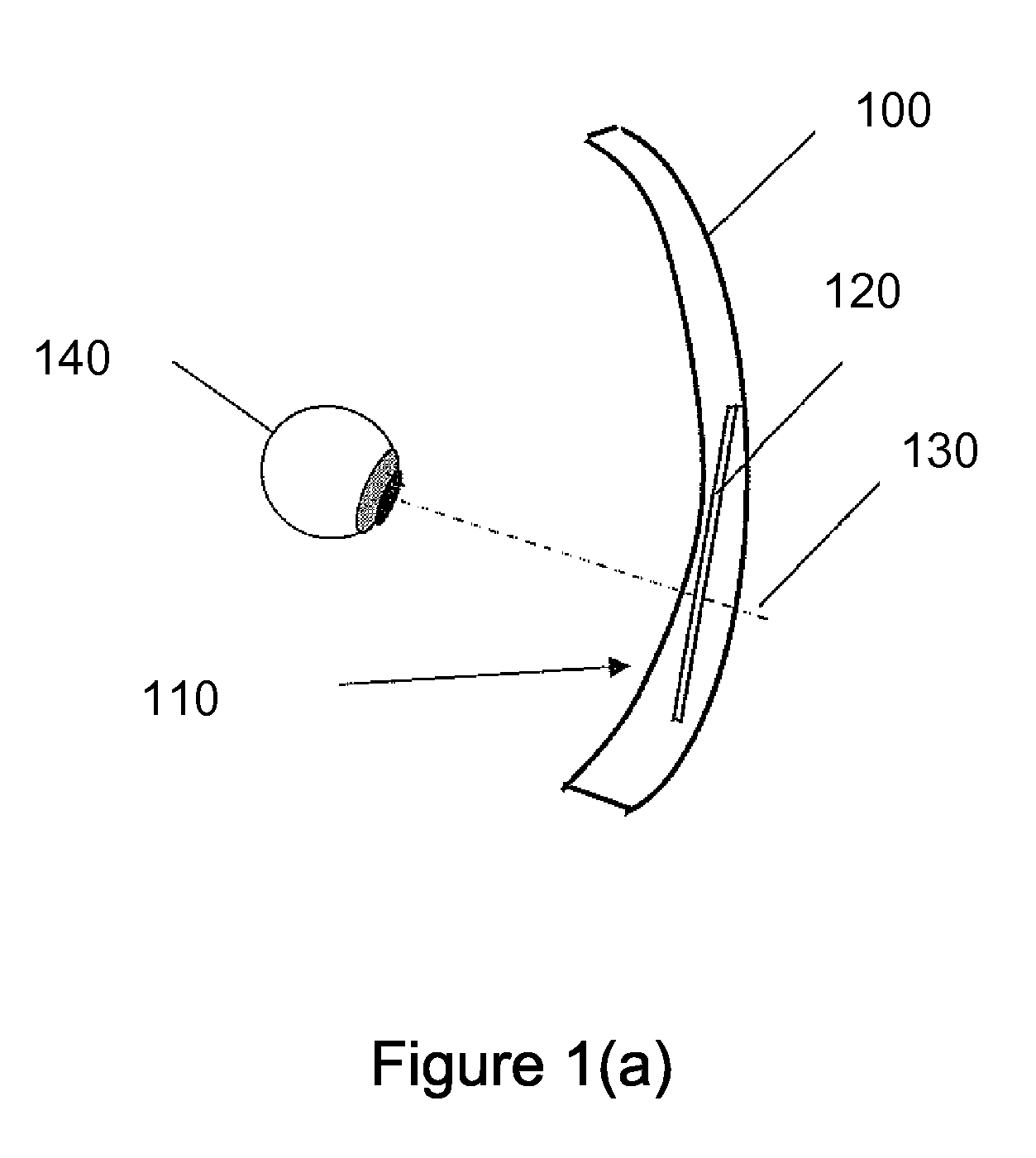
Figure 2 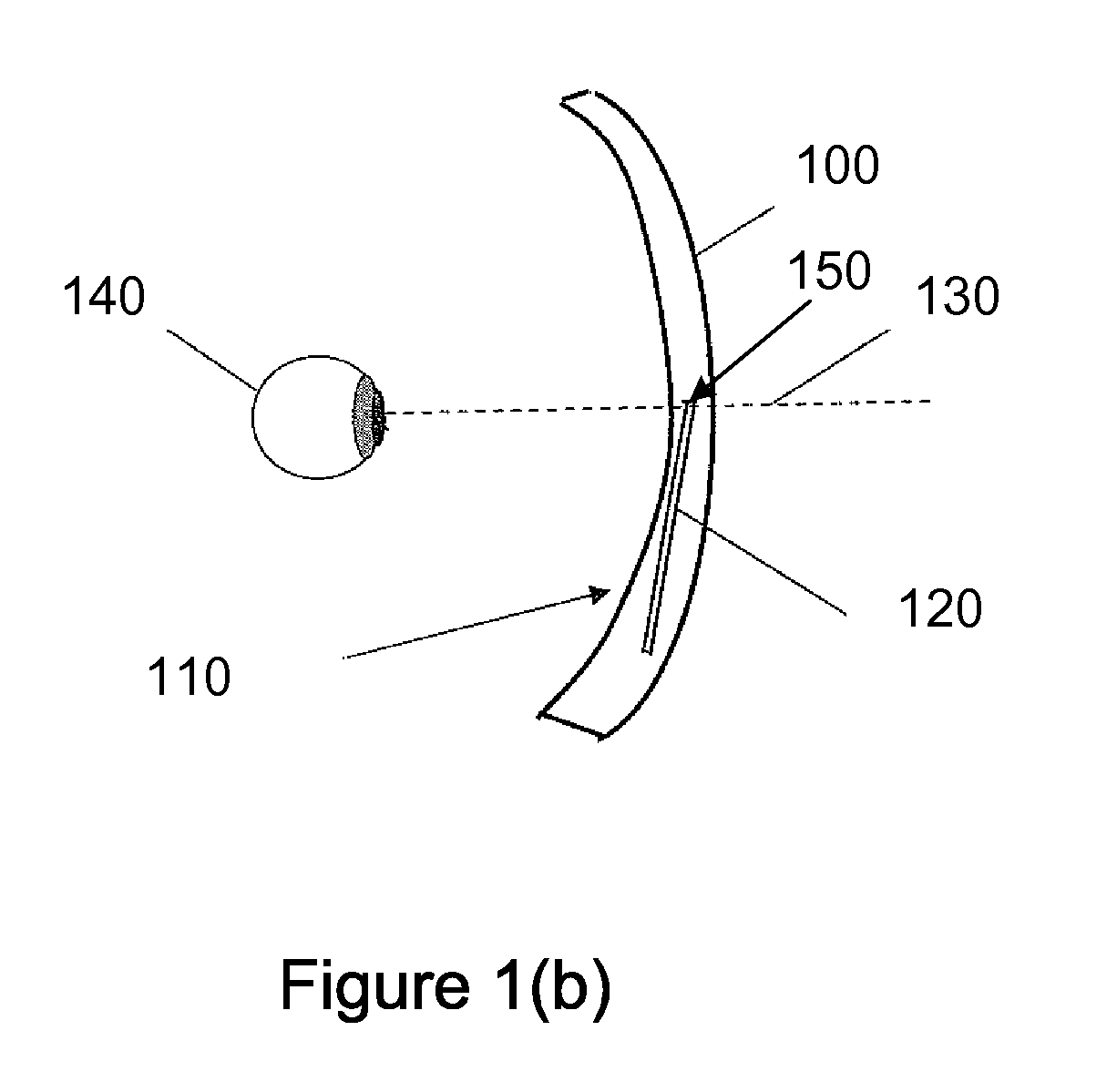
Figure 3
Abstract
Description
CROSS-REFERENCES TO RELATED APPLICATIONS
[0001] This application claims benefit under 35 U.S.C. §119(e) of U.S. provisional patent application No. 61 / 347,562, filed on May 24, 2010, the entire disclosure of which is incorporated herein by reference for all purposes.BACKGROUND
[0002] Presbyopia is the loss of accommodation of the crystalline lens of the human eye that often accompanies aging. This loss of accommodation results in an inability to focus on near distance objects. The standard tools for correcting presbyopia are multifocal ophthalmic lenses. A multifocal lens is a lens that has more than one focal length (i.e., optical power) for correcting focusing problems across a range of distances. Multifocal ophthalmic lenses work by means of a division of the lens's area into regions of different optical powers. Typically, a relatively large area located in the upper portion of the lens corrects for far, distance vision errors, if any. A small area located in the bottom portion of the...
Examples
Embodiment Construction
[0040]Many ophthalmological, optometric, and optical terms are used in this application. For the sake of clarity, their definitions are listed below:
[0041]Add Power: The optical power added to the far distance viewing optical power which is required for clear near distance viewing in a multifocal lens. For example, if an individual has a far distance viewing prescription of −3.00 D with a +2.00 D add power for near distance viewing then the actual optical power in the near distance portion of the multifocal lens is −1.00 D. Add power is sometimes referred to as plus power. Add power may be further distinguished by referring to “near viewing distance add power” which refers to the add power in the near viewing distance portion of the lens and “intermediate viewing distance add power” which refers to the add power in the intermediate viewing distance portion of the lens. Typically, the intermediate viewing distance add power is approximately 50% of the near viewing distance add power....