
DNA amplification technology
a dna amplification and technology of dna, applied in the direction of microorganism testing/measurement, biochemistry apparatus and processes, etc., can solve the problems of inability to quantify or detect dna-binding dyes in multiplex reactions, lack of specificity of dna-binding dyes, and inability to use dna-binding dyes for quantification or detection, etc., to prevent amplification of the target nuclei
Patent Information
- Authority / Receiving Office
- US · United States
- Patent Type
- Applications(United States)
- Current Assignee / Owner
- Publication Date
- 2017-07-13
Smart Images
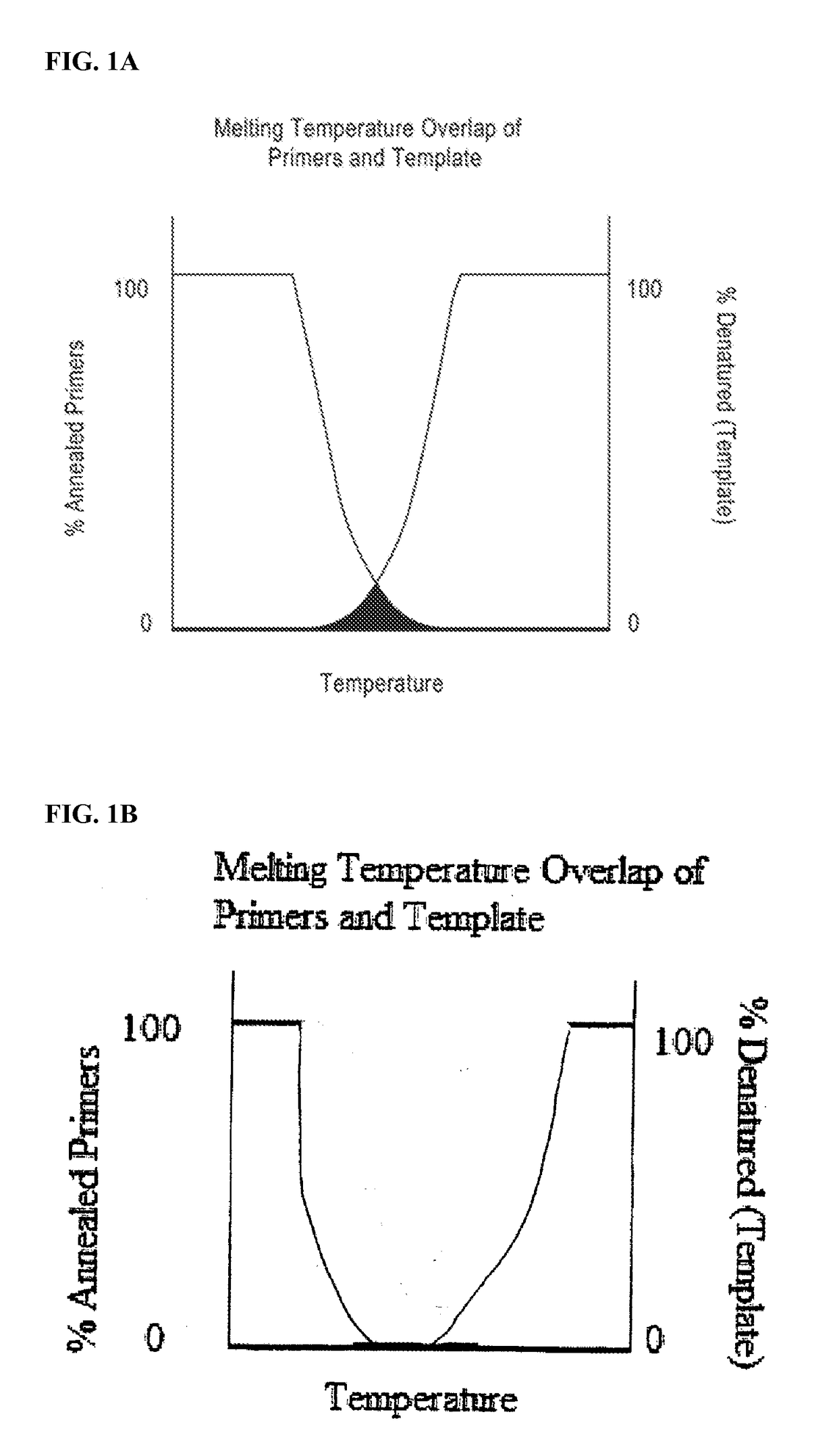
Figure 1 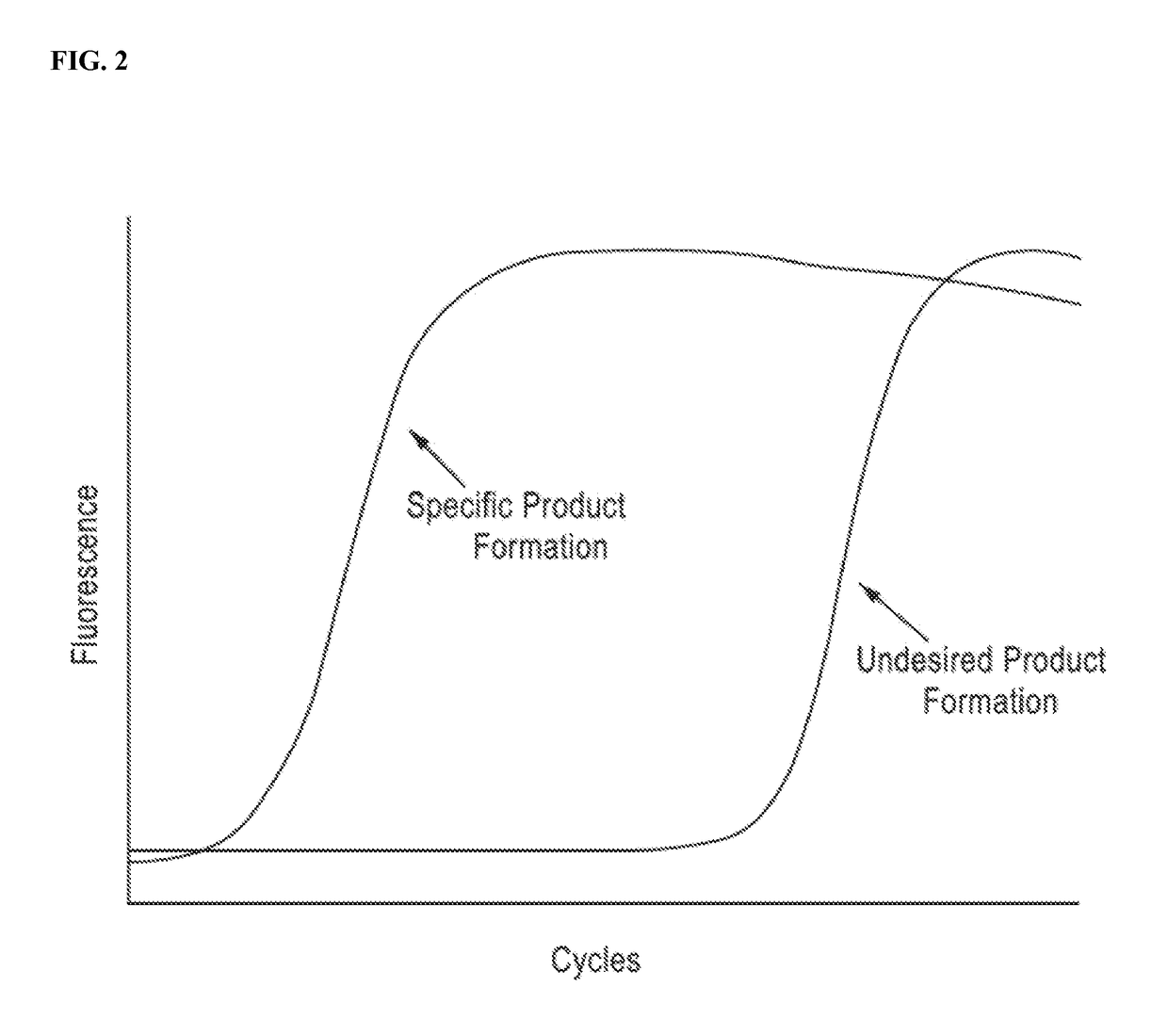
Figure 2 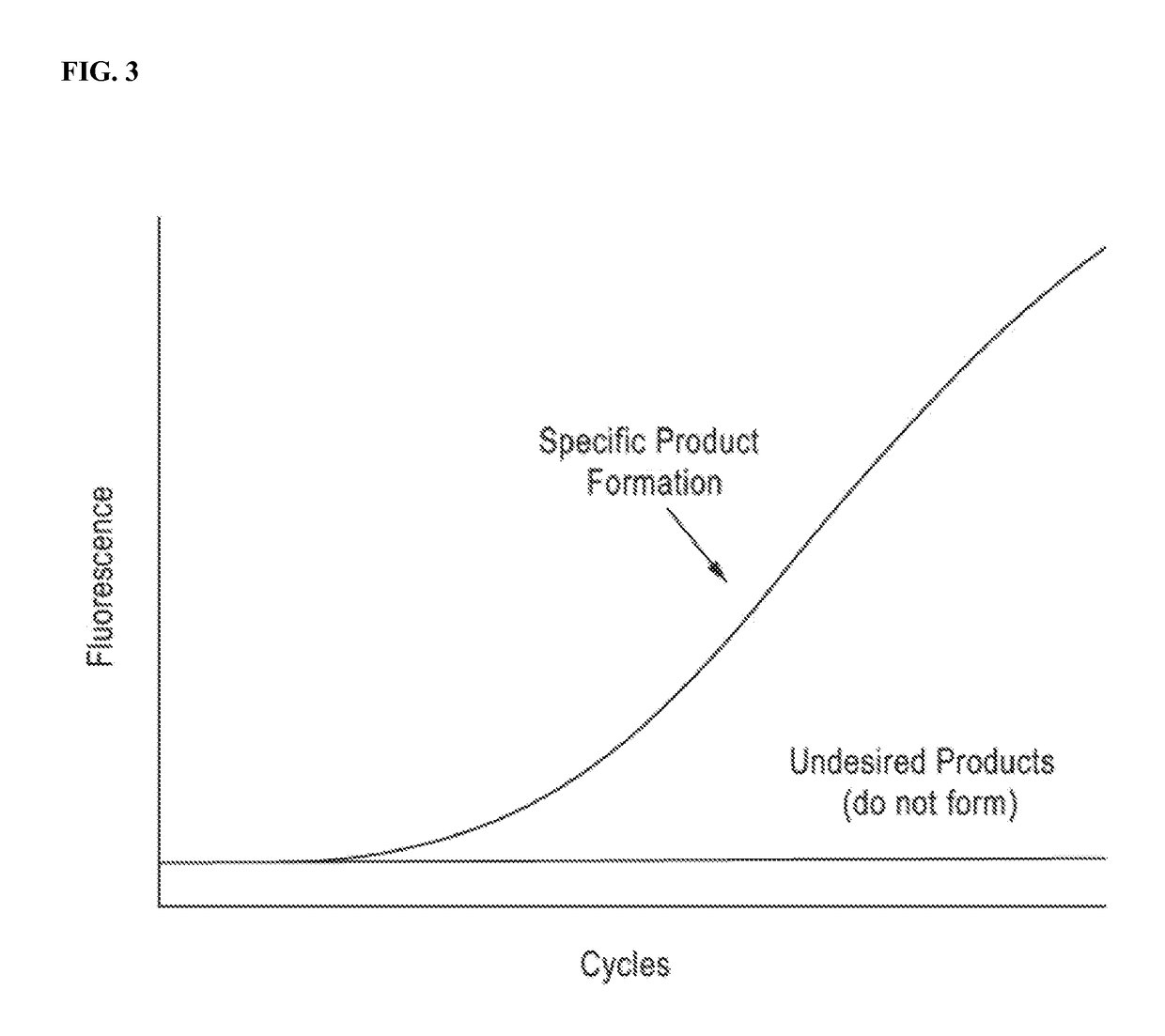
Figure 3
Abstract
Description
CROSS REFERENCE TO RELATED APPLICATIONS
[0001] The present Application claims priority to U.S. Provisional Application No. 62 / 023,123, filed on Jul. 10, 2014, U.S. Provisional Application No. 62 / 075,769, filed on Nov. 5, 2014 and U.S. Provisional Application No. 62 / 115,559, filed on Feb. 12, 2015, each of which is hereby incorporated by reference in its entirety.STATEMENT REGARDING SEQUENCE LISTING
[0002] The Sequence Listing associated with this application is provided in text format in lieu of a paper copy, and is hereby incorporated by reference into the specification. The name of the text file containing the Sequence Listing is FLUO-004_03Wo_ST25.txt. The text file is about 15 KB, was created on Jul. 9, 2015, and is being submitted electronically via EFS-Web.FIELD
[0003] The present disclosure concerns methods and materials useful for conducting PCR amplifications. In particular, a nucleic acid amplification design strategy and thermal cycling profile to enable efficient amplification...
Examples
example 1
Amplification of a Target Sequence Using Primers with Tags
[0340]The following primers were created to be used in conjunction with DFA to amplify a target sequence.
Salmonella FORw / otag (SEQ ID NO: 12):CGACGACCCTTCTTTTTCCTCAATACTGAGCGGCTG, Tm 75.8° C.@ 4 mM Mg and 0.5 μM primerSalmonella REVw / otag (SEQ ID NO: 13):CGCTGCCGGTATTTGTTATTTTATCGGTGGTTTTAAGCGTACTCTTCTATTTTAAATTCC, Tm 75.2° C. @ 4 mM Mg and 0.5 μMprimerSalmonella FORw / tag (SEQ ID NO: 14):CGTCGCGACGACCCTTCTTTTTCCTCAATACTGAGCGGCTG, tag isunderlinedSalmonella REVw / tag (SEQ ID NO: 15):CAGCGCGCTGCCGGTATTTGTTATTTTATCGGTGGTTTTAAGCGTACTCTTCTATTTTAAATTCC, tag is underlinedTarget for first primer binding (SEQ ID NO: 16):CGACGACCCTTCTTTTTCCTCAATACTGAGCGGCTGCTCGCCTTTGCTGGTTTTAGGTTTGGCGGCGCTACGTTTTGCTTCACGGAATTTAAAATAGAAGAGTACGCTTAAAACCACCGATAAAATAACAAATACCGGCAGCG, 86.5°C. @ 4 mM MgAnnealing temperature for after first extension:ACCCTTCTTTTTCCTCAATACTGAGCGGCTG (SEQ ID NO: 17),73.3° C.CCGGTATTTGTTATTTTATCGGTGGTTTTAAGCGTACTCTTCTATTTTAAATTCC...
example 2
Amplification of a Target Sequence Using Primers with Tags that Form G-Quadruplexes
[0341]The following is an example of potential G-quadruplex used in maintaining the DFA amplification bubble, and serving to block extension beyond the bubble.
Mycobacterium avium subsp. paratuberculosis str.k10, complete genome, Sequence ID: gb|AE016958.1|(SEQ ID NO: 21):5′-TCGAATCCCTCTCCCCGCCCGGGCGGTACGACGCGCCGAGGAAGCGGTGCACCAGGGCGCGCTCGGCGGCCGGGTCCTTGAGCGGCCAGCCCCATAACGCCAGGAAGACGCGGATCAGCCACTGCGCCGCCAGCGGGTCGTCGTGGCCGGGCCCGAGCATCTCGGCGGCCAGGGCCGTCA-3′(SEQ ID NO: 22):5′-TACCGCCCGGGCCCGGGCGGTACGACGCGCCGA-3′(SEQ ID NO: 23):5′-GGCCGGGCCCGGGCCCGGCCACGACGACCCGCT-3′
[0342]FIG. 18 shows the hybridization of the above primers to the Mycobacterium avium sequence to form G-quadruplex structures to block extension beyond the bubble.
example 3
Temperature Dependent Multiplexing of Target and Control Sequences
[0343]A multi-temperature protocol is followed for development of an internal control for amplification of a Mycobacterial target. In this case, the control amplicon has similar thermal cycling properties to the target amplicon, 94° C. for denaturation and 84° C. for annealing / extension. However, the primers (Mfo1275fmut2, Mfo1490rmut2) have introduced nucleotide mismatches such that the predicted Tm for the target DNA, a Mycobacterium fortuitum sequence (Mfo template), is 7 to 12×109 copies of control template are quiescent during the initial 80 cycles, and are then activated and amplified by the second stage of thermal cycling with a Ct of about 40 cycles.
[0344]The thermal cycling conditions are: 95° C.-84° C.×80 cycles, 93° C.-72° C.×5 cycles to catch, 93° C.-77° C.×40 cycles.
[0345]The input is 1×10⁹, 1×10⁷ copies M. fortuitum synthetic template.
[0346]Method: introduce mutations that lower initial Tm and return to ...