
Method and system for maximum residency replacement of cache memory
a cache memory and maximum residency technology, applied in the field of digital signal processing, can solve the problems of high cost of updating in terms of operational resource use and energy consumption, repetitive algorithms, and inability to meet the requirements of fast math in digital signal processing, so as to avoid incoherence
Patent Information
- Authority / Receiving Office
- US · United States
- Patent Type
- Patents(United States)
- Current Assignee / Owner
- Publication Date
- 2009-09-01
- Estimated Expiration
- Not applicable · inactive patent
Smart Images
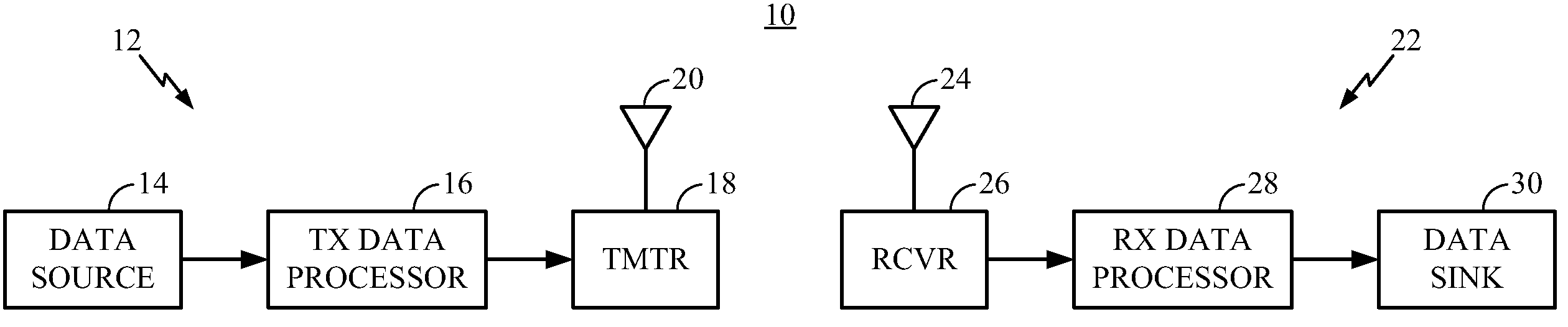
Figure 1 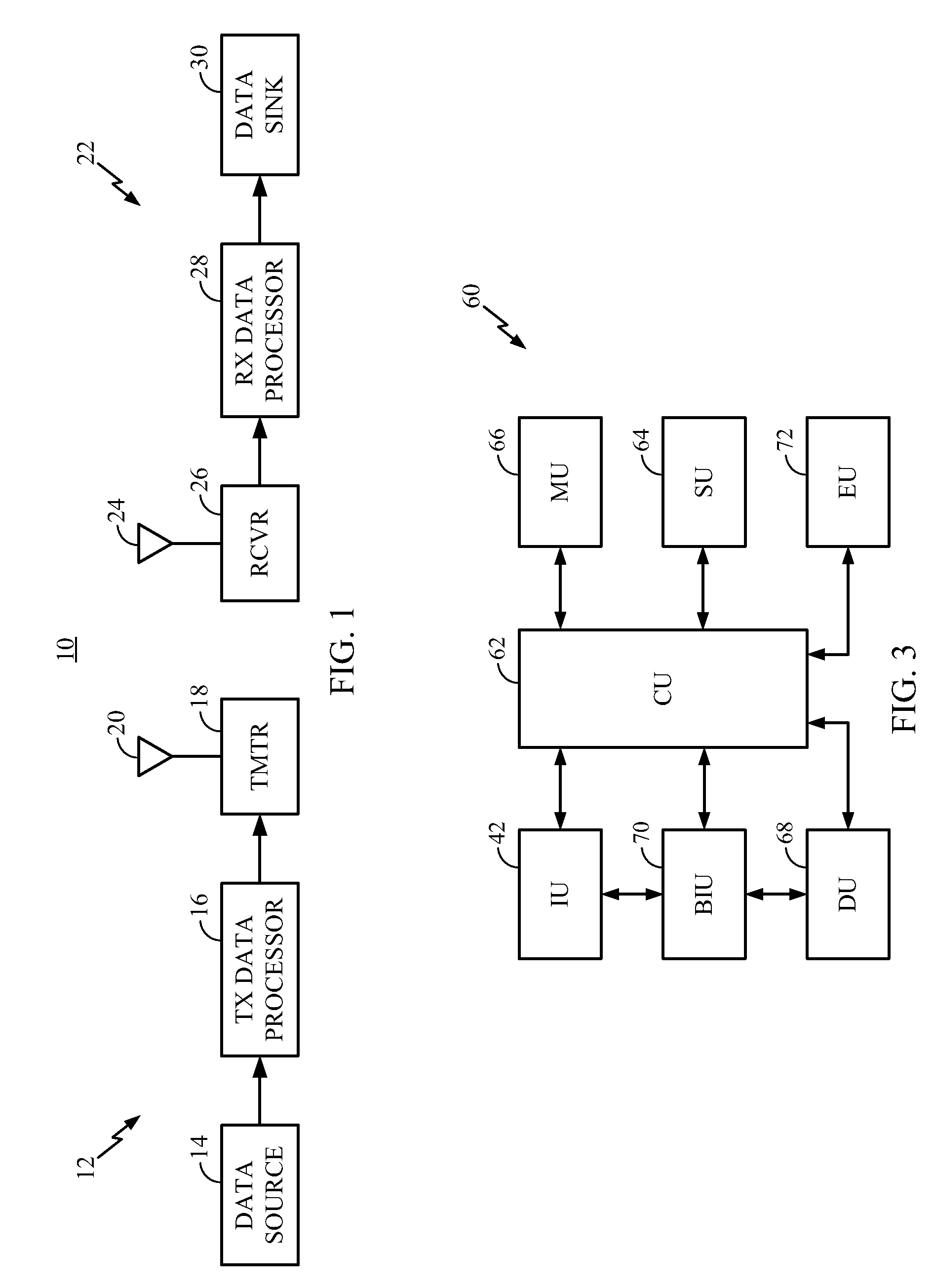
Figure 2 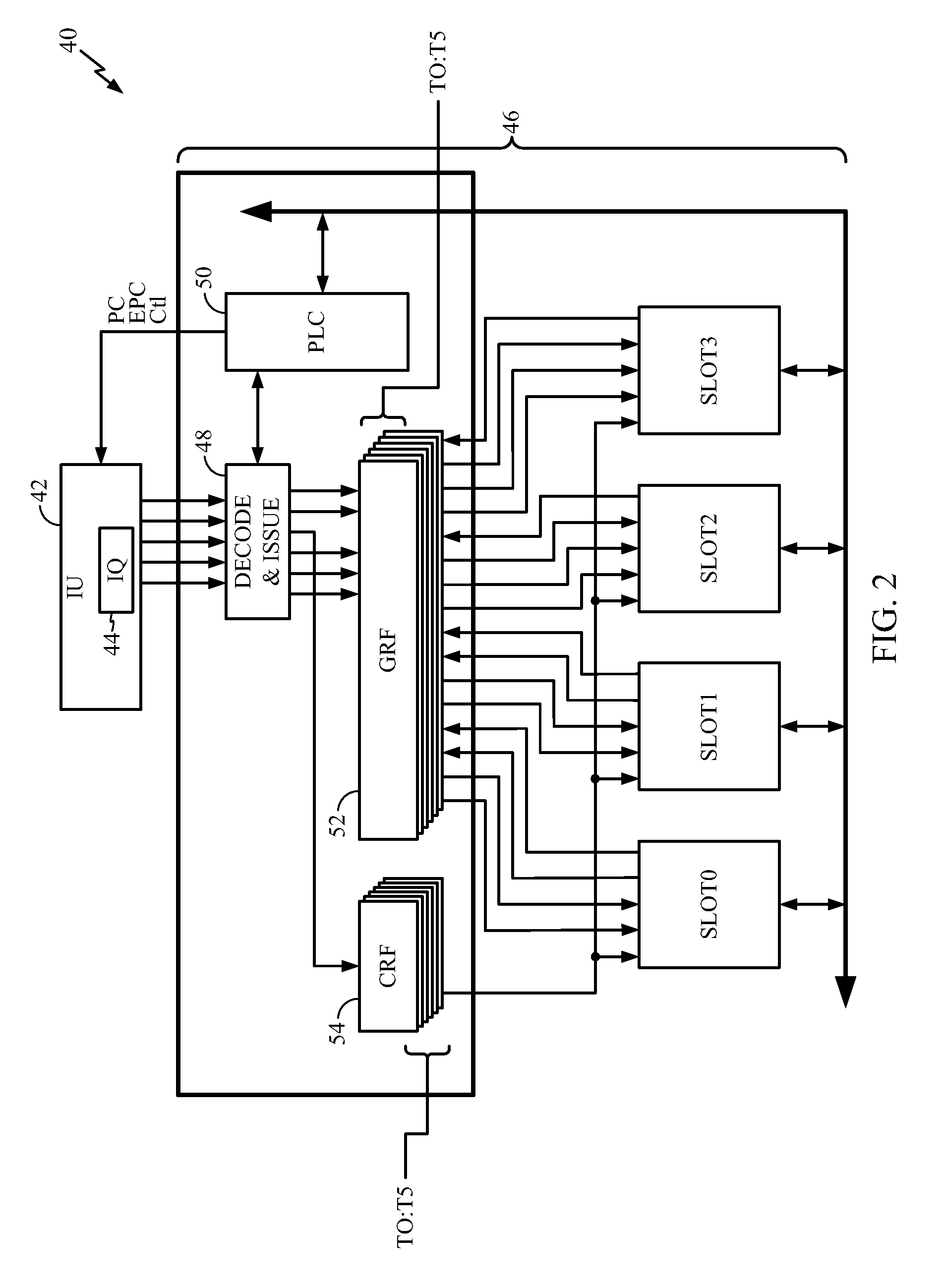
Figure 3
Abstract
Description
[0001] This application is a continuation of Utility application Ser. No. 11 / 437,501 entitled “METHOD ANS SYSTEM FOR MAXIMUM RESIDENCY REPLACEMENT OF CACHE MEMORY” and filed on May 17, 2006.FIELD
[0002] The disclosed subject matter relates to digital signal processing in support of communications products and services. More particularly, this disclosure relates to a novel and improved method and system for maximum residency replacement of cache memory as may find use in a digital signal processor for a handset or other communications system.DESCRIPTION OF THE RELATED ART
[0003] Increasingly, electronic equipment and supporting software applications involve digital signal processing. For example, home theatre, computer graphics, medical imaging and telecommunications applications generally rely on digital signal processing technology. Digital signal processing requires fast math in complex, but repetitive algorithms. Many such applications require computations in real-time, i.e., the sign...
Examples
Embodiment Construction
[0028]The disclosed subject matter of a method and system for maximum residency replacement of cache memory as here presented has use in a very wide variety of digital signal processing applications, including those involving multi-threaded processing. One such application appears in telecommunications and, in particular, in wireless handsets that employ one or more DSP circuits. Consequently, the following FIGUREs describe a telecommunications DSP within which one may use the present teachings. Remember, however, that the implementation here described provides but one of a virtually limitless set of applications to which the disclosed subject matter may apply.
[0029]For the purpose of explaining how such a wireless handset may be used, FIG. 1 provides a simplified block diagram of communications system 10 that may implement the presented embodiments of the disclosed data processing method and system. At transmitter unit 12, data is sent, typically in blocks, from data source 14 to t...