
Separator for separating windings
a separation device and winding technology, applied in the direction of maintaining the distance between parallel conductors, electric cable installations, transportation and packaging, etc., can solve the problems of increasing the exposed surface area of the windings, and achieve the effect of increasing the thickness of the separator, reducing the size of the apparatus, and adding to the bulk of the apparatus
Patent Information
- Authority / Receiving Office
- US · United States
- Patent Type
- Patents(United States)
- Current Assignee / Owner
- Publication Date
- 2011-04-12
Smart Images
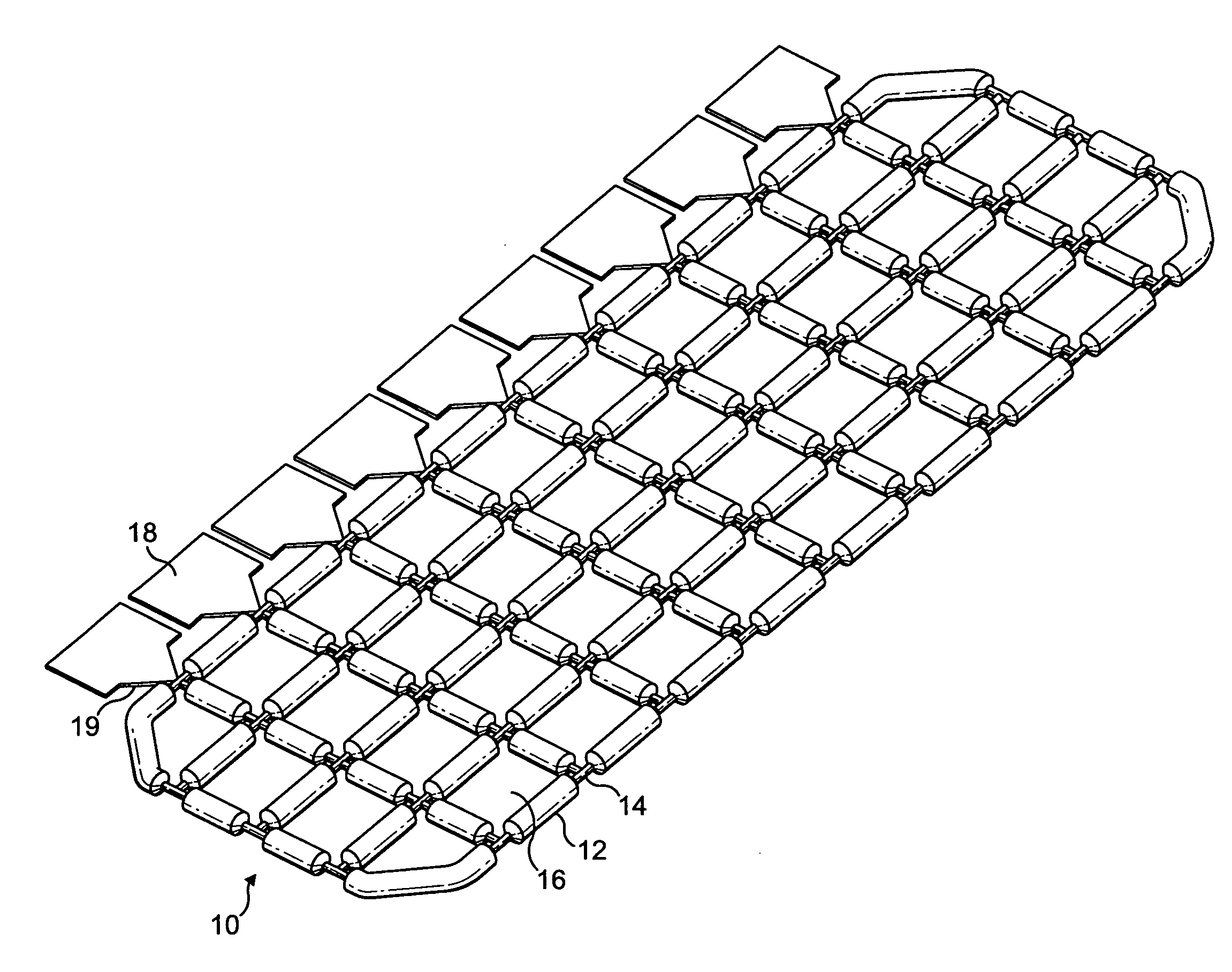
Figure 1 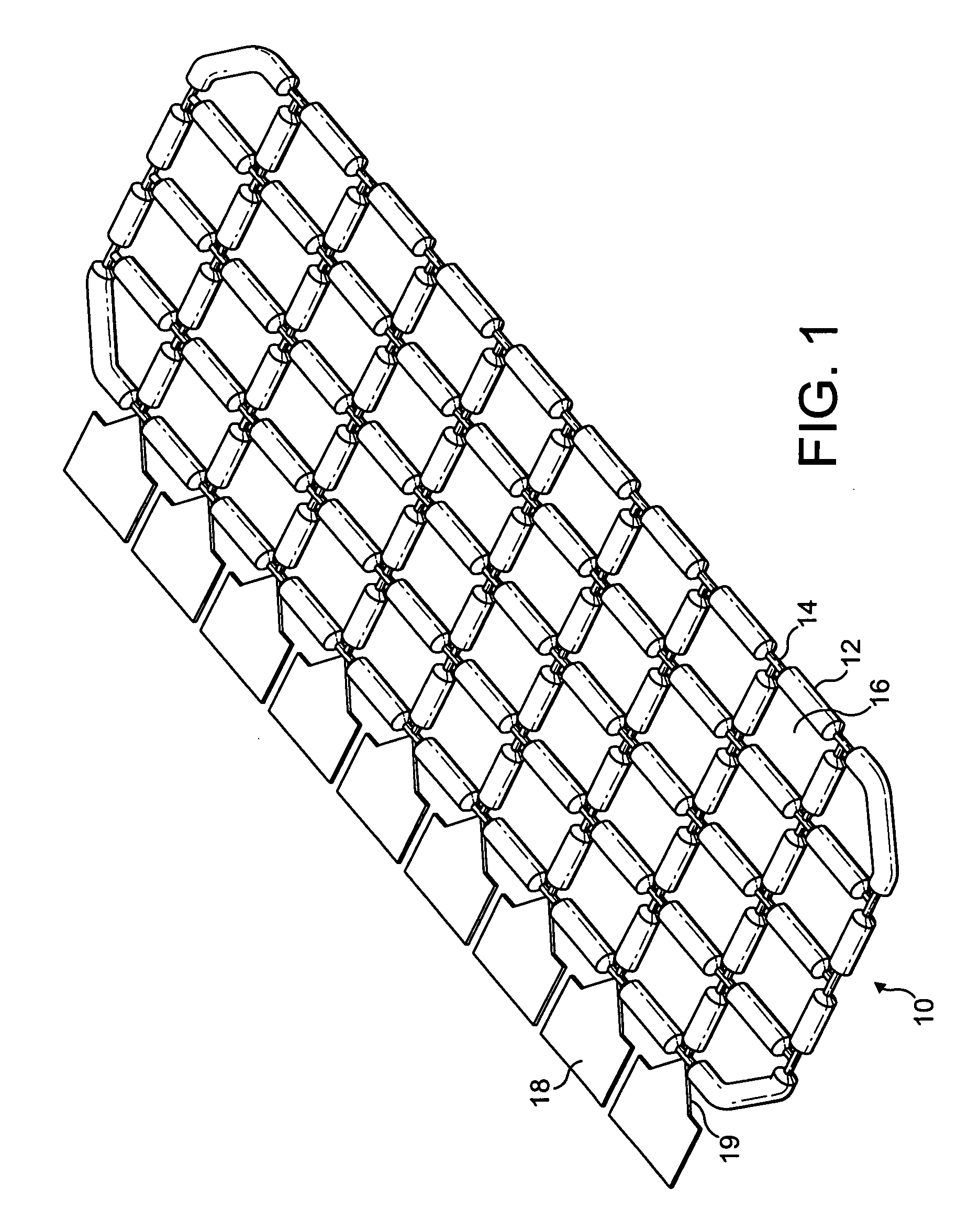
Figure 2 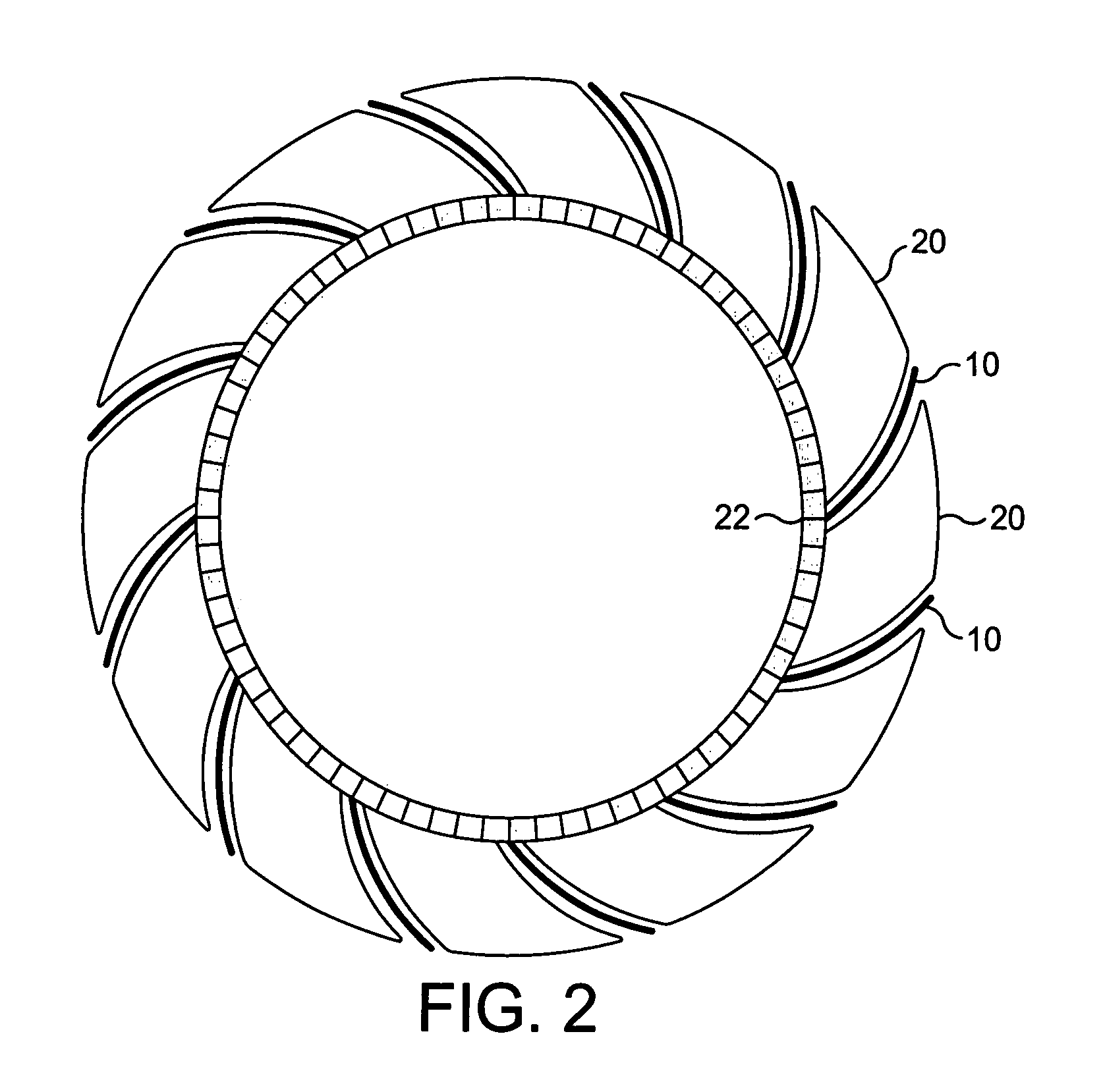
Figure 3
Abstract
Description
BACKGROUND TO THE INVENTION
[0001] The present invention relates to a separator for separating windings in an electrical apparatus.
[0002] Electrical apparatuses such as motors, generators and transformers generally comprise electrical windings wound on an iron core. The individual wires in the windings are electrically insulated by means of an outer insulation layer, which is typically enamel. However faults may develop in the outer insulation layer either due to the manufacturing process, or due to stresses imposed on the wires during construction or use of the apparatus.
[0003] Many electrical machines are constructed with overlapping groups of windings. For example, in a three phase motor or generator each phase many have one or more groups of windings, and each group may overlap another group. In such a machine, overlapping groups of windings may be at different electrical potentials. Any faults in the insulation in the wires could then lead to arcing between the groups. This would m...
Examples
Embodiment Construction
[0038]An embodiment of the present invention relates to a separator for separating groups of windings in an electrical machine such as a generator or motor. In such a machine the stator is normally wound with a number of groups of windings. Normally the number of groups of windings is equal to the number of poles times the number of phases. For example, the stator of a four-pole, three-phase machine may carry twelve groups of windings. In order to achieve a compact design, the groups of windings often overlap with each other.
[0039]In a rotating electrical machine the stator normally acts as the armature and carries the main electrical power. Since windings of different phases may overlap with each other, considerable electrical potential may be present between overlapping groups of windings. This creates the need to separate groups of windings electrically. Previously this has been achieved by providing a layer of composite paper between groups of windings, or substantially increasi...