
Wearable antenna assembly for an in-vivo device
a technology of in-vivo devices and antenna assemblies, which is applied in the direction of antennas, diagnostics, applications, etc., can solve the problems of noisy communication, low transmission power of in-vivo devices, and gi tracts located within the body, so as to maximize signal reception, maximize signal reception, and maximize signal reception
Patent Information
- Authority / Receiving Office
- US · United States
- Patent Type
- Patents(United States)
- Current Assignee / Owner
- Publication Date
- 2014-01-07
Smart Images
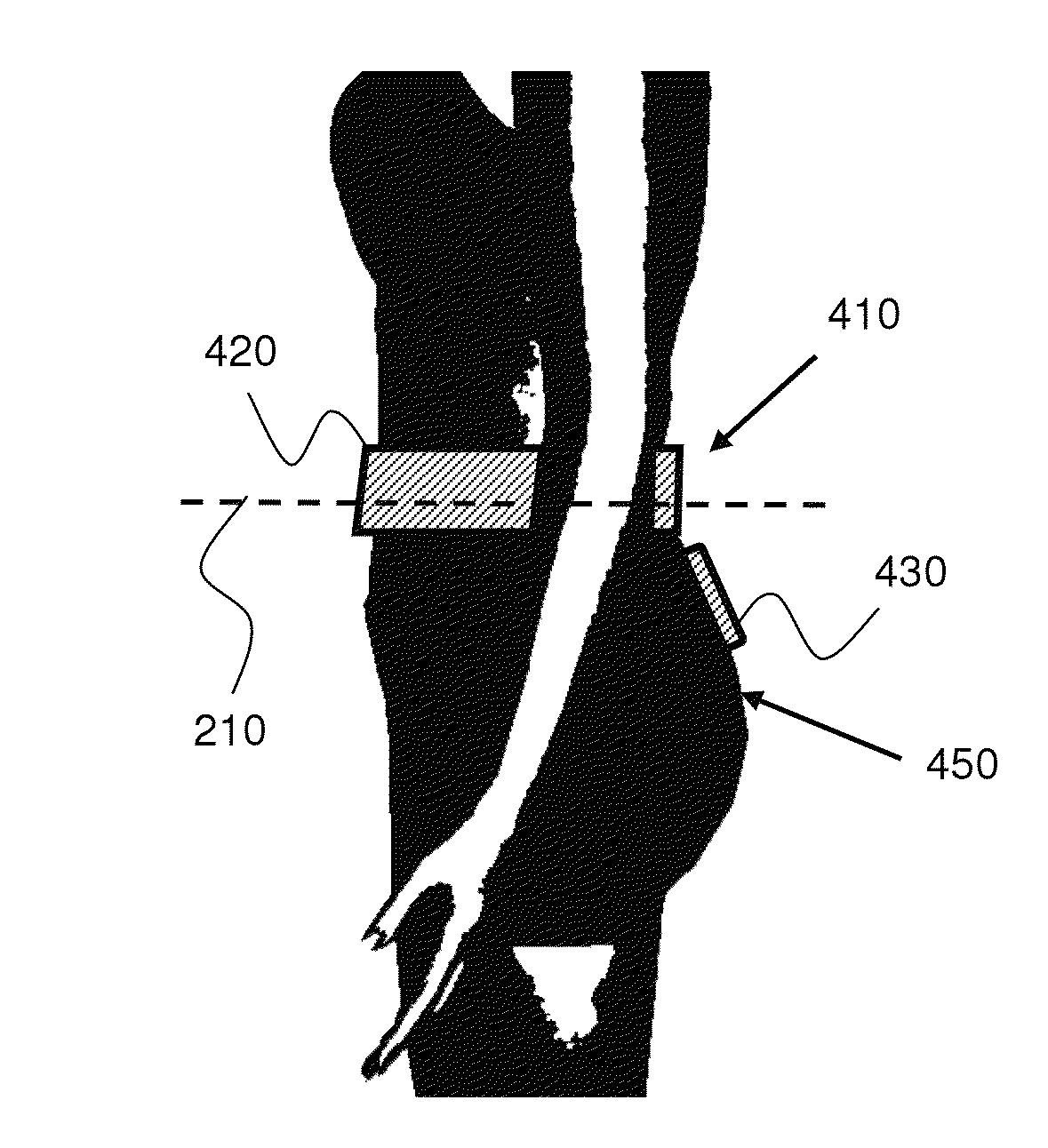
Figure 1 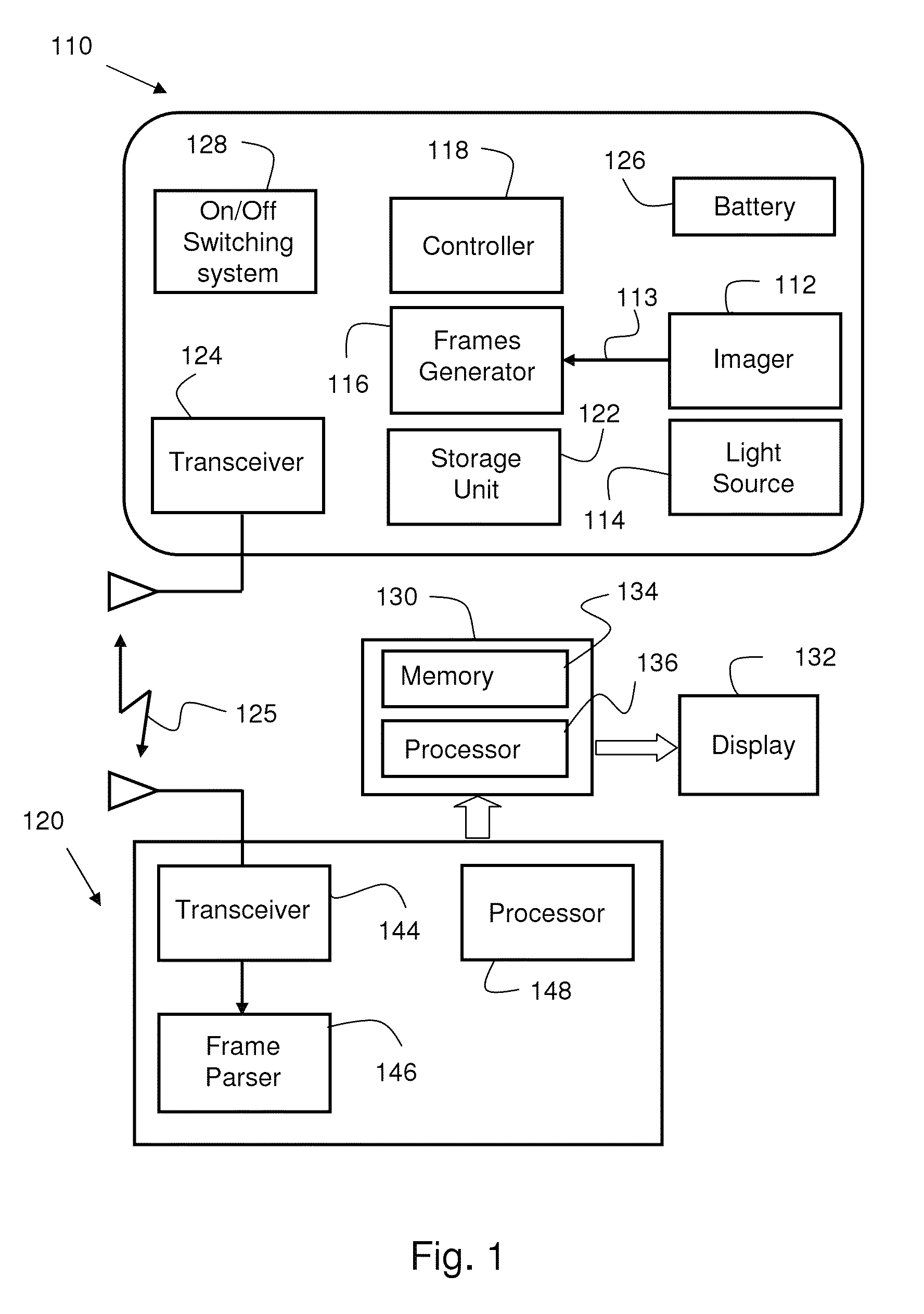
Figure 2 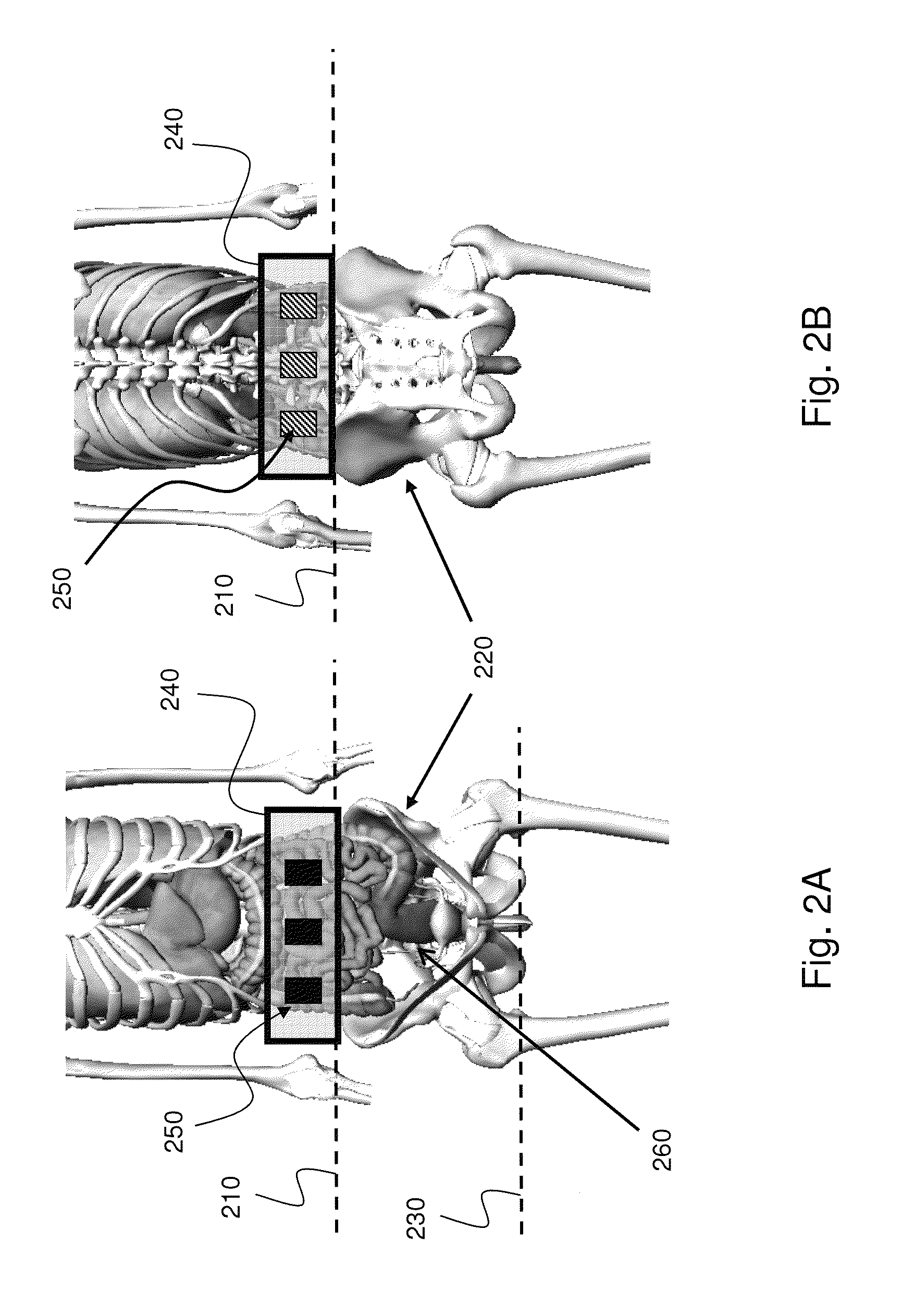
Figure 3
Abstract
Description
FIELD OF THE INVENTION
[0001] The present invention generally relates to an in-vivo sensing system and more specifically to a wearable antenna assembly that facilitates an improved wireless communication between a swallowed in-vivo device and an extra-body receiver or data recorder.BACKGROUND
[0002] In-vivo measuring systems are known in the art. Some autonomous capsule like in-vivo devices, which traverse the gastrointestinal (GI) system, may include an imaging sensor, or imager, for imaging (e.g., capturing images or taking pictures of) the interior of the GI system. An in-vivo device may include one or more imagers and / or sensors of other types (e.g., pH sensor, pressure sensor, temperature sensor, etc.), and / or various types of tools (e.g., micro electro-mechanical system, or “MEMS”), for example to perform surgical operations in vivo and / or to administer medication in the GI system, for example from a container contained in an in-vivo device.
[0003] While in operation (e.g., after sw...
Examples
Embodiment Construction
[0032]The description that follows provides various details of exemplary embodiments. However, this description is not intended to limit the scope of the claims but instead to explain various principles of the invention and the manner of practicing it.
[0033]In an adult male human, the GI tract is 5 meters long in a live subject, or up to 9 meters without the effect of muscle tone, and consists of the upper GI tract and the lower GI tract. The GI tract may also be divided into foregut, midgut, and hindgut. The upper GI tract generally includes the esophagus, stomach, and duodenum. With respect to the GI system the exact demarcation between “upper” and “lower” can vary according to the used convention. The lower GI tract includes most of the small intestine and all of the large intestine.
[0034]When an in-vivo device traverses the GI system, it may move through the lower GI tract passively or controllably. The lower GI tract, which includes most of the small intestine and all of the la...