

Chiplet Applications in Cutting-Edge Sensor Technology
JUL 16, 20259 MIN READ
Generate Your Research Report Instantly with AI Agent
PatSnap Eureka helps you evaluate technical feasibility & market potential.
Chiplet Sensor Tech Evolution and Objectives
Chiplet technology has emerged as a revolutionary approach in the semiconductor industry, offering new possibilities for sensor design and integration. The evolution of chiplet-based sensors can be traced back to the early 2010s when the concept of disaggregating complex system-on-chip (SoC) designs into smaller, more manageable components began to gain traction. This approach was initially driven by the need to overcome the limitations of traditional monolithic chip designs, particularly in terms of scalability and manufacturing yield.
As the semiconductor industry faced increasing challenges in maintaining Moore's Law, chiplet technology presented a viable solution for continuing performance improvements while managing costs and complexity. In the context of sensor technology, chiplets have opened up new avenues for creating highly integrated, multi-functional sensing platforms that can adapt to diverse application requirements.
The primary objective of chiplet applications in cutting-edge sensor technology is to enable the development of more sophisticated, efficient, and versatile sensing systems. By leveraging chiplet architecture, sensor manufacturers aim to achieve higher levels of integration, improved performance, and enhanced flexibility in sensor design. This approach allows for the combination of different sensing modalities, signal processing capabilities, and communication interfaces within a single package, leading to more compact and powerful sensor solutions.
One of the key goals in chiplet-based sensor development is to optimize power consumption and thermal management. By distributing functionalities across multiple chiplets, designers can more effectively manage heat dissipation and power distribution, resulting in sensors that are more energy-efficient and suitable for a wide range of applications, including battery-powered and IoT devices.
Another critical objective is to enhance the scalability and customization of sensor solutions. Chiplet technology enables a modular approach to sensor design, allowing manufacturers to mix and match different chiplets to create tailored solutions for specific industry needs. This flexibility is particularly valuable in rapidly evolving fields such as autonomous vehicles, industrial automation, and healthcare, where sensing requirements can vary significantly across different use cases.
As the technology continues to mature, the sensor industry is focusing on standardizing chiplet interfaces and packaging technologies to facilitate broader adoption and interoperability. This standardization effort aims to create an ecosystem where chiplets from different manufacturers can be seamlessly integrated, fostering innovation and reducing time-to-market for new sensor products.
Looking ahead, the evolution of chiplet-based sensor technology is expected to drive advancements in areas such as edge computing, artificial intelligence, and real-time data processing. By incorporating specialized processing units and AI accelerators alongside sensing elements, future chiplet-based sensors will be capable of performing complex analytics and decision-making tasks directly at the point of data collection, enabling more responsive and intelligent sensing systems.
As the semiconductor industry faced increasing challenges in maintaining Moore's Law, chiplet technology presented a viable solution for continuing performance improvements while managing costs and complexity. In the context of sensor technology, chiplets have opened up new avenues for creating highly integrated, multi-functional sensing platforms that can adapt to diverse application requirements.
The primary objective of chiplet applications in cutting-edge sensor technology is to enable the development of more sophisticated, efficient, and versatile sensing systems. By leveraging chiplet architecture, sensor manufacturers aim to achieve higher levels of integration, improved performance, and enhanced flexibility in sensor design. This approach allows for the combination of different sensing modalities, signal processing capabilities, and communication interfaces within a single package, leading to more compact and powerful sensor solutions.
One of the key goals in chiplet-based sensor development is to optimize power consumption and thermal management. By distributing functionalities across multiple chiplets, designers can more effectively manage heat dissipation and power distribution, resulting in sensors that are more energy-efficient and suitable for a wide range of applications, including battery-powered and IoT devices.
Another critical objective is to enhance the scalability and customization of sensor solutions. Chiplet technology enables a modular approach to sensor design, allowing manufacturers to mix and match different chiplets to create tailored solutions for specific industry needs. This flexibility is particularly valuable in rapidly evolving fields such as autonomous vehicles, industrial automation, and healthcare, where sensing requirements can vary significantly across different use cases.
As the technology continues to mature, the sensor industry is focusing on standardizing chiplet interfaces and packaging technologies to facilitate broader adoption and interoperability. This standardization effort aims to create an ecosystem where chiplets from different manufacturers can be seamlessly integrated, fostering innovation and reducing time-to-market for new sensor products.
Looking ahead, the evolution of chiplet-based sensor technology is expected to drive advancements in areas such as edge computing, artificial intelligence, and real-time data processing. By incorporating specialized processing units and AI accelerators alongside sensing elements, future chiplet-based sensors will be capable of performing complex analytics and decision-making tasks directly at the point of data collection, enabling more responsive and intelligent sensing systems.
Market Demand for Advanced Chiplet-based Sensors
The market demand for advanced chiplet-based sensors is experiencing significant growth, driven by the increasing need for high-performance, energy-efficient, and miniaturized sensing solutions across various industries. Chiplet technology, which allows for the integration of multiple specialized chips into a single package, is revolutionizing sensor design and capabilities, opening up new possibilities for advanced sensing applications.
In the automotive sector, the demand for chiplet-based sensors is particularly strong. As vehicles become more autonomous and connected, there is a growing need for sophisticated sensor systems that can provide accurate and real-time data on the vehicle's surroundings. Chiplet-based sensors offer improved performance and reduced power consumption, making them ideal for advanced driver assistance systems (ADAS) and autonomous driving technologies.
The consumer electronics industry is another major driver of demand for chiplet-based sensors. Smartphones, wearables, and smart home devices are incorporating increasingly complex sensor arrays to enhance user experience and functionality. Chiplet technology enables the integration of multiple sensor types, such as accelerometers, gyroscopes, and environmental sensors, into compact and power-efficient packages, meeting the industry's demand for smaller form factors and longer battery life.
In the industrial and manufacturing sectors, the adoption of Industry 4.0 principles is fueling the demand for advanced sensors. Chiplet-based sensors offer improved precision, reliability, and connectivity, making them essential for applications such as predictive maintenance, process optimization, and quality control. The ability to integrate multiple sensing modalities and processing capabilities within a single package allows for more comprehensive and efficient data collection and analysis in industrial environments.
The healthcare and medical device industry is also showing increasing interest in chiplet-based sensors. These advanced sensors enable the development of more accurate and less invasive diagnostic tools, wearable health monitors, and implantable medical devices. The compact size and low power consumption of chiplet-based sensors make them particularly suitable for long-term health monitoring and point-of-care diagnostics.
The aerospace and defense sectors are driving demand for high-performance sensors capable of operating in extreme environments. Chiplet technology allows for the integration of radiation-hardened components and specialized sensing elements, meeting the stringent requirements of space and military applications.
As the Internet of Things (IoT) continues to expand, the demand for chiplet-based sensors is expected to grow further. These sensors provide the necessary combination of performance, energy efficiency, and connectivity required for large-scale IoT deployments in smart cities, agriculture, and environmental monitoring applications.
The market for chiplet-based sensors is also benefiting from the ongoing trend towards edge computing. By integrating processing capabilities directly into sensor packages, chiplet technology enables more efficient data processing at the edge, reducing latency and bandwidth requirements for IoT and AI applications.
In the automotive sector, the demand for chiplet-based sensors is particularly strong. As vehicles become more autonomous and connected, there is a growing need for sophisticated sensor systems that can provide accurate and real-time data on the vehicle's surroundings. Chiplet-based sensors offer improved performance and reduced power consumption, making them ideal for advanced driver assistance systems (ADAS) and autonomous driving technologies.
The consumer electronics industry is another major driver of demand for chiplet-based sensors. Smartphones, wearables, and smart home devices are incorporating increasingly complex sensor arrays to enhance user experience and functionality. Chiplet technology enables the integration of multiple sensor types, such as accelerometers, gyroscopes, and environmental sensors, into compact and power-efficient packages, meeting the industry's demand for smaller form factors and longer battery life.
In the industrial and manufacturing sectors, the adoption of Industry 4.0 principles is fueling the demand for advanced sensors. Chiplet-based sensors offer improved precision, reliability, and connectivity, making them essential for applications such as predictive maintenance, process optimization, and quality control. The ability to integrate multiple sensing modalities and processing capabilities within a single package allows for more comprehensive and efficient data collection and analysis in industrial environments.
The healthcare and medical device industry is also showing increasing interest in chiplet-based sensors. These advanced sensors enable the development of more accurate and less invasive diagnostic tools, wearable health monitors, and implantable medical devices. The compact size and low power consumption of chiplet-based sensors make them particularly suitable for long-term health monitoring and point-of-care diagnostics.
The aerospace and defense sectors are driving demand for high-performance sensors capable of operating in extreme environments. Chiplet technology allows for the integration of radiation-hardened components and specialized sensing elements, meeting the stringent requirements of space and military applications.
As the Internet of Things (IoT) continues to expand, the demand for chiplet-based sensors is expected to grow further. These sensors provide the necessary combination of performance, energy efficiency, and connectivity required for large-scale IoT deployments in smart cities, agriculture, and environmental monitoring applications.
The market for chiplet-based sensors is also benefiting from the ongoing trend towards edge computing. By integrating processing capabilities directly into sensor packages, chiplet technology enables more efficient data processing at the edge, reducing latency and bandwidth requirements for IoT and AI applications.
Chiplet Integration Challenges in Sensor Technology
The integration of chiplets into cutting-edge sensor technology presents several significant challenges that must be addressed to fully realize the potential of this innovative approach. One of the primary obstacles is the development of high-bandwidth, low-latency interconnects between chiplets. Traditional interconnect technologies may not meet the stringent requirements of advanced sensor systems, necessitating the exploration of novel solutions such as silicon interposers or advanced packaging techniques.
Another critical challenge lies in the thermal management of chiplet-based sensor systems. As sensors often operate in diverse and sometimes harsh environments, ensuring efficient heat dissipation across multiple chiplets becomes crucial. This challenge is further compounded by the need to maintain precise temperature control for optimal sensor performance, particularly in applications requiring high accuracy and sensitivity.
Power management presents yet another hurdle in chiplet integration for sensor technology. Balancing power consumption across multiple chiplets while maintaining overall system efficiency is a complex task. This is especially pertinent in battery-powered or energy-harvesting sensor applications, where power budgets are severely constrained.
The heterogeneous nature of chiplet-based systems introduces challenges in design and verification. Integrating chiplets from different manufacturers, potentially fabricated using different process nodes, requires sophisticated design methodologies and tools. Ensuring seamless interoperability and optimizing overall system performance becomes a multifaceted problem that demands innovative solutions.
Signal integrity and electromagnetic interference (EMI) management are also critical concerns in chiplet-based sensor systems. The close proximity of multiple chiplets can lead to signal crosstalk and EMI issues, potentially compromising sensor accuracy and reliability. Addressing these challenges requires careful consideration of layout, shielding, and signal routing strategies.
Manufacturing and testing of chiplet-based sensor systems present their own set of challenges. Achieving high yields in the assembly process, particularly when integrating chiplets from different sources, requires advanced manufacturing techniques and stringent quality control measures. Additionally, developing comprehensive test strategies for complex, heterogeneous systems is essential to ensure reliability and performance in real-world applications.
Lastly, standardization remains a significant challenge in the chiplet ecosystem. The lack of widely adopted standards for chiplet interfaces, protocols, and packaging can hinder interoperability and limit the potential for a truly modular approach to sensor system design. Overcoming this challenge will require collaboration across the industry to establish common frameworks and specifications for chiplet integration in sensor technology.
Another critical challenge lies in the thermal management of chiplet-based sensor systems. As sensors often operate in diverse and sometimes harsh environments, ensuring efficient heat dissipation across multiple chiplets becomes crucial. This challenge is further compounded by the need to maintain precise temperature control for optimal sensor performance, particularly in applications requiring high accuracy and sensitivity.
Power management presents yet another hurdle in chiplet integration for sensor technology. Balancing power consumption across multiple chiplets while maintaining overall system efficiency is a complex task. This is especially pertinent in battery-powered or energy-harvesting sensor applications, where power budgets are severely constrained.
The heterogeneous nature of chiplet-based systems introduces challenges in design and verification. Integrating chiplets from different manufacturers, potentially fabricated using different process nodes, requires sophisticated design methodologies and tools. Ensuring seamless interoperability and optimizing overall system performance becomes a multifaceted problem that demands innovative solutions.
Signal integrity and electromagnetic interference (EMI) management are also critical concerns in chiplet-based sensor systems. The close proximity of multiple chiplets can lead to signal crosstalk and EMI issues, potentially compromising sensor accuracy and reliability. Addressing these challenges requires careful consideration of layout, shielding, and signal routing strategies.
Manufacturing and testing of chiplet-based sensor systems present their own set of challenges. Achieving high yields in the assembly process, particularly when integrating chiplets from different sources, requires advanced manufacturing techniques and stringent quality control measures. Additionally, developing comprehensive test strategies for complex, heterogeneous systems is essential to ensure reliability and performance in real-world applications.
Lastly, standardization remains a significant challenge in the chiplet ecosystem. The lack of widely adopted standards for chiplet interfaces, protocols, and packaging can hinder interoperability and limit the potential for a truly modular approach to sensor system design. Overcoming this challenge will require collaboration across the industry to establish common frameworks and specifications for chiplet integration in sensor technology.
Current Chiplet Solutions for Sensor Applications
01 Chiplet integration and packaging technologies
Advanced packaging technologies for integrating multiple chiplets into a single package. This includes methods for interconnecting chiplets, thermal management, and optimizing performance in multi-chip modules. The approach allows for combining different process nodes and functionalities in a single package, improving overall system performance and efficiency.- Chiplet integration and packaging: Chiplets are integrated circuit dies that can be combined in a single package to create more complex systems. This approach allows for modular design, improved yield, and cost-effective manufacturing of high-performance computing systems. Advanced packaging technologies are used to interconnect these chiplets, enabling high-bandwidth and low-latency communication between different functional blocks.
- Interconnect technologies for chiplets: Various interconnect technologies are employed to facilitate communication between chiplets. These may include through-silicon vias (TSVs), micro-bumps, and advanced interposers. The choice of interconnect technology affects the overall performance, power consumption, and thermal characteristics of the chiplet-based system.
- Thermal management in chiplet designs: Effective thermal management is crucial in chiplet-based systems due to the high power density and potential hotspots. Innovative cooling solutions, such as integrated liquid cooling or advanced heat spreaders, are developed to maintain optimal operating temperatures and ensure reliability of the chiplet assembly.
- Chiplet-based memory systems: Memory chiplets are used to create high-capacity, high-bandwidth memory subsystems. These can be stacked or placed alongside processing chiplets to optimize data transfer rates and reduce latency. Advanced memory interfaces and 3D stacking technologies are employed to achieve superior memory performance in chiplet-based systems.
- Design and verification of chiplet-based systems: Specialized design tools and methodologies are developed to address the unique challenges of chiplet-based system design. These include tools for system-level optimization, interface standardization, and multi-physics simulations. Verification strategies are adapted to ensure proper functionality and performance of the integrated chiplet system.
02 Chiplet-based system-on-chip (SoC) designs
Innovative approaches to designing complex systems using chiplet architectures. This involves partitioning traditional SoC designs into smaller, reusable chiplets that can be mixed and matched to create customized solutions. The method offers flexibility in design, improved yield, and the ability to combine different IP blocks efficiently.Expand Specific Solutions03 Interconnect technologies for chiplets
Development of high-speed, low-latency interconnect technologies specifically designed for chiplet-to-chiplet communication. This includes advanced interface protocols, die-to-die bridges, and novel packaging substrates that enable seamless integration of multiple chiplets with high bandwidth and energy efficiency.Expand Specific Solutions04 Power management and thermal solutions for chiplet designs
Innovative approaches to managing power consumption and heat dissipation in chiplet-based systems. This includes advanced power gating techniques, dynamic thermal management, and novel cooling solutions tailored for multi-chip packages. These technologies aim to optimize energy efficiency and maintain performance in complex chiplet architectures.Expand Specific Solutions05 Testing and yield improvement for chiplet manufacturing
Specialized testing methodologies and yield improvement techniques for chiplet production. This includes advanced probe technologies, known-good-die testing strategies, and adaptive manufacturing processes that enhance the overall yield and reliability of chiplet-based systems. These approaches address the unique challenges of producing and integrating multiple small die in a single package.Expand Specific Solutions
Key Players in Chiplet Sensor Development
The chiplet applications in cutting-edge sensor technology market is in its early growth stage, characterized by rapid innovation and increasing adoption across various industries. The market size is expanding, driven by demand for more efficient and compact sensor solutions. Technologically, chiplets are advancing quickly, with companies like Micron Technology, Intel, and TSMC leading in development. These firms are leveraging their semiconductor expertise to create modular, high-performance sensor chiplets. Other key players such as Infineon Technologies and NXP Semiconductors are also making significant strides in sensor-specific chiplet applications, focusing on automotive and IoT markets. The technology's maturity is progressing, but standardization and integration challenges remain.
Infineon Technologies AG
Technical Solution: Infineon has developed a chiplet-based approach for sensor technology, focusing on automotive and industrial applications. Their solution integrates various sensor types, including radar, lidar, and environmental sensors, using advanced packaging techniques[4]. Infineon's chiplet design allows for the combination of their XENSIV™ sensor portfolio with high-performance microcontrollers and power management ICs. The company has implemented Through-Silicon Vias (TSVs) and micro-bumps for vertical integration, enabling high-density sensor arrays with improved signal quality and reduced electromagnetic interference[5]. Infineon's chiplet-based sensors also incorporate built-in security features, leveraging their OPTIGA™ trusted platform to ensure data integrity and protect against tampering[6].
Strengths: Strong presence in automotive and industrial markets, comprehensive sensor portfolio, and integrated security features. Weaknesses: Potentially higher costs compared to traditional sensor packages and longer time-to-market for new sensor combinations.
Stmicroelectronics Srl
Technical Solution: STMicroelectronics has developed chiplet-based solutions for cutting-edge sensor technology, leveraging their expertise in MEMS (Micro-Electro-Mechanical Systems) and advanced packaging. Their approach involves integrating multiple sensor chiplets with signal processing and interface chiplets using their proprietary packaging technologies[13]. ST's solution allows for the combination of different sensor types, such as inertial, environmental, and optical sensors, in a single compact package. They have implemented Through-Silicon Vias (TSVs) and copper pillar bumps for high-density vertical integration, enabling improved performance and reduced form factor[14]. ST's chiplet-based sensors also incorporate their STM32 microcontrollers for local processing and their STSAFE secure elements for data protection. The company has demonstrated the ability to integrate their Time-of-Flight (ToF) sensors with other sensor types in a chiplet-based package, enabling advanced 3D sensing capabilities for applications such as augmented reality and robotics[15].
Strengths: Extensive MEMS sensor portfolio, strong presence in automotive and industrial markets, and integrated secure elements. Weaknesses: Potential challenges in scaling production for high-volume consumer applications.
Innovative Chiplet Designs for Sensor Enhancement
Edge interface placements to enable chiplet rotation into multi-chiplet cluster
PatentActiveUS20240170453A1
Innovation
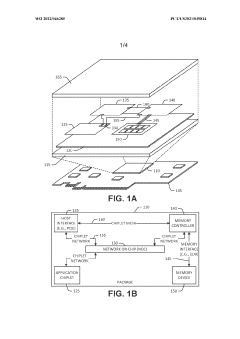
- The implementation of a chiplet architecture that uses a network-on-chip (NOC) with a chiplet protocol interface (CPI) to facilitate high-speed, flexible inter-chiplet communication, combined with a tightly packed matrix arrangement of chiplets and I/O micro-bumps for close-coupled interconnects, to minimize latency and energy consumption.


Method of demand scrubbing by placing corrected data in memory-side cache
PatentWO2022046285A1
Innovation
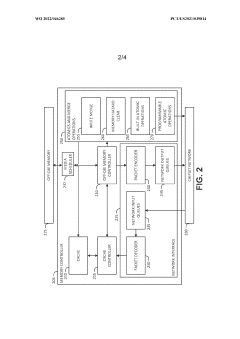
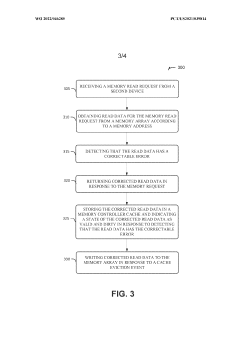
- Implementing a memory controller chiplet with cache management and error correction capabilities that allow for demand scrubbing by storing corrected data in the memory controller cache and writing it back to the storage array during cache eviction events, thereby minimizing the need for additional read-modify-write paths and simplifying data correction.
Supply Chain Considerations for Chiplet Sensors
The supply chain for chiplet-based sensors presents unique challenges and opportunities in the rapidly evolving landscape of cutting-edge sensor technology. As chiplets gain traction in sensor applications, manufacturers must adapt their supply chain strategies to accommodate the modular nature of these components.
One of the primary considerations is the need for a diverse and reliable supplier network. Unlike traditional monolithic sensor designs, chiplet-based sensors require multiple specialized components from various suppliers. This necessitates a more complex supply chain management system, capable of coordinating multiple vendors and ensuring timely delivery of all necessary chiplets.
Standardization plays a crucial role in streamlining the supply chain for chiplet sensors. The development and adoption of industry-wide standards for chiplet interfaces and packaging can significantly reduce compatibility issues and simplify the integration process. This standardization can lead to a more flexible and resilient supply chain, allowing manufacturers to source chiplets from multiple suppliers without compromising performance or compatibility.
Quality control becomes increasingly important in a chiplet-based supply chain. Each individual chiplet must meet stringent quality standards to ensure the overall performance and reliability of the final sensor product. This requires implementing robust testing and validation processes at multiple stages of the supply chain, from individual chiplet production to final sensor assembly.
The modular nature of chiplet-based sensors also introduces new opportunities for inventory management and production flexibility. Manufacturers can potentially maintain a stock of commonly used chiplets, allowing for faster production cycles and more agile responses to market demands. This approach can help reduce lead times and improve overall supply chain efficiency.
However, the increased complexity of chiplet-based sensor supply chains also introduces new risks. Disruptions in the supply of even a single critical chiplet can potentially impact the entire production line. To mitigate these risks, manufacturers must develop robust contingency plans and consider strategies such as multi-sourcing for critical components.
As the chiplet ecosystem evolves, new players may emerge in the supply chain, specializing in specific types of chiplets or offering integration services. This could lead to a more distributed and specialized supply chain landscape, potentially offering greater innovation and cost efficiencies but also requiring more sophisticated coordination and management.
One of the primary considerations is the need for a diverse and reliable supplier network. Unlike traditional monolithic sensor designs, chiplet-based sensors require multiple specialized components from various suppliers. This necessitates a more complex supply chain management system, capable of coordinating multiple vendors and ensuring timely delivery of all necessary chiplets.
Standardization plays a crucial role in streamlining the supply chain for chiplet sensors. The development and adoption of industry-wide standards for chiplet interfaces and packaging can significantly reduce compatibility issues and simplify the integration process. This standardization can lead to a more flexible and resilient supply chain, allowing manufacturers to source chiplets from multiple suppliers without compromising performance or compatibility.
Quality control becomes increasingly important in a chiplet-based supply chain. Each individual chiplet must meet stringent quality standards to ensure the overall performance and reliability of the final sensor product. This requires implementing robust testing and validation processes at multiple stages of the supply chain, from individual chiplet production to final sensor assembly.
The modular nature of chiplet-based sensors also introduces new opportunities for inventory management and production flexibility. Manufacturers can potentially maintain a stock of commonly used chiplets, allowing for faster production cycles and more agile responses to market demands. This approach can help reduce lead times and improve overall supply chain efficiency.
However, the increased complexity of chiplet-based sensor supply chains also introduces new risks. Disruptions in the supply of even a single critical chiplet can potentially impact the entire production line. To mitigate these risks, manufacturers must develop robust contingency plans and consider strategies such as multi-sourcing for critical components.
As the chiplet ecosystem evolves, new players may emerge in the supply chain, specializing in specific types of chiplets or offering integration services. This could lead to a more distributed and specialized supply chain landscape, potentially offering greater innovation and cost efficiencies but also requiring more sophisticated coordination and management.
Standardization Efforts in Chiplet Sensor Technology
Standardization efforts in chiplet sensor technology are gaining momentum as the industry recognizes the need for interoperability and compatibility across different chiplet designs. These efforts aim to establish common interfaces, protocols, and design methodologies to facilitate the integration of diverse sensor chiplets into complex systems.
One of the primary standardization initiatives is the development of die-to-die (D2D) interconnect standards. Organizations such as the Open Compute Project (OCP) and the CHIPS Alliance are working on defining standardized protocols for high-speed, low-power communication between chiplets. These standards address critical aspects such as signal integrity, power management, and thermal considerations specific to sensor chiplets.
Another key area of standardization focuses on packaging and integration techniques. The Joint Electron Device Engineering Council (JEDEC) is actively developing standards for advanced packaging technologies, including those relevant to chiplet-based sensor systems. These standards encompass thermal management, mechanical stress, and reliability considerations unique to multi-chiplet sensor packages.
Interoperability testing and certification programs are also emerging to ensure compliance with established standards. Industry consortia are developing test suites and validation methodologies to verify the compatibility of chiplet-based sensor components from different manufacturers. This effort is crucial for building a robust ecosystem of interoperable chiplet sensors.
Data formats and communication protocols for sensor chiplets are another focus of standardization efforts. Organizations like the Sensor Open Systems Architecture (SOSA) consortium are working on defining common data structures and interfaces for sensor systems, which can be applied to chiplet-based designs. These standards aim to simplify system integration and enable seamless data exchange between different sensor chiplets and processing units.
Efforts are also underway to standardize design methodologies and tools for chiplet-based sensor systems. EDA tool vendors and industry working groups are collaborating to develop standardized design flows, verification methodologies, and simulation models specific to chiplet sensor architectures. These initiatives aim to streamline the design process and reduce time-to-market for chiplet-based sensor products.
As the field of chiplet sensor technology continues to evolve, standardization efforts will play a crucial role in fostering innovation and market growth. By establishing common ground rules and interfaces, these initiatives will enable greater collaboration among sensor manufacturers, system integrators, and end-users, ultimately driving the adoption of chiplet-based solutions in cutting-edge sensor applications.
One of the primary standardization initiatives is the development of die-to-die (D2D) interconnect standards. Organizations such as the Open Compute Project (OCP) and the CHIPS Alliance are working on defining standardized protocols for high-speed, low-power communication between chiplets. These standards address critical aspects such as signal integrity, power management, and thermal considerations specific to sensor chiplets.
Another key area of standardization focuses on packaging and integration techniques. The Joint Electron Device Engineering Council (JEDEC) is actively developing standards for advanced packaging technologies, including those relevant to chiplet-based sensor systems. These standards encompass thermal management, mechanical stress, and reliability considerations unique to multi-chiplet sensor packages.
Interoperability testing and certification programs are also emerging to ensure compliance with established standards. Industry consortia are developing test suites and validation methodologies to verify the compatibility of chiplet-based sensor components from different manufacturers. This effort is crucial for building a robust ecosystem of interoperable chiplet sensors.
Data formats and communication protocols for sensor chiplets are another focus of standardization efforts. Organizations like the Sensor Open Systems Architecture (SOSA) consortium are working on defining common data structures and interfaces for sensor systems, which can be applied to chiplet-based designs. These standards aim to simplify system integration and enable seamless data exchange between different sensor chiplets and processing units.
Efforts are also underway to standardize design methodologies and tools for chiplet-based sensor systems. EDA tool vendors and industry working groups are collaborating to develop standardized design flows, verification methodologies, and simulation models specific to chiplet sensor architectures. These initiatives aim to streamline the design process and reduce time-to-market for chiplet-based sensor products.
As the field of chiplet sensor technology continues to evolve, standardization efforts will play a crucial role in fostering innovation and market growth. By establishing common ground rules and interfaces, these initiatives will enable greater collaboration among sensor manufacturers, system integrators, and end-users, ultimately driving the adoption of chiplet-based solutions in cutting-edge sensor applications.
Unlock deeper insights with PatSnap Eureka Quick Research — get a full tech report to explore trends and direct your research. Try now!
Generate Your Research Report Instantly with AI Agent
Supercharge your innovation with PatSnap Eureka AI Agent Platform!