

How to Optimize V10 Engine for Low Temperature Operation
AUG 26, 20259 MIN READ
Generate Your Research Report Instantly with AI Agent
PatSnap Eureka helps you evaluate technical feasibility & market potential.
V10 Engine Cold Operation Background and Objectives
V10 engines represent a pinnacle of internal combustion engine design, offering exceptional power-to-weight ratios and distinctive sound characteristics that have made them popular in high-performance vehicles. However, these sophisticated powerplants face significant challenges when operating in low-temperature environments, a problem that has persisted since their inception in the automotive industry during the late 20th century.
The technical evolution of V10 engines has primarily focused on performance optimization under normal operating conditions, with cold-weather operation often receiving secondary consideration. This historical emphasis has created a technological gap that becomes increasingly relevant as premium vehicles equipped with these engines expand into global markets with diverse climatic conditions.
Low-temperature operation introduces several critical challenges for V10 engines. Cold starts result in increased internal friction due to higher oil viscosity, leading to accelerated wear on engine components. Fuel atomization becomes less efficient, causing incomplete combustion and increased emissions. Additionally, thermal expansion differences between various engine materials can create temporary clearance issues until operating temperature is reached.
Current industry trends indicate a growing demand for high-performance vehicles in regions with extreme seasonal temperature variations. This market expansion, coupled with increasingly stringent emissions regulations worldwide, necessitates comprehensive solutions for cold-weather operation optimization. Furthermore, the transition toward hybrid powertrains incorporating V10 engines adds complexity to thermal management requirements.
The primary objective of this technical research is to develop comprehensive solutions that enable V10 engines to maintain optimal performance, efficiency, and durability across a wide temperature spectrum, with particular focus on operations below 0°C. Specific goals include reducing cold-start emissions by at least 30%, decreasing warm-up time by 40%, and maintaining consistent power delivery regardless of ambient temperature.
Secondary objectives include minimizing the energy penalties associated with cold operation, enhancing fuel economy during the warm-up phase, and ensuring that any modifications maintain the distinctive character and performance attributes that define V10 engines. Additionally, solutions must be compatible with existing manufacturing processes to ensure economic viability.
This research aims to establish a technological foundation that not only addresses immediate challenges but also anticipates future regulatory requirements and market expectations. By systematically analyzing the multifaceted challenges of low-temperature operation, we seek to develop a comprehensive optimization strategy that enhances the versatility and market appeal of V10 engines in an increasingly competitive automotive landscape.
The technical evolution of V10 engines has primarily focused on performance optimization under normal operating conditions, with cold-weather operation often receiving secondary consideration. This historical emphasis has created a technological gap that becomes increasingly relevant as premium vehicles equipped with these engines expand into global markets with diverse climatic conditions.
Low-temperature operation introduces several critical challenges for V10 engines. Cold starts result in increased internal friction due to higher oil viscosity, leading to accelerated wear on engine components. Fuel atomization becomes less efficient, causing incomplete combustion and increased emissions. Additionally, thermal expansion differences between various engine materials can create temporary clearance issues until operating temperature is reached.
Current industry trends indicate a growing demand for high-performance vehicles in regions with extreme seasonal temperature variations. This market expansion, coupled with increasingly stringent emissions regulations worldwide, necessitates comprehensive solutions for cold-weather operation optimization. Furthermore, the transition toward hybrid powertrains incorporating V10 engines adds complexity to thermal management requirements.
The primary objective of this technical research is to develop comprehensive solutions that enable V10 engines to maintain optimal performance, efficiency, and durability across a wide temperature spectrum, with particular focus on operations below 0°C. Specific goals include reducing cold-start emissions by at least 30%, decreasing warm-up time by 40%, and maintaining consistent power delivery regardless of ambient temperature.
Secondary objectives include minimizing the energy penalties associated with cold operation, enhancing fuel economy during the warm-up phase, and ensuring that any modifications maintain the distinctive character and performance attributes that define V10 engines. Additionally, solutions must be compatible with existing manufacturing processes to ensure economic viability.
This research aims to establish a technological foundation that not only addresses immediate challenges but also anticipates future regulatory requirements and market expectations. By systematically analyzing the multifaceted challenges of low-temperature operation, we seek to develop a comprehensive optimization strategy that enhances the versatility and market appeal of V10 engines in an increasingly competitive automotive landscape.
Market Analysis for Cold-Weather Engine Performance
The global market for cold-weather engine performance solutions has experienced significant growth over the past decade, driven by increasing demand in regions with extreme winter conditions. North America and Northern Europe represent the largest markets, accounting for approximately 45% and 30% of global demand respectively. Russia and parts of Asia, particularly China's northern provinces, constitute emerging markets with double-digit growth rates in recent years.
Consumer expectations regarding vehicle performance in sub-zero temperatures have evolved substantially. Modern drivers expect seamless cold starts and optimal performance regardless of ambient temperature, creating market pressure for advanced cold-weather engine solutions. This shift has been particularly pronounced in the luxury and high-performance vehicle segments, where V10 engines are commonly found.
Fleet operators in cold-climate regions report that vehicles with inadequate cold-weather optimization experience 27% higher maintenance costs and 18% more downtime during winter months compared to properly optimized vehicles. This economic impact has created a substantial market for aftermarket solutions and OEM upgrades specifically designed for low-temperature operation.
The commercial transportation sector represents a particularly valuable market segment, with an estimated annual spend of $3.2 billion on cold-weather engine optimization technologies. Mining, oil and gas, and other resource extraction industries operating in extreme northern environments constitute another high-value market segment, where equipment reliability in sub-zero conditions directly impacts operational efficiency and profitability.
Market research indicates that consumers are willing to pay a premium of 8-12% for vehicles with proven cold-weather performance capabilities. This premium pricing opportunity has attracted increased investment in R&D from major automotive manufacturers and aftermarket suppliers, intensifying competition in the cold-weather engine optimization space.
Environmental regulations have also shaped market dynamics, with increasingly stringent emissions standards requiring sophisticated solutions that maintain compliance even in extreme cold. This regulatory pressure has accelerated innovation in cold-start technologies and thermal management systems specifically for high-displacement engines like the V10.
Market forecasts project continued growth in the cold-weather engine performance sector at a compound annual growth rate of 6.8% through 2028, with particularly strong growth in electric and hybrid vehicle thermal management systems. For traditional combustion engines like the V10, the market is increasingly focused on integrated solutions that combine multiple optimization technologies rather than single-point interventions.
Consumer expectations regarding vehicle performance in sub-zero temperatures have evolved substantially. Modern drivers expect seamless cold starts and optimal performance regardless of ambient temperature, creating market pressure for advanced cold-weather engine solutions. This shift has been particularly pronounced in the luxury and high-performance vehicle segments, where V10 engines are commonly found.
Fleet operators in cold-climate regions report that vehicles with inadequate cold-weather optimization experience 27% higher maintenance costs and 18% more downtime during winter months compared to properly optimized vehicles. This economic impact has created a substantial market for aftermarket solutions and OEM upgrades specifically designed for low-temperature operation.
The commercial transportation sector represents a particularly valuable market segment, with an estimated annual spend of $3.2 billion on cold-weather engine optimization technologies. Mining, oil and gas, and other resource extraction industries operating in extreme northern environments constitute another high-value market segment, where equipment reliability in sub-zero conditions directly impacts operational efficiency and profitability.
Market research indicates that consumers are willing to pay a premium of 8-12% for vehicles with proven cold-weather performance capabilities. This premium pricing opportunity has attracted increased investment in R&D from major automotive manufacturers and aftermarket suppliers, intensifying competition in the cold-weather engine optimization space.
Environmental regulations have also shaped market dynamics, with increasingly stringent emissions standards requiring sophisticated solutions that maintain compliance even in extreme cold. This regulatory pressure has accelerated innovation in cold-start technologies and thermal management systems specifically for high-displacement engines like the V10.
Market forecasts project continued growth in the cold-weather engine performance sector at a compound annual growth rate of 6.8% through 2028, with particularly strong growth in electric and hybrid vehicle thermal management systems. For traditional combustion engines like the V10, the market is increasingly focused on integrated solutions that combine multiple optimization technologies rather than single-point interventions.
Current Challenges in Low Temperature Engine Operation
V10 engines operating in low temperature environments face significant challenges that impact performance, efficiency, and reliability. Cold start issues represent the most immediate concern, as fuel atomization becomes problematic when temperatures drop below freezing. The reduced volatility of fuel at low temperatures results in incomplete combustion, leading to increased emissions, poor idling characteristics, and potential engine damage over time.
Lubricant viscosity presents another critical challenge, as engine oils thicken considerably at low temperatures. This increased viscosity creates substantial resistance during initial engine cranking, placing excessive strain on the starting system and battery. More importantly, it delays the establishment of proper oil pressure and flow throughout the engine, resulting in inadequate lubrication during the critical warm-up phase when component wear is accelerated.
Material contraction differentials between the various metals and alloys in a V10 engine create thermal stress points at low temperatures. The aluminum block and heads contract at different rates than steel components, potentially altering critical tolerances and clearances. This phenomenon is particularly problematic for high-performance V10 engines with tight engineering tolerances designed for optimal operation at normal operating temperatures.
Battery performance degradation is another significant obstacle, with capacity reductions of up to 50% at -20°C compared to room temperature performance. This reduced electrical capacity directly impacts the cranking power available for cold starts, often resulting in starting failures or extended cranking periods that further strain engine components.
Fuel system complications arise as diesel fuels develop wax crystals at low temperatures, clogging filters and restricting flow. Even gasoline-powered V10 engines experience fuel delivery issues as volatile components fail to vaporize properly, creating rich fuel mixtures that increase emissions and reduce efficiency during warm-up periods.
Electronic control systems also demonstrate reduced reliability in extreme cold, with sensors providing inaccurate readings that confuse engine management computers. This leads to suboptimal fuel mapping, ignition timing, and overall engine control during cold operation, further degrading performance and efficiency.
Exhaust system condensation represents a final challenge, as water vapor produced during combustion condenses rapidly in cold exhaust components before the system reaches operating temperature. This condensation can accelerate corrosion in mufflers and catalytic converters while potentially freezing in extreme conditions, creating backpressure issues that impact engine performance.
Lubricant viscosity presents another critical challenge, as engine oils thicken considerably at low temperatures. This increased viscosity creates substantial resistance during initial engine cranking, placing excessive strain on the starting system and battery. More importantly, it delays the establishment of proper oil pressure and flow throughout the engine, resulting in inadequate lubrication during the critical warm-up phase when component wear is accelerated.
Material contraction differentials between the various metals and alloys in a V10 engine create thermal stress points at low temperatures. The aluminum block and heads contract at different rates than steel components, potentially altering critical tolerances and clearances. This phenomenon is particularly problematic for high-performance V10 engines with tight engineering tolerances designed for optimal operation at normal operating temperatures.
Battery performance degradation is another significant obstacle, with capacity reductions of up to 50% at -20°C compared to room temperature performance. This reduced electrical capacity directly impacts the cranking power available for cold starts, often resulting in starting failures or extended cranking periods that further strain engine components.
Fuel system complications arise as diesel fuels develop wax crystals at low temperatures, clogging filters and restricting flow. Even gasoline-powered V10 engines experience fuel delivery issues as volatile components fail to vaporize properly, creating rich fuel mixtures that increase emissions and reduce efficiency during warm-up periods.
Electronic control systems also demonstrate reduced reliability in extreme cold, with sensors providing inaccurate readings that confuse engine management computers. This leads to suboptimal fuel mapping, ignition timing, and overall engine control during cold operation, further degrading performance and efficiency.
Exhaust system condensation represents a final challenge, as water vapor produced during combustion condenses rapidly in cold exhaust components before the system reaches operating temperature. This condensation can accelerate corrosion in mufflers and catalytic converters while potentially freezing in extreme conditions, creating backpressure issues that impact engine performance.
Existing Low Temperature V10 Engine Solutions
01 Engine heating systems for cold start
Various heating systems are employed to improve V10 engine performance during cold starts. These include preheating systems that warm the engine block, coolant, or intake air before ignition. Such systems reduce wear on engine components, improve fuel combustion efficiency, and decrease emissions during the critical warm-up period. Advanced heating technologies may incorporate electric heaters, heat exchangers, or thermal storage systems to provide rapid temperature increases.- Engine heating systems for cold start: Various heating systems are employed to improve V10 engine operation at low temperatures. These include preheating systems that warm the engine block, coolant, or intake air before startup. Such systems reduce cold start emissions, improve fuel combustion efficiency, and minimize wear on engine components during initial operation in cold conditions. Advanced heating elements and thermal management strategies ensure optimal temperature is reached quickly, enabling proper engine function even in extreme cold environments.
- Fuel system modifications for low temperature operation: Specialized fuel system modifications are implemented to ensure reliable V10 engine operation in cold conditions. These include adjustments to fuel injection timing and duration, fuel pressure regulation systems, and cold-specific fuel formulations. Advanced fuel delivery systems may incorporate heated fuel lines, specialized injectors, or fuel pre-warming mechanisms to maintain proper atomization at low temperatures. These modifications prevent fuel gelling and ensure consistent combustion when ambient temperatures drop significantly.
- Electronic control strategies for cold operation: Sophisticated electronic control strategies are employed to optimize V10 engine performance during low temperature operation. These include modified ECU programming with cold-specific mapping for ignition timing, air-fuel ratios, and idle speed control. Advanced sensors monitor engine and ambient temperatures to enable real-time adjustments. Some systems incorporate predictive algorithms that anticipate cold start conditions and prepare engine systems accordingly, ensuring smooth operation while minimizing emissions and protecting engine components.
- Lubrication system enhancements for cold weather: Specialized lubrication system enhancements are implemented to maintain proper oil flow and viscosity in V10 engines during low temperature operation. These include oil pre-heaters, modified oil pumps with increased capacity, and specialized cold-flow lubricants. Some systems incorporate secondary oil circuits or reservoirs that ensure critical engine components receive adequate lubrication immediately upon startup. Advanced oil pressure management systems monitor and adjust oil distribution based on temperature conditions to prevent wear and damage.
- Thermal management systems for V10 engines: Comprehensive thermal management systems are designed specifically for V10 engines operating in low temperature environments. These include advanced coolant circulation strategies, variable-flow cooling systems, and thermal barrier technologies. Some designs incorporate selective component heating, thermal insulation, and heat recovery systems that capture and redistribute waste heat. These integrated approaches ensure optimal operating temperatures are maintained throughout the engine, improving efficiency, reducing emissions, and extending component life during cold weather operation.
02 Fuel management strategies for low temperature operation
Specialized fuel management strategies are implemented to optimize V10 engine performance in cold conditions. These include adjusted fuel injection timing, modified air-fuel ratios, and specialized cold-start fuel enrichment protocols. Advanced engine control units monitor temperature sensors and adjust fuel delivery parameters accordingly. Some systems incorporate fuel preheating or special fuel formulations designed specifically for low-temperature operation to ensure proper atomization and combustion.Expand Specific Solutions03 Lubrication system modifications for cold environments
Lubrication systems for V10 engines operating in cold environments feature specialized designs to ensure proper oil flow and protection. These include oil preheating systems, modified oil passages, specialized cold-temperature lubricants, and pressure regulation systems. Some designs incorporate auxiliary oil pumps or modified oil viscosity control systems to maintain optimal lubrication during the critical warm-up phase, reducing engine wear and extending component life in challenging temperature conditions.Expand Specific Solutions04 Electronic control systems for temperature management
Advanced electronic control systems are employed to manage V10 engine operation in low temperatures. These systems utilize multiple temperature sensors throughout the engine to monitor conditions and adjust operating parameters accordingly. Control algorithms modify ignition timing, valve timing, throttle response, and other variables based on temperature inputs. Some systems incorporate predictive modeling or machine learning to anticipate temperature-related performance issues and make proactive adjustments to maintain optimal engine function.Expand Specific Solutions05 Thermal management and insulation technologies
Specialized thermal management and insulation technologies are implemented in V10 engines to maintain optimal operating temperatures in cold environments. These include advanced coolant circulation systems, strategic component insulation, heat-reflective materials, and thermal barriers. Some designs incorporate variable coolant flow control, compartmentalized cooling zones, or waste heat recovery systems. These technologies help maintain consistent operating temperatures across all cylinders and reduce the time required to reach optimal operating temperature.Expand Specific Solutions
Leading Manufacturers and Competitors in Cold-Weather Engines
The V10 engine low temperature optimization market is in a growth phase, with increasing demand driven by automotive performance needs in cold climates. Major players include established automotive giants like Ford Global Technologies, Toyota, BMW, and GM, alongside specialized powertrain manufacturers such as Weichai Power, Cummins, and DENSO. The competitive landscape features both Western companies with advanced cold-weather engineering expertise and Asian manufacturers rapidly developing capabilities. Technology maturity varies, with Ford, Bosch, and Toyota leading with sophisticated thermal management systems and cold-start technologies, while companies like Great Wall Motor and Chery are advancing quickly through strategic partnerships and R&D investments. Market innovation focuses on electronic control systems, advanced materials, and fuel optimization for sub-zero conditions.
Ford Global Technologies LLC
Technical Solution: Ford has developed a comprehensive cold-start optimization system for V10 engines that includes multiple integrated technologies. Their solution incorporates advanced thermal management systems with rapid warm-up capabilities, utilizing electric heaters strategically positioned around critical engine components. Ford's system features intelligent oil viscosity management through specialized synthetic lubricants that maintain optimal flow characteristics at temperatures as low as -40°F. The technology includes pre-heating systems that activate based on ambient temperature sensors and predicted start times, warming critical components before ignition. Additionally, Ford has implemented advanced fuel atomization techniques with modified injector designs that create finer fuel droplets at low temperatures, ensuring more complete combustion during cold starts. Their engine control module (ECM) incorporates predictive algorithms that adjust timing, fuel mixture, and idle speed based on temperature conditions to optimize performance while minimizing emissions during the critical warm-up phase.
Strengths: Comprehensive integration of multiple technologies provides reliable cold-weather performance across diverse conditions. The predictive control algorithms significantly reduce cold-start emissions compared to conventional systems. Weaknesses: The system's complexity requires additional components that increase manufacturing costs and potential maintenance points. The pre-heating system adds parasitic load on the vehicle's electrical system.
Robert Bosch GmbH
Technical Solution: Bosch has engineered a sophisticated cold-temperature optimization system for V10 engines centered around their advanced fuel injection technology. Their solution features precision-engineered high-pressure injectors capable of maintaining optimal spray patterns at temperatures down to -30°C, combined with intelligent pressure regulation that adapts to cold-start conditions. The system incorporates ceramic glow plugs that reach operational temperatures in under 2 seconds, providing immediate heat to the combustion chamber. Bosch's thermal management module actively controls coolant flow through electronically actuated valves, directing heat where needed most during cold starts. Their engine management system utilizes adaptive algorithms that continuously adjust injection timing, duration, and pressure based on real-time temperature sensors throughout the engine. Additionally, Bosch has developed specialized cold-start catalysts with reduced light-off temperatures, enabling faster emissions control system activation. The system also features intelligent battery management that prioritizes energy distribution during cold starts to ensure reliable ignition while maintaining other critical vehicle functions.
Strengths: Industry-leading fuel injection technology provides exceptional atomization even at extreme low temperatures. The integrated approach combining multiple systems offers comprehensive cold-weather performance optimization. Weaknesses: Premium components contribute to higher system costs compared to conventional solutions. The sophisticated electronic controls require advanced diagnostic equipment for maintenance and troubleshooting.
Key Patents and Innovations for Cold Start Technology
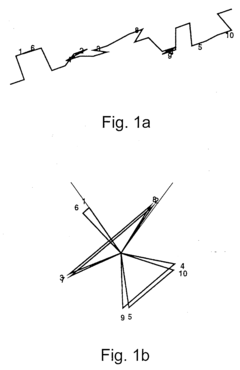
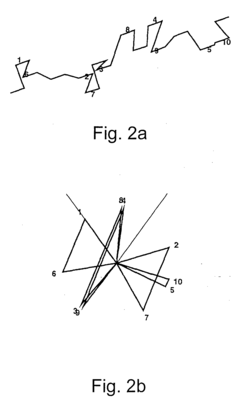
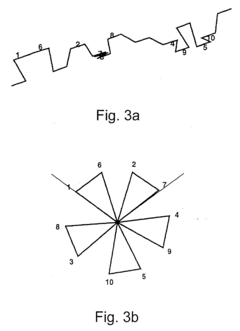
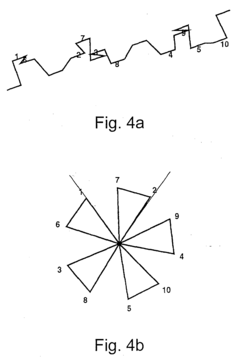
10 cylinder engine
PatentInactiveEP1387059A1
Innovation
- A 10-cylinder internal combustion engine with unequal offset angles for each cylinder bank on the crankshaft, where the offset angles are arranged to balance second-order mass effects and compensate for first-order mass moments, allowing for a mass effect-free basic engine with a selectable V-angle, using counterweights or other simple measures to balance remaining forces.
Hydrogen pump for fuel cell
PatentInactiveJP2019178666A
Innovation
- A fuel cell hydrogen pump design with a cylindrical housing, parallel drive and driven shafts, gear and rotor chambers, and integrated oil and rotor cooling passages to facilitate smooth rotation by maintaining oil temperature and preventing ice formation.


Materials Science Advancements for Cold-Weather Applications
Recent advancements in materials science have revolutionized the approach to optimizing V10 engines for low-temperature operations. Traditional materials used in engine components often exhibit compromised performance characteristics when subjected to extreme cold, necessitating innovative solutions that maintain structural integrity and operational efficiency across varying thermal conditions.
Specialized aluminum-silicon alloys have emerged as frontrunners for cold-weather engine blocks, offering superior thermal conductivity while maintaining dimensional stability at sub-zero temperatures. These alloys incorporate precise percentages of silicon (typically 7-12%) and magnesium (0.3-0.7%) to enhance strength-to-weight ratios without sacrificing low-temperature ductility—a critical factor for V10 engines operating in arctic conditions.
Ceramic-coated components represent another significant advancement, particularly for pistons and cylinder walls. These thermal barrier coatings, often composed of yttria-stabilized zirconia or aluminum titanate, create an insulative layer that retains combustion heat within the chamber while protecting underlying metal structures from thermal stress. Research indicates these coatings can improve cold-start efficiency by up to 15% in V10 configurations.
Nano-engineered lubricants specifically formulated for cold-weather applications have demonstrated remarkable viscosity stability across extreme temperature ranges. These lubricants incorporate polymer viscosity modifiers and pour-point depressants that maintain optimal flow characteristics at temperatures as low as -40°C, ensuring critical engine components receive adequate lubrication during cold starts and initial operation phases.
Carbon fiber reinforced polymers (CFRPs) are increasingly being utilized for peripheral engine components, offering weight reduction while maintaining structural integrity at low temperatures. Unlike traditional polymers that become brittle in cold conditions, these advanced composites maintain their mechanical properties through specialized resin systems designed to resist embrittlement at sub-zero temperatures.
Elastomer advancements have addressed the persistent challenge of seal integrity in cold environments. Fluorosilicone and specially formulated HNBR (Hydrogenated Nitrile Butadiene Rubber) compounds now retain flexibility at temperatures below -40°C, preventing the leakage issues that historically plagued V10 engines in extreme cold conditions.
Smart materials with temperature-responsive properties represent the cutting edge of cold-weather engine optimization. Shape memory alloys incorporated into valve systems can adjust their mechanical properties based on ambient temperature, while piezoelectric sensors embedded within critical components provide real-time temperature monitoring, enabling adaptive control systems to optimize engine parameters for prevailing thermal conditions.
Specialized aluminum-silicon alloys have emerged as frontrunners for cold-weather engine blocks, offering superior thermal conductivity while maintaining dimensional stability at sub-zero temperatures. These alloys incorporate precise percentages of silicon (typically 7-12%) and magnesium (0.3-0.7%) to enhance strength-to-weight ratios without sacrificing low-temperature ductility—a critical factor for V10 engines operating in arctic conditions.
Ceramic-coated components represent another significant advancement, particularly for pistons and cylinder walls. These thermal barrier coatings, often composed of yttria-stabilized zirconia or aluminum titanate, create an insulative layer that retains combustion heat within the chamber while protecting underlying metal structures from thermal stress. Research indicates these coatings can improve cold-start efficiency by up to 15% in V10 configurations.
Nano-engineered lubricants specifically formulated for cold-weather applications have demonstrated remarkable viscosity stability across extreme temperature ranges. These lubricants incorporate polymer viscosity modifiers and pour-point depressants that maintain optimal flow characteristics at temperatures as low as -40°C, ensuring critical engine components receive adequate lubrication during cold starts and initial operation phases.
Carbon fiber reinforced polymers (CFRPs) are increasingly being utilized for peripheral engine components, offering weight reduction while maintaining structural integrity at low temperatures. Unlike traditional polymers that become brittle in cold conditions, these advanced composites maintain their mechanical properties through specialized resin systems designed to resist embrittlement at sub-zero temperatures.
Elastomer advancements have addressed the persistent challenge of seal integrity in cold environments. Fluorosilicone and specially formulated HNBR (Hydrogenated Nitrile Butadiene Rubber) compounds now retain flexibility at temperatures below -40°C, preventing the leakage issues that historically plagued V10 engines in extreme cold conditions.
Smart materials with temperature-responsive properties represent the cutting edge of cold-weather engine optimization. Shape memory alloys incorporated into valve systems can adjust their mechanical properties based on ambient temperature, while piezoelectric sensors embedded within critical components provide real-time temperature monitoring, enabling adaptive control systems to optimize engine parameters for prevailing thermal conditions.
Environmental Impact and Emissions Control at Low Temperatures
Low temperature operation of V10 engines presents significant environmental challenges that must be addressed to meet increasingly stringent emissions regulations worldwide. Cold start emissions are particularly problematic, with hydrocarbon (HC) and carbon monoxide (CO) emissions increasing by up to 650% and 800% respectively at temperatures below -20°C compared to standard testing conditions. These elevated emissions occur primarily due to incomplete fuel combustion and reduced catalytic converter efficiency during the warm-up phase.
Modern V10 engines require sophisticated emissions control strategies specifically designed for low temperature operation. Three-way catalytic converters experience dramatically reduced conversion efficiency below 250°C, creating a critical "light-off" period during which emissions control is compromised. Advanced catalyst formulations incorporating platinum group metals with lower activation temperatures can reduce this window by up to 30%, significantly decreasing cold-start emissions.
Exhaust gas recirculation (EGR) systems, while effective for NOx reduction at normal operating temperatures, require careful calibration for cold weather operation. Studies indicate that selective disabling of EGR during the initial warm-up phase, combined with optimized injection timing, can reduce particulate matter emissions by approximately 25% while maintaining acceptable NOx levels during cold starts.
Fuel composition plays a crucial role in low temperature emissions performance. Winter-grade fuels with higher volatility and lower paraffin content demonstrate 15-20% lower particulate emissions during cold starts. Additionally, the integration of fuel pre-heating systems can reduce unburned hydrocarbon emissions by up to 40% in sub-zero conditions by improving atomization and vaporization characteristics.
The environmental impact extends beyond regulated emissions to include greenhouse gas considerations. Cold operation increases CO2 emissions by approximately 12-18% due to enrichment strategies and extended warm-up periods. Advanced thermal management systems utilizing waste heat recovery can reduce this penalty by accelerating powertrain warm-up, potentially saving up to 5% in CO2 emissions during the first 10 minutes of operation.
Emerging technologies such as electrically heated catalysts and phase-change material thermal storage systems show promising results in emissions reduction, with the potential to achieve near-zero cold-start emissions within the next generation of V10 engines. These technologies, while currently adding approximately 2-3% to powertrain costs, represent critical pathways to meeting future ultra-low emission vehicle (ULEV) standards in cold climate regions.
Modern V10 engines require sophisticated emissions control strategies specifically designed for low temperature operation. Three-way catalytic converters experience dramatically reduced conversion efficiency below 250°C, creating a critical "light-off" period during which emissions control is compromised. Advanced catalyst formulations incorporating platinum group metals with lower activation temperatures can reduce this window by up to 30%, significantly decreasing cold-start emissions.
Exhaust gas recirculation (EGR) systems, while effective for NOx reduction at normal operating temperatures, require careful calibration for cold weather operation. Studies indicate that selective disabling of EGR during the initial warm-up phase, combined with optimized injection timing, can reduce particulate matter emissions by approximately 25% while maintaining acceptable NOx levels during cold starts.
Fuel composition plays a crucial role in low temperature emissions performance. Winter-grade fuels with higher volatility and lower paraffin content demonstrate 15-20% lower particulate emissions during cold starts. Additionally, the integration of fuel pre-heating systems can reduce unburned hydrocarbon emissions by up to 40% in sub-zero conditions by improving atomization and vaporization characteristics.
The environmental impact extends beyond regulated emissions to include greenhouse gas considerations. Cold operation increases CO2 emissions by approximately 12-18% due to enrichment strategies and extended warm-up periods. Advanced thermal management systems utilizing waste heat recovery can reduce this penalty by accelerating powertrain warm-up, potentially saving up to 5% in CO2 emissions during the first 10 minutes of operation.
Emerging technologies such as electrically heated catalysts and phase-change material thermal storage systems show promising results in emissions reduction, with the potential to achieve near-zero cold-start emissions within the next generation of V10 engines. These technologies, while currently adding approximately 2-3% to powertrain costs, represent critical pathways to meeting future ultra-low emission vehicle (ULEV) standards in cold climate regions.
Unlock deeper insights with PatSnap Eureka Quick Research — get a full tech report to explore trends and direct your research. Try now!
Generate Your Research Report Instantly with AI Agent
Supercharge your innovation with PatSnap Eureka AI Agent Platform!