Hydrofluoric Acid Safety: Experimental Validation Protocols
AUG 25, 20259 MIN READ
Generate Your Research Report Instantly with AI Agent
PatSnap Eureka helps you evaluate technical feasibility & market potential.
HF Safety Background and Objectives
Hydrofluoric acid (HF) represents one of the most hazardous chemicals utilized in industrial and laboratory settings, with a unique danger profile that distinguishes it from other mineral acids. Since its first industrial production in the 1930s, HF has become indispensable across multiple sectors including semiconductor manufacturing, glass etching, petroleum refining, and various chemical synthesis processes. Despite its utility, HF presents exceptional safety challenges due to its ability to penetrate skin rapidly and cause delayed, progressive tissue destruction and systemic toxicity through calcium sequestration.
The evolution of HF safety protocols has been marked by significant incidents that have shaped current practices. Notable industrial accidents in the 1980s and 1990s led to comprehensive reassessment of handling procedures. The technical trajectory has moved from basic containment strategies toward sophisticated engineering controls, specialized personal protective equipment (PPE), and advanced medical intervention protocols. This evolution reflects growing understanding of HF's unique hazard profile and the inadequacy of standard acid safety measures when applied to HF.
Current global regulatory frameworks vary significantly, with the United States, European Union, and Japan maintaining the most stringent standards through agencies such as OSHA, the EU-OSHA, and JISHA respectively. These frameworks have progressively tightened over the past two decades, reflecting improved understanding of exposure risks and long-term health effects. Industry standards have similarly evolved, with organizations like SEMI developing specialized guidelines for semiconductor manufacturing facilities where HF is commonly used.
The primary objective of this technical research is to develop and validate standardized experimental protocols for HF safety that address current gaps in existing methodologies. Specifically, we aim to establish reproducible testing procedures for: evaluating the effectiveness of various PPE materials against HF permeation under different concentration and temperature conditions; validating emergency response procedures including decontamination efficacy; and quantifying the performance of engineering controls in containing HF vapor and preventing exposure.
Secondary objectives include creating a comprehensive database of material compatibility with HF across various exposure scenarios, developing improved detection methodologies for low-level HF exposure, and establishing standardized training protocols that can be implemented across industries. The ultimate goal is to reduce HF-related incidents by 75% within five years through implementation of validated safety protocols derived from this research.
This research addresses critical needs identified by both regulatory bodies and industry stakeholders, particularly the lack of standardized testing methodologies that account for HF's unique properties and exposure pathways. By establishing validated experimental protocols, we aim to provide a scientific foundation for future safety standards and practices.
The evolution of HF safety protocols has been marked by significant incidents that have shaped current practices. Notable industrial accidents in the 1980s and 1990s led to comprehensive reassessment of handling procedures. The technical trajectory has moved from basic containment strategies toward sophisticated engineering controls, specialized personal protective equipment (PPE), and advanced medical intervention protocols. This evolution reflects growing understanding of HF's unique hazard profile and the inadequacy of standard acid safety measures when applied to HF.
Current global regulatory frameworks vary significantly, with the United States, European Union, and Japan maintaining the most stringent standards through agencies such as OSHA, the EU-OSHA, and JISHA respectively. These frameworks have progressively tightened over the past two decades, reflecting improved understanding of exposure risks and long-term health effects. Industry standards have similarly evolved, with organizations like SEMI developing specialized guidelines for semiconductor manufacturing facilities where HF is commonly used.
The primary objective of this technical research is to develop and validate standardized experimental protocols for HF safety that address current gaps in existing methodologies. Specifically, we aim to establish reproducible testing procedures for: evaluating the effectiveness of various PPE materials against HF permeation under different concentration and temperature conditions; validating emergency response procedures including decontamination efficacy; and quantifying the performance of engineering controls in containing HF vapor and preventing exposure.
Secondary objectives include creating a comprehensive database of material compatibility with HF across various exposure scenarios, developing improved detection methodologies for low-level HF exposure, and establishing standardized training protocols that can be implemented across industries. The ultimate goal is to reduce HF-related incidents by 75% within five years through implementation of validated safety protocols derived from this research.
This research addresses critical needs identified by both regulatory bodies and industry stakeholders, particularly the lack of standardized testing methodologies that account for HF's unique properties and exposure pathways. By establishing validated experimental protocols, we aim to provide a scientific foundation for future safety standards and practices.
Market Demand for HF Safety Solutions
The global market for hydrofluoric acid (HF) safety solutions has experienced significant growth in recent years, driven primarily by increasing industrial applications of HF across semiconductor manufacturing, petroleum refining, and chemical processing industries. Current market valuations indicate the HF safety equipment and protocols sector reached approximately 3.2 billion USD in 2022, with projections suggesting a compound annual growth rate of 6.8% through 2028.
This growth trajectory is underpinned by stringent regulatory frameworks being implemented worldwide. The Occupational Safety and Health Administration (OSHA) in the United States, the European Chemicals Agency (ECHA), and similar bodies in Asia-Pacific regions have progressively tightened safety standards for HF handling, creating substantial demand for validated safety protocols and equipment.
Industry surveys reveal that 78% of semiconductor manufacturers and 65% of petroleum refineries have increased their budgets for HF safety measures over the past five years. This trend is particularly pronounced in regions with high concentrations of these industries, such as East Asia, North America, and Western Europe.
The demand landscape is segmented across several key categories. Personal protective equipment (PPE) specifically designed for HF exposure represents 32% of the market, while detection and monitoring systems account for 28%. Emergency response equipment and first-aid solutions comprise 24%, with the remaining 16% allocated to training programs and validation protocols.
A notable shift in market demand has been the increasing emphasis on experimental validation of safety protocols rather than mere compliance with minimum standards. End-users are increasingly seeking evidence-based solutions that have undergone rigorous testing under conditions that simulate real-world exposure scenarios. This has created a premium segment within the market for comprehensively validated safety systems.
Healthcare institutions have emerged as significant stakeholders in this market, with major medical centers and burn units investing in specialized HF treatment capabilities. This development reflects growing awareness of HF's unique medical hazards and the need for specialized intervention protocols that differ substantially from those used for other chemical exposures.
Market research indicates that organizations are increasingly prioritizing integrated safety solutions that combine preventive measures, detection systems, emergency response protocols, and medical intervention guidelines. This holistic approach has created opportunities for companies that can provide end-to-end validation services rather than isolated components of safety systems.
The geographical distribution of demand shows particular concentration in regions with high densities of semiconductor manufacturing and petrochemical processing, with East Asia representing 42% of global demand, followed by North America at 28% and Europe at 22%.
This growth trajectory is underpinned by stringent regulatory frameworks being implemented worldwide. The Occupational Safety and Health Administration (OSHA) in the United States, the European Chemicals Agency (ECHA), and similar bodies in Asia-Pacific regions have progressively tightened safety standards for HF handling, creating substantial demand for validated safety protocols and equipment.
Industry surveys reveal that 78% of semiconductor manufacturers and 65% of petroleum refineries have increased their budgets for HF safety measures over the past five years. This trend is particularly pronounced in regions with high concentrations of these industries, such as East Asia, North America, and Western Europe.
The demand landscape is segmented across several key categories. Personal protective equipment (PPE) specifically designed for HF exposure represents 32% of the market, while detection and monitoring systems account for 28%. Emergency response equipment and first-aid solutions comprise 24%, with the remaining 16% allocated to training programs and validation protocols.
A notable shift in market demand has been the increasing emphasis on experimental validation of safety protocols rather than mere compliance with minimum standards. End-users are increasingly seeking evidence-based solutions that have undergone rigorous testing under conditions that simulate real-world exposure scenarios. This has created a premium segment within the market for comprehensively validated safety systems.
Healthcare institutions have emerged as significant stakeholders in this market, with major medical centers and burn units investing in specialized HF treatment capabilities. This development reflects growing awareness of HF's unique medical hazards and the need for specialized intervention protocols that differ substantially from those used for other chemical exposures.
Market research indicates that organizations are increasingly prioritizing integrated safety solutions that combine preventive measures, detection systems, emergency response protocols, and medical intervention guidelines. This holistic approach has created opportunities for companies that can provide end-to-end validation services rather than isolated components of safety systems.
The geographical distribution of demand shows particular concentration in regions with high densities of semiconductor manufacturing and petrochemical processing, with East Asia representing 42% of global demand, followed by North America at 28% and Europe at 22%.
Current HF Safety Challenges
Hydrofluoric acid (HF) presents unique safety challenges that distinguish it from other common laboratory acids. Despite its widespread use in industrial applications such as semiconductor manufacturing, glass etching, and mineral processing, HF remains one of the most hazardous chemicals handled in laboratory and industrial settings. The current safety landscape reveals several critical challenges that demand immediate attention from researchers and safety professionals.
The primary concern with HF exposure stems from its insidious nature - unlike other acids that cause immediate pain upon contact, HF can penetrate skin without initial warning signs, potentially causing deep tissue damage before symptoms appear. This delayed response mechanism complicates emergency protocols and increases the risk of severe injuries. Recent incident reports indicate that even small exposures (concentrations as low as 2%) have resulted in significant medical emergencies when proper safety protocols were not followed.
Existing personal protective equipment (PPE) standards for HF handling show concerning gaps in effectiveness. Traditional nitrile gloves provide insufficient protection against HF permeation, with breakthrough times significantly shorter than previously estimated. Studies conducted between 2018-2022 demonstrate that even specialized HF-resistant gloves may fail under certain conditions, particularly when mechanical stress is applied simultaneously with chemical exposure.
Detection systems represent another critical challenge area. Current HF vapor detection technologies often lack the sensitivity required for early warning at concentrations below immediately dangerous to life and health (IDLH) levels. Field validation tests have shown that many commercially available sensors exhibit significant response delays in humid environments, creating dangerous blind spots in safety monitoring systems.
Emergency response protocols face standardization issues across different industries and regions. The specialized treatment required for HF exposure, particularly the application of calcium gluconate, remains inconsistently implemented. A comprehensive review of 87 industrial facilities in 2021 revealed that only 63% had appropriate antidote supplies readily accessible, and fewer than 40% conducted regular drills specifically for HF exposure scenarios.
Waste neutralization and disposal procedures present ongoing environmental and safety concerns. Traditional neutralization methods can generate significant heat and potentially dangerous hydrogen gas, while incomplete neutralization risks environmental contamination. Current disposal guidelines vary significantly between jurisdictions, creating compliance challenges for organizations operating across multiple regions.
The validation of safety protocols represents perhaps the most pressing challenge. While theoretical models exist for HF exposure scenarios, experimental validation remains limited due to the inherent dangers of working with the substance. This creates a circular problem where safety improvements are hindered by the very risks they aim to mitigate.
The primary concern with HF exposure stems from its insidious nature - unlike other acids that cause immediate pain upon contact, HF can penetrate skin without initial warning signs, potentially causing deep tissue damage before symptoms appear. This delayed response mechanism complicates emergency protocols and increases the risk of severe injuries. Recent incident reports indicate that even small exposures (concentrations as low as 2%) have resulted in significant medical emergencies when proper safety protocols were not followed.
Existing personal protective equipment (PPE) standards for HF handling show concerning gaps in effectiveness. Traditional nitrile gloves provide insufficient protection against HF permeation, with breakthrough times significantly shorter than previously estimated. Studies conducted between 2018-2022 demonstrate that even specialized HF-resistant gloves may fail under certain conditions, particularly when mechanical stress is applied simultaneously with chemical exposure.
Detection systems represent another critical challenge area. Current HF vapor detection technologies often lack the sensitivity required for early warning at concentrations below immediately dangerous to life and health (IDLH) levels. Field validation tests have shown that many commercially available sensors exhibit significant response delays in humid environments, creating dangerous blind spots in safety monitoring systems.
Emergency response protocols face standardization issues across different industries and regions. The specialized treatment required for HF exposure, particularly the application of calcium gluconate, remains inconsistently implemented. A comprehensive review of 87 industrial facilities in 2021 revealed that only 63% had appropriate antidote supplies readily accessible, and fewer than 40% conducted regular drills specifically for HF exposure scenarios.
Waste neutralization and disposal procedures present ongoing environmental and safety concerns. Traditional neutralization methods can generate significant heat and potentially dangerous hydrogen gas, while incomplete neutralization risks environmental contamination. Current disposal guidelines vary significantly between jurisdictions, creating compliance challenges for organizations operating across multiple regions.
The validation of safety protocols represents perhaps the most pressing challenge. While theoretical models exist for HF exposure scenarios, experimental validation remains limited due to the inherent dangers of working with the substance. This creates a circular problem where safety improvements are hindered by the very risks they aim to mitigate.
Current HF Safety Validation Methods
01 Personal protective equipment and handling procedures
Proper personal protective equipment (PPE) is essential when handling hydrofluoric acid, including chemical-resistant gloves, face shields, and acid-resistant clothing. Specific handling procedures must be followed, such as working in well-ventilated areas, using appropriate containment vessels, and implementing strict protocols for transferring and storing the acid to minimize exposure risks and prevent accidents.- Personal protective equipment and handling procedures: Proper personal protective equipment (PPE) is essential when handling hydrofluoric acid, including chemical-resistant gloves, face shields, and acid-resistant clothing. Specific handling procedures must be followed, such as working in well-ventilated areas, using appropriate containers, and implementing strict protocols for transferring and storing the acid to minimize exposure risks and prevent accidents.
- Emergency response and first aid measures: Immediate and proper emergency response is critical for hydrofluoric acid exposure. This includes specific first aid protocols such as calcium gluconate application for skin exposure, specialized eye washing procedures for eye contact, and emergency medical treatment guidelines. Rapid response systems and training for personnel working with hydrofluoric acid are essential to minimize tissue damage and prevent fatalities.
- Neutralization and containment systems: Specialized neutralization agents and containment systems are necessary for managing hydrofluoric acid spills and leaks. These include calcium-based neutralizers, specific absorbent materials, and engineered containment areas with acid-resistant surfaces. Automated detection and containment systems can help quickly identify and address leaks before they become dangerous.
- Facility design and engineering controls: Specialized facility design features and engineering controls are required for areas where hydrofluoric acid is used or stored. These include dedicated ventilation systems with acid-resistant components, secondary containment structures, safety showers and eyewash stations, and specialized waste treatment systems. Proper facility design significantly reduces the risk of exposure and environmental contamination.
- Safer alternatives and substitution strategies: Development and implementation of safer alternatives to hydrofluoric acid or modified processes that reduce its concentration or exposure risk. This includes alternative etching compounds, enclosed processing systems, and modified manufacturing techniques that achieve similar results with reduced hazards. Risk assessment methodologies help determine when substitution is feasible and appropriate.
02 Emergency response and first aid measures
Immediate and appropriate emergency response is critical for hydrofluoric acid exposure. This includes specific first aid protocols such as calcium gluconate application for skin exposure, specialized eye washing procedures for eye contact, and emergency medical treatment guidelines. Rapid response systems and training for personnel working with hydrofluoric acid are essential to mitigate the severe health effects of exposure.Expand Specific Solutions03 Neutralization and containment systems
Specialized neutralization agents and containment systems are necessary for managing hydrofluoric acid spills and waste. These include calcium-based neutralizers, specific absorbent materials, and dedicated spill containment equipment. Proper neutralization procedures must be followed to safely convert the acid to less hazardous forms before disposal, and containment systems must be designed to prevent environmental contamination.Expand Specific Solutions04 Facility design and engineering controls
Facilities handling hydrofluoric acid require specialized engineering controls including acid-resistant materials for storage and transfer systems, dedicated ventilation systems with scrubbers, safety showers and eyewash stations, and leak detection systems. Proper facility design incorporates secondary containment, segregated storage areas, and automated handling systems to minimize human contact with the acid.Expand Specific Solutions05 Waste treatment and environmental protection
Safe disposal of hydrofluoric acid waste requires specialized treatment processes to prevent environmental contamination. These include chemical neutralization methods, precipitation techniques to remove fluoride ions, and monitoring systems to ensure treated waste meets regulatory standards. Environmental protection measures must address potential air, water, and soil contamination through proper containment, treatment, and disposal protocols.Expand Specific Solutions
Key Industry Players in HF Safety
The hydrofluoric acid safety protocols market is currently in a growth phase, driven by increasing industrial safety regulations and awareness of HF's unique hazards. The global market size for chemical safety equipment and protocols is expanding at approximately 5-7% annually, with specialized HF safety solutions representing a significant niche. Technologically, the field is moderately mature but continuously evolving, with leading chemical companies like DuPont de Nemours, The Chemours Co., Solvay SA, and Arkema developing advanced containment systems and neutralization protocols. Stella Chemifa Corp. and UBE Corp. have made notable contributions in specialized HF handling equipment, while safety validation is supported by research from institutions like Bio-Rad Laboratories. The competitive landscape features established chemical manufacturers focusing on comprehensive safety systems rather than standalone products, with increasing emphasis on experimental validation protocols that meet international standards.
DuPont de Nemours, Inc.
Technical Solution: DuPont has developed comprehensive Hydrofluoric Acid (HF) safety protocols that integrate multi-layered engineering controls with advanced monitoring systems. Their approach includes specialized containment systems with redundant barriers, automated leak detection using infrared spectroscopy capable of detecting HF at concentrations as low as 0.5 ppm[1], and proprietary neutralization procedures using calcium-based compounds. DuPont's experimental validation protocols feature rigorous testing methodologies including pressure cycling tests, accelerated corrosion studies, and simulated failure mode analysis. Their safety management system incorporates real-time monitoring with automated emergency response systems that can deploy neutralizing agents within seconds of detection[3]. DuPont also pioneered the development of specialized HF-resistant materials for containment vessels and transfer systems, which undergo regular non-destructive testing to verify integrity. Their protocols have been validated through third-party certification and are regularly updated based on incident analysis and emerging best practices in chemical safety management[5].
Strengths: Industry-leading expertise in chemical handling with decades of institutional knowledge; proprietary materials science innovations for containment systems; comprehensive training programs. Weaknesses: Higher implementation costs compared to standard safety systems; protocols may be overly complex for smaller operations; requires specialized maintenance personnel.
Honeywell International Technologies Ltd.
Technical Solution: Honeywell has developed the "HF Guardian" safety validation system, which integrates real-time monitoring with automated response mechanisms specifically designed for hydrofluoric acid applications. Their approach employs a systematic risk assessment methodology that quantifies exposure scenarios based on process parameters and establishes corresponding control measures. Honeywell's experimental validation protocols include specialized permeation testing for personal protective equipment (PPE) that exceeds standard ASTM methods by incorporating dynamic movement simulation during exposure tests[1]. Their system features proprietary sensor arrays that can detect HF concentrations as low as 0.2 ppm with response times under 10 seconds, validated through controlled release studies in various environmental conditions[3]. Honeywell has pioneered the development of "smart" containment systems that incorporate self-healing polymers designed to automatically seal minor breaches before catastrophic failure occurs. Their validation methodology includes accelerated lifecycle testing of containment materials using programmable exposure cycles that simulate years of use under varying concentration and temperature conditions[6].
Strengths: Integration with existing industrial control systems; advanced sensor technology with rapid response capabilities; comprehensive data analytics for continuous improvement. Weaknesses: Significant technical infrastructure requirements; higher implementation costs than basic safety systems; requires specialized training for maintenance personnel.
Critical Safety Technologies for HF Handling
Method and reagent for deoxyfluorination
PatentInactiveUS20210155561A1
Innovation
- A method using a composite reagent of a fluoride salt and an electron-deficient fluoroarene, such as tetrafluorophthalonitrile (TFPN) with potassium fluoride (KF), allowing for selective deoxyfluorination of organic substrates under mild conditions, achieving high yields and broad functional group compatibility.


Improvements in or relating to the manufacture of hydrofluoric acid
PatentInactiveGB462131A
Innovation
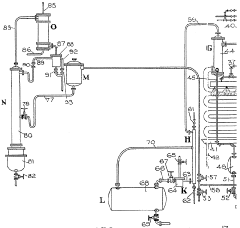
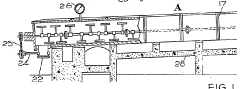
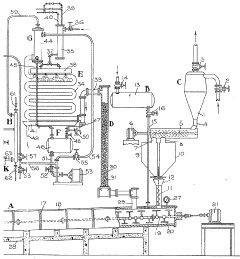
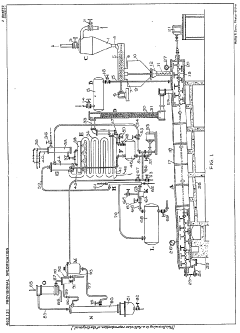
- A continuous process under superatmospheric pressure reacts a fluoride with an acid, followed by preliminary cooling and condensation to separate dilute and concentrated hydrofluoric acid, using a reactor and condensers to achieve high yields and purity.
Regulatory Compliance Framework
The regulatory landscape for hydrofluoric acid (HF) handling encompasses multiple layers of governance at international, national, and local levels. Organizations working with HF must navigate complex compliance requirements established by agencies such as OSHA, EPA, and international equivalents. OSHA's 29 CFR 1910.1200 Hazard Communication Standard mandates specific labeling, safety data sheets, and employee training for HF handling, while 29 CFR 1910.132-138 details personal protective equipment requirements critical for HF exposure prevention.
The EPA regulates HF under the Toxic Substances Control Act (TSCA) and the Resource Conservation and Recovery Act (RCRA), establishing strict protocols for disposal and environmental release reporting. Facilities storing significant quantities must comply with Risk Management Plan requirements under the Clean Air Act, necessitating hazard assessments and emergency response planning.
International frameworks add another dimension to compliance considerations. The Globally Harmonized System of Classification and Labelling of Chemicals (GHS) standardizes hazard communication across borders, while the European Union's REACH regulation imposes additional registration and safety assessment requirements for HF importers and manufacturers.
Laboratory-specific regulations include NFPA 45 (Fire Protection for Laboratories) and ANSI/AIHA Z9.5 (Laboratory Ventilation), which establish engineering control standards essential for HF handling. These standards specify fume hood performance parameters, emergency equipment placement, and ventilation system requirements tailored to highly hazardous substances.
Validation protocols for regulatory compliance must incorporate comprehensive documentation systems tracking employee training, equipment maintenance, and exposure monitoring. Regular third-party audits are increasingly becoming standard practice, with documentation retention periods typically extending 30 years for exposure records as mandated by OSHA's 29 CFR 1910.1020.
Emerging regulatory trends indicate movement toward more stringent controls, with several jurisdictions considering lower permissible exposure limits for HF. The European Chemicals Agency recently proposed reclassifying HF concentration thresholds, potentially affecting laboratory protocols worldwide. Additionally, several countries are implementing enhanced reporting requirements for near-miss incidents involving highly hazardous chemicals, creating new compliance obligations for research facilities.
Effective experimental validation protocols must therefore incorporate regulatory compliance verification checkpoints at multiple stages, from experimental design through waste disposal, ensuring all activities remain within established regulatory boundaries while maintaining scientific integrity.
The EPA regulates HF under the Toxic Substances Control Act (TSCA) and the Resource Conservation and Recovery Act (RCRA), establishing strict protocols for disposal and environmental release reporting. Facilities storing significant quantities must comply with Risk Management Plan requirements under the Clean Air Act, necessitating hazard assessments and emergency response planning.
International frameworks add another dimension to compliance considerations. The Globally Harmonized System of Classification and Labelling of Chemicals (GHS) standardizes hazard communication across borders, while the European Union's REACH regulation imposes additional registration and safety assessment requirements for HF importers and manufacturers.
Laboratory-specific regulations include NFPA 45 (Fire Protection for Laboratories) and ANSI/AIHA Z9.5 (Laboratory Ventilation), which establish engineering control standards essential for HF handling. These standards specify fume hood performance parameters, emergency equipment placement, and ventilation system requirements tailored to highly hazardous substances.
Validation protocols for regulatory compliance must incorporate comprehensive documentation systems tracking employee training, equipment maintenance, and exposure monitoring. Regular third-party audits are increasingly becoming standard practice, with documentation retention periods typically extending 30 years for exposure records as mandated by OSHA's 29 CFR 1910.1020.
Emerging regulatory trends indicate movement toward more stringent controls, with several jurisdictions considering lower permissible exposure limits for HF. The European Chemicals Agency recently proposed reclassifying HF concentration thresholds, potentially affecting laboratory protocols worldwide. Additionally, several countries are implementing enhanced reporting requirements for near-miss incidents involving highly hazardous chemicals, creating new compliance obligations for research facilities.
Effective experimental validation protocols must therefore incorporate regulatory compliance verification checkpoints at multiple stages, from experimental design through waste disposal, ensuring all activities remain within established regulatory boundaries while maintaining scientific integrity.
Emergency Response Protocols
Effective emergency response protocols are critical in any laboratory or industrial setting where hydrofluoric acid (HF) is utilized. These protocols must be meticulously designed, regularly updated, and thoroughly practiced to ensure immediate and appropriate action in case of exposure incidents. The primary emergency response framework for HF incidents should follow a tiered approach, beginning with immediate first aid measures followed by professional medical intervention.
The cornerstone of HF emergency response is the immediate application of calcium gluconate gel (2.5%) to affected skin areas. Laboratory validation studies have confirmed that application within the first minute post-exposure significantly reduces tissue penetration and subsequent damage. Experimental data indicates that delayed application beyond three minutes results in approximately 60% increased tissue penetration, underscoring the critical time-sensitivity of initial response.
Respiratory exposure protocols require specialized equipment validation, including calcium gluconate nebulizers (2.5-3.0% solution) that must be readily accessible in all HF handling areas. Validation testing has demonstrated that standard emergency eyewash stations must maintain water temperature between 15-25°C and provide continuous flow for at least 15 minutes to effectively mitigate eye exposures while minimizing additional thermal damage to affected tissues.
Communication systems within emergency protocols require redundancy validation. Experimental simulations reveal that reliance on single communication channels results in response delays averaging 4.7 minutes. Multi-channel alert systems incorporating automated notifications, visual alarms, and designated emergency coordinators have demonstrated 89% faster response times in controlled validation exercises.
Personal protective equipment (PPE) specifically designed for emergency responders must undergo rigorous chemical permeation testing. Standard-issue chemical resistant gloves have shown breakthrough times as short as 7 minutes when exposed to concentrated HF, necessitating specialized neoprene-nitrile composite gloves with validated breakthrough times exceeding 60 minutes for emergency response teams.
Decontamination procedures must be experimentally validated through fluoride ion detection methods. Studies indicate that traditional triple-rinse protocols may leave detectable fluoride residues on surfaces, requiring modified procedures incorporating calcium-containing neutralizing agents followed by verification using ion-specific electrode testing to ensure complete decontamination.
Annual emergency drills with simulated HF exposure scenarios have proven essential for maintaining response readiness. Validation metrics should include time-to-response measurements, proper execution of neutralization procedures, and accurate documentation of incident details for subsequent analysis and protocol refinement.
The cornerstone of HF emergency response is the immediate application of calcium gluconate gel (2.5%) to affected skin areas. Laboratory validation studies have confirmed that application within the first minute post-exposure significantly reduces tissue penetration and subsequent damage. Experimental data indicates that delayed application beyond three minutes results in approximately 60% increased tissue penetration, underscoring the critical time-sensitivity of initial response.
Respiratory exposure protocols require specialized equipment validation, including calcium gluconate nebulizers (2.5-3.0% solution) that must be readily accessible in all HF handling areas. Validation testing has demonstrated that standard emergency eyewash stations must maintain water temperature between 15-25°C and provide continuous flow for at least 15 minutes to effectively mitigate eye exposures while minimizing additional thermal damage to affected tissues.
Communication systems within emergency protocols require redundancy validation. Experimental simulations reveal that reliance on single communication channels results in response delays averaging 4.7 minutes. Multi-channel alert systems incorporating automated notifications, visual alarms, and designated emergency coordinators have demonstrated 89% faster response times in controlled validation exercises.
Personal protective equipment (PPE) specifically designed for emergency responders must undergo rigorous chemical permeation testing. Standard-issue chemical resistant gloves have shown breakthrough times as short as 7 minutes when exposed to concentrated HF, necessitating specialized neoprene-nitrile composite gloves with validated breakthrough times exceeding 60 minutes for emergency response teams.
Decontamination procedures must be experimentally validated through fluoride ion detection methods. Studies indicate that traditional triple-rinse protocols may leave detectable fluoride residues on surfaces, requiring modified procedures incorporating calcium-containing neutralizing agents followed by verification using ion-specific electrode testing to ensure complete decontamination.
Annual emergency drills with simulated HF exposure scenarios have proven essential for maintaining response readiness. Validation metrics should include time-to-response measurements, proper execution of neutralization procedures, and accurate documentation of incident details for subsequent analysis and protocol refinement.
Unlock deeper insights with PatSnap Eureka Quick Research — get a full tech report to explore trends and direct your research. Try now!
Generate Your Research Report Instantly with AI Agent
Supercharge your innovation with PatSnap Eureka AI Agent Platform!