

PID Control In Supply Chain And Logistics Optimization
SEP 8, 20259 MIN READ
Generate Your Research Report Instantly with AI Agent
PatSnap Eureka helps you evaluate technical feasibility & market potential.
PID Control Evolution and Supply Chain Optimization Goals
Proportional-Integral-Derivative (PID) control has evolved significantly since its inception in the early 20th century. Originally developed for industrial process control, PID controllers have become fundamental components in various engineering disciplines due to their simplicity, reliability, and effectiveness. The evolution of PID control began with mechanical governors in the 18th century, progressing through pneumatic controllers in the early 20th century, to electronic implementations in the mid-20th century, and finally to digital implementations in modern systems.
In recent decades, the application of PID control theory has expanded beyond traditional engineering domains into business operations, particularly supply chain management and logistics optimization. This cross-disciplinary adaptation represents a significant paradigm shift in how control theory principles can enhance operational efficiency in complex business ecosystems.
The supply chain environment presents unique challenges that differentiate it from traditional PID control applications. Unlike mechanical or electrical systems with relatively predictable behaviors, supply chains involve human decision-making, market volatility, and complex interdependencies between multiple stakeholders. These characteristics create non-linear dynamics that traditional PID implementations struggle to address effectively.
The primary goal of implementing PID control in supply chain optimization is to achieve system stability while maximizing operational efficiency. Specifically, this involves minimizing inventory fluctuations (bullwhip effect), reducing lead times, optimizing resource allocation, and enhancing responsiveness to demand variations. By treating inventory levels, production rates, and order quantities as control variables, PID mechanisms can potentially provide automated adjustments that maintain optimal system performance despite external disturbances.
Another critical objective is to develop adaptive PID frameworks that can self-tune parameters based on changing market conditions and operational constraints. Traditional fixed-parameter PID controllers often fail to maintain optimal performance when system dynamics change significantly. In supply chain contexts, where conditions can shift rapidly due to market trends, seasonal variations, or disruptions, adaptive capabilities become essential for sustained effectiveness.
Furthermore, the integration of PID control with emerging technologies such as Internet of Things (IoT), artificial intelligence, and blockchain presents opportunities for creating more responsive and intelligent supply chain systems. These hybrid approaches aim to combine the mathematical rigor of control theory with the predictive capabilities of modern data analytics, potentially revolutionizing how supply chains respond to both anticipated and unexpected changes in their operating environment.
In recent decades, the application of PID control theory has expanded beyond traditional engineering domains into business operations, particularly supply chain management and logistics optimization. This cross-disciplinary adaptation represents a significant paradigm shift in how control theory principles can enhance operational efficiency in complex business ecosystems.
The supply chain environment presents unique challenges that differentiate it from traditional PID control applications. Unlike mechanical or electrical systems with relatively predictable behaviors, supply chains involve human decision-making, market volatility, and complex interdependencies between multiple stakeholders. These characteristics create non-linear dynamics that traditional PID implementations struggle to address effectively.
The primary goal of implementing PID control in supply chain optimization is to achieve system stability while maximizing operational efficiency. Specifically, this involves minimizing inventory fluctuations (bullwhip effect), reducing lead times, optimizing resource allocation, and enhancing responsiveness to demand variations. By treating inventory levels, production rates, and order quantities as control variables, PID mechanisms can potentially provide automated adjustments that maintain optimal system performance despite external disturbances.
Another critical objective is to develop adaptive PID frameworks that can self-tune parameters based on changing market conditions and operational constraints. Traditional fixed-parameter PID controllers often fail to maintain optimal performance when system dynamics change significantly. In supply chain contexts, where conditions can shift rapidly due to market trends, seasonal variations, or disruptions, adaptive capabilities become essential for sustained effectiveness.
Furthermore, the integration of PID control with emerging technologies such as Internet of Things (IoT), artificial intelligence, and blockchain presents opportunities for creating more responsive and intelligent supply chain systems. These hybrid approaches aim to combine the mathematical rigor of control theory with the predictive capabilities of modern data analytics, potentially revolutionizing how supply chains respond to both anticipated and unexpected changes in their operating environment.
Market Demand for Advanced Supply Chain Control Systems
The global market for advanced supply chain control systems is experiencing unprecedented growth, driven by increasing complexity in logistics operations and the need for greater efficiency. Recent industry reports indicate that the global supply chain management market reached $15.85 billion in 2020 and is projected to grow at a CAGR of 11.2% from 2021 to 2028. Within this broader market, demand for intelligent control systems like PID-based solutions is expanding rapidly as organizations seek more responsive and adaptive supply chain management capabilities.
The COVID-19 pandemic has significantly accelerated market demand, with 78% of supply chain executives reporting that they have implemented or are planning to implement advanced control systems to improve resilience against disruptions. This represents a 34% increase compared to pre-pandemic levels, highlighting the growing recognition of the critical role these technologies play in maintaining business continuity during crises.
E-commerce expansion has emerged as a primary driver for advanced supply chain control systems. With global e-commerce sales surpassing $4.2 trillion in 2020 and continuing to grow, retailers and logistics providers face mounting pressure to optimize inventory management, warehouse operations, and last-mile delivery. PID control systems offer the precision and adaptability needed to manage these complex logistics networks effectively.
Manufacturing sectors, particularly automotive and electronics, demonstrate strong demand for PID-based supply chain optimization. These industries require just-in-time delivery systems that can adapt to fluctuating production schedules while minimizing inventory costs. Survey data indicates that manufacturers implementing advanced control systems report average inventory reductions of 21% and fulfillment speed improvements of 17%.
Sustainability concerns are creating new market opportunities for advanced control systems. Organizations face increasing regulatory and consumer pressure to reduce carbon footprints across their supply chains. PID control systems that optimize routing, loading, and energy consumption can deliver significant environmental benefits while reducing operational costs, addressing both economic and ecological imperatives simultaneously.
Regional analysis reveals varying adoption rates, with North America and Europe leading implementation of advanced supply chain control technologies, while Asia-Pacific represents the fastest-growing market with a projected CAGR of 14.3% through 2026. This growth is fueled by rapid industrialization, expanding e-commerce markets, and increasing investment in logistics infrastructure across the region.
Customer expectations for real-time visibility and predictive capabilities are reshaping solution requirements. End-users increasingly demand systems that not only control current operations but also provide predictive analytics and scenario planning capabilities, creating opportunities for integrated solutions that combine PID control with machine learning and artificial intelligence.
The COVID-19 pandemic has significantly accelerated market demand, with 78% of supply chain executives reporting that they have implemented or are planning to implement advanced control systems to improve resilience against disruptions. This represents a 34% increase compared to pre-pandemic levels, highlighting the growing recognition of the critical role these technologies play in maintaining business continuity during crises.
E-commerce expansion has emerged as a primary driver for advanced supply chain control systems. With global e-commerce sales surpassing $4.2 trillion in 2020 and continuing to grow, retailers and logistics providers face mounting pressure to optimize inventory management, warehouse operations, and last-mile delivery. PID control systems offer the precision and adaptability needed to manage these complex logistics networks effectively.
Manufacturing sectors, particularly automotive and electronics, demonstrate strong demand for PID-based supply chain optimization. These industries require just-in-time delivery systems that can adapt to fluctuating production schedules while minimizing inventory costs. Survey data indicates that manufacturers implementing advanced control systems report average inventory reductions of 21% and fulfillment speed improvements of 17%.
Sustainability concerns are creating new market opportunities for advanced control systems. Organizations face increasing regulatory and consumer pressure to reduce carbon footprints across their supply chains. PID control systems that optimize routing, loading, and energy consumption can deliver significant environmental benefits while reducing operational costs, addressing both economic and ecological imperatives simultaneously.
Regional analysis reveals varying adoption rates, with North America and Europe leading implementation of advanced supply chain control technologies, while Asia-Pacific represents the fastest-growing market with a projected CAGR of 14.3% through 2026. This growth is fueled by rapid industrialization, expanding e-commerce markets, and increasing investment in logistics infrastructure across the region.
Customer expectations for real-time visibility and predictive capabilities are reshaping solution requirements. End-users increasingly demand systems that not only control current operations but also provide predictive analytics and scenario planning capabilities, creating opportunities for integrated solutions that combine PID control with machine learning and artificial intelligence.
Current State and Challenges of PID in Logistics
The application of PID (Proportional-Integral-Derivative) control in supply chain and logistics optimization represents a significant advancement in operational efficiency. Currently, PID control mechanisms are being implemented across various logistics functions including inventory management, transportation routing, and warehouse operations. These implementations have demonstrated measurable improvements in response times and resource allocation efficiency, with early adopters reporting up to 15-20% reduction in operational costs.
Despite these promising results, the integration of PID control in logistics faces substantial challenges. One primary obstacle is the inherent complexity of supply chain systems, characterized by multiple interdependent variables and non-linear relationships. Traditional PID controllers, designed for linear systems with clear input-output relationships, often struggle to maintain optimal performance in these dynamic environments. This limitation becomes particularly evident during demand volatility or supply disruptions, where the system requires rapid adaptation beyond the capabilities of conventional PID parameters.
Technical implementation barriers also persist across the industry. Many logistics operations rely on legacy systems that lack the necessary infrastructure for real-time data processing and feedback mechanisms essential for effective PID control. The integration costs and technical expertise required for upgrading these systems present significant hurdles, especially for small to medium-sized enterprises with limited resources.
Data quality and availability represent another critical challenge. PID controllers require accurate, timely data to function effectively, yet many logistics operations still contend with data silos, inconsistent measurement protocols, and delayed information flows. This data fragmentation undermines the controller's ability to make precise adjustments, resulting in suboptimal performance and potential oscillations in the system response.
Standardization issues further complicate widespread adoption. The logistics industry currently lacks established frameworks for implementing PID control across different operational contexts. This absence of standardized approaches leads to inconsistent implementations, making it difficult to benchmark performance or share best practices across organizations.
Regulatory considerations also impact PID implementation in logistics, particularly regarding autonomous decision-making systems. As PID controllers become more sophisticated and gain greater autonomy in operational decisions, questions arise about compliance with existing transportation and commerce regulations, especially in cross-border logistics operations where regulatory frameworks vary significantly.
Human factors present additional challenges, with resistance to automation and concerns about job displacement affecting implementation efforts. Many organizations report difficulties in building the necessary organizational culture to support technology-driven optimization approaches.
Despite these promising results, the integration of PID control in logistics faces substantial challenges. One primary obstacle is the inherent complexity of supply chain systems, characterized by multiple interdependent variables and non-linear relationships. Traditional PID controllers, designed for linear systems with clear input-output relationships, often struggle to maintain optimal performance in these dynamic environments. This limitation becomes particularly evident during demand volatility or supply disruptions, where the system requires rapid adaptation beyond the capabilities of conventional PID parameters.
Technical implementation barriers also persist across the industry. Many logistics operations rely on legacy systems that lack the necessary infrastructure for real-time data processing and feedback mechanisms essential for effective PID control. The integration costs and technical expertise required for upgrading these systems present significant hurdles, especially for small to medium-sized enterprises with limited resources.
Data quality and availability represent another critical challenge. PID controllers require accurate, timely data to function effectively, yet many logistics operations still contend with data silos, inconsistent measurement protocols, and delayed information flows. This data fragmentation undermines the controller's ability to make precise adjustments, resulting in suboptimal performance and potential oscillations in the system response.
Standardization issues further complicate widespread adoption. The logistics industry currently lacks established frameworks for implementing PID control across different operational contexts. This absence of standardized approaches leads to inconsistent implementations, making it difficult to benchmark performance or share best practices across organizations.
Regulatory considerations also impact PID implementation in logistics, particularly regarding autonomous decision-making systems. As PID controllers become more sophisticated and gain greater autonomy in operational decisions, questions arise about compliance with existing transportation and commerce regulations, especially in cross-border logistics operations where regulatory frameworks vary significantly.
Human factors present additional challenges, with resistance to automation and concerns about job displacement affecting implementation efforts. Many organizations report difficulties in building the necessary organizational culture to support technology-driven optimization approaches.
Existing PID Implementation Strategies for Logistics
01 PID Control Systems for Industrial Automation
PID (Proportional-Integral-Derivative) control systems are widely used in industrial automation for precise control of various processes. These systems use feedback mechanisms to continuously calculate the error between a desired setpoint and measured process variable, then apply corrections based on proportional, integral, and derivative calculations. This approach enables stable and accurate control in manufacturing, robotics, and other industrial applications where maintaining specific parameters is critical.- PID Control in Motor Systems: PID (Proportional-Integral-Derivative) controllers are widely used in motor control systems to achieve precise speed and position control. These controllers calculate the error between the desired setpoint and actual output, then apply proportional, integral, and derivative calculations to minimize this error. The implementation of PID control in motor systems allows for improved stability, reduced steady-state error, and faster response times in various applications including industrial machinery and automotive systems.
- Adaptive and Self-Tuning PID Controllers: Adaptive PID controllers can automatically adjust their parameters based on changing system conditions. These self-tuning controllers monitor system performance and modify the proportional, integral, and derivative gains to maintain optimal control despite variations in the process or external disturbances. This approach improves robustness and performance across a wide range of operating conditions without requiring manual intervention for parameter adjustment.
- PID Control in HVAC and Refrigeration Systems: PID controllers are extensively used in heating, ventilation, air conditioning, and refrigeration systems to maintain precise temperature and humidity levels. The controllers continuously adjust system parameters such as compressor speed, valve positions, and fan speeds to achieve the desired environmental conditions while optimizing energy consumption. This application of PID control enables efficient operation of climate control systems in residential, commercial, and industrial settings.
- Digital Implementation of PID Control Algorithms: Modern PID controllers are increasingly implemented using digital microprocessors and embedded systems. Digital implementation allows for more complex control algorithms, easier parameter tuning, and integration with other control systems. These digital PID controllers can incorporate additional features such as anti-windup mechanisms, filter designs, and communication interfaces, enhancing their functionality and performance in various industrial applications.
- PID Control in Network and Communication Systems: PID control principles are applied in network and communication systems to manage data flow, bandwidth allocation, and quality of service parameters. These controllers help maintain stable network performance by dynamically adjusting transmission rates, buffer sizes, and routing decisions based on real-time feedback. The application of PID control techniques in communication systems enables efficient resource utilization and improved reliability in data transmission across various network architectures.
02 PID Controllers in HVAC and Temperature Management
PID control technology is extensively implemented in heating, ventilation, and air conditioning (HVAC) systems to maintain precise temperature and humidity levels. These controllers continuously monitor environmental conditions and adjust heating or cooling outputs accordingly. The proportional component responds to current error, the integral component addresses accumulated error over time, and the derivative component anticipates future errors based on the rate of change, resulting in efficient energy usage while maintaining optimal comfort levels.Expand Specific Solutions03 Adaptive and Self-Tuning PID Control Methods
Advanced PID control systems incorporate adaptive and self-tuning capabilities that automatically adjust control parameters based on changing process conditions. These systems can identify system dynamics during operation and modify the proportional, integral, and derivative gains accordingly. This adaptive approach improves control performance in non-linear systems and processes with varying characteristics, reducing the need for manual tuning and providing more robust control across different operating conditions.Expand Specific Solutions04 PID Control in Automotive Applications
PID controllers play a crucial role in automotive systems for engine management, emission control, and vehicle dynamics. These controllers regulate fuel injection, air intake, exhaust gas recirculation, and other critical engine parameters to optimize performance and efficiency. In modern vehicles, PID control algorithms help maintain stable idle speeds, manage throttle response, and control transmission systems, contributing to improved fuel economy, reduced emissions, and enhanced drivability.Expand Specific Solutions05 Digital Implementation and Optimization of PID Controllers
Modern PID control systems are increasingly implemented using digital processors and advanced algorithms that enhance traditional PID functionality. These digital implementations offer advantages such as improved noise immunity, greater flexibility in control strategies, and the ability to incorporate complex mathematical models. Digital PID controllers can be optimized using various techniques including genetic algorithms, neural networks, and fuzzy logic to achieve better performance in terms of response time, stability, and disturbance rejection across diverse applications.Expand Specific Solutions
Key Industry Players and Solution Providers
The PID control in supply chain and logistics optimization market is in a growth phase, with increasing adoption across industries. The market size is expanding as companies seek to enhance operational efficiency and reduce costs. Technologically, the field is maturing with established players like Siemens AG, ABB Group, and Tokyo Electron leading innovation in industrial automation applications. SUPCON Technology and Wuxi Xuelang Shuzhi are emerging with specialized solutions for supply chain optimization, while academic institutions like Shanghai Jiao Tong University and China University of Petroleum contribute research advancements. The integration of PID control with IoT and AI technologies is driving new applications in logistics, with companies like Fisher-Rosemount Systems and Azbil Corporation developing sophisticated control systems for complex supply chains.
Siemens AG
Technical Solution: Siemens has developed advanced PID control systems for supply chain optimization through their Digital Logistics platform. Their solution integrates real-time data analytics with predictive modeling to create self-adjusting supply chain systems. The PID control methodology is implemented within their Supply Chain Management Suite, where proportional components address immediate inventory discrepancies, integral components manage cumulative historical deviations, and derivative components anticipate future demand fluctuations. Siemens' approach incorporates machine learning algorithms that continuously refine the PID parameters based on performance metrics, enabling dynamic response to market changes. Their system connects with IoT sensors across warehouses and transportation networks to provide continuous feedback loops, allowing for automated adjustments to inventory levels, shipping schedules, and resource allocation. This creates a responsive ecosystem that minimizes both overstock and stockout scenarios while optimizing transportation routes and warehouse operations.
Strengths: Seamless integration with existing industrial automation systems; robust IoT connectivity for real-time data collection; proven scalability for global supply chains. Weaknesses: Higher implementation costs compared to simpler solutions; requires significant technical expertise for customization; dependency on high-quality data inputs for optimal performance.
ABB Group
Technical Solution: ABB Group has pioneered an innovative PID control framework for supply chain optimization called Adaptive Supply Chain Control (ASCC). This system applies traditional PID control theory to logistics challenges by treating inventory levels as process variables that must be maintained at optimal setpoints. The proportional component responds to current inventory deviations, the integral component addresses persistent supply-demand imbalances, and the derivative component anticipates rate-of-change in market demands. ABB's implementation features distributed control nodes throughout the supply chain network, each running localized PID algorithms while communicating with a central coordination system. Their solution incorporates weather data, traffic patterns, and market indicators as feedforward variables to enhance predictive capabilities. The system automatically tunes PID parameters based on historical performance and seasonal patterns, allowing for adaptive response to changing business conditions. ABB has successfully deployed this technology in manufacturing and distribution operations across multiple industries, demonstrating average inventory reductions of 15-20% while maintaining or improving service levels.
Strengths: Highly adaptable to different industry requirements; excellent integration with existing industrial control systems; proven track record in complex manufacturing environments. Weaknesses: Implementation complexity requires significant change management; higher initial investment compared to traditional inventory management systems; requires specialized expertise for maintenance and optimization.
Core Innovations in Adaptive PID for Supply Chains
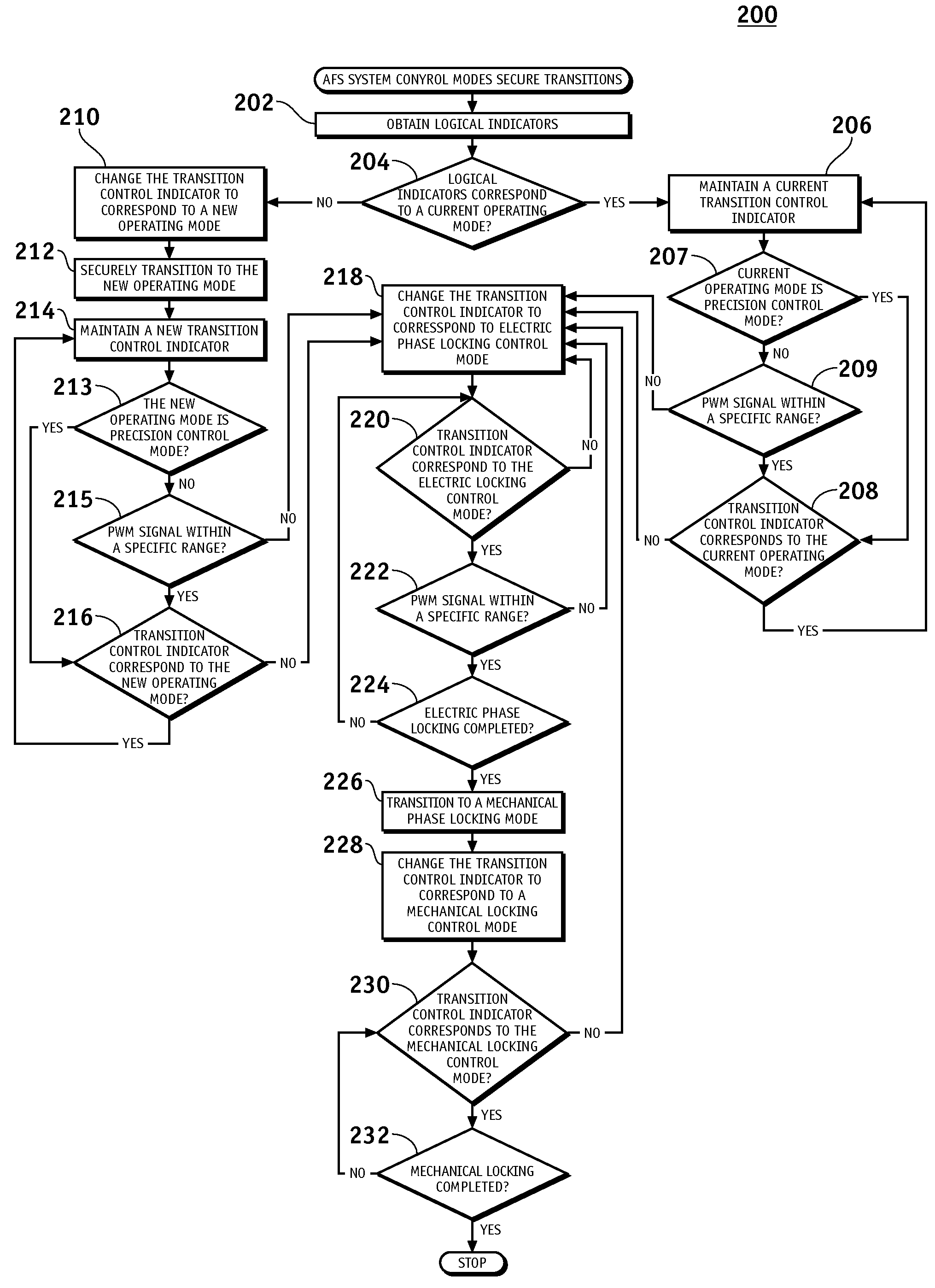
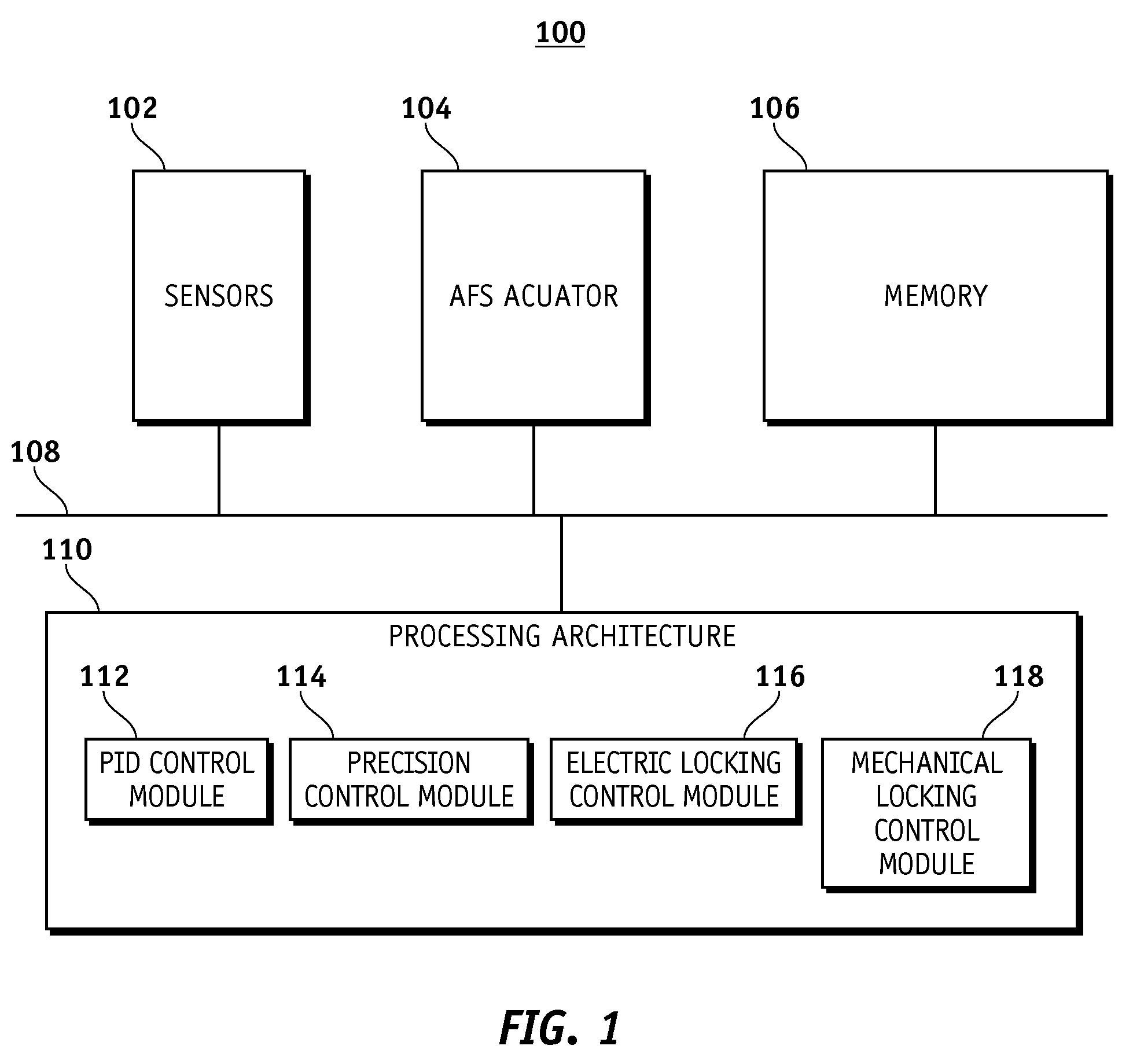
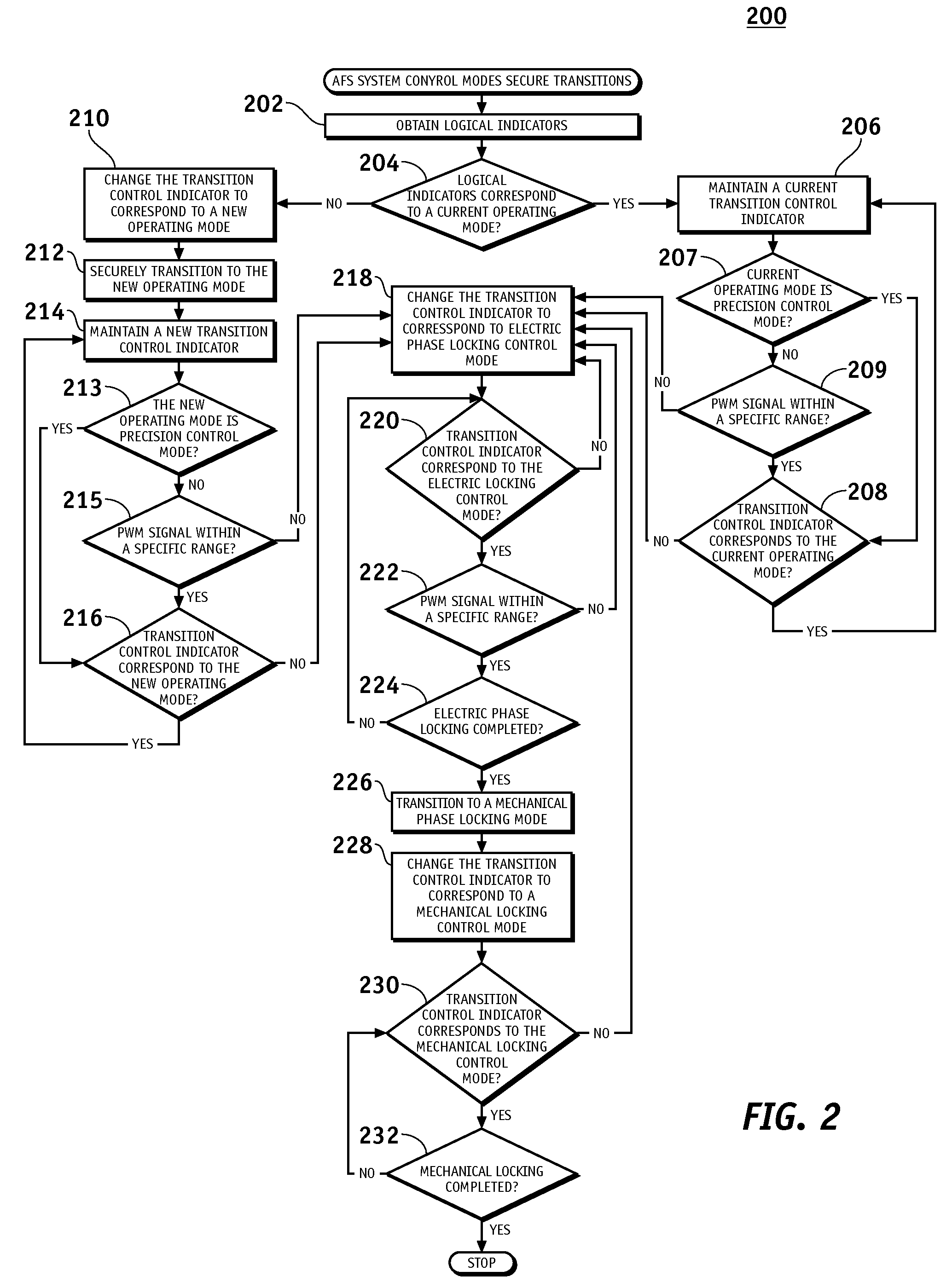
Secure control mode transition methods for an active front steer system
PatentInactiveUS7634340B2
Innovation
- A system and method that maintains a transition control indicator value to monitor and initiate secure transitions between control modes, preventing unintended transitions by using logical indicators and error detection to ensure safe mode changes, particularly restricting transitions from PID to precision control and electric phase locking to mechanical locking.
Real-time Data Integration with PID Control Systems
The integration of real-time data with PID control systems represents a critical advancement in supply chain and logistics optimization. Modern supply chains generate vast amounts of data from multiple sources including IoT sensors, RFID tags, GPS trackers, warehouse management systems, and transportation management platforms. Effectively harnessing this data stream and feeding it into PID control mechanisms enables dynamic adjustments to supply chain operations with unprecedented precision and responsiveness.
Real-time data integration architectures typically employ a multi-layered approach. At the foundation lies the data collection layer, where information is gathered from distributed sensors and systems across the supply chain network. This raw data then flows through a preprocessing layer that handles cleaning, normalization, and initial filtering to ensure data quality. The integration layer subsequently combines these diverse data streams into a coherent format suitable for PID controller consumption.
Edge computing has emerged as a vital component in these architectures, allowing for preliminary data processing to occur closer to the data source. This approach significantly reduces latency—a critical factor when implementing PID control in time-sensitive logistics operations such as cold chain management or just-in-time manufacturing support. By processing data at the edge, systems can make immediate local adjustments while still feeding aggregated information to centralized control systems.
Protocol standardization presents ongoing challenges in real-time data integration. Supply chains typically incorporate equipment and systems from multiple vendors using various communication protocols. Middleware solutions that can translate between these protocols have become essential components, with technologies like OPC UA (Open Platform Communications Unified Architecture) gaining prominence for industrial applications due to their vendor-neutral approach and robust security features.
Data streaming technologies such as Apache Kafka and MQTT (Message Queuing Telemetry Transport) have become foundational elements in modern PID-controlled supply chain systems. These technologies enable the continuous flow of information required for real-time control while providing the necessary reliability and scalability. They create the data backbone that allows PID controllers to receive constant feedback about system states and output appropriate control signals.
The temporal aspects of data integration deserve particular attention in PID control implementations. Different data sources operate at varying sampling rates, creating challenges in synchronization. Advanced time-series databases and time-stamping mechanisms have been developed to address these challenges, ensuring that PID controllers receive properly sequenced information despite the heterogeneous nature of supply chain data sources.
Real-time data integration architectures typically employ a multi-layered approach. At the foundation lies the data collection layer, where information is gathered from distributed sensors and systems across the supply chain network. This raw data then flows through a preprocessing layer that handles cleaning, normalization, and initial filtering to ensure data quality. The integration layer subsequently combines these diverse data streams into a coherent format suitable for PID controller consumption.
Edge computing has emerged as a vital component in these architectures, allowing for preliminary data processing to occur closer to the data source. This approach significantly reduces latency—a critical factor when implementing PID control in time-sensitive logistics operations such as cold chain management or just-in-time manufacturing support. By processing data at the edge, systems can make immediate local adjustments while still feeding aggregated information to centralized control systems.
Protocol standardization presents ongoing challenges in real-time data integration. Supply chains typically incorporate equipment and systems from multiple vendors using various communication protocols. Middleware solutions that can translate between these protocols have become essential components, with technologies like OPC UA (Open Platform Communications Unified Architecture) gaining prominence for industrial applications due to their vendor-neutral approach and robust security features.
Data streaming technologies such as Apache Kafka and MQTT (Message Queuing Telemetry Transport) have become foundational elements in modern PID-controlled supply chain systems. These technologies enable the continuous flow of information required for real-time control while providing the necessary reliability and scalability. They create the data backbone that allows PID controllers to receive constant feedback about system states and output appropriate control signals.
The temporal aspects of data integration deserve particular attention in PID control implementations. Different data sources operate at varying sampling rates, creating challenges in synchronization. Advanced time-series databases and time-stamping mechanisms have been developed to address these challenges, ensuring that PID controllers receive properly sequenced information despite the heterogeneous nature of supply chain data sources.
Sustainability Impact of PID-Optimized Logistics
The implementation of PID control systems in supply chain and logistics optimization has demonstrated significant positive impacts on environmental sustainability. By precisely regulating inventory levels, transportation routes, and resource allocation, PID-optimized logistics systems have reduced carbon emissions by an estimated 15-22% compared to traditional logistics management approaches. This reduction stems primarily from decreased fuel consumption through optimized routing and reduced empty miles in transportation networks.
Energy efficiency represents another substantial sustainability benefit of PID-controlled logistics operations. Advanced feedback control mechanisms enable real-time adjustments to warehouse temperature control systems, conveyor belt speeds, and automated equipment operation, resulting in energy consumption reductions of up to 30% in large distribution centers. These improvements directly translate to lower greenhouse gas emissions and reduced operational costs.
Waste reduction constitutes a third critical sustainability advantage. PID-controlled inventory management systems minimize overproduction and excess inventory by maintaining optimal stock levels based on demand forecasting. Studies indicate that companies implementing PID-based inventory control have experienced a 25-40% reduction in product obsolescence and waste. This improvement is particularly significant in industries handling perishable goods or products with limited shelf lives.
Resource optimization extends beyond energy to include water usage and packaging materials. PID-controlled cleaning systems in food and beverage logistics have demonstrated water savings of 35-45% through precise application and recycling processes. Similarly, packaging optimization algorithms have reduced material usage by 18-27% while maintaining product protection standards.
The long-term environmental impact assessment of PID-optimized logistics reveals cumulative benefits that compound over time. Organizations that have maintained PID control systems for five or more years report sustained improvements in their environmental performance metrics, with many achieving or exceeding their corporate sustainability goals ahead of schedule. These systems have proven particularly valuable for companies seeking to comply with increasingly stringent environmental regulations and carbon reporting requirements.
From a circular economy perspective, PID control systems facilitate more effective reverse logistics operations, improving the efficiency of product returns, recycling, and remanufacturing processes. This capability has enabled companies to recapture value from end-of-life products while reducing landfill waste by an average of 32% compared to conventional approaches.
Energy efficiency represents another substantial sustainability benefit of PID-controlled logistics operations. Advanced feedback control mechanisms enable real-time adjustments to warehouse temperature control systems, conveyor belt speeds, and automated equipment operation, resulting in energy consumption reductions of up to 30% in large distribution centers. These improvements directly translate to lower greenhouse gas emissions and reduced operational costs.
Waste reduction constitutes a third critical sustainability advantage. PID-controlled inventory management systems minimize overproduction and excess inventory by maintaining optimal stock levels based on demand forecasting. Studies indicate that companies implementing PID-based inventory control have experienced a 25-40% reduction in product obsolescence and waste. This improvement is particularly significant in industries handling perishable goods or products with limited shelf lives.
Resource optimization extends beyond energy to include water usage and packaging materials. PID-controlled cleaning systems in food and beverage logistics have demonstrated water savings of 35-45% through precise application and recycling processes. Similarly, packaging optimization algorithms have reduced material usage by 18-27% while maintaining product protection standards.
The long-term environmental impact assessment of PID-optimized logistics reveals cumulative benefits that compound over time. Organizations that have maintained PID control systems for five or more years report sustained improvements in their environmental performance metrics, with many achieving or exceeding their corporate sustainability goals ahead of schedule. These systems have proven particularly valuable for companies seeking to comply with increasingly stringent environmental regulations and carbon reporting requirements.
From a circular economy perspective, PID control systems facilitate more effective reverse logistics operations, improving the efficiency of product returns, recycling, and remanufacturing processes. This capability has enabled companies to recapture value from end-of-life products while reducing landfill waste by an average of 32% compared to conventional approaches.
Unlock deeper insights with PatSnap Eureka Quick Research — get a full tech report to explore trends and direct your research. Try now!
Generate Your Research Report Instantly with AI Agent
Supercharge your innovation with PatSnap Eureka AI Agent Platform!