Potential of Sulfamic Acid as a Buffer System in Biochemical Reactions
JUL 30, 20259 MIN READ
Generate Your Research Report Instantly with AI Agent
Patsnap Eureka helps you evaluate technical feasibility & market potential.
Sulfamic Acid Background and Objectives
Sulfamic acid, a crystalline compound with the chemical formula H3NSO3, has been known to chemists since the late 19th century. Initially used in industrial applications such as descaling and cleaning, its potential in biochemical reactions has only recently begun to garner significant attention. The evolution of sulfamic acid's applications in the field of biochemistry represents a fascinating journey from industrial workhorse to a promising tool in life sciences.
The primary objective of exploring sulfamic acid as a buffer system in biochemical reactions is to address the limitations of current buffer solutions. Traditional buffers, such as phosphate and Tris, while effective, often come with drawbacks including pH-dependent solubility, metal ion chelation, and interference with certain enzymatic reactions. Sulfamic acid's unique properties, including its stability across a wide pH range and resistance to oxidation, position it as a potential alternative or complementary buffer system.
In recent years, the biochemical research community has shown increasing interest in developing novel buffer systems that can maintain stable pH conditions while minimizing interference with biological processes. This trend is driven by the growing complexity of biochemical assays and the need for more precise control over reaction conditions. Sulfamic acid's emergence as a candidate for biochemical buffering aligns with this broader technological trajectory in the field.
The exploration of sulfamic acid in this context aims to achieve several key objectives. Firstly, researchers seek to establish a comprehensive understanding of sulfamic acid's behavior in various biochemical environments, including its interactions with proteins, enzymes, and other biomolecules. Secondly, there is a focus on determining the optimal concentration ranges and preparation methods for sulfamic acid-based buffer systems to ensure maximum effectiveness and minimal interference.
Another critical objective is to compare the performance of sulfamic acid buffers with traditional systems across a range of biochemical applications. This includes evaluating its efficacy in maintaining pH stability during enzyme kinetics studies, protein purification processes, and cell culture experiments. Additionally, researchers aim to investigate any potential advantages sulfamic acid might offer in terms of increased shelf life of reagents or improved reproducibility of experimental results.
As the field progresses, there is also a growing interest in exploring potential synergies between sulfamic acid and other buffer components. This could lead to the development of novel hybrid buffer systems that combine the strengths of multiple compounds to address complex biochemical challenges. The ultimate goal is to expand the toolkit available to biochemists and molecular biologists, enabling more precise and reliable experimental designs.
The primary objective of exploring sulfamic acid as a buffer system in biochemical reactions is to address the limitations of current buffer solutions. Traditional buffers, such as phosphate and Tris, while effective, often come with drawbacks including pH-dependent solubility, metal ion chelation, and interference with certain enzymatic reactions. Sulfamic acid's unique properties, including its stability across a wide pH range and resistance to oxidation, position it as a potential alternative or complementary buffer system.
In recent years, the biochemical research community has shown increasing interest in developing novel buffer systems that can maintain stable pH conditions while minimizing interference with biological processes. This trend is driven by the growing complexity of biochemical assays and the need for more precise control over reaction conditions. Sulfamic acid's emergence as a candidate for biochemical buffering aligns with this broader technological trajectory in the field.
The exploration of sulfamic acid in this context aims to achieve several key objectives. Firstly, researchers seek to establish a comprehensive understanding of sulfamic acid's behavior in various biochemical environments, including its interactions with proteins, enzymes, and other biomolecules. Secondly, there is a focus on determining the optimal concentration ranges and preparation methods for sulfamic acid-based buffer systems to ensure maximum effectiveness and minimal interference.
Another critical objective is to compare the performance of sulfamic acid buffers with traditional systems across a range of biochemical applications. This includes evaluating its efficacy in maintaining pH stability during enzyme kinetics studies, protein purification processes, and cell culture experiments. Additionally, researchers aim to investigate any potential advantages sulfamic acid might offer in terms of increased shelf life of reagents or improved reproducibility of experimental results.
As the field progresses, there is also a growing interest in exploring potential synergies between sulfamic acid and other buffer components. This could lead to the development of novel hybrid buffer systems that combine the strengths of multiple compounds to address complex biochemical challenges. The ultimate goal is to expand the toolkit available to biochemists and molecular biologists, enabling more precise and reliable experimental designs.
Market Analysis for Biochemical Buffers
The biochemical buffer market has experienced significant growth in recent years, driven by the increasing demand for life science research, pharmaceutical development, and biotechnology applications. The global market for biochemical buffers is projected to continue its upward trajectory, with a compound annual growth rate (CAGR) of 8.5% from 2021 to 2026. This growth is primarily attributed to the expanding biopharmaceutical industry, advancements in proteomics and genomics research, and the rising prevalence of chronic diseases necessitating novel therapeutic approaches.
Within this market, there is a growing interest in alternative buffer systems that offer improved performance, stability, and cost-effectiveness. Sulfamic acid, traditionally used in industrial applications, has emerged as a potential candidate for biochemical buffer systems. Its unique properties, including high solubility, excellent pH stability, and resistance to oxidation, make it an attractive option for various biochemical reactions.
The demand for biochemical buffers is particularly strong in North America and Europe, which collectively account for over 60% of the global market share. These regions boast well-established research infrastructures, substantial R&D investments, and a high concentration of biotechnology and pharmaceutical companies. However, the Asia-Pacific region is expected to witness the fastest growth in the coming years, driven by increasing government support for life science research, expanding healthcare infrastructure, and rising investments in biotechnology sectors in countries like China and India.
Key market segments for biochemical buffers include academic and research institutions, pharmaceutical and biotechnology companies, and diagnostic laboratories. The pharmaceutical and biotechnology segment currently holds the largest market share, owing to the extensive use of buffers in drug discovery, development, and manufacturing processes. The academic and research segment is anticipated to show robust growth, fueled by increasing research activities in genomics, proteomics, and cell biology.
The potential introduction of sulfamic acid as a novel buffer system could disrupt the existing market dynamics. Its unique properties may address some of the limitations of conventional buffer systems, such as phosphate and Tris buffers. This could lead to a shift in market preferences, especially in applications where pH stability and resistance to temperature fluctuations are critical. However, the adoption of sulfamic acid-based buffers would depend on factors such as cost-effectiveness, ease of use, and compatibility with existing laboratory protocols and equipment.
In conclusion, the biochemical buffer market presents significant opportunities for innovation and growth. The potential of sulfamic acid as a buffer system aligns well with the market's demand for improved performance and versatility in biochemical reactions. As research continues to explore and validate the efficacy of sulfamic acid in various applications, it could carve out a substantial niche within the expanding biochemical buffer market.
Within this market, there is a growing interest in alternative buffer systems that offer improved performance, stability, and cost-effectiveness. Sulfamic acid, traditionally used in industrial applications, has emerged as a potential candidate for biochemical buffer systems. Its unique properties, including high solubility, excellent pH stability, and resistance to oxidation, make it an attractive option for various biochemical reactions.
The demand for biochemical buffers is particularly strong in North America and Europe, which collectively account for over 60% of the global market share. These regions boast well-established research infrastructures, substantial R&D investments, and a high concentration of biotechnology and pharmaceutical companies. However, the Asia-Pacific region is expected to witness the fastest growth in the coming years, driven by increasing government support for life science research, expanding healthcare infrastructure, and rising investments in biotechnology sectors in countries like China and India.
Key market segments for biochemical buffers include academic and research institutions, pharmaceutical and biotechnology companies, and diagnostic laboratories. The pharmaceutical and biotechnology segment currently holds the largest market share, owing to the extensive use of buffers in drug discovery, development, and manufacturing processes. The academic and research segment is anticipated to show robust growth, fueled by increasing research activities in genomics, proteomics, and cell biology.
The potential introduction of sulfamic acid as a novel buffer system could disrupt the existing market dynamics. Its unique properties may address some of the limitations of conventional buffer systems, such as phosphate and Tris buffers. This could lead to a shift in market preferences, especially in applications where pH stability and resistance to temperature fluctuations are critical. However, the adoption of sulfamic acid-based buffers would depend on factors such as cost-effectiveness, ease of use, and compatibility with existing laboratory protocols and equipment.
In conclusion, the biochemical buffer market presents significant opportunities for innovation and growth. The potential of sulfamic acid as a buffer system aligns well with the market's demand for improved performance and versatility in biochemical reactions. As research continues to explore and validate the efficacy of sulfamic acid in various applications, it could carve out a substantial niche within the expanding biochemical buffer market.
Current Challenges in Buffer Systems
Buffer systems play a crucial role in biochemical reactions by maintaining a stable pH environment. However, current buffer systems face several challenges that limit their effectiveness in various applications. One of the primary issues is the narrow pH range of traditional buffers, which restricts their utility in reactions requiring pH stability across a broader spectrum.
Many commonly used buffers, such as phosphate and Tris, exhibit significant pH changes with temperature fluctuations. This temperature sensitivity can lead to unintended pH shifts during reactions, potentially affecting enzyme activity and experimental outcomes. Additionally, some buffers interact with metal ions, forming complexes that can interfere with biochemical processes or alter the availability of essential cofactors.
The ionic strength of buffer solutions presents another challenge. High ionic strength can affect protein stability, enzyme kinetics, and the accuracy of certain analytical techniques. Conversely, low ionic strength buffers may not provide adequate buffering capacity, leading to rapid pH changes during reactions that produce or consume protons.
Buffer capacity, or the ability to resist pH changes upon addition of acids or bases, is often insufficient in current systems. This limitation becomes particularly problematic in reactions that generate or consume large quantities of protons, such as enzymatic assays or fermentation processes.
Many existing buffers exhibit unwanted biological effects, potentially interfering with the very reactions they are meant to stabilize. For instance, some buffers can inhibit enzyme activity, alter membrane permeability, or affect cellular metabolism, complicating the interpretation of experimental results.
The cost and availability of high-quality buffer compounds pose challenges for large-scale applications or resource-limited settings. Some specialized buffers are expensive to produce or purify, limiting their widespread adoption in industrial processes or academic research.
Environmental concerns also arise with certain buffer systems. The disposal of phosphate-based buffers, for example, can contribute to eutrophication in aquatic ecosystems. This has led to increased scrutiny and regulations regarding the use and disposal of such buffers in industrial and research settings.
Lastly, the compatibility of buffers with downstream processes and analytical techniques is a significant consideration. Some buffers interfere with spectrophotometric measurements, mass spectrometry, or chromatographic separations, necessitating additional sample preparation steps or limiting the choice of analytical methods.
These challenges highlight the need for innovative buffer systems that can address these limitations. The potential of sulfamic acid as a buffer system in biochemical reactions presents an opportunity to overcome some of these obstacles, offering improved pH stability, reduced interference, and broader applicability across various experimental conditions.
Many commonly used buffers, such as phosphate and Tris, exhibit significant pH changes with temperature fluctuations. This temperature sensitivity can lead to unintended pH shifts during reactions, potentially affecting enzyme activity and experimental outcomes. Additionally, some buffers interact with metal ions, forming complexes that can interfere with biochemical processes or alter the availability of essential cofactors.
The ionic strength of buffer solutions presents another challenge. High ionic strength can affect protein stability, enzyme kinetics, and the accuracy of certain analytical techniques. Conversely, low ionic strength buffers may not provide adequate buffering capacity, leading to rapid pH changes during reactions that produce or consume protons.
Buffer capacity, or the ability to resist pH changes upon addition of acids or bases, is often insufficient in current systems. This limitation becomes particularly problematic in reactions that generate or consume large quantities of protons, such as enzymatic assays or fermentation processes.
Many existing buffers exhibit unwanted biological effects, potentially interfering with the very reactions they are meant to stabilize. For instance, some buffers can inhibit enzyme activity, alter membrane permeability, or affect cellular metabolism, complicating the interpretation of experimental results.
The cost and availability of high-quality buffer compounds pose challenges for large-scale applications or resource-limited settings. Some specialized buffers are expensive to produce or purify, limiting their widespread adoption in industrial processes or academic research.
Environmental concerns also arise with certain buffer systems. The disposal of phosphate-based buffers, for example, can contribute to eutrophication in aquatic ecosystems. This has led to increased scrutiny and regulations regarding the use and disposal of such buffers in industrial and research settings.
Lastly, the compatibility of buffers with downstream processes and analytical techniques is a significant consideration. Some buffers interfere with spectrophotometric measurements, mass spectrometry, or chromatographic separations, necessitating additional sample preparation steps or limiting the choice of analytical methods.
These challenges highlight the need for innovative buffer systems that can address these limitations. The potential of sulfamic acid as a buffer system in biochemical reactions presents an opportunity to overcome some of these obstacles, offering improved pH stability, reduced interference, and broader applicability across various experimental conditions.
Existing Sulfamic Acid Applications
01 Composition of sulfamic acid buffer system
A sulfamic acid buffer system typically consists of sulfamic acid and its salt, such as ammonium sulfamate. This system is effective in maintaining a stable pH in various applications, including industrial processes and chemical formulations. The buffer capacity can be adjusted by varying the ratio of acid to salt.- Composition of sulfamic acid buffer system: Sulfamic acid buffer systems typically consist of sulfamic acid and its salts, such as ammonium sulfamate. These systems are used to maintain a stable pH in various applications, including industrial processes and chemical formulations. The buffer capacity of the system can be adjusted by varying the ratio of acid to salt.
- Applications in cleaning and descaling: Sulfamic acid buffer systems are widely used in cleaning and descaling formulations. They are effective in removing mineral deposits, rust, and scale from various surfaces and equipment. The buffering action helps maintain an optimal pH for cleaning efficiency while minimizing corrosion of the underlying material.
- Use in agricultural and horticultural products: Sulfamic acid buffer systems are employed in agricultural and horticultural products, such as fertilizers and pesticides. The buffer helps maintain the stability and effectiveness of active ingredients in these formulations, ensuring consistent performance under various environmental conditions.
- Industrial wastewater treatment: Sulfamic acid buffer systems play a role in industrial wastewater treatment processes. They can be used to adjust and maintain pH levels in effluent streams, aiding in the removal of contaminants and ensuring compliance with environmental regulations. The buffer system helps stabilize the treatment process and improve overall efficiency.
- Synthesis and production methods: Various methods for synthesizing and producing sulfamic acid and its salts for use in buffer systems have been developed. These processes aim to improve yield, purity, and cost-effectiveness of the buffer components. Some methods focus on optimizing reaction conditions, while others explore alternative raw materials or catalysts.
02 Applications in cleaning and descaling
Sulfamic acid buffer systems are widely used in cleaning and descaling formulations. They are particularly effective in removing mineral deposits, rust, and scale from various surfaces. The buffered system helps maintain an optimal pH for cleaning efficiency while minimizing corrosion of the underlying material.Expand Specific Solutions03 Use in electroplating processes
Sulfamic acid buffer systems play a crucial role in electroplating processes. They help maintain a stable pH in the plating bath, which is essential for consistent metal deposition. The buffer system also aids in preventing the formation of harmful byproducts during the electroplating process.Expand Specific Solutions04 Application in agricultural formulations
Sulfamic acid buffer systems are utilized in various agricultural formulations, including fertilizers and pesticides. The buffer helps maintain the stability and effectiveness of active ingredients in these products. It also aids in controlling the pH of soil solutions when applied, ensuring optimal nutrient uptake by plants.Expand Specific Solutions05 Incorporation in personal care products
Sulfamic acid buffer systems are incorporated into personal care products such as hair dyes, skin care formulations, and oral care products. The buffer helps maintain product stability, control pH for optimal performance, and enhance the effectiveness of active ingredients in these formulations.Expand Specific Solutions
Key Players in Biochemical Reagents
The potential of sulfamic acid as a buffer system in biochemical reactions represents an emerging field in biotechnology, currently in its early development stage. The market size for this application is relatively small but growing, driven by increasing demand for efficient and stable buffer systems in various biochemical processes. The technology is still in the experimental phase, with research institutions like Fuzhou University, Zhejiang University, and East China Normal University leading academic investigations. Companies such as Nalco Co., Wyeth LLC, and Applied Biosystems LLC are showing interest in industrial applications, though the technology's maturity is still limited. As research progresses, we can expect to see more players entering this space, potentially leading to rapid advancements in the coming years.
Zhejiang University
Technical Solution: Researchers at Zhejiang University have conducted extensive studies on the application of sulfamic acid as a buffer system in enzyme kinetics and protein folding experiments. They have developed a modified sulfamic acid buffer that shows superior performance in maintaining enzyme activity across a broader pH range compared to traditional buffers like Tris or phosphate[4]. The university's team has also explored the use of sulfamic acid buffers in protein crystallization, where it has demonstrated the ability to produce high-quality protein crystals for structural biology studies. Their work has highlighted the potential of sulfamic acid in improving the reproducibility of biochemical assays and structural determinations.
Strengths: Enhanced enzyme activity preservation, improved protein crystallization outcomes. Weaknesses: Potential scalability issues for large-scale biochemical processes.
Applied Biosystems LLC
Technical Solution: Applied Biosystems has incorporated sulfamic acid-based buffer systems into their nucleic acid amplification technologies. The company has developed a proprietary PCR buffer formulation that includes sulfamic acid, which has shown to improve the efficiency and specificity of DNA amplification reactions[5]. This buffer system has been particularly effective in reducing the formation of primer-dimers and non-specific amplification products. Applied Biosystems has also explored the use of sulfamic acid buffers in next-generation sequencing library preparation, where it has demonstrated improved ligation efficiency and reduced bias in GC-rich regions.
Strengths: Improved PCR specificity and efficiency, enhanced NGS library preparation. Weaknesses: May require optimization for specific DNA polymerases or templates.
Innovative Uses of Sulfamic Acid
Lysis and stabilization buffer suitable for inclusion in PCR reactions
PatentInactiveUS20070015185A1
Innovation
- A composition comprising tris(2-carboxyethyl)phosphine (TCEP) and a non-ionic surfactant, which is suitable for cell lysis, nucleic acid storage, amplification, and purification, enabling robust amplification even after long-term storage.
Nucleic acid archiving
PatentInactiveUS20040091925A1
Innovation
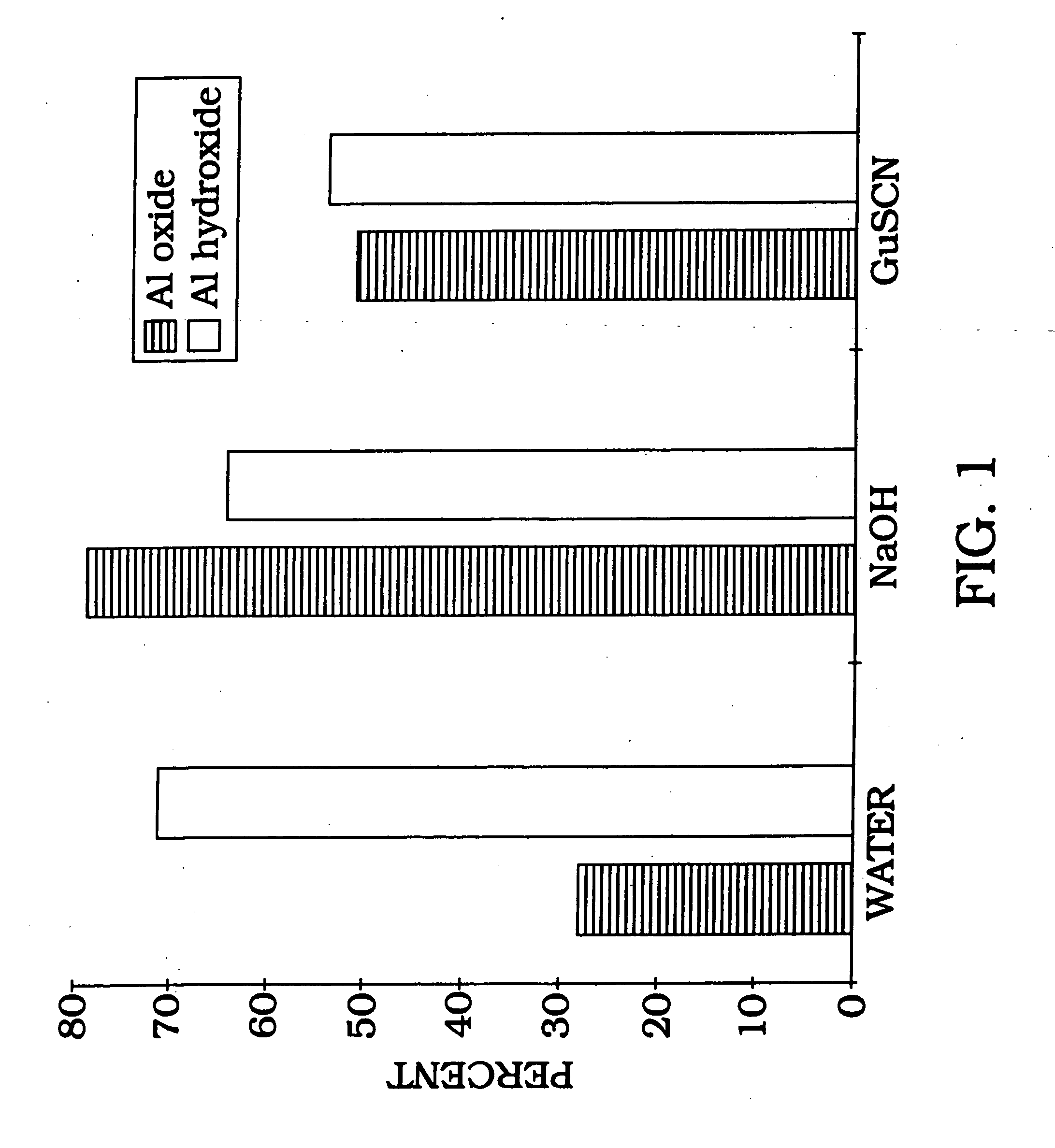
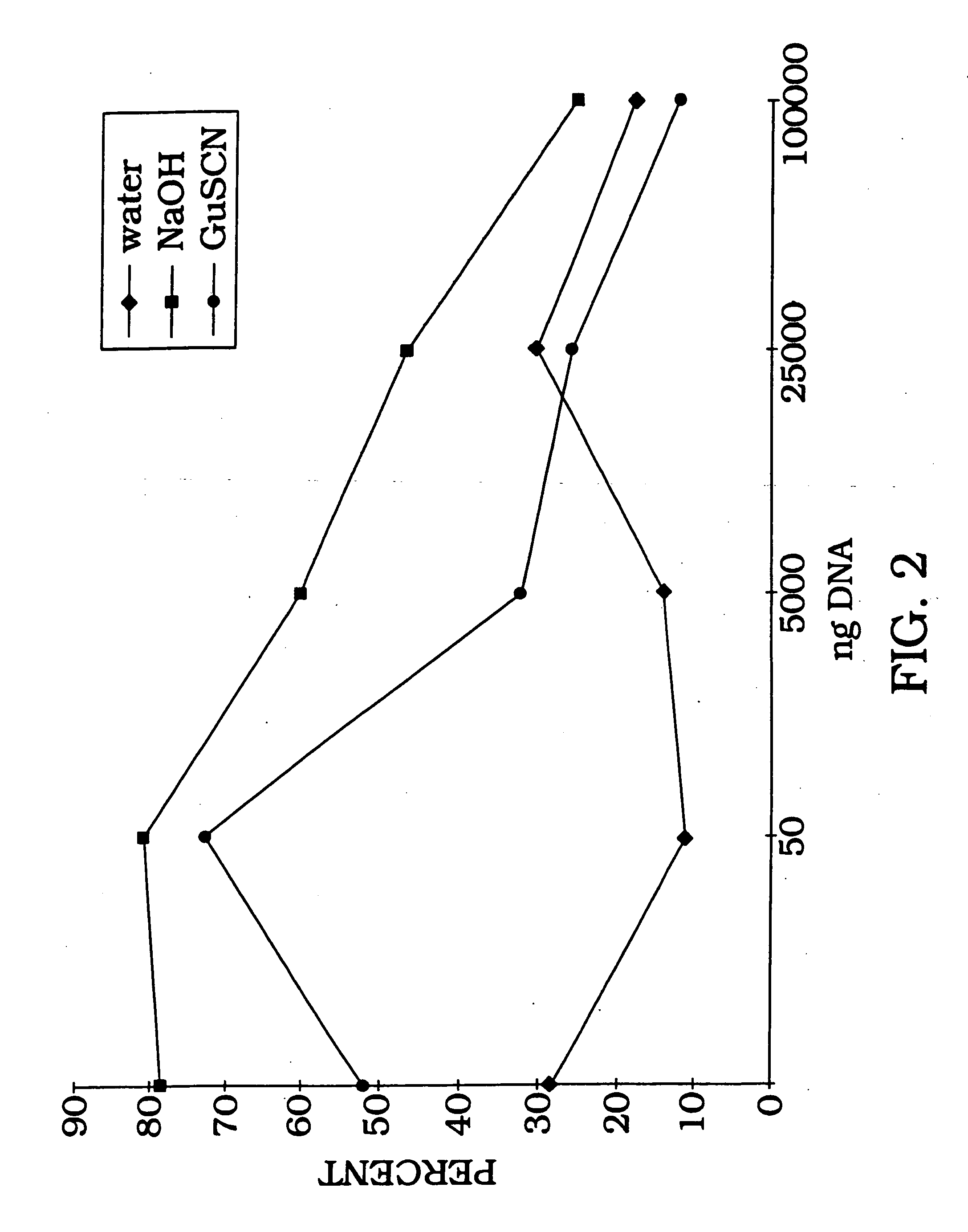
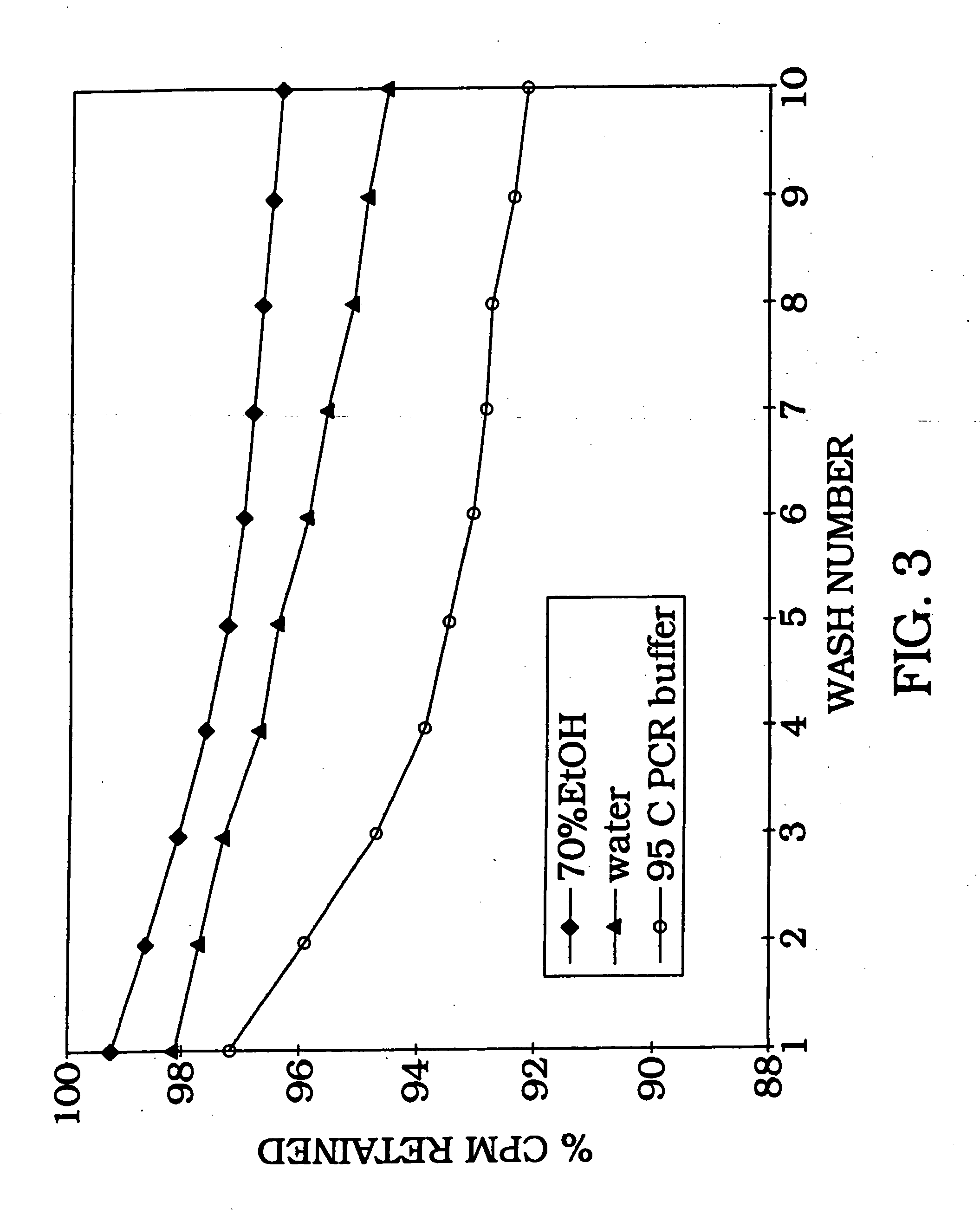
- The use of solid phase matrices with highly electropositive elements rendered hydrophilic to tightly bind nucleic acids, allowing for direct integration of purification and amplification, eliminating the need for elution and reducing cross-contamination, enabling repeated analyses and storage of nucleic acids without alteration.
Environmental Impact Assessment
The use of sulfamic acid as a buffer system in biochemical reactions presents both potential benefits and environmental considerations. As with any chemical compound introduced into biological systems, it is crucial to assess the environmental impact of sulfamic acid to ensure sustainable and responsible use.
Sulfamic acid is generally considered to have low toxicity to aquatic life and is biodegradable, which are positive attributes from an environmental perspective. However, its potential widespread use in biochemical applications necessitates a thorough evaluation of its long-term effects on ecosystems. The release of sulfamic acid into water bodies could potentially alter local pH levels, affecting sensitive aquatic organisms and disrupting ecological balance.
One key consideration is the fate of sulfamic acid in the environment after its use in biochemical reactions. While it does break down over time, the rate of degradation and the byproducts formed during this process need to be carefully studied. There is a possibility that under certain environmental conditions, sulfamic acid could persist longer than expected or form compounds with unforeseen ecological impacts.
The production and disposal of sulfamic acid also warrant attention. Manufacturing processes should be evaluated for their energy efficiency and potential emissions. Proper disposal protocols must be established to prevent the accumulation of sulfamic acid or its derivatives in soil or water systems. This is particularly important in areas where large-scale biochemical operations may lead to significant quantities of waste.
Furthermore, the interaction of sulfamic acid with other chemicals commonly used in laboratory or industrial settings should be investigated. Synergistic effects with other compounds could potentially amplify environmental risks or create new hazards that are not apparent when considering sulfamic acid in isolation.
It is also important to consider the broader lifecycle impact of adopting sulfamic acid as a buffer system. This includes the environmental costs associated with its production, transportation, and eventual disposal. A comprehensive lifecycle assessment would provide valuable insights into the overall environmental footprint of using sulfamic acid in biochemical applications.
In conclusion, while sulfamic acid shows promise as a buffer system in biochemical reactions, its widespread adoption should be preceded by rigorous environmental impact assessments. These studies should encompass not only the direct effects of the compound but also its indirect and long-term impacts on ecosystems. By thoroughly understanding and mitigating potential environmental risks, the scientific community can ensure that the benefits of sulfamic acid in biochemical applications are realized without compromising environmental integrity.
Sulfamic acid is generally considered to have low toxicity to aquatic life and is biodegradable, which are positive attributes from an environmental perspective. However, its potential widespread use in biochemical applications necessitates a thorough evaluation of its long-term effects on ecosystems. The release of sulfamic acid into water bodies could potentially alter local pH levels, affecting sensitive aquatic organisms and disrupting ecological balance.
One key consideration is the fate of sulfamic acid in the environment after its use in biochemical reactions. While it does break down over time, the rate of degradation and the byproducts formed during this process need to be carefully studied. There is a possibility that under certain environmental conditions, sulfamic acid could persist longer than expected or form compounds with unforeseen ecological impacts.
The production and disposal of sulfamic acid also warrant attention. Manufacturing processes should be evaluated for their energy efficiency and potential emissions. Proper disposal protocols must be established to prevent the accumulation of sulfamic acid or its derivatives in soil or water systems. This is particularly important in areas where large-scale biochemical operations may lead to significant quantities of waste.
Furthermore, the interaction of sulfamic acid with other chemicals commonly used in laboratory or industrial settings should be investigated. Synergistic effects with other compounds could potentially amplify environmental risks or create new hazards that are not apparent when considering sulfamic acid in isolation.
It is also important to consider the broader lifecycle impact of adopting sulfamic acid as a buffer system. This includes the environmental costs associated with its production, transportation, and eventual disposal. A comprehensive lifecycle assessment would provide valuable insights into the overall environmental footprint of using sulfamic acid in biochemical applications.
In conclusion, while sulfamic acid shows promise as a buffer system in biochemical reactions, its widespread adoption should be preceded by rigorous environmental impact assessments. These studies should encompass not only the direct effects of the compound but also its indirect and long-term impacts on ecosystems. By thoroughly understanding and mitigating potential environmental risks, the scientific community can ensure that the benefits of sulfamic acid in biochemical applications are realized without compromising environmental integrity.
Regulatory Compliance for Buffers
The regulatory landscape for buffer systems in biochemical reactions is complex and multifaceted, requiring careful consideration of various guidelines and standards. When evaluating the potential of sulfamic acid as a buffer system, it is crucial to understand and comply with the relevant regulatory frameworks.
In the United States, the Food and Drug Administration (FDA) plays a pivotal role in regulating buffers used in pharmaceutical and biotechnology applications. The FDA's Good Manufacturing Practice (GMP) guidelines outline specific requirements for the quality, safety, and efficacy of buffer systems. These guidelines emphasize the importance of consistency, purity, and stability in buffer preparations, which are critical factors when considering sulfamic acid as a potential buffer.
The European Medicines Agency (EMA) provides similar regulatory oversight in the European Union. Their guidelines on pharmaceutical quality systems and good manufacturing practices are equally stringent, requiring thorough documentation and validation of buffer systems used in biochemical processes. Compliance with EMA regulations is essential for any buffer system intended for use in products destined for the European market.
Internationally, the International Conference on Harmonisation of Technical Requirements for Registration of Pharmaceuticals for Human Use (ICH) provides harmonized guidelines that are recognized by regulatory bodies worldwide. The ICH Q7 guideline on Good Manufacturing Practice for Active Pharmaceutical Ingredients is particularly relevant, as it addresses the quality aspects of materials used in drug manufacturing, including buffer systems.
Environmental regulations also play a significant role in the regulatory compliance of buffer systems. The Environmental Protection Agency (EPA) in the United States and the European Environment Agency (EEA) in Europe have established guidelines for the handling, disposal, and environmental impact of chemical substances. These regulations must be considered when evaluating sulfamic acid as a buffer, particularly in terms of its potential environmental effects and disposal requirements.
Occupational health and safety regulations, such as those set by the Occupational Safety and Health Administration (OSHA) in the United States, must also be taken into account. These regulations govern the safe handling and use of chemical substances in laboratory and industrial settings, which is crucial when considering the implementation of sulfamic acid as a buffer system.
Compliance with these regulatory frameworks requires extensive documentation, validation studies, and quality control measures. This includes maintaining detailed records of buffer preparation, conducting stability studies, and implementing robust quality management systems. Additionally, any changes to established buffer systems or the introduction of new buffer components like sulfamic acid would likely require regulatory approval and may necessitate additional studies to demonstrate safety and efficacy.
In the United States, the Food and Drug Administration (FDA) plays a pivotal role in regulating buffers used in pharmaceutical and biotechnology applications. The FDA's Good Manufacturing Practice (GMP) guidelines outline specific requirements for the quality, safety, and efficacy of buffer systems. These guidelines emphasize the importance of consistency, purity, and stability in buffer preparations, which are critical factors when considering sulfamic acid as a potential buffer.
The European Medicines Agency (EMA) provides similar regulatory oversight in the European Union. Their guidelines on pharmaceutical quality systems and good manufacturing practices are equally stringent, requiring thorough documentation and validation of buffer systems used in biochemical processes. Compliance with EMA regulations is essential for any buffer system intended for use in products destined for the European market.
Internationally, the International Conference on Harmonisation of Technical Requirements for Registration of Pharmaceuticals for Human Use (ICH) provides harmonized guidelines that are recognized by regulatory bodies worldwide. The ICH Q7 guideline on Good Manufacturing Practice for Active Pharmaceutical Ingredients is particularly relevant, as it addresses the quality aspects of materials used in drug manufacturing, including buffer systems.
Environmental regulations also play a significant role in the regulatory compliance of buffer systems. The Environmental Protection Agency (EPA) in the United States and the European Environment Agency (EEA) in Europe have established guidelines for the handling, disposal, and environmental impact of chemical substances. These regulations must be considered when evaluating sulfamic acid as a buffer, particularly in terms of its potential environmental effects and disposal requirements.
Occupational health and safety regulations, such as those set by the Occupational Safety and Health Administration (OSHA) in the United States, must also be taken into account. These regulations govern the safe handling and use of chemical substances in laboratory and industrial settings, which is crucial when considering the implementation of sulfamic acid as a buffer system.
Compliance with these regulatory frameworks requires extensive documentation, validation studies, and quality control measures. This includes maintaining detailed records of buffer preparation, conducting stability studies, and implementing robust quality management systems. Additionally, any changes to established buffer systems or the introduction of new buffer components like sulfamic acid would likely require regulatory approval and may necessitate additional studies to demonstrate safety and efficacy.
Unlock deeper insights with Patsnap Eureka Quick Research — get a full tech report to explore trends and direct your research. Try now!
Generate Your Research Report Instantly with AI Agent
Supercharge your innovation with Patsnap Eureka AI Agent Platform!