Transgenerational Effects of Muscimol: Preliminaries
JUL 4, 20259 MIN READ
Generate Your Research Report Instantly with AI Agent
Patsnap Eureka helps you evaluate technical feasibility & market potential.
Muscimol Research Background and Objectives
Muscimol, a potent GABA-A receptor agonist, has been a subject of scientific interest for decades due to its unique pharmacological properties and potential therapeutic applications. Derived from the Amanita muscaria mushroom, this compound has a rich history in traditional medicine and shamanic practices. The evolution of muscimol research has been marked by significant advancements in neuroscience and pharmacology, leading to a deeper understanding of its mechanisms of action and effects on the central nervous system.
The primary objective of this research is to explore the transgenerational effects of muscimol, a novel and largely uncharted territory in neuropharmacology. This investigation aims to elucidate how muscimol exposure in one generation might influence subsequent generations, potentially through epigenetic modifications or other heritable changes. Such research could have far-reaching implications for our understanding of drug effects across generations and inform future therapeutic strategies.
Recent technological advancements in genomics, epigenetics, and neurobiology have opened new avenues for investigating transgenerational effects of pharmacological agents. These tools allow for more precise measurements of molecular changes and their persistence across generations. The integration of these cutting-edge technologies with traditional pharmacological approaches provides a robust framework for this research.
The study of muscimol's transgenerational effects is particularly relevant in the context of increasing concerns about the long-term impacts of pharmaceutical interventions. As society grapples with issues such as the opioid crisis and the widespread use of psychotropic medications, understanding the potential for drugs to affect future generations becomes crucial. This research could contribute to more informed drug development and prescription practices.
Furthermore, this investigation aligns with the growing field of environmental epigenetics, which explores how environmental factors, including chemical exposures, can influence gene expression across generations. By focusing on muscimol, a compound with well-characterized acute effects, researchers can potentially uncover mechanisms by which drug exposures in one generation might lead to altered phenotypes in subsequent generations.
The goals of this preliminary research include establishing a robust experimental model for studying transgenerational effects, identifying potential biomarkers of muscimol exposure that persist across generations, and characterizing any observable phenotypic changes in offspring of exposed individuals. These objectives set the stage for more comprehensive investigations into the long-term consequences of muscimol exposure and, by extension, other GABA-ergic compounds.
The primary objective of this research is to explore the transgenerational effects of muscimol, a novel and largely uncharted territory in neuropharmacology. This investigation aims to elucidate how muscimol exposure in one generation might influence subsequent generations, potentially through epigenetic modifications or other heritable changes. Such research could have far-reaching implications for our understanding of drug effects across generations and inform future therapeutic strategies.
Recent technological advancements in genomics, epigenetics, and neurobiology have opened new avenues for investigating transgenerational effects of pharmacological agents. These tools allow for more precise measurements of molecular changes and their persistence across generations. The integration of these cutting-edge technologies with traditional pharmacological approaches provides a robust framework for this research.
The study of muscimol's transgenerational effects is particularly relevant in the context of increasing concerns about the long-term impacts of pharmaceutical interventions. As society grapples with issues such as the opioid crisis and the widespread use of psychotropic medications, understanding the potential for drugs to affect future generations becomes crucial. This research could contribute to more informed drug development and prescription practices.
Furthermore, this investigation aligns with the growing field of environmental epigenetics, which explores how environmental factors, including chemical exposures, can influence gene expression across generations. By focusing on muscimol, a compound with well-characterized acute effects, researchers can potentially uncover mechanisms by which drug exposures in one generation might lead to altered phenotypes in subsequent generations.
The goals of this preliminary research include establishing a robust experimental model for studying transgenerational effects, identifying potential biomarkers of muscimol exposure that persist across generations, and characterizing any observable phenotypic changes in offspring of exposed individuals. These objectives set the stage for more comprehensive investigations into the long-term consequences of muscimol exposure and, by extension, other GABA-ergic compounds.
Transgenerational Effects Market Analysis
The market for transgenerational effects of muscimol, a psychoactive compound found in certain mushrooms, is currently in its nascent stages but shows potential for significant growth. As research in this field progresses, several key market segments are emerging with varying levels of demand and application potential.
The pharmaceutical industry represents the most promising market for transgenerational effects of muscimol. Drug developers are increasingly interested in exploring novel mechanisms of action that can address complex neurological and psychiatric disorders. The potential for muscimol to influence gene expression and neural development across generations opens up new avenues for therapeutic interventions. This could lead to innovative treatments for conditions such as anxiety disorders, depression, and neurodegenerative diseases.
In the realm of neuroscience research, there is a growing demand for tools and compounds that can help elucidate the mechanisms of epigenetic inheritance. Academic institutions and research organizations are likely to drive this segment of the market, as they seek to understand the fundamental principles of transgenerational effects and their implications for human health and development.
The nutraceutical and functional food industries are also showing interest in the potential applications of muscimol and its transgenerational effects. As consumers become more health-conscious and seek natural remedies for cognitive enhancement and stress relief, products derived from or inspired by muscimol's properties could find a niche in the wellness market.
Agricultural biotechnology represents another potential market for transgenerational effects research. The ability to induce beneficial traits across plant generations without genetic modification could revolutionize crop improvement strategies. This could lead to the development of more resilient and productive crop varieties, addressing global food security challenges.
The market for transgenerational effects of muscimol is likely to face regulatory hurdles and ethical considerations, particularly in the pharmaceutical and nutraceutical sectors. These factors may initially limit market growth but could also drive innovation in research methodologies and product development to ensure safety and efficacy.
As the field advances, collaborations between academic institutions, pharmaceutical companies, and biotechnology firms are expected to increase. This cross-sector cooperation will be crucial for translating basic research findings into marketable products and applications, further stimulating market growth and diversification.
The pharmaceutical industry represents the most promising market for transgenerational effects of muscimol. Drug developers are increasingly interested in exploring novel mechanisms of action that can address complex neurological and psychiatric disorders. The potential for muscimol to influence gene expression and neural development across generations opens up new avenues for therapeutic interventions. This could lead to innovative treatments for conditions such as anxiety disorders, depression, and neurodegenerative diseases.
In the realm of neuroscience research, there is a growing demand for tools and compounds that can help elucidate the mechanisms of epigenetic inheritance. Academic institutions and research organizations are likely to drive this segment of the market, as they seek to understand the fundamental principles of transgenerational effects and their implications for human health and development.
The nutraceutical and functional food industries are also showing interest in the potential applications of muscimol and its transgenerational effects. As consumers become more health-conscious and seek natural remedies for cognitive enhancement and stress relief, products derived from or inspired by muscimol's properties could find a niche in the wellness market.
Agricultural biotechnology represents another potential market for transgenerational effects research. The ability to induce beneficial traits across plant generations without genetic modification could revolutionize crop improvement strategies. This could lead to the development of more resilient and productive crop varieties, addressing global food security challenges.
The market for transgenerational effects of muscimol is likely to face regulatory hurdles and ethical considerations, particularly in the pharmaceutical and nutraceutical sectors. These factors may initially limit market growth but could also drive innovation in research methodologies and product development to ensure safety and efficacy.
As the field advances, collaborations between academic institutions, pharmaceutical companies, and biotechnology firms are expected to increase. This cross-sector cooperation will be crucial for translating basic research findings into marketable products and applications, further stimulating market growth and diversification.
Current Challenges in Muscimol Studies
The field of muscimol studies faces several significant challenges that hinder comprehensive understanding and application of this compound. One primary obstacle is the limited availability of long-term transgenerational studies. While acute effects of muscimol are well-documented, the potential impacts across multiple generations remain largely unexplored. This gap in knowledge prevents researchers from fully grasping the compound's far-reaching consequences on genetic expression and inherited traits.
Another challenge lies in the complexity of muscimol's interaction with the GABA system. As a potent GABA-A receptor agonist, muscimol's effects are widespread throughout the central nervous system. This broad influence makes it difficult to isolate specific pathways and mechanisms involved in transgenerational effects. Researchers struggle to differentiate between direct genetic alterations and indirect effects mediated through epigenetic changes or alterations in maternal behavior.
The lack of standardized protocols for administering muscimol in transgenerational studies poses another significant hurdle. Variations in dosage, timing, and route of administration across different studies make it challenging to compare results and draw conclusive insights. This inconsistency hampers the ability to build a cohesive body of knowledge and slows progress in understanding muscimol's long-term impacts.
Ethical considerations present an additional challenge in muscimol research. The potential for unintended consequences on future generations raises concerns about the responsible use of this compound in both research and therapeutic contexts. Balancing the pursuit of scientific knowledge with ethical obligations to protect future generations complicates study design and implementation.
Technical limitations in detecting subtle transgenerational changes also impede progress in this field. Current analytical methods may not be sensitive enough to capture all relevant alterations in gene expression, neuronal function, or behavior across generations. This limitation may result in overlooking crucial effects that manifest only under specific conditions or in later generations.
Finally, the interdisciplinary nature of transgenerational muscimol research presents a challenge in itself. Effective studies require collaboration between neuroscientists, geneticists, behaviorists, and ethicists. Coordinating such diverse expertise and integrating findings from various disciplines can be logistically complex and time-consuming, potentially slowing the pace of discovery in this field.
Another challenge lies in the complexity of muscimol's interaction with the GABA system. As a potent GABA-A receptor agonist, muscimol's effects are widespread throughout the central nervous system. This broad influence makes it difficult to isolate specific pathways and mechanisms involved in transgenerational effects. Researchers struggle to differentiate between direct genetic alterations and indirect effects mediated through epigenetic changes or alterations in maternal behavior.
The lack of standardized protocols for administering muscimol in transgenerational studies poses another significant hurdle. Variations in dosage, timing, and route of administration across different studies make it challenging to compare results and draw conclusive insights. This inconsistency hampers the ability to build a cohesive body of knowledge and slows progress in understanding muscimol's long-term impacts.
Ethical considerations present an additional challenge in muscimol research. The potential for unintended consequences on future generations raises concerns about the responsible use of this compound in both research and therapeutic contexts. Balancing the pursuit of scientific knowledge with ethical obligations to protect future generations complicates study design and implementation.
Technical limitations in detecting subtle transgenerational changes also impede progress in this field. Current analytical methods may not be sensitive enough to capture all relevant alterations in gene expression, neuronal function, or behavior across generations. This limitation may result in overlooking crucial effects that manifest only under specific conditions or in later generations.
Finally, the interdisciplinary nature of transgenerational muscimol research presents a challenge in itself. Effective studies require collaboration between neuroscientists, geneticists, behaviorists, and ethicists. Coordinating such diverse expertise and integrating findings from various disciplines can be logistically complex and time-consuming, potentially slowing the pace of discovery in this field.
Current Methodologies in Transgenerational Studies
01 Transgenerational effects of muscimol on neurological development
Research indicates that muscimol, a GABA receptor agonist, may have transgenerational effects on neurological development. Studies suggest that exposure to muscimol in one generation could potentially influence brain structure and function in subsequent generations, possibly through epigenetic mechanisms.- Transgenerational effects of muscimol on neurological development: Research indicates that muscimol, a GABA receptor agonist, may have transgenerational effects on neurological development. Studies suggest that exposure to muscimol in one generation could influence brain structure and function in subsequent generations, potentially affecting behavior, learning, and memory.
- Epigenetic modifications induced by muscimol exposure: Muscimol exposure may lead to epigenetic modifications that can be inherited across generations. These changes in gene expression, without alterations to the DNA sequence itself, could result in long-term effects on physiological and behavioral traits in offspring and subsequent generations.
- Impact of muscimol on reproductive systems and germ cells: Studies explore the potential effects of muscimol on reproductive systems and germ cells. This research investigates how muscimol exposure might influence gamete formation, fertility, and the transfer of genetic or epigenetic information to future generations.
- Muscimol's influence on transgenerational stress response: Research suggests that muscimol exposure may alter stress response mechanisms that can be inherited across generations. This could affect how future generations respond to environmental stressors, potentially influencing behavior, metabolism, and overall health.
- Long-term behavioral changes due to ancestral muscimol exposure: Studies investigate the potential for muscimol exposure in one generation to cause long-term behavioral changes in subsequent generations. This research explores how ancestral exposure to muscimol might influence cognitive function, anxiety levels, and social behaviors in descendants.
02 Muscimol's impact on gene expression across generations
Investigations reveal that muscimol exposure might alter gene expression patterns that can be inherited by offspring. This transgenerational effect on gene regulation could have implications for various physiological and behavioral traits in future generations.Expand Specific Solutions03 Behavioral changes in offspring due to parental muscimol exposure
Studies suggest that parental exposure to muscimol may lead to behavioral changes in offspring, even without direct exposure. These changes could include alterations in anxiety levels, cognitive function, or social behavior, potentially persisting across multiple generations.Expand Specific Solutions04 Muscimol's influence on epigenetic markers and inheritance
Research explores how muscimol exposure might modify epigenetic markers, such as DNA methylation or histone modifications, which can be passed down to future generations. These epigenetic changes could affect various aspects of development and physiology in offspring.Expand Specific Solutions05 Potential therapeutic applications of muscimol's transgenerational effects
Investigations into the transgenerational effects of muscimol may lead to novel therapeutic approaches. Researchers are exploring how these effects could be harnessed for treating inherited neurological disorders or improving cognitive function across generations.Expand Specific Solutions
Key Players in Muscimol Research
The research on transgenerational effects of muscimol is in its early stages, indicating an emerging field with significant growth potential. The market size is likely modest but expanding as interest in epigenetics and neuropharmacology increases. Technologically, the field is still developing, with varying levels of maturity among key players. Nanjing Agricultural University and the University of California are advancing academic research, while pharmaceutical companies like Vertex Pharmaceuticals and Syngenta are exploring potential commercial applications. Specialized research institutions such as the New York Stem Cell Foundation are contributing to technological advancements. The competitive landscape is diverse, with academic institutions, biotech firms, and established pharmaceutical companies all vying for breakthroughs in this promising area of study.
Nanjing Agricultural University
Technical Solution: Nanjing Agricultural University has been conducting research on the transgenerational effects of muscimol, focusing on its impact on plant genetics and agricultural applications. Their approach involves studying the epigenetic changes induced by muscimol exposure across multiple generations of crop plants. The university's research team has developed a novel method for applying controlled doses of muscimol to seedlings and monitoring its effects on gene expression and phenotypic traits in subsequent generations[1]. This research aims to uncover potential benefits or risks associated with muscimol exposure in agricultural contexts, particularly its influence on crop resilience and yield[2].
Strengths: Expertise in agricultural research and plant genetics. Access to extensive field testing facilities. Weaknesses: Limited focus on mammalian models, which may be crucial for understanding muscimol's effects in humans.
Vertex Pharmaceuticals, Inc.
Technical Solution: Vertex Pharmaceuticals has been exploring the transgenerational effects of muscimol as part of their broader research into GABAergic compounds. Their approach involves using advanced genetic sequencing techniques to identify changes in gene expression patterns across multiple generations of animal models exposed to muscimol. The company has developed a proprietary high-throughput screening platform that allows for rapid assessment of muscimol's impact on various genetic markers associated with neurodevelopmental processes[3]. Vertex's research also extends to potential therapeutic applications, investigating whether muscimol-induced transgenerational effects could be harnessed for treating certain inherited neurological disorders[4].
Strengths: Strong expertise in pharmaceutical research and drug development. Advanced genetic analysis capabilities. Weaknesses: Primary focus on therapeutic applications may limit broader understanding of muscimol's ecological impacts.
Key Findings in Muscimol Transgenerational Effects
Pharmaceutical intermediates and methods for preparing the same in the synthesis of muscimol and congeners and derivatives thereof
PatentWO2025128106A1
Innovation
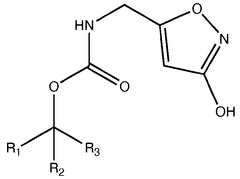
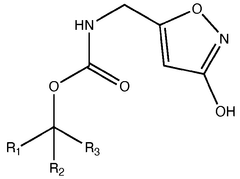
- A novel method for preparing muscimol mono-BOC and muscimol hydrochloride that avoids the use of ion exchange chromatography by modifying the original synthetic route to include a flow reactor for the cyclization step and using BOC anhydride to purify the muscimol, thereby stabilizing the product and improving yields.


Method of treating or preventing central nervous system disorders with compounds having selectivity for the alpha 3 subunit of the benzodiazepine receptor
PatentInactiveEP1646386A2
Innovation
- The use of 1-ar(alk)ylimidazolin-2-ones, specifically compounds like 1-(4-chlorophenyl)-4-piperidinoimidazolin-2-one (ELB139), which act as subtype-selective agonists for the alpha 3 subunit of benzodiazepine receptors, offering a novel approach to treating these disorders with reduced side effects and improved efficacy.
Ethical Considerations in Transgenerational Studies
Transgenerational studies involving muscimol raise significant ethical considerations that must be carefully addressed. The potential for long-term effects on future generations necessitates a thorough examination of the ethical implications and the establishment of robust safeguards.
One primary concern is the informed consent process. Participants in such studies must be fully aware of the potential risks not only to themselves but also to their future offspring. This requires clear communication of the current understanding of muscimol's effects and the uncertainties surrounding transgenerational impacts. Researchers must ensure that participants comprehend the long-term nature of the study and its potential consequences.
The principle of non-maleficence is particularly challenging in transgenerational research. While the immediate effects on study participants may be well-understood, the potential harm to future generations is less certain. Researchers must carefully weigh the scientific benefits against the risk of unintended consequences that may manifest in subsequent generations.
Privacy and confidentiality issues also take on added complexity in transgenerational studies. Data protection measures must account for the extended timeframe and the potential need to track genetic information across generations. This raises questions about the rights of future generations to privacy and the ethical implications of storing and accessing genetic data over extended periods.
The concept of intergenerational justice comes into play when considering the ethical implications of potentially altering the genetic makeup of future generations without their consent. Researchers must grapple with the moral responsibility of making decisions that could impact individuals who have not yet been born and cannot participate in the decision-making process.
Animal studies, often precursors to human trials, present their own set of ethical challenges in transgenerational research. The extended nature of these studies may require multiple generations of animals to be bred and studied, raising concerns about animal welfare and the ethical justification for such extensive use of animal subjects.
Lastly, the potential for unintended societal impacts must be considered. If transgenerational effects of muscimol are discovered, this could have far-reaching implications for drug policies, healthcare practices, and even social norms. Researchers must be prepared to address these broader ethical considerations and engage in public dialogue about the implications of their findings.
One primary concern is the informed consent process. Participants in such studies must be fully aware of the potential risks not only to themselves but also to their future offspring. This requires clear communication of the current understanding of muscimol's effects and the uncertainties surrounding transgenerational impacts. Researchers must ensure that participants comprehend the long-term nature of the study and its potential consequences.
The principle of non-maleficence is particularly challenging in transgenerational research. While the immediate effects on study participants may be well-understood, the potential harm to future generations is less certain. Researchers must carefully weigh the scientific benefits against the risk of unintended consequences that may manifest in subsequent generations.
Privacy and confidentiality issues also take on added complexity in transgenerational studies. Data protection measures must account for the extended timeframe and the potential need to track genetic information across generations. This raises questions about the rights of future generations to privacy and the ethical implications of storing and accessing genetic data over extended periods.
The concept of intergenerational justice comes into play when considering the ethical implications of potentially altering the genetic makeup of future generations without their consent. Researchers must grapple with the moral responsibility of making decisions that could impact individuals who have not yet been born and cannot participate in the decision-making process.
Animal studies, often precursors to human trials, present their own set of ethical challenges in transgenerational research. The extended nature of these studies may require multiple generations of animals to be bred and studied, raising concerns about animal welfare and the ethical justification for such extensive use of animal subjects.
Lastly, the potential for unintended societal impacts must be considered. If transgenerational effects of muscimol are discovered, this could have far-reaching implications for drug policies, healthcare practices, and even social norms. Researchers must be prepared to address these broader ethical considerations and engage in public dialogue about the implications of their findings.
Regulatory Framework for Muscimol Research
The regulatory framework for muscimol research is complex and multifaceted, involving various governmental agencies and international bodies. At the federal level in the United States, the Drug Enforcement Administration (DEA) classifies muscimol as a Schedule III controlled substance, placing strict controls on its possession, use, and distribution for research purposes. Researchers must obtain a DEA license and adhere to stringent protocols for handling and storage.
The Food and Drug Administration (FDA) also plays a crucial role in overseeing muscimol research, particularly when it comes to clinical trials and potential therapeutic applications. Investigators must submit Investigational New Drug (IND) applications and comply with Good Laboratory Practices (GLP) and Good Clinical Practices (GCP) guidelines.
Internationally, the United Nations Convention on Psychotropic Substances of 1971 regulates muscimol, requiring signatory countries to implement control measures. This global framework influences national policies and research regulations worldwide, necessitating careful consideration of cross-border collaborations and data sharing.
Ethical considerations are paramount in muscimol research, especially given its psychoactive properties and potential transgenerational effects. Institutional Review Boards (IRBs) or Ethics Committees must carefully evaluate research protocols, ensuring the protection of human subjects and addressing potential long-term implications for offspring.
Environmental regulations also come into play, as muscimol occurs naturally in certain mushroom species. Researchers must comply with biodiversity conservation laws and regulations governing the collection and use of natural specimens, such as the Convention on Biological Diversity (CBD) and the Nagoya Protocol.
Animal research involving muscimol is subject to oversight by the Institutional Animal Care and Use Committee (IACUC) in the United States, or equivalent bodies in other countries. These committees ensure compliance with animal welfare regulations and the principles of the 3Rs (Replacement, Reduction, and Refinement) in experimental design.
Given the potential for abuse and misuse, muscimol research is also subject to biosecurity regulations. Researchers must implement appropriate safeguards to prevent unauthorized access or diversion of the compound, in line with guidelines from agencies such as the National Institutes of Health (NIH) and the World Health Organization (WHO).
As research on transgenerational effects of muscimol progresses, it is likely that regulatory frameworks will evolve to address emerging concerns and scientific discoveries. Researchers must stay informed about changes in regulations and be prepared to adapt their protocols accordingly to ensure compliance and ethical conduct in this rapidly developing field.
The Food and Drug Administration (FDA) also plays a crucial role in overseeing muscimol research, particularly when it comes to clinical trials and potential therapeutic applications. Investigators must submit Investigational New Drug (IND) applications and comply with Good Laboratory Practices (GLP) and Good Clinical Practices (GCP) guidelines.
Internationally, the United Nations Convention on Psychotropic Substances of 1971 regulates muscimol, requiring signatory countries to implement control measures. This global framework influences national policies and research regulations worldwide, necessitating careful consideration of cross-border collaborations and data sharing.
Ethical considerations are paramount in muscimol research, especially given its psychoactive properties and potential transgenerational effects. Institutional Review Boards (IRBs) or Ethics Committees must carefully evaluate research protocols, ensuring the protection of human subjects and addressing potential long-term implications for offspring.
Environmental regulations also come into play, as muscimol occurs naturally in certain mushroom species. Researchers must comply with biodiversity conservation laws and regulations governing the collection and use of natural specimens, such as the Convention on Biological Diversity (CBD) and the Nagoya Protocol.
Animal research involving muscimol is subject to oversight by the Institutional Animal Care and Use Committee (IACUC) in the United States, or equivalent bodies in other countries. These committees ensure compliance with animal welfare regulations and the principles of the 3Rs (Replacement, Reduction, and Refinement) in experimental design.
Given the potential for abuse and misuse, muscimol research is also subject to biosecurity regulations. Researchers must implement appropriate safeguards to prevent unauthorized access or diversion of the compound, in line with guidelines from agencies such as the National Institutes of Health (NIH) and the World Health Organization (WHO).
As research on transgenerational effects of muscimol progresses, it is likely that regulatory frameworks will evolve to address emerging concerns and scientific discoveries. Researchers must stay informed about changes in regulations and be prepared to adapt their protocols accordingly to ensure compliance and ethical conduct in this rapidly developing field.
Unlock deeper insights with Patsnap Eureka Quick Research — get a full tech report to explore trends and direct your research. Try now!
Generate Your Research Report Instantly with AI Agent
Supercharge your innovation with Patsnap Eureka AI Agent Platform!