
An image rendering method, related device, device and storage medium
An image rendering and image technology, applied in the field of image rendering, can solve the problems of single image representation and lack of interaction, and achieve the effect of avoiding single image representation, realizing interaction, and changing image clarity
- Summary
- Abstract
- Description
- Claims
- Application Information
AI Technical Summary
Problems solved by technology
Method used
Image

Examples
Embodiment Construction
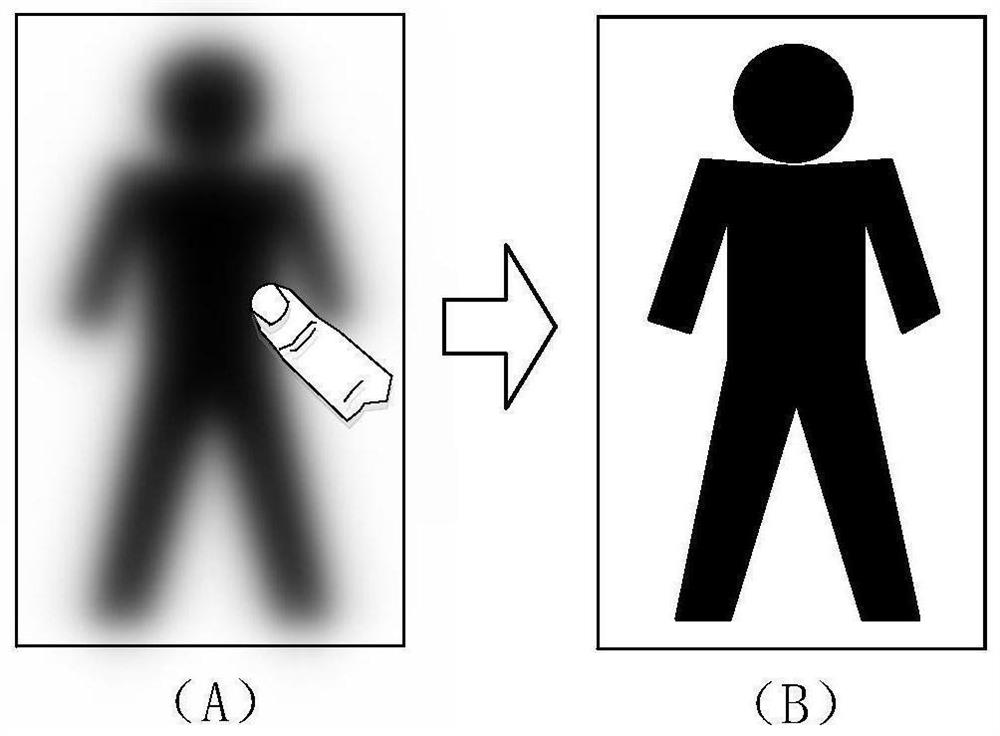
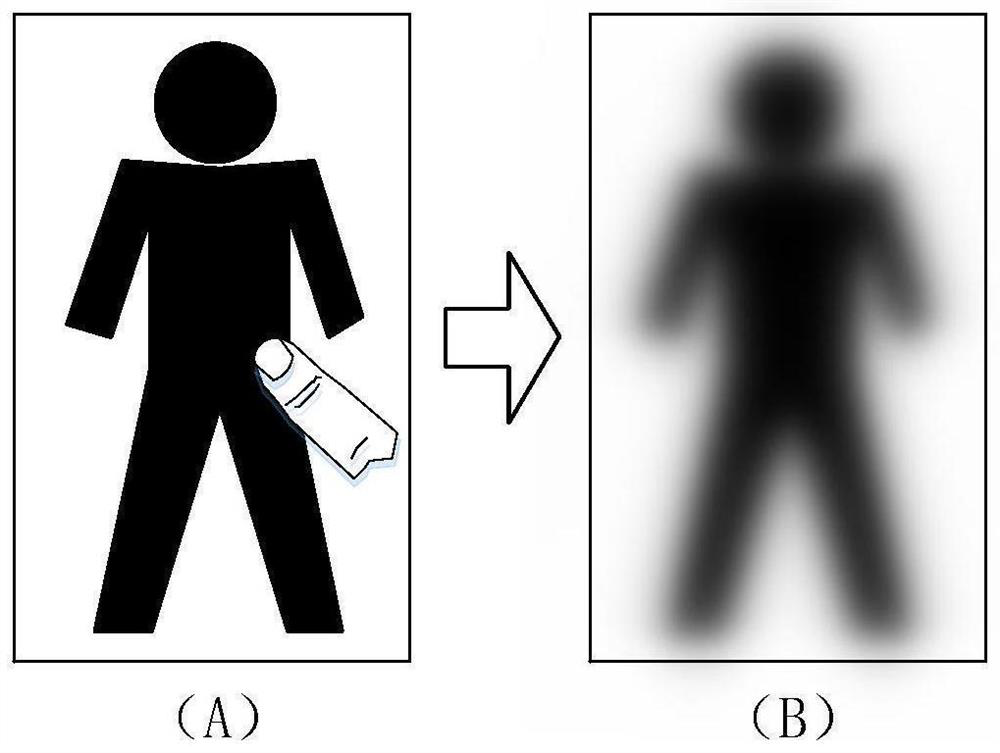
[0098] Embodiments of the present application provide an image rendering method, related devices, equipment, and storage media, which can not only achieve the effect of changing the image definition, but also realize the interaction between the user and the screen, avoiding a single display mode of the screen.
[0099] The terms "first", "second", "third", "fourth", etc. (if any) in the specification and claims of the present application and the above drawings are used to distinguish similar objects, and not necessarily Used to describe a specific sequence or sequence. It is to be understood that the data so used are interchangeable under appropriate circumstances such that the embodiments of the application described herein, for example, can be practiced in sequences other than those illustrated or described herein. Furthermore, the terms "comprising" and "corresponding to" and any variations thereof, are intended to cover a non-exclusive inclusion, for example, a process, me...
PUM
 Login to View More
 Abstract
Description
Claims
Application Information
 Login to View More