
Ventilation control method for public area of subway station
A technology for public areas and control methods, applied in the field of rail transit, can solve the problems of low and excessive energy efficiency in system operation, and achieve the effects of improving energy-saving performance and environmental protection performance, saving energy, and saving materials and equipment
Patent Information
- Authority / Receiving Office
- CN · China
- Patent Type
- Applications(China)
- Current Assignee / Owner
- Publication Date
- 2021-11-19
- Estimated Expiration
- Not applicable · inactive patent
Smart Images
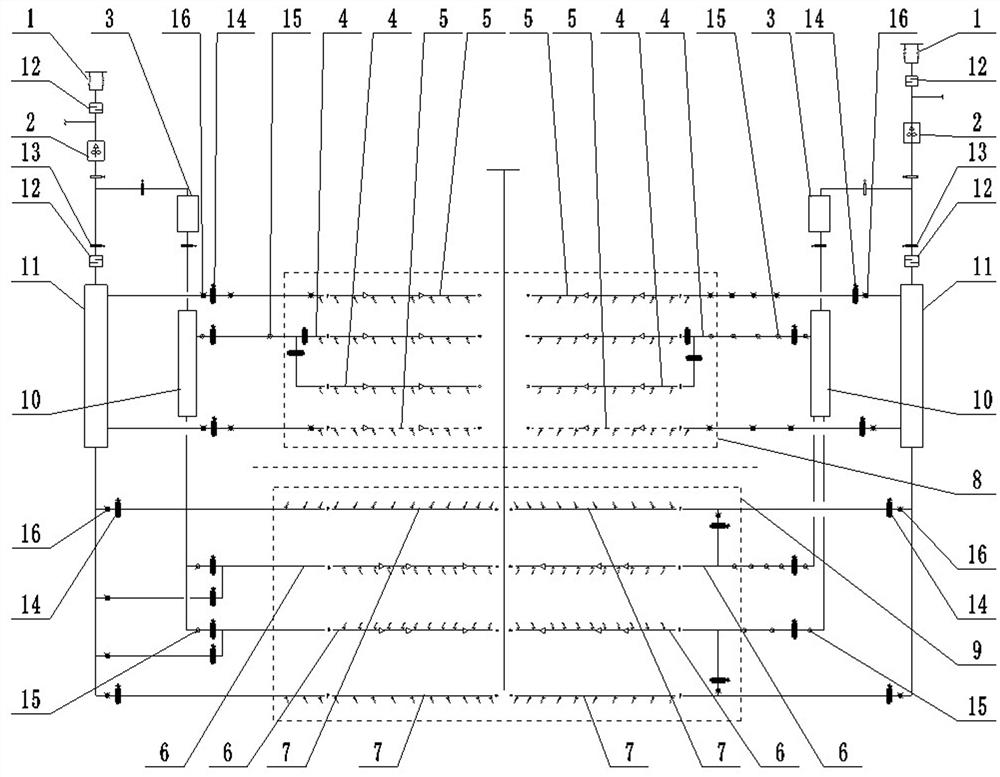
Figure 1 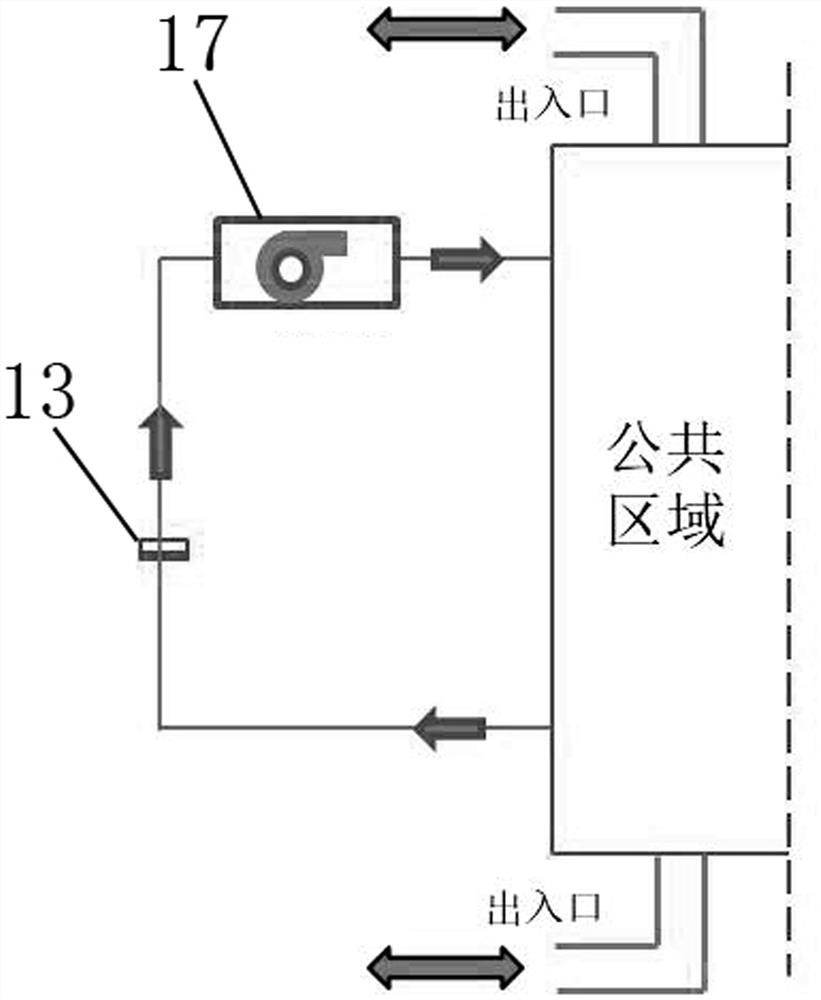
Figure 2 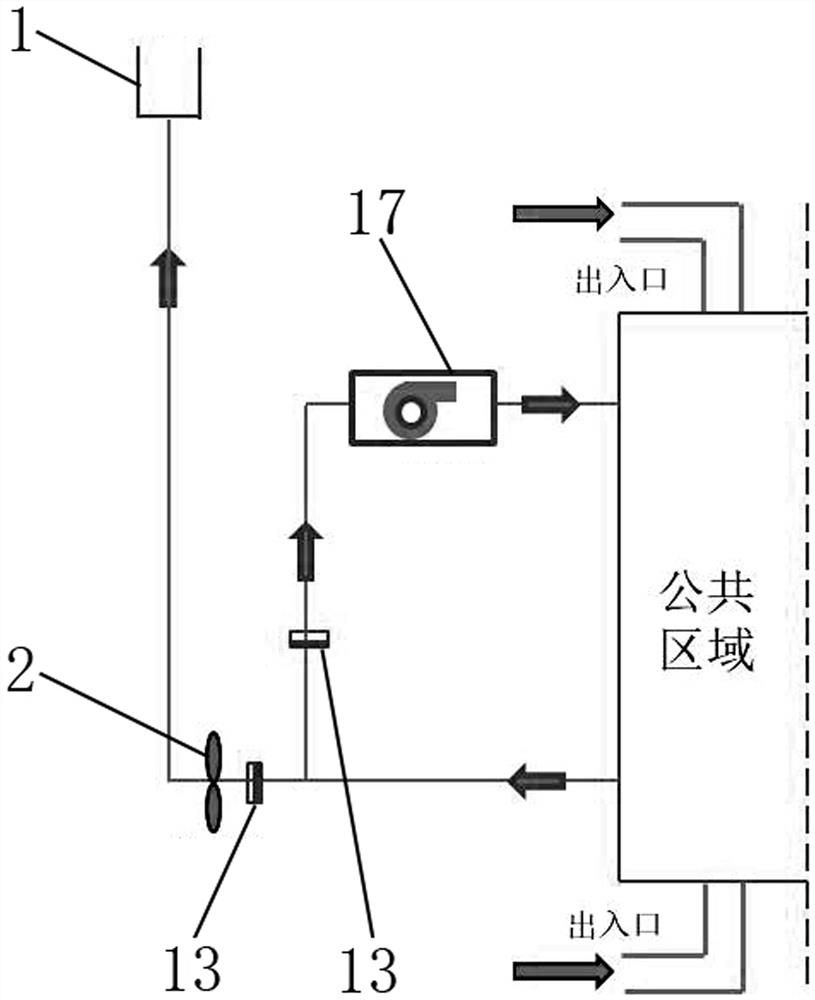
Figure 3
Abstract
Description
technical field
[0001] The invention relates to the technical field of rail transit, in particular to a ventilation control method for a public area of a subway station. Background technique
[0002] The subway station is an important urban infrastructure. It is currently in a period of rapid construction and rapid development. How to better meet the ventilation needs of the station, promote the efficient and reasonable operation of the subway station and reduce its operating energy consumption is the key point in the design and operation of the subway station. Concerns. The main function of the ventilation system of the subway station is to provide fresh air and remove excess heat to maintain the comfort of the station environment. The public areas on the hall level and platform level of subway stations have different functional characteristics from those in the office area and equipment area, and are only used for a short stay in the process of passengers getting on and...
Examples
Embodiment Construction
[0032] A ventilation control method in the public area of a subway station, which is realized based on the ventilation system, as shown in the appendix. figure 1 As shown, the ventilation system includes an exhaust well 1, an exhaust fan 2, an air conditioning unit 3, a station hall supply air duct 4, a station hall return and exhaust air duct 5, a platform supply air duct 6, and a station return and exhaust air outlet. The flue air duct 7 and the carbon dioxide detection device; the outlet of the station hall return and exhaust air duct 5 and the outlet of the station return and exhaust smoke and exhaust air duct 7 are respectively connected with the inlet of the exhaust fan 2 and the inlet of the air-conditioning unit 3; the exhaust fan 2 The outlet of the air-conditioning unit 3 is communicated with the air exhaust well 1; the outlet of the air supply fan 17 of the air conditioning unit 3 is respectively connected with the entrance of the station hall air supply air duct 4...