
Medicinal preparation containing exenatide
A pharmaceutical preparation, exenatide technology, applied in the field of exenatide stable pharmaceutical preparations, can solve the problems of exenatide stability cannot be guaranteed, affect the curative effect, and dosage changes
Patent Information
- Authority / Receiving Office
- CN · China
- Patent Type
- Applications(China)
- Current Assignee / Owner
- Publication Date
- 2010-03-17
- Estimated Expiration
- Not applicable · inactive patent
Smart Images
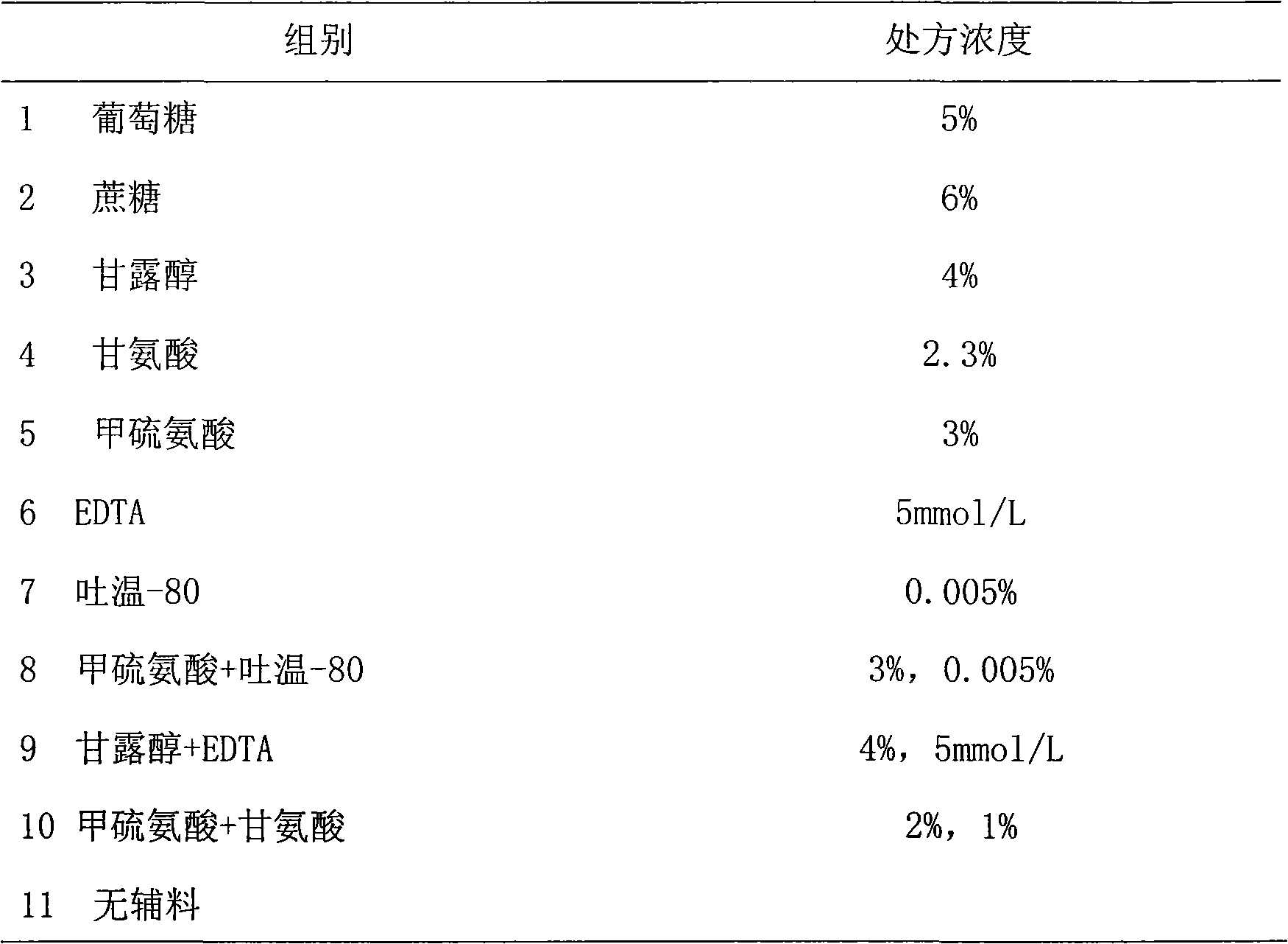
Figure 1 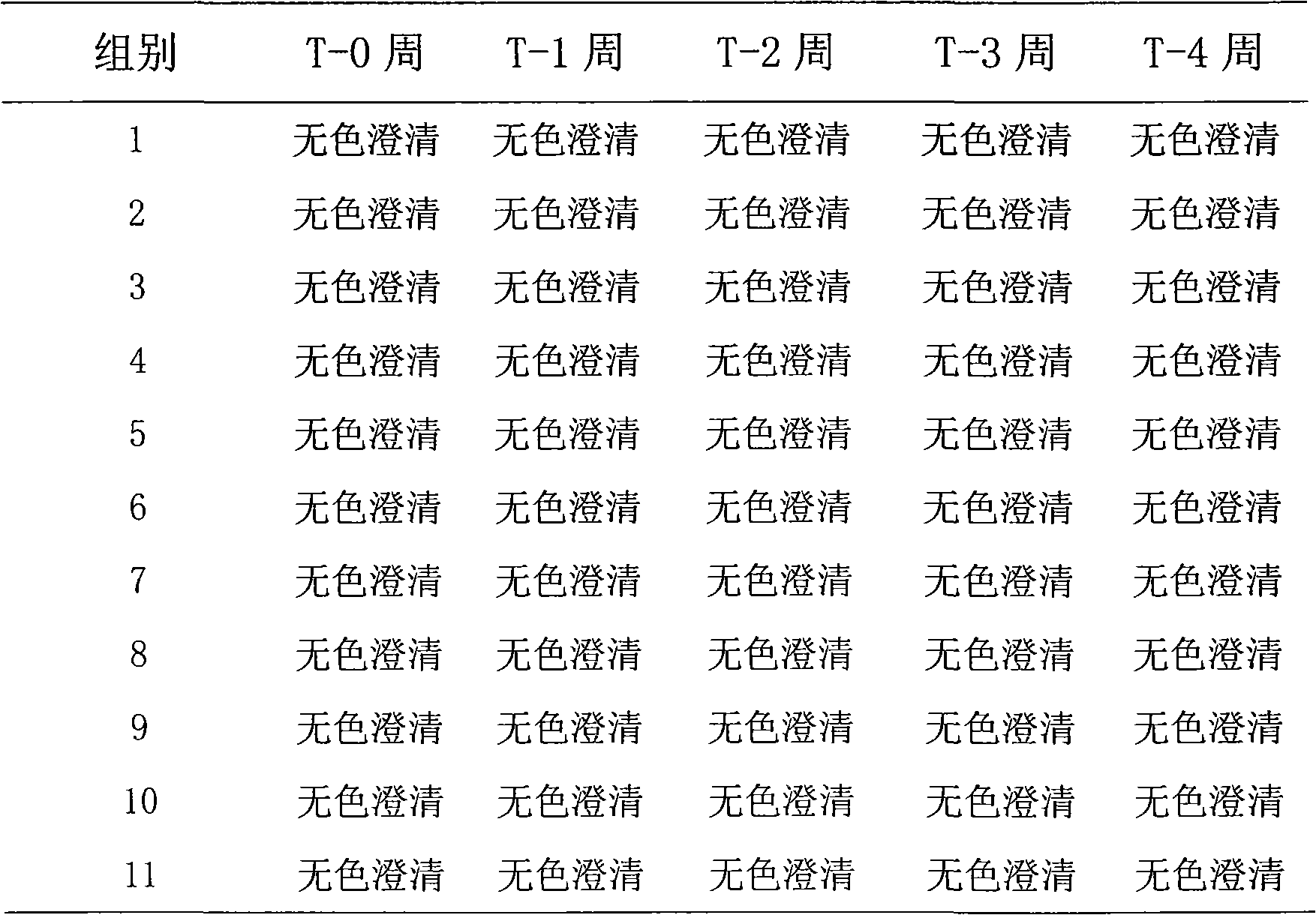
Figure 2 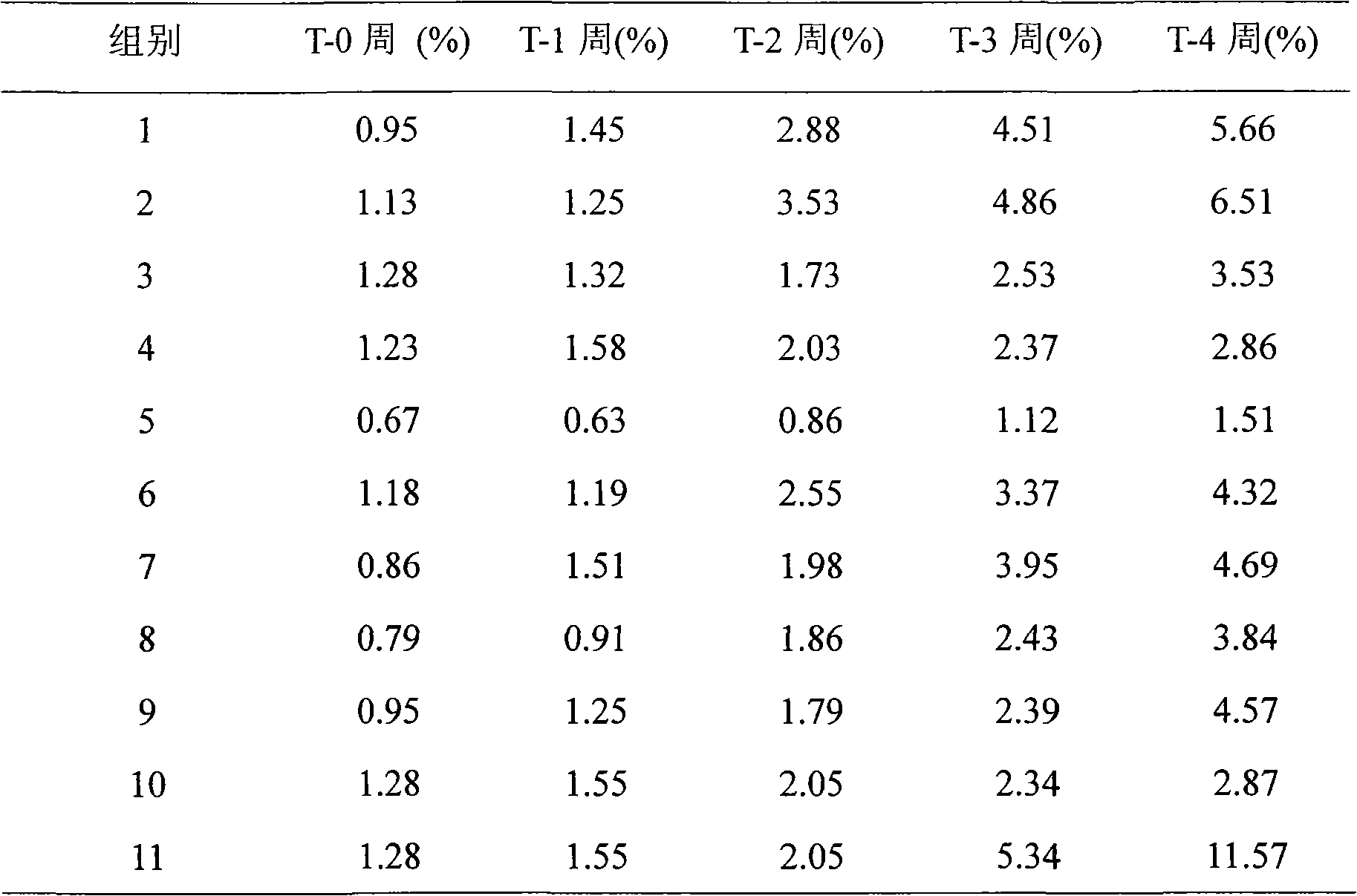
Figure 3
Abstract
Description
field of invention
[0001] The invention relates to a stable pharmaceutical preparation of exenatide, which can be used for the treatment of diabetic patients. technical background
[0002] Exenatide (exenatide or exendin-4) was first isolated from the saliva secretion of giant monster lizard (Heloderm suspectum) (Eng, J. et al., J.Biol.Chem., 265:20259-62, 1990; Eng, J. et al., J.Biol.Chem., 267:7402-05, 1992), this is a 39-amino acid polypeptide whose amino acid sequence is similar to that of glucagon-like peptide-1 (GLP- 1) It has about 53% homology (Goke et al., J. Biol. Chem., 268:19650-55, 1993), and its amino acid sequence structure is as follows:
[0003] His-Gly-Glu-Gly-Thr-Phe-Thr-Ser-Asp-Leu-Ser-Lys-Gln-Met-Glu-Glu-Glu-Ala-Val-Arg-Leu-Phe-Ile-Glu-Trp- Leu-Lys-Asn-Gly-Gly-Pro-Ser-Ser-GIy-Ala-Pro-Pro-Pro-Ser
[0004] Pharmacological studies have found that exenatide has a similar effect to GLP-1, that is, it can stimulate pancreatic β cells to secrete insulin. Ex...
Examples
example 1
[0069] Example 1: Screening of preservatives
[0070] In order to study the stability of exenatide under the condition of adding different preservatives, the following experiment was carried out, the method is as follows: first prepare different preservative solutions, each solution contains 3% methionine and 20mM pH 4.5 Disodium hydrogen phosphate-citric acid buffer solution, then weigh exenatide, add it to different preservative solutions and dissolve it into an exenatide preparation solution of about 250 μg / ml, and then use NaOH or HCl to adjust the pH to 4.5. After the preparation, put it into a 25°C incubator for accelerated testing. Samples were taken every 2 weeks and tested by HPLC to observe the degradation of the samples. The specific results are shown in the table below.
[0071] Byetta prescription: Exenatide 250μg / ml + m-cresol 2.2mg / ml + 4% mannitol + 30mM acetate buffer
[0072] Table 6: Addition of different preservatives
[0073]
[0074] Table 7: Conten...
example 2
[0077] Example 2: Screening of different concentrations of sodium benzoate
[0078] First prepare sodium benzoate solutions containing different concentrations, each solution contains 3% methionine and 20mM pH 4.5 disodium hydrogen phosphate-citric acid buffer, then weigh exenatide, add it to different Dissolve in preservative solution to form about 250 μg / ml exenatide preparation solution, then adjust pH to 4.5 with NaOH or HCl. After the preparation, put it into a 25°C incubator for accelerated testing. Samples were taken every 2 weeks and tested by HPLC to observe the degradation of the samples. The specific results are shown in the table below.
[0079] Table 8: Periodic reverse-phase detection of the content of related substances
[0080]
[0081] Can get from above-mentioned result: the sodium benzoate of 0.005%-5% (especially 0.2%-2.0%) has antiseptic effect preferably, but considers that preservative generally has certain toxic effect to human body, therefore adopt...