
A method to improve the precision of built-in real-time clock of energy meter mcu
A technology of real-time clock and electric energy meter, which is applied to measuring devices, measuring electrical variables, instruments, etc., and can solve the problems of inaccurate compensation, influence of calibration accuracy, and calibration.
Patent Information
- Authority / Receiving Office
- CN · China
- Patent Type
- Patents(China)
- Current Assignee / Owner
- Publication Date
- 2015-09-09
Smart Images
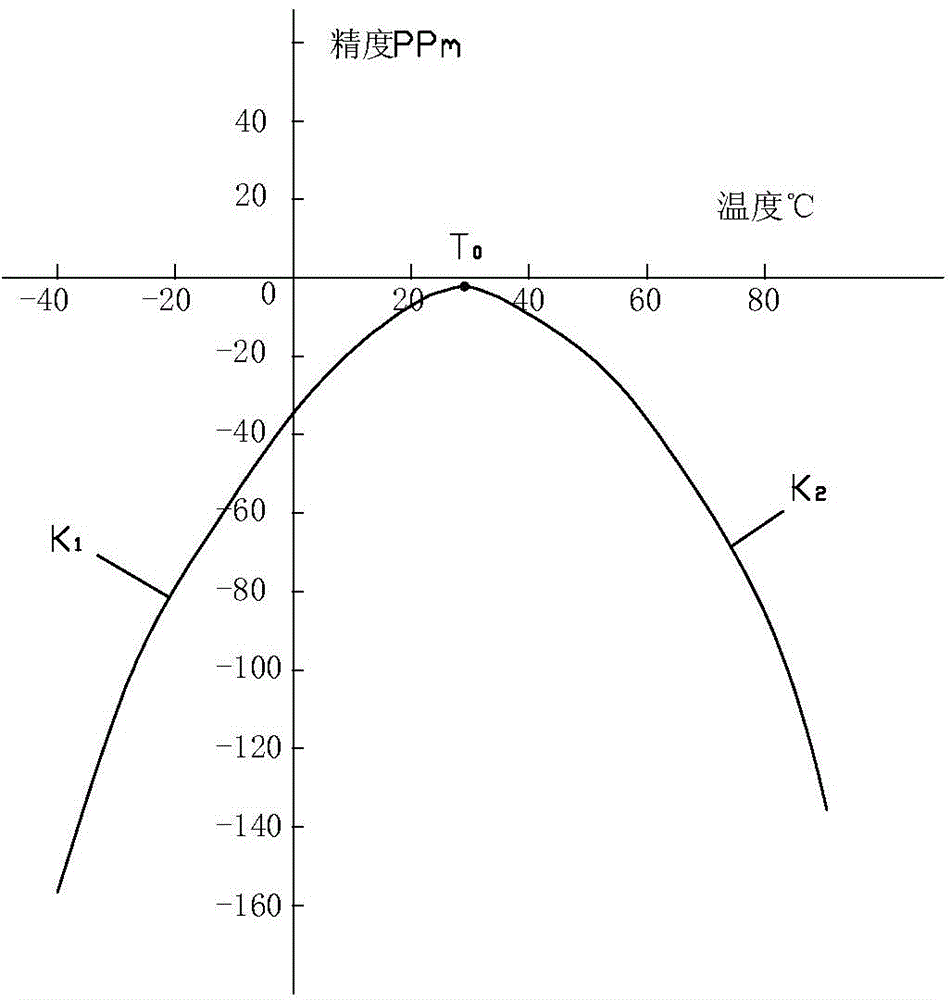
Figure 1 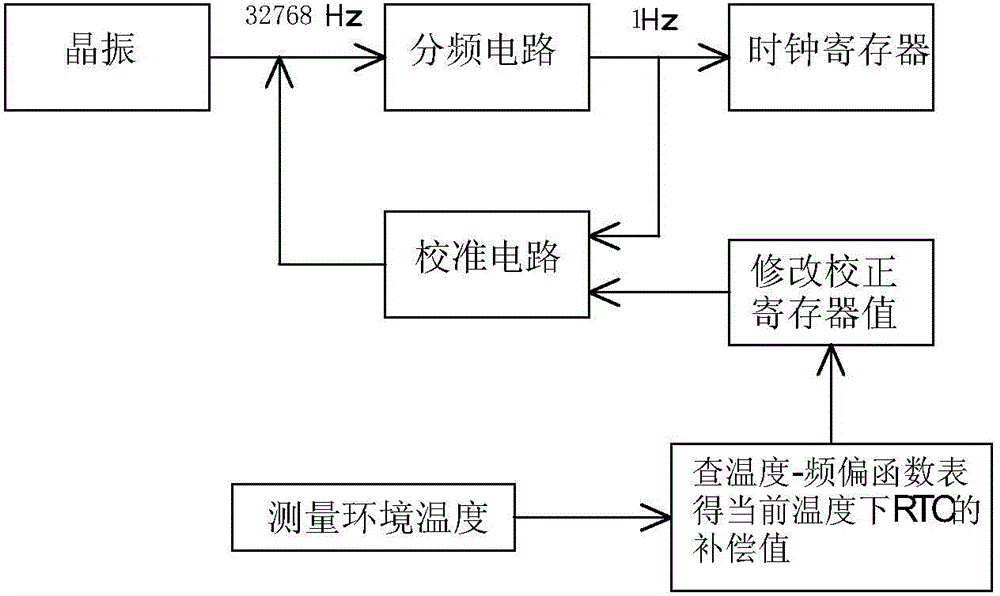
Figure 2 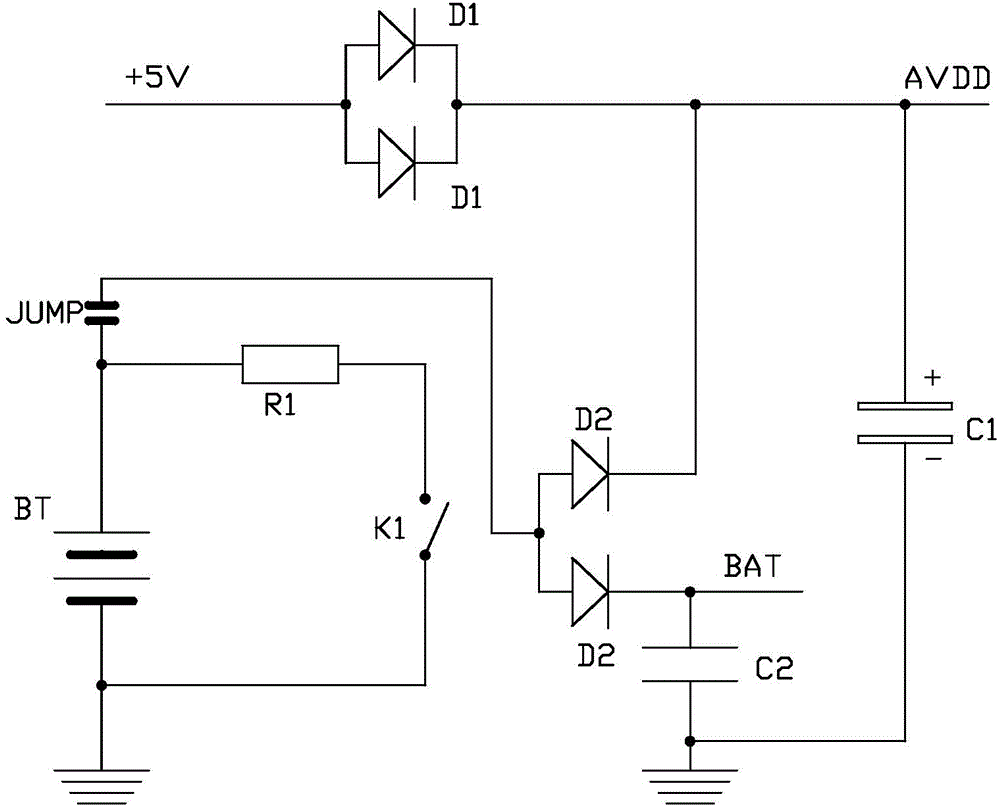
Figure 3
Abstract
Description
technical field
[0001] The invention relates to a method for improving the precision of a real-time clock (RTC) built into an MCU of an electric energy meter. Background technique
[0002] As a metering product for electric energy metering and electricity bill settlement, smart energy meters are required to have stable and accurate metering performance, so as to ensure that the interests of both electricity consumers and power suppliers are not damaged. At present, smart energy meters generally have time-sharing and multi-rate energy meters, and the requirements for time accuracy are getting higher and higher, and the problem of daily timing errors is also more prominent. In the rectification notice issued by the supplier, both Article 2 "Components Link" and Article 11 "Design and Manufacturing Process Link" focused on the problem of daily timekeeping error out-of-tolerance, requiring key rectification. According to the technical specifications of the smart energy meter of...
Examples
Embodiment Construction
[0032] The present invention as Figure 1-4 As shown: the electric energy meter includes an MCU, a crystal oscillator and a power management unit, and the power management unit is connected to a battery and a regulated power supply through a power supply circuit;
[0033] It includes the following steps: calculating the compensation amount and correcting the clock;
[0034] The calculation of the compensation amount is carried out according to the following process:
[0035] 1) Measure the frequency deviation of the actual crystal oscillator at different temperatures;
[0036] 2) Draw a sketch of the temperature-frequency deviation curve and find out the turning temperature T 0 ;
[0037] 3), respectively for T 0 The frequency deviation measured on both sides is used for curve fitting to obtain the corresponding curvature constant.
[0038] 3.1), when T0 When , the curvature constant K of the temperature and frequency offset function is fitted according to the measured va...