
Communication terminal energy-saving control method, communication method, device and system thereof
A communication terminal and energy-saving control technology, applied in the field of communication, can solve problems such as poor energy-saving effect of communication terminals, and achieve the effect of improving energy-saving effect and improving satisfaction
Patent Information
- Authority / Receiving Office
- CN · China
- Current Assignee / Owner
- Publication Date
- 2014-12-03
- Estimated Expiration
- Not applicable · inactive patent
Smart Images
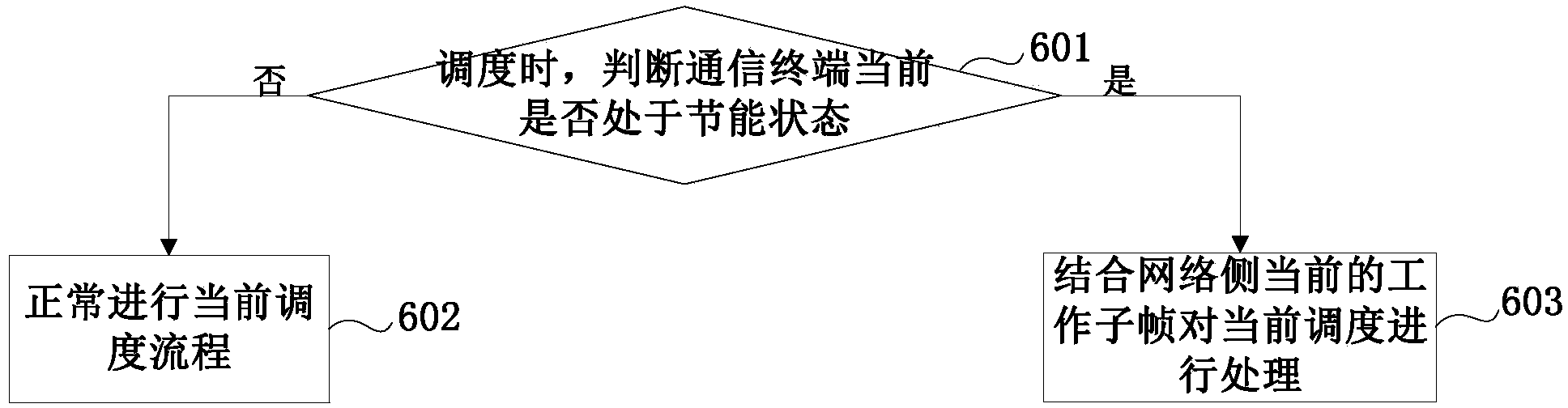
Figure 1 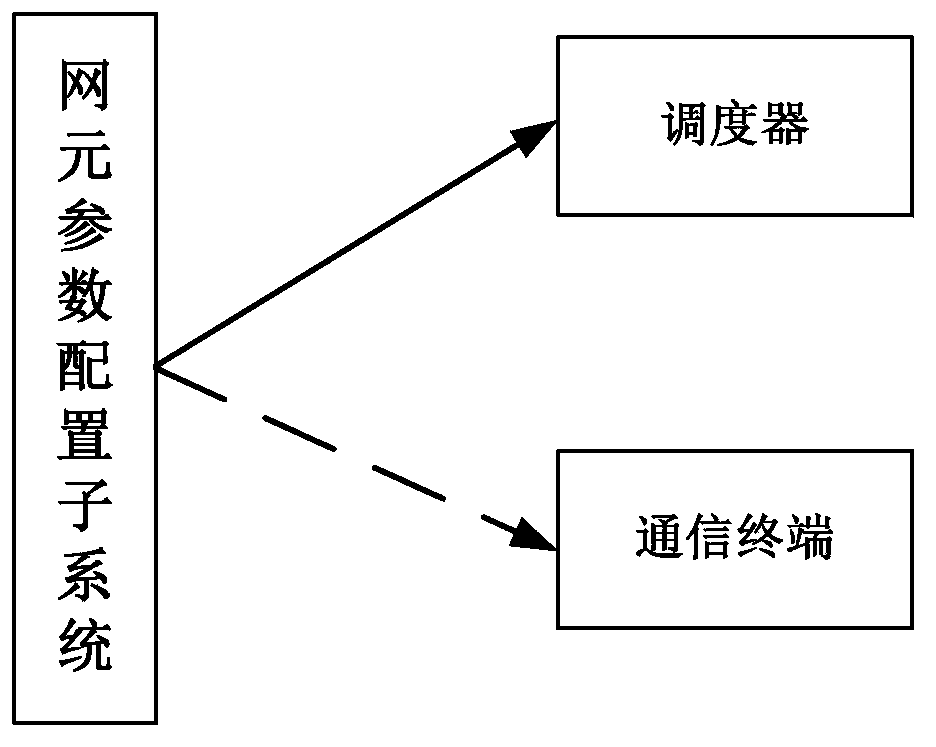
Figure 2 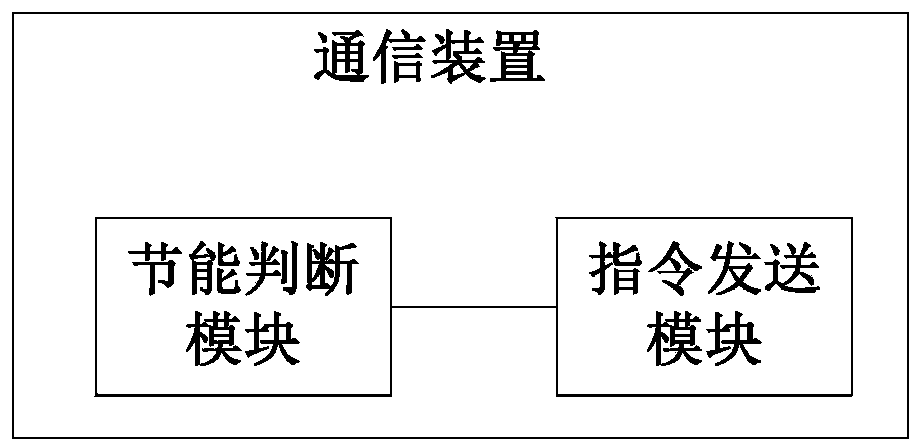
Figure 3
Abstract
Description
technical field
[0001] The present invention relates to the communication field, in particular to a communication terminal energy-saving control method, a communication method, a device and a system. Background technique
[0002] With the development of mobile communication networks, there are more and more high-speed data services (HSPA) in UMTS and LTE networks. When users use the Internet to browse the web, online chat, VOIP and other small-traffic services, communication terminals (such as mobile phones, IPADs, etc.) need to continuously monitor wireless signals to determine whether there is data transmission on the network side, which will cause inconvenience to communication terminals. Necessary processing and consumption. To solve this problem, the ITU (International Telecommunication Union) has introduced the DL DRX function of the CELL_DCH and CELL_FACH states of the CPC in the 3GPP protocol. This function enables the communication terminal to monitor network sign...
Examples
Embodiment 1
[0047] See figure 1 As shown, this figure shows an exemplary description of a network system provided by this embodiment. When a communication terminal joins the network system, the network element parameter configuration subsystem will configure the scheduler on the network side through signaling and pass through the air interface. The signaling configures the communication terminal, and the available parameters of the scheduler and the user terminal are consistent. The parameters may include one or more sets of energy-saving parameters. The foregoing communication mechanism and configuration process are common mechanisms in the field, so they will not be described in detail in this embodiment. However, it should be understood that the way of configuring the parameters of the scheduler and the communication terminal is not limited to the above-mentioned way, and all configuration ways that can realize the above-mentioned functions are applicable to the present invention.
[...
Embodiment 2
[0067] See Figure 5 As shown, the method for implementing energy-saving control on communication terminals in this embodiment includes:
[0068] Step 501: Determine whether there is communication data sent to the communication terminal on the network side; if not, go to step 502, otherwise, go to step 504;
[0069] Step 502: Generate a communication terminal energy-saving control instruction;
[0070] Step 503: Send the communication terminal energy-saving control instruction to the communication terminal, so that the communication terminal enters the energy-saving state, and go to step 505;
[0071] Step 504: Send the communication data to the communication terminal.
[0072] Step 505: Receive a configuration response message in which the communication terminal performs energy-saving configuration according to the energy-saving control instruction of the communication terminal;
[0073] Step 506: According to the configuration response message, judge whether the energy-sa...