
Preparation and application of echovirus type 1 VP1 protein specific antigen epitope and fusion protein thereof
A fusion protein and antigenic epitope technology, applied in the fields of genetic engineering technology, vaccines and diagnostic reagents, can solve the problems of complex processing, limited wide application and high cost
Patent Information
- Authority / Receiving Office
- CN · China
- Patent Type
- Applications(China)
- Current Assignee / Owner
- Publication Date
- 2016-09-21
- Estimated Expiration
- Not applicable · inactive patent
Smart Images
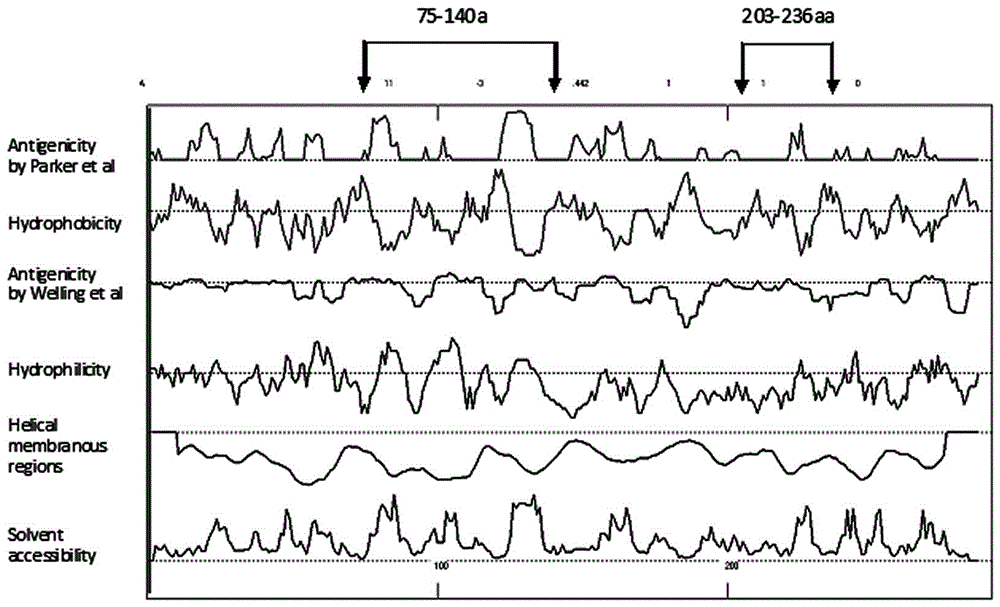
Figure 1 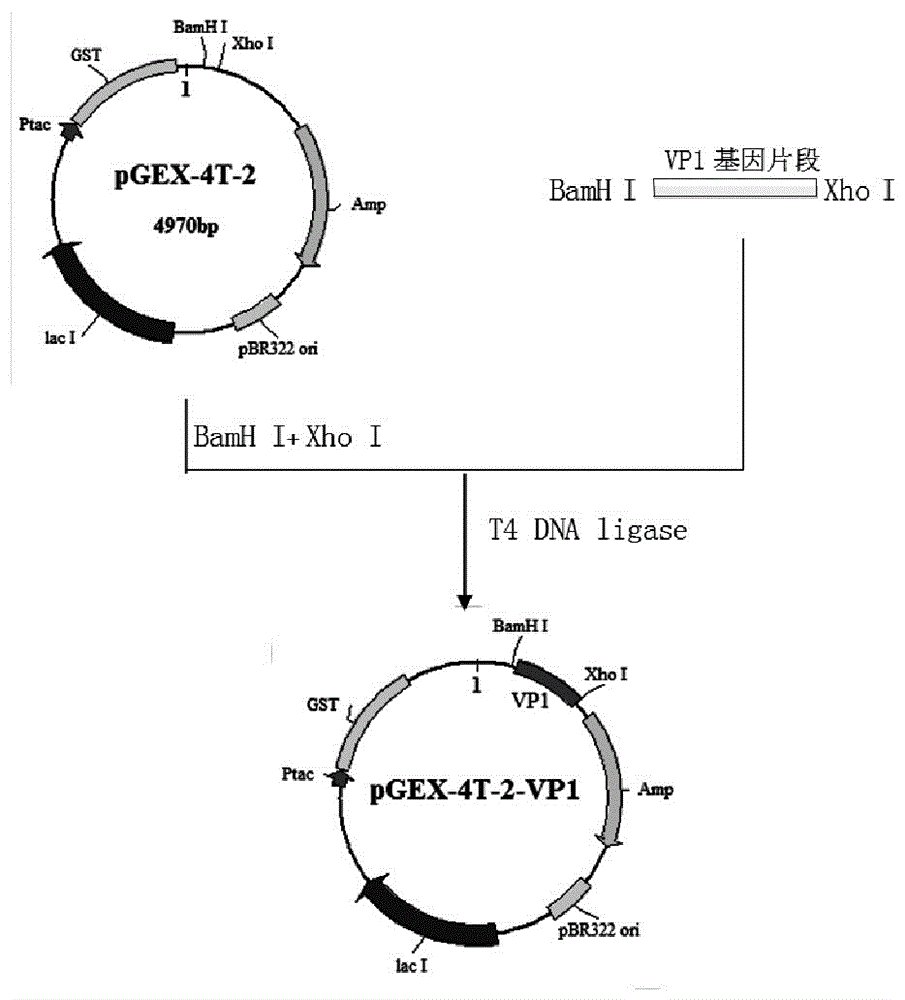
Figure 2 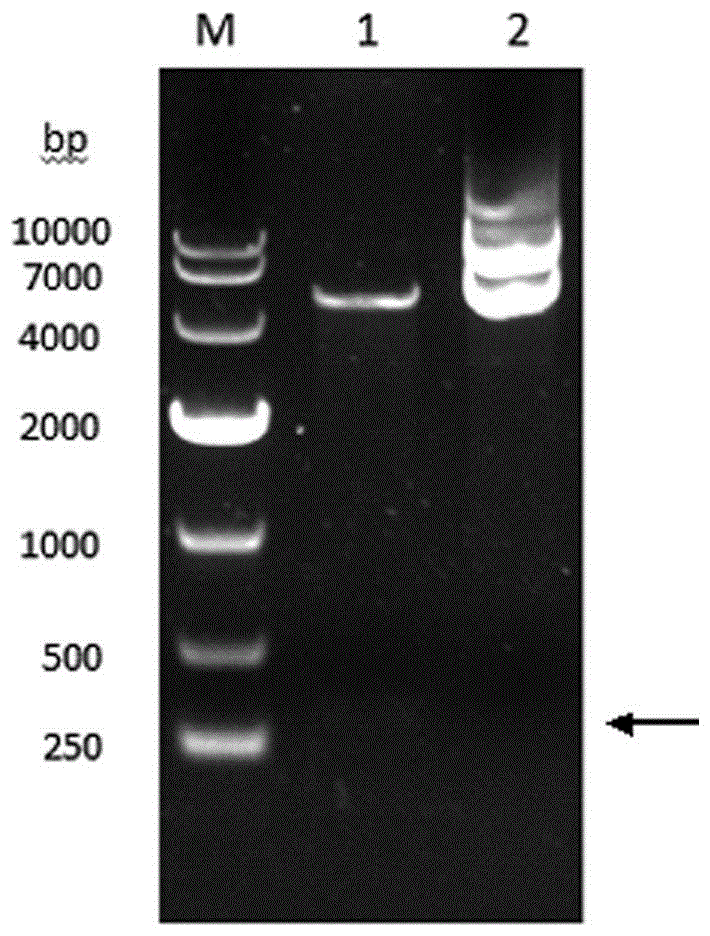
Figure 3
Abstract
Description
technical field
[0001] The preparation and application of echovirus type 1 VP1 protein-specific antigenic epitopes and their fusion proteins in the present invention involve screening the surface VP1 protein fragments of echovirus type 1 proteins containing strong antigenic epitopes, and using genetic engineering technology to prepare Fusion protein of echovirus type 1 VP1 protein epitope. Select the codons favored by both eukaryotic and prokaryotic organisms, chemically synthesize the gene sequence of a new VP1 protein antigen epitope fusion protein, and express the fusion protein by genetic engineering technology. The expressed fusion protein can be used for Echo virus vaccines and antibody detection reagents Development, etc., the present invention relates to the fields of genetic engineering technology, vaccines and diagnostic reagents. Background technique
[0002] Enteric Cytopathogenic Human Orphan Virus (ECHO), referred to as Echovirus, is a type of single-stranded ...
Examples
Embodiment Construction
[0066]Detailed description of the embodiment of the present invention:
[0067] Analysis, Gene Synthesis and Expression of Echovirus Type 1 Surface Protein VP1 Epitope
[0068] Through the computer analysis of the amino acid sequence of the surface protein VP1 of echovirus type 1, the VP1 protein fragments of echovirus type 1 containing strong epitopes were screened out, and two protein fragments containing strong epitopes were found, respectively. From the 75th amino acid to the 140th amino acid, from the 203rd amino acid to the 236th amino acid, the two protein fragments are connected by two glycines and one serine to form an antigenic epitope fusion protein with a total length of 103 amino acids. Codons preferred by both eukaryotes and prokaryotes are selected, and a new gene sequence of the above-mentioned epitope fusion protein is chemically synthesized. Added at the 5' end of the synthetic gene fragment Bam Restriction site for HI, with stop codons TAA and xho I rest...