
A method and system for detecting eye muscle fatigue
A muscle fatigue and eye technology, applied in the field of detection of eye muscle fatigue, to achieve the effect of enhancing muscle ability, avoiding vision loss, and delaying fatigue time
Patent Information
- Authority / Receiving Office
- CN · China
- Patent Type
- Patents(China)
- Current Assignee / Owner
- Publication Date
- 2019-02-19
- Estimated Expiration
- Not applicable · inactive patent
Smart Images
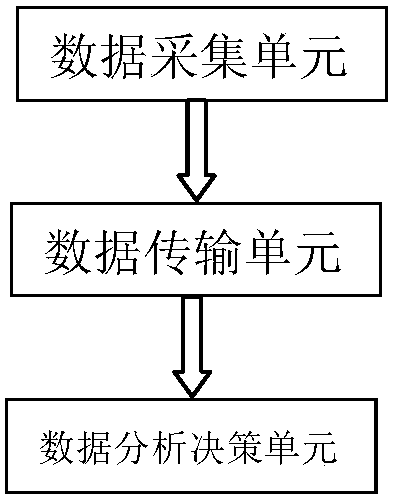
Figure 1 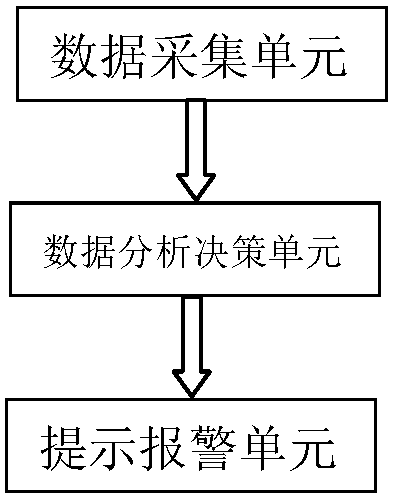
Figure 2
Abstract
Description
technical field
[0001] The invention relates to the field of methods for detecting eye muscle fatigue, in particular to a detection system for detecting eye muscle fatigue. The detection method and related system of the present invention can detect the fatigue degree of the user's eye muscles in real time, and timely provide suggestions for eye use and other medical detection according to the user's glasses fatigue degree. Background technique
[0002] 1. According to the Ministry of Education’s survey on the physical health of students across the country, the visual acuity of Chinese students is not optimistic. The poor vision rates of primary school students aged 7-12, junior high school students aged 13-15 and high school students aged 16-18 are as high as 40.89%, 67.33% and 79.20%. According to a report from the Youth Myopia Prevention and Control Center of a municipality directly under the Central Government, the current incidence of myopia is high among 9 to 13 years ...
Examples
Embodiment Construction
[0026] In order to make the object, technical solution and advantages of the present invention clearer, the present invention will be further described in detail below in conjunction with the accompanying drawings and embodiments. It should be understood that the specific embodiments described here are only used to explain the present invention, not to limit the present invention.
[0027] In this embodiment, the signals generated by the ciliary muscles are collected through the myoelectric sensors arranged on the nose pads and temples of the glasses. When the ciliary muscle is working, it will generate myoelectric signals. Myoelectric sensors are installed on the nose pads and temples of the spectacle frame respectively. Through the myoelectric sensors, the myoelectric signals of the ciliary muscles containing noise can be collected. The myoelectric signals Including but not limited to: ciliary muscle contraction and ciliary muscle relaxation signals. With the support of the...