
A kind of lidocaine microemulsion gel and preparation method thereof
A lidocaine and microemulsion gel technology, which is applied in the directions of pharmaceutical formulations, emulsion delivery, medical preparations of inactive ingredients, etc., can solve the problem of low drug loading, microemulsion surfactant and cosurfactant dosage large, safety and effectiveness need to be improved to achieve the effect of increasing the amount of solubilization
Patent Information
- Authority / Receiving Office
- CN · China
- Patent Type
- Patents(China)
- Current Assignee / Owner
- Publication Date
- 2020-06-26
- Estimated Expiration
- Not applicable · inactive patent
Smart Images
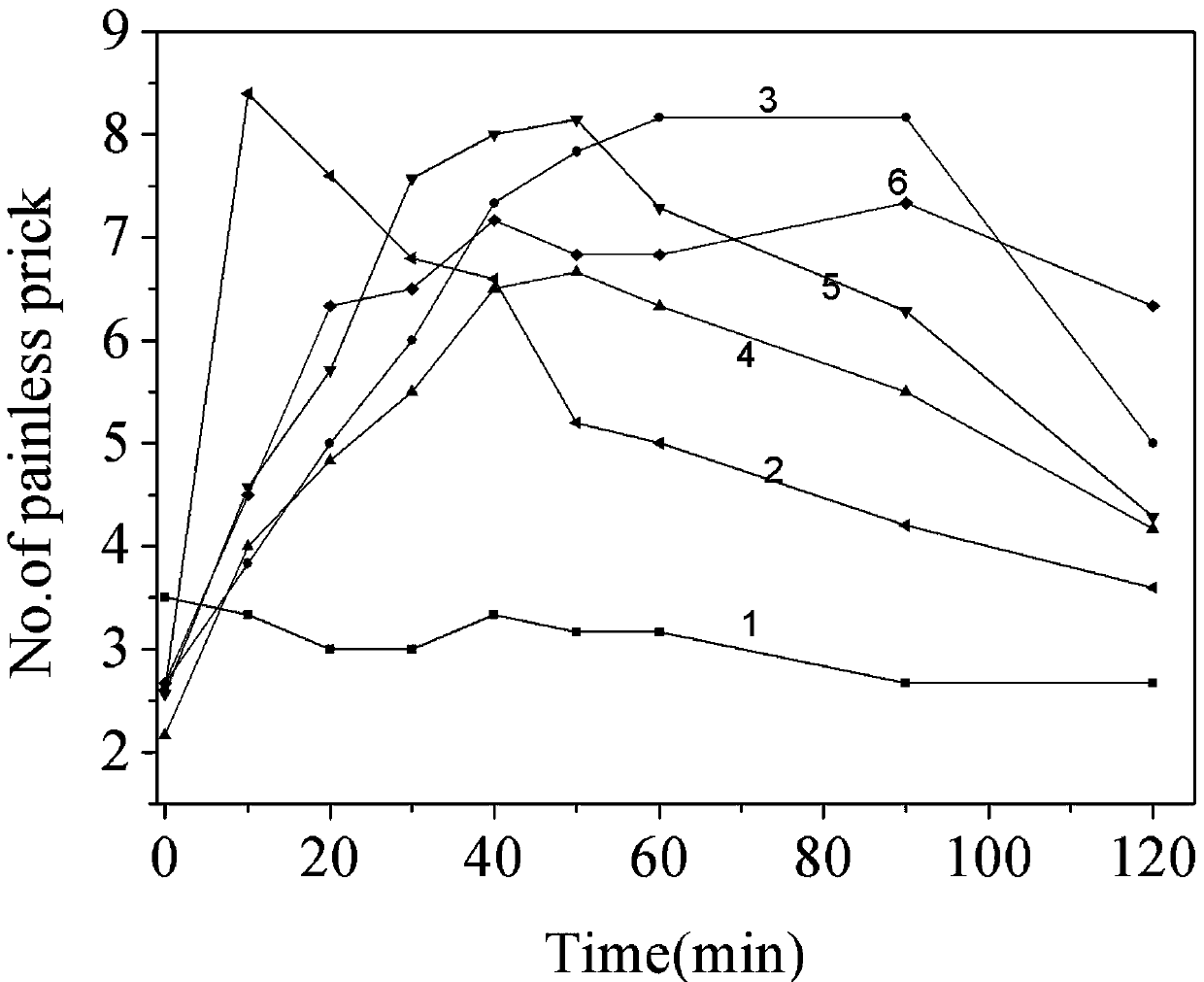
Figure 1 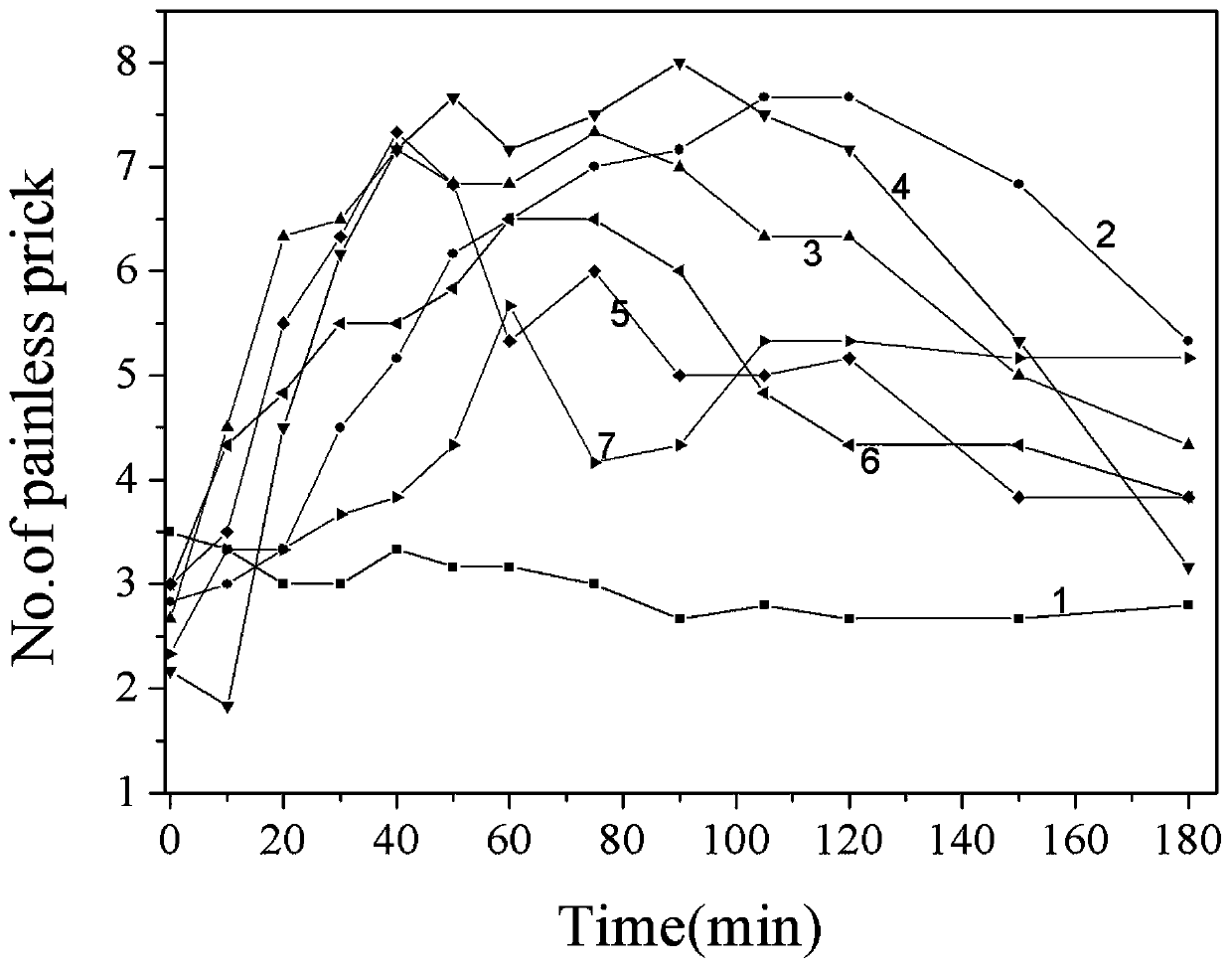
Figure 2 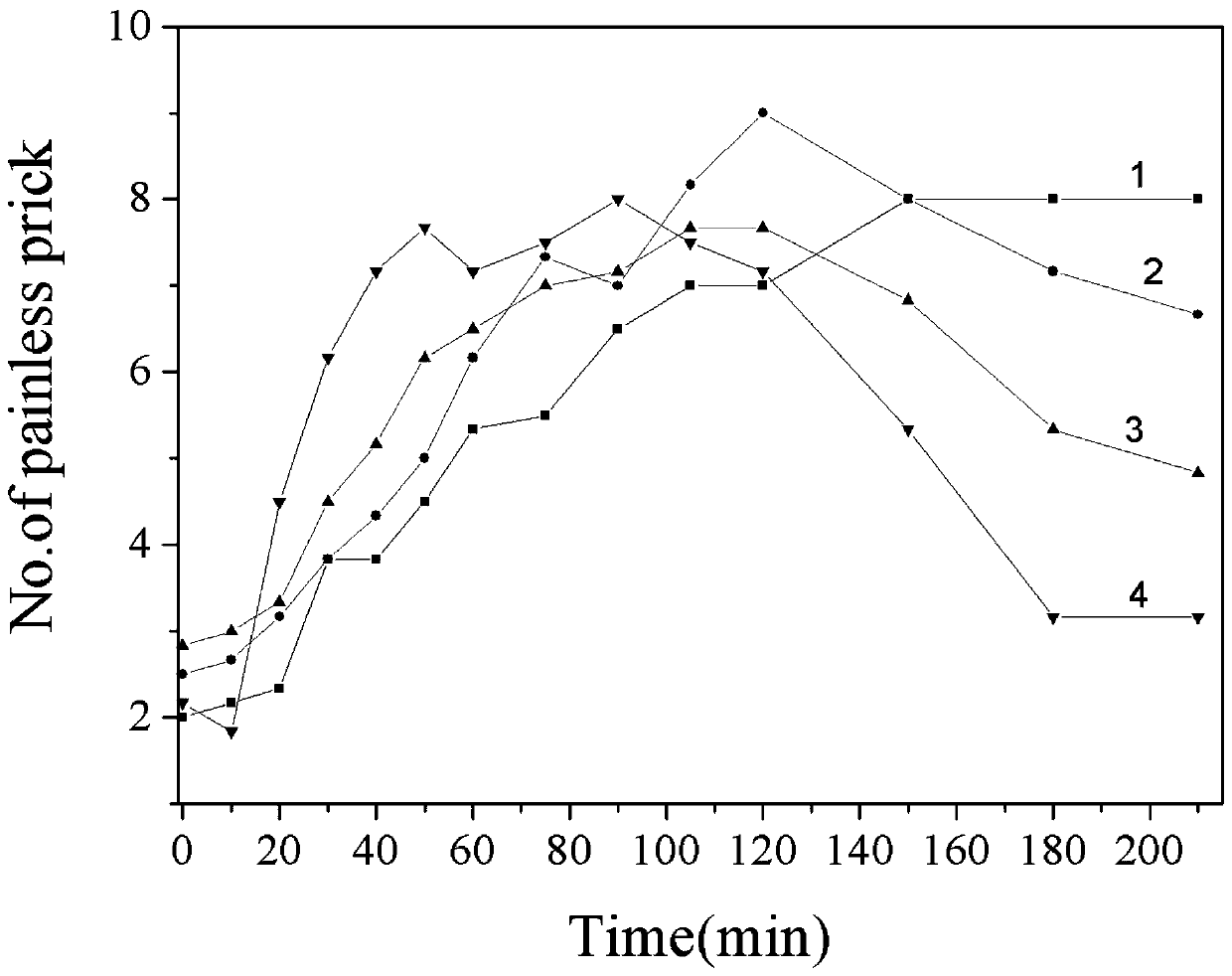
Figure 3
Abstract
Description
technical field
[0001] The invention relates to a local anesthetic, in particular to a lidocaine microemulsion gel for non-invasive transdermal administration and a preparation method thereof. Background technique
[0002] Skin surgery, as well as various cosmetic minimally invasive operations such as skin rejuvenation, anti-wrinkle, hair removal, eyebrow washing, tattoos and microplastic surgery, etc., will cause superficial traumatic and infiltrating pain on the human skin to varying degrees. Clinically, the method of injecting anesthetics is generally used for anesthesia and analgesia at the treatment site. However, there are many problems with injections, such as causing pain, difficult injections in some parts, beauty institutions cannot legally apply injection anesthesia, and more importantly, injections will cause systemic side effects. Therefore, it will be particularly necessary to develop a preparation that is non-injection, non-invasive, directly used on the skin...
Examples
Embodiment 1
[0020] Example 1 Dissolve 2g of lidocaine in a mixture of 3.75g of olive oil and vitamin E succinate (mass ratio 6:1) at 70°C, and add 8.75g of surfactant (polyoxyethylene hydrogenated Castor oil and Span 80 are mixed at a mass ratio of 5:1), and then the required amount of distilled water is added drop by drop under stirring to form a microemulsion. After adding 0.1g of preservative (sodium methylparaben and sodium propylparaben mixed at a mass ratio of 1:1), let it stand to cool to room temperature, then sprinkle 0.4g of Carbomer 980, fully After swelling, stir, degas, and sterilize to prepare 100 g of lidocaine microemulsion gel with a concentration of 2%.
Embodiment 2
[0021] Example 2 4g of lidocaine was dissolved in 3.75g of olive oil and vitamin E succinate (mass ratio 6:1) mixed oil at 70°C, and 8.75g of surfactant (polyoxyethylene hydrogenated Castor oil and Span 80 are mixed at a mass ratio of 5:1), and then the required amount of distilled water is added drop by drop under stirring to form a microemulsion. After adding 0.1g of preservative (sodium methylparaben and sodium propylparaben mixed at a mass ratio of 1:1), let it stand to cool to room temperature, then sprinkle 0.4g of Carbomer 980, fully After swelling, stir, degas, and sterilize to obtain 100 g of lidocaine microemulsion gel with a concentration of 4%.
Embodiment 3
[0022] Example 3 5g of lidocaine was dissolved in 3.75g of olive oil and vitamin E succinate (mass ratio 6:1) mixed oil at 70°C, and 8.75g of surfactant (polyoxyethylene hydrogenated Castor oil and Span 80 are mixed at a mass ratio of 5:1), and then the required amount of distilled water is added drop by drop under stirring to form a microemulsion. After adding 0.1g of preservative (sodium methylparaben and sodium propylparaben mixed at a mass ratio of 1:1), let it stand to cool to room temperature, then sprinkle 0.4g of Carbomer 980, fully After swelling, stir, degas, and sterilize to obtain 100 g of lidocaine microemulsion gel with a concentration of 5%.