
Method for identifying bamboo fibers
A technology of bamboo fiber and fiber, which is applied in the field of cellulose fiber identification, can solve the problem of identifying less bamboo fiber, and achieve the effect of sensitive and accurate identification method, which is conducive to accurate identification
Patent Information
- Authority / Receiving Office
- CN · China
- Patent Type
- Applications(China)
- Current Assignee / Owner
- Publication Date
- 2018-08-28
- Estimated Expiration
- Not applicable · inactive patent
Smart Images
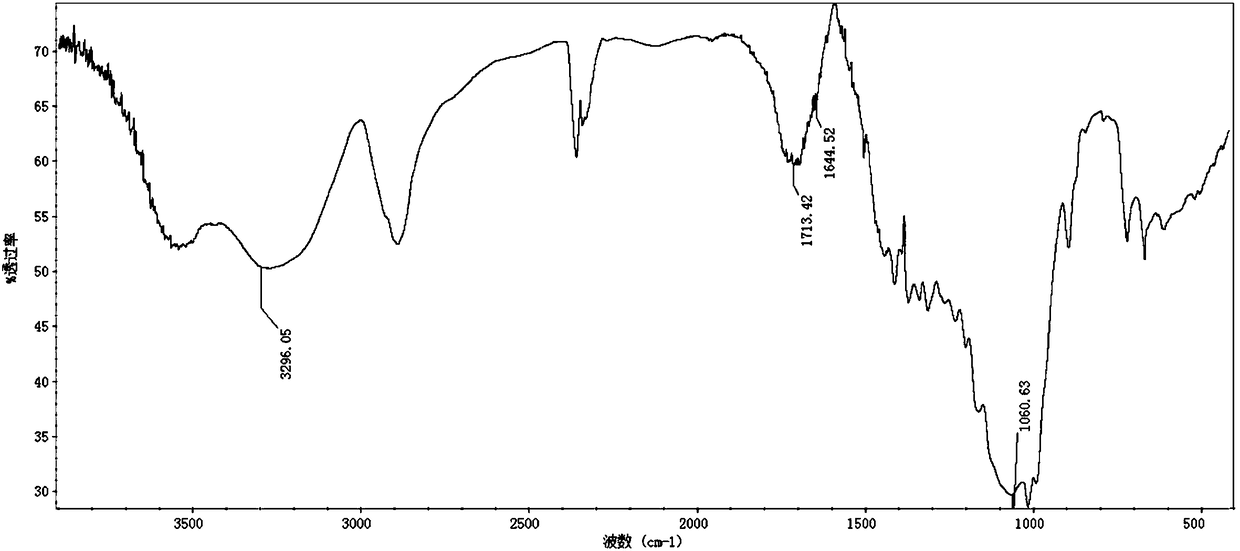
Figure 1 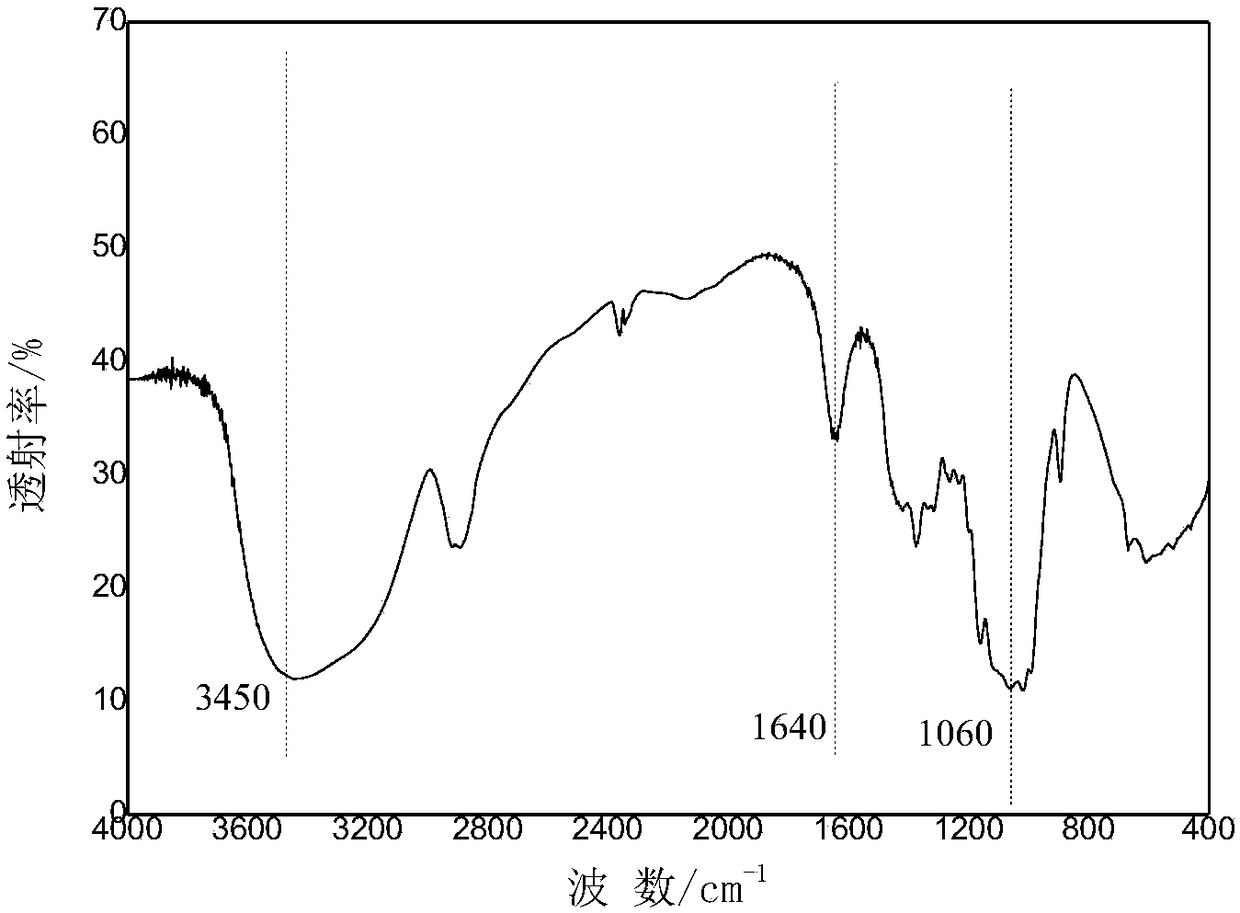
Figure 2 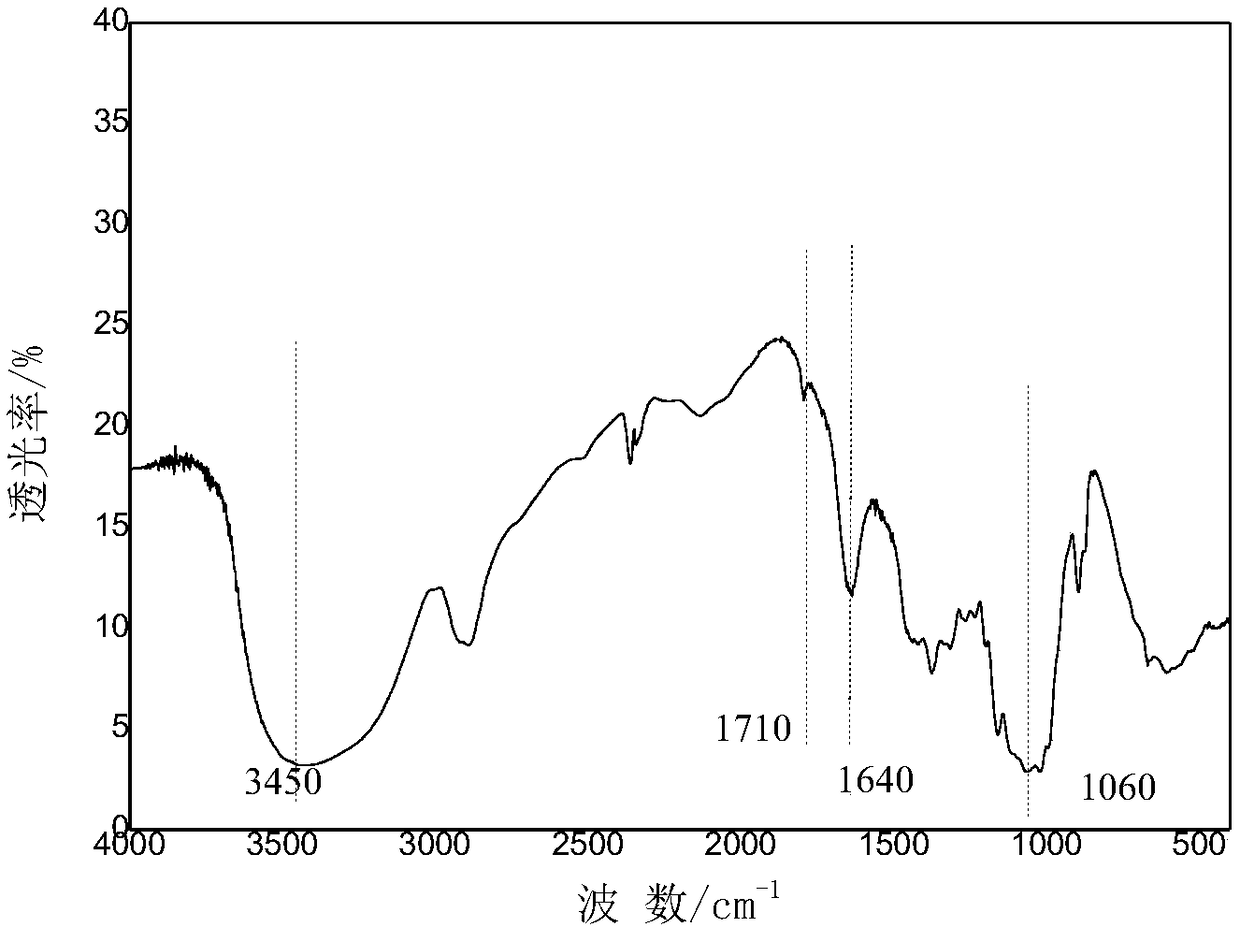
Figure 3
Abstract
Description
technical field
[0001] The invention belongs to the technical field of cellulose fiber identification, in particular to a method for identifying bamboo fibers. Background technique
[0002] Bamboo fiber is a new type of biomass fiber. Studies have shown that bamboo fiber and its products naturally have excellent properties that other cellulose fibers such as antibacterial and antibacterial do not have. According to different materials and processing techniques, bamboo fiber is divided into two types: bamboo fiber and bamboo pulp fiber. Bamboo fiber is a bast fiber obtained from bamboo stems, and is a kind of primary fiber directly extracted from bamboo poles. Bamboo pulp fiber is a regenerated cellulose fiber made by making bamboo into pulp and then spinning viscose fiber. Due to the large price difference between bamboo raw fiber, bamboo pulp fiber and ordinary viscose fiber, merchants are driven to label ordinary viscose fiber as bamboo fiber, shoddy. This has not only...
Examples
Embodiment 1
[0026] (1) Activate the cellulose fiber sample to be tested with a sodium hydroxide solution with a concentration of 20wt%. The treatment temperature is 25°C, the treatment time is 2h, and the bath ratio is 1:30. Wash until neutral, and then dry at 105°C for 12 hours to obtain an activated sample, which is sealed and stored for future use.
[0027] (2) Treat the activated sample obtained in step (1) with hydrogen peroxide, a strong oxidizing agent with a content of 5 g / L that does not dissolve cellulose fibers. The treatment temperature is 50 ° C, the treatment time is 1 h, and the bath ratio is 1:45 to obtain oxidized Processed samples.
[0028] (3) The oxidized sample obtained in step (2) is made into a sample piece, and the spectral-grade KBr is crushed in an agate mortar and ground to a fine powder, dried in a vacuum oven, and placed in a desiccator for use ;Wash the oxidized sample with water at 80°C to neutral, put it in a vacuum oven and dry it for 16h to dryness; weig...
Embodiment 2
[0031] (1) Activate the cellulose fiber sample to be tested with a sodium hydroxide solution with a concentration of 20wt%. The treatment temperature is 25°C, the treatment time is 2h, and the bath ratio is 1:30. Wash until neutral, and then dry at 105°C for 12 hours to obtain an activated sample, which is sealed and stored for future use.
[0032] (2) Treat the activated sample obtained in step (1) with hydrogen peroxide, a strong oxidizing agent with a content of 5 g / L that does not dissolve cellulose fibers. The treatment temperature is 50 ° C, the treatment time is 1 h, and the bath ratio is 1:45 to obtain oxidized Processed samples.
[0033](3) The oxidized sample obtained in step (2) is made into a sample piece, and the spectral-grade KBr is crushed in an agate mortar and ground to a fine powder, dried in a vacuum oven, and placed in a desiccator for use ;Wash the oxidized sample with water at 80°C to neutral, put it in a vacuum oven and dry it for 16h to dryness; weigh...