
An organic electroluminescent device
A technology of organic light-emitting devices and organic substances, which is applied in the direction of electric solid state devices, electrical components, semiconductor devices, etc., and can solve problems such as low resolution, narrow viewing angle, and low brightness
Patent Information
- Authority / Receiving Office
- CN · China
- Patent Type
- Patents(China)
- Current Assignee / Owner
- Publication Date
- 2020-06-16
Smart Images
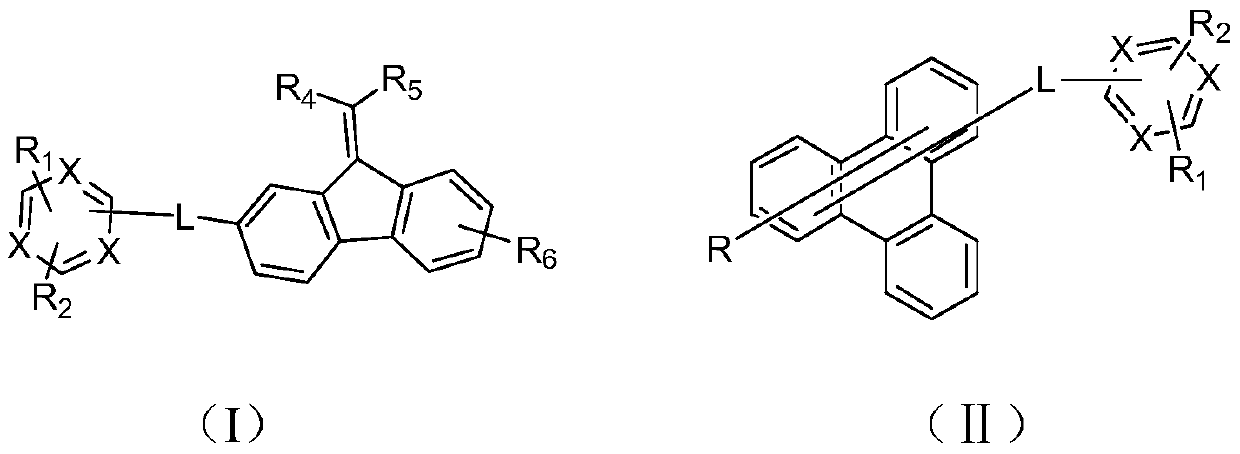
Figure 1 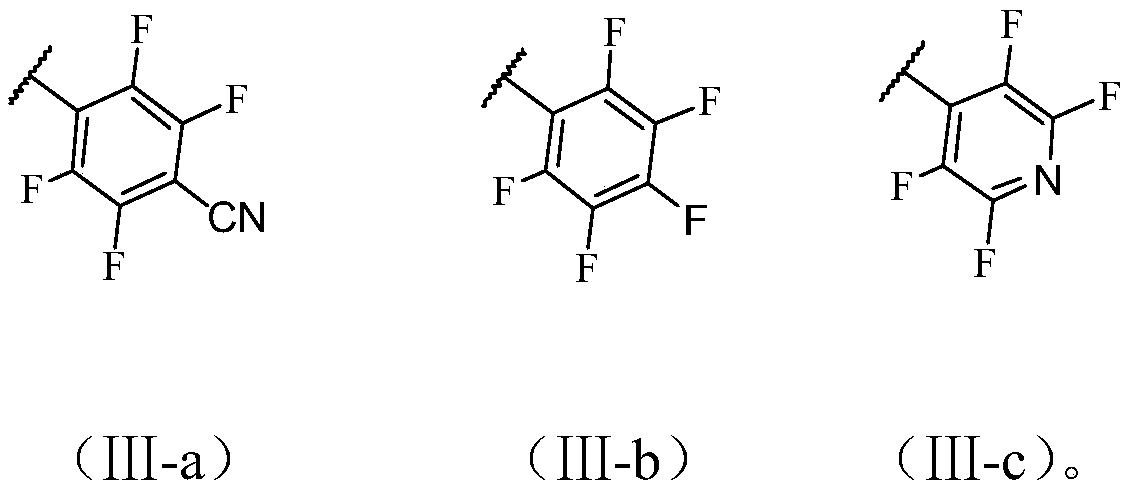
Figure 2 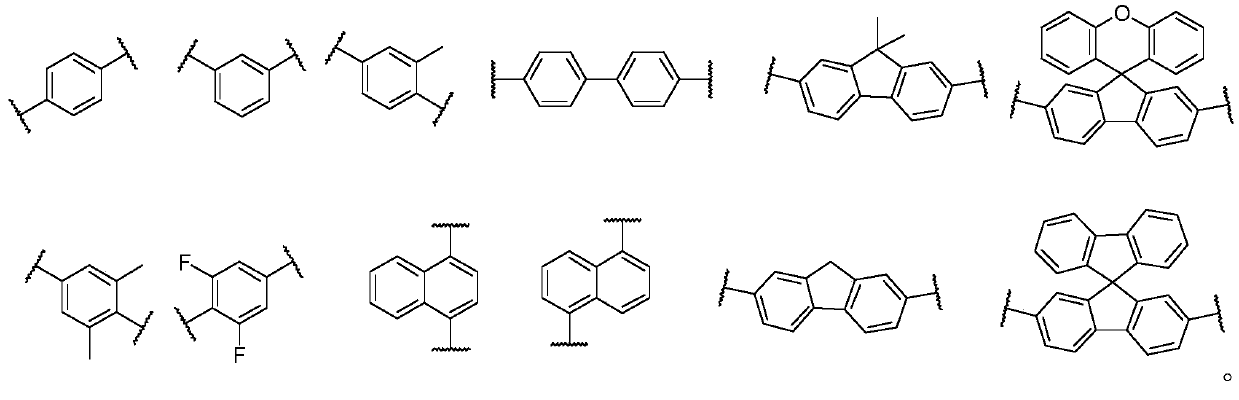
Figure 3
Abstract
Description
technical field
[0001] The invention relates to the field of organic photoelectric technology, in particular to an organic electroluminescent device. Background technique
[0002] With the progress of the information industry, traditional displays can no longer meet people's requirements, such as: cathode ray tube (CRT) displays have large volume and high driving voltage; liquid crystal displays (liquid crystal display, LCD) have low brightness and narrow viewing angles. , The operating temperature range is small; the plasma display panel (PDP) is expensive, the resolution is not high, and the power consumption is large.
[0003] Organic light-emitting diodes (organic light-emitting diodes, OLEDs) are new electroluminescent devices that use organic matter as light-emitting materials. As a brand-new display technology, they have unparalleled advantages in various performances of existing display technologies. With its simple preparation process, full solid state, self-illumi...
Examples
Embodiment 1
[0074] Preparation of Compound 1-1
[0075]
[0076] Preparation of compound 1-1-3
[0077] Compounds 1-1-1 (5.16 g, 20 mmol), 1-1-2 (4.28 g, 20 mmol) and sodium ethoxide were completely dissolved in 100 ml of ethanol in a round bottom flask, and the resulting solution was heated and stirred. After the reaction was completed, the residue obtained by concentrating the obtained product under reduced pressure was diluted with tetrahydrofuran, and washed with water and brine. The organic solvent layer was collected, water was removed over anhydrous magnesium sulfate, and the residue was filtered, then concentrated under reduced pressure. The concentrated solution was purified by silica gel column chromatography to prepare Compound 1-1-36.81 g in a yield of 75%.
[0078] Preparation of Compound 1-1
[0079] Under the protection of nitrogen, add 1-1-3 (45.38g, 100mmol), 1-1-4 (35.92g, 100.08mmol), potassium carbonate (1.24g, 9.00mmol), toluene 200mL and stir in 2L reactor . ...
Embodiment 2
[0081] Preparation of compound 1-44
[0082]
[0083] Preparation of compound 1-44
[0084] 1-1-4 in Example 1 is replaced by 1-44-4 as shown above to obtain compound 1-44. Mass Spectrum m / z: 696.16 (calculated: 696.18). Theoretical element content (%)C 44 h 24 f 4 N 4 O: C, 75.86; H, 2.89; F, 10.91; N, 8.04; O, 2.30 The measured element content (%): C, 75.85; H, 2.88; F, 10.92; It was confirmed above that the obtained product was the target product 1-44.
Embodiment 3
[0086] Preparation of compound 1-87
[0087]
[0088] Preparation of compound 1-87
[0089] 1-1-2 in Example 1 was replaced by 1-87-2 as shown above, and 1-1-4 was replaced by 1-87-4 as shown above to obtain compound 1-87. Mass Spectrum m / z: 751.20 (calculated: 751.22). Theoretical element content (%)C 49 h 26 f 5 N 3 : C, 78.29; H, 3.49; F, 12.64; N, 5.59 The measured element content (%): C, 78.28; H, 3.48; F, 12.63; N, 5.58. It was confirmed above that the obtained product was the target product 1-87.