
Monitoring method and system used for in-situ real-time characterization of solar cell internal interface
A solar cell and characterization technology, applied in the monitoring of photovoltaic systems, photovoltaic power generation, electrical components, etc., can solve the problems of non-occurrence and few photovoltaic devices, achieve strong Raman activity, strong light transmission, and ensure repeatability Effect
Patent Information
- Authority / Receiving Office
- CN · China
- Current Assignee / Owner
- Publication Date
- 2019-09-24
Smart Images
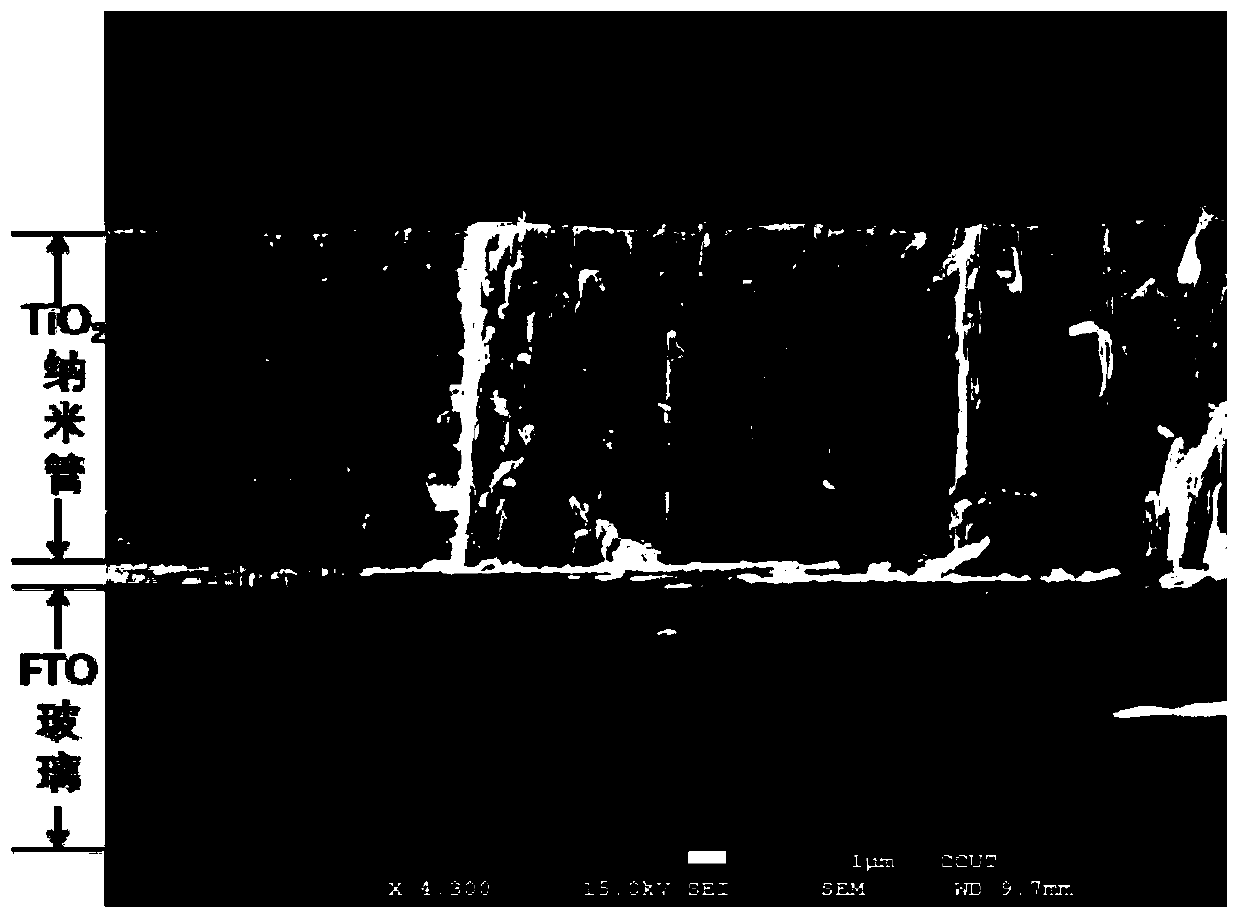
Figure 1 
Figure 2 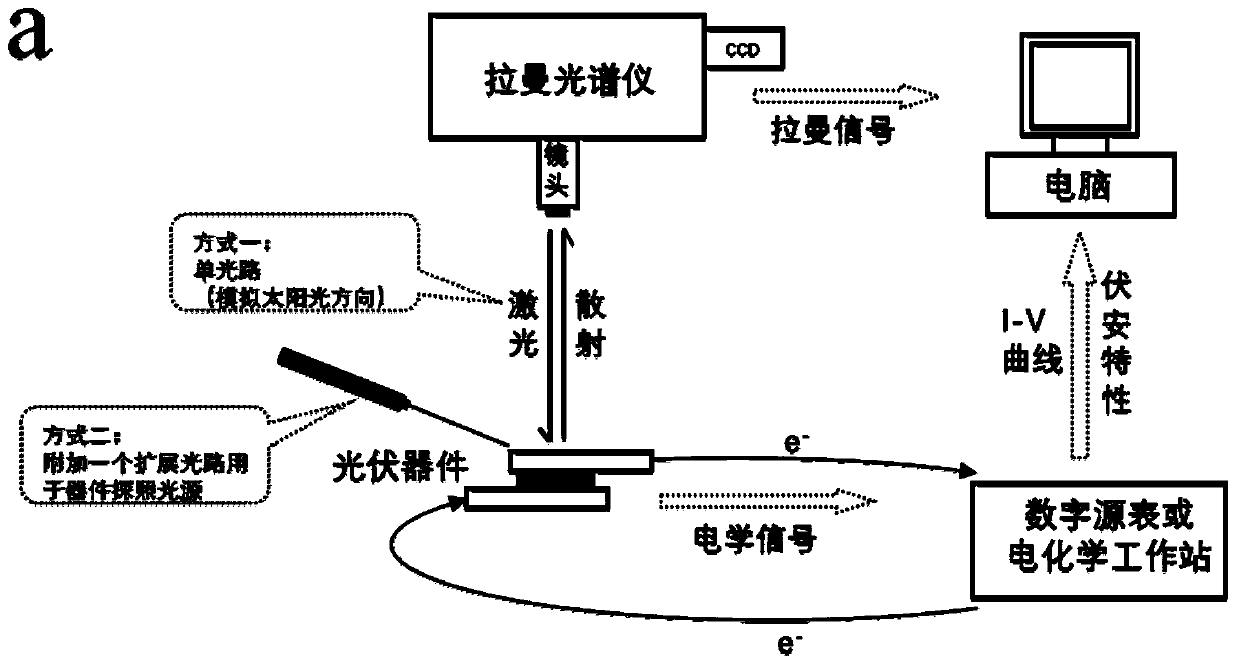
Figure 3
Abstract
Description
technical field
[0001] The invention relates to a monitoring method for in-situ real-time characterization of the internal interface of a solar cell, in particular to a method for in-situ real-time monitoring of changes in the internal structure and components of a dye-sensitized solar cell by using surface-enhanced Raman spectroscopy, especially for working conditions In situ probing method and corresponding system of internal interfaces of dye-sensitized solar cells. Background technique
[0002] The supply of clean and sustainable energy is considered to be one of the most important scientific and technological challenges facing mankind in the 21st century. Photovoltaic devices directly convert solar energy into electricity, providing a practical and sustainable solution to meet the growing global energy demand. However, since the first photovoltaic devices appeared in the 1950s, capturing solar energy at low cost while ensuring continuous stable and efficient operation ...
Examples
Embodiment 1
[0084] 1. Preparation of titania nanotube films
[0085] Cut the titanium sheet into 4cm×5cm, place it in methanol, isopropanol, and acetone solution, ultrasonically clean it for 15 minutes, put it into the electrolyte solution containing fluoride ions for the first anodic oxidation, connect the titanium sheet to the anode, and connect the platinum sheet to the anode. The cathode is connected, the voltage is 60V, and the time is 3h.
[0086] Put the titanium dioxide nanotube film after primary oxidation in deionized water, dry it with nitrogen gas until the film falls off, and place the above-mentioned titanium substrate in a solution containing fluorine ions for the second oxidation, the oxidation voltage is 60V, and the time is 2h.
[0087] 2. Exfoliation of titania nanotubes from titanium substrates
[0088] The secondary oxidized titanium dioxide nanotubes were calcined in a muffle furnace at a calcination temperature of 450° C. and a calcination time of 2 h. After calci...