
Alkene co-cracking catalyst and alkene mixed catalytic cracking method
A catalyst and co-cracking technology, applied in the field of alkene co-cracking catalyst and its alkene mixed catalytic cracking, can solve the problems of catalyst loss, high coking amount, low total conversion rate and low propylene selectivity yield, etc., so as to improve the adsorption capacity , Low coking amount, and the effect of improving the total conversion rate
Patent Information
- Authority / Receiving Office
- CN · China
- Current Assignee / Owner
- Publication Date
- 2021-02-05
Smart Images
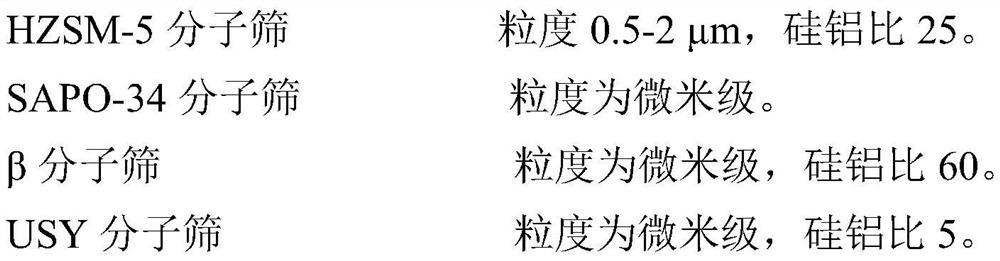
Figure 1 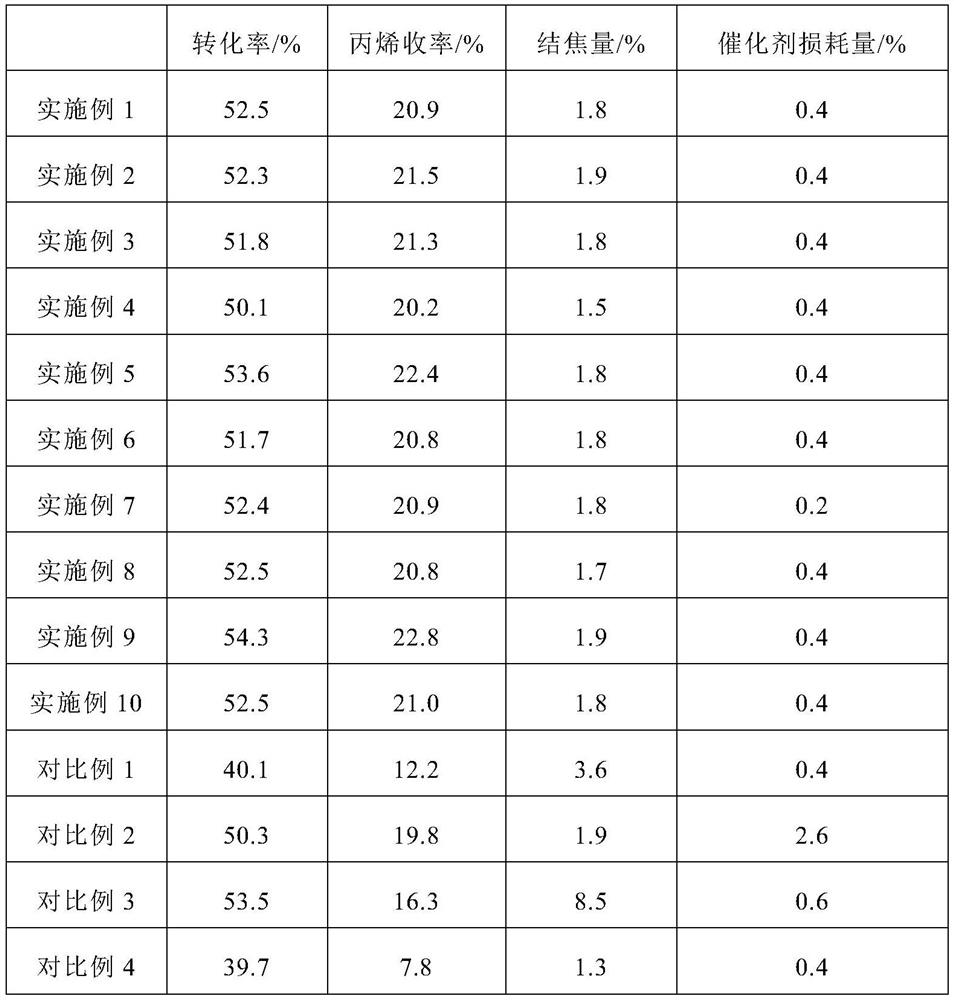
Figure 2 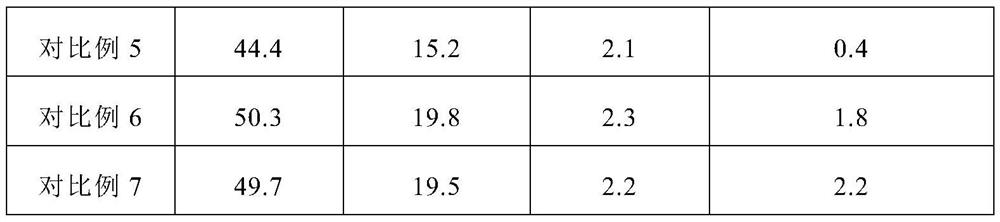
Figure 3
Abstract
Description
technical field
[0001] The invention relates to petrochemical technology, in particular to an alkene co-cracking catalyst and an alkene mixed catalytic cracking method. Background technique
[0002] Propylene is an important petrochemical basic raw material, mainly used in the production of polypropylene, acrylonitrile, isopropanol, acetone and propylene oxide, etc. Other uses include alkylation oil, catalytic lamination and dimerization, high octane Alkane gasoline blending materials, etc. In recent years, driven by the rapid growth in demand for downstream derivatives, global propylene consumption has increased significantly. At this stage, propylene is mainly derived from the by-products of ethylene, gasoline and diesel production processes. However, due to the increasingly saturated gasoline and diesel markets, the production of propylene is also severely restricted, and a stable supply cannot be guaranteed.
[0003] The development of new low-carbon olefins preparatio...
Examples
Embodiment 1
[0061] (1) Handling of active ingredients
[0062] Mix the HZSM-5 molecular sieve and the USY molecular sieve according to the mass ratio of 3:1 to obtain the composite molecular sieve, and then add the composite molecular sieve to the NaOH solution with a concentration of 0.4mol / L and a temperature of 90°C, according to the mass ratio of the composite molecular sieve to NaOH: Mix 1:6, wash the composite molecular sieve to neutrality, then dry at 120°C for 12h and calcinate at 540°C for 2h. Then add the composite molecular sieve into the 1mol / L ammonium nitrate solution, mix according to the mass ratio of the composite molecular sieve and the ammonium nitrate solution at 1:10, exchange the ammonium at 90°C for 4 hours, then wash until neutral, and then in sequence Drying at 120°C for 12h and calcining at 540°C for 4h yields an alkali-treated composite molecular sieve.
[0063] Mix the alkali-treated composite molecular sieve with the composite metal oxide at a mass ratio of 4...
Embodiment 2
[0071] The catalyst was prepared according to the same process as in Example 1, except that the composition of the composite molecular sieve was mixed according to the mass ratio of HZSM-5:USY:β:SAPO-34=25:7:5:3.
[0072] All the other operations are the same as in Example 1.
[0073] The catalytic effect evaluation experiment of the catalyst is the same as in Example 1, and the results are shown in Table 2.
Embodiment 3
[0075] The catalyst was prepared according to the same process as in Example 1, except that the composition of the composite molecular sieve was mixed according to the mass ratio of HZSM-5:USY:SAPO-34=27:9:4.
[0076] All the other operations are the same as in Example 1.
[0077] The catalytic effect evaluation experiment of the catalyst is the same as in Example 1, and the results are shown in Table 2.