
Reducing layer-2 protocol overhead by improving layer processing efficiency
a layer-2 protocol and layer processing technology, applied in the field of transmission and reception processing, can solve the problems of requiring even lower delays, data delivery cannot be guaranteed, transmission window cannot be advanced, etc., and achieve the effect of reducing layer-2 protocol overhead, increasing header overhead, and increasing header overhead
Patent Information
- Authority / Receiving Office
- US · United States
- Patent Type
- Patents(United States)
- Current Assignee / Owner
- Publication Date
- 2021-08-17
Smart Images
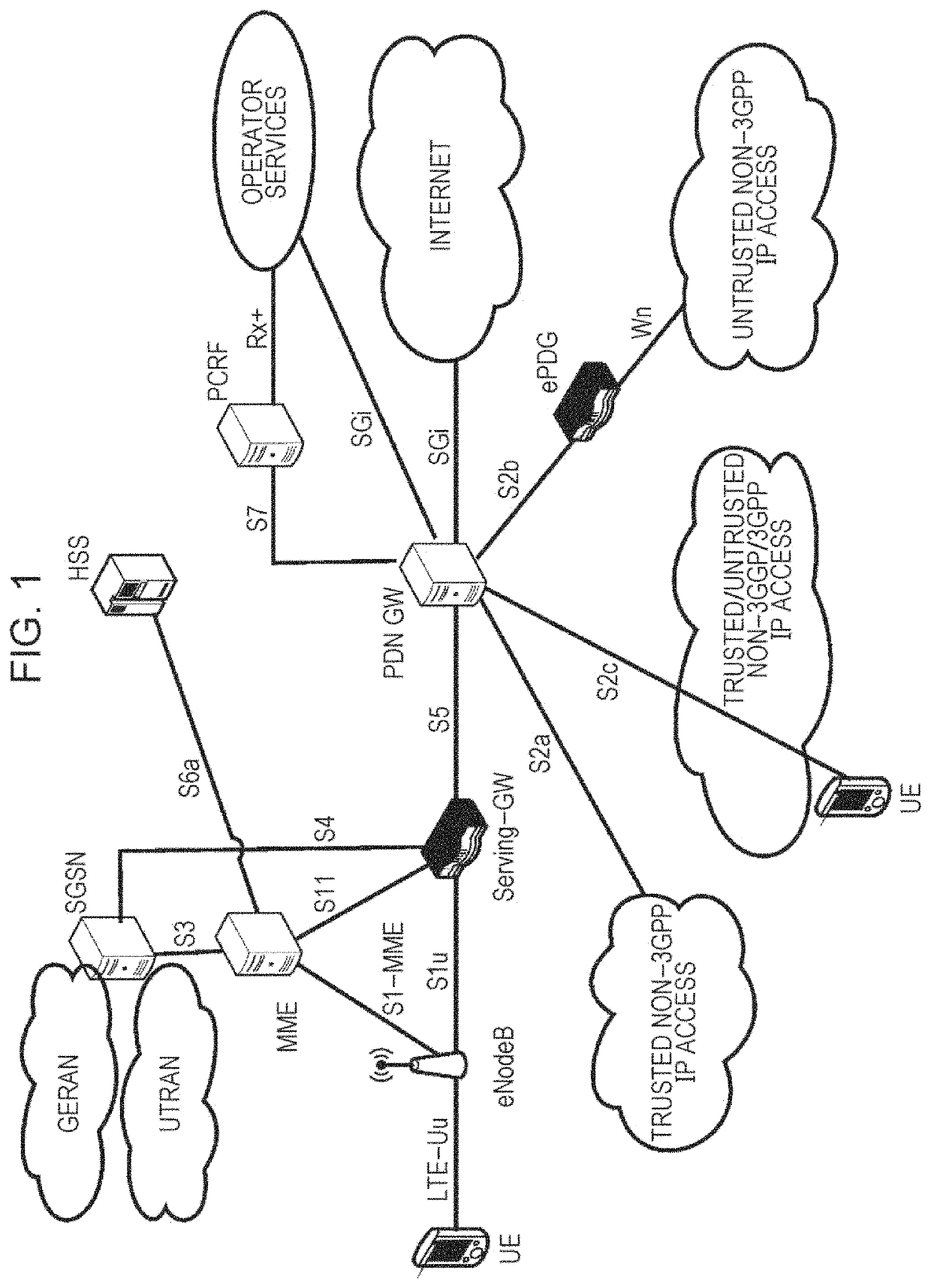
Figure 1 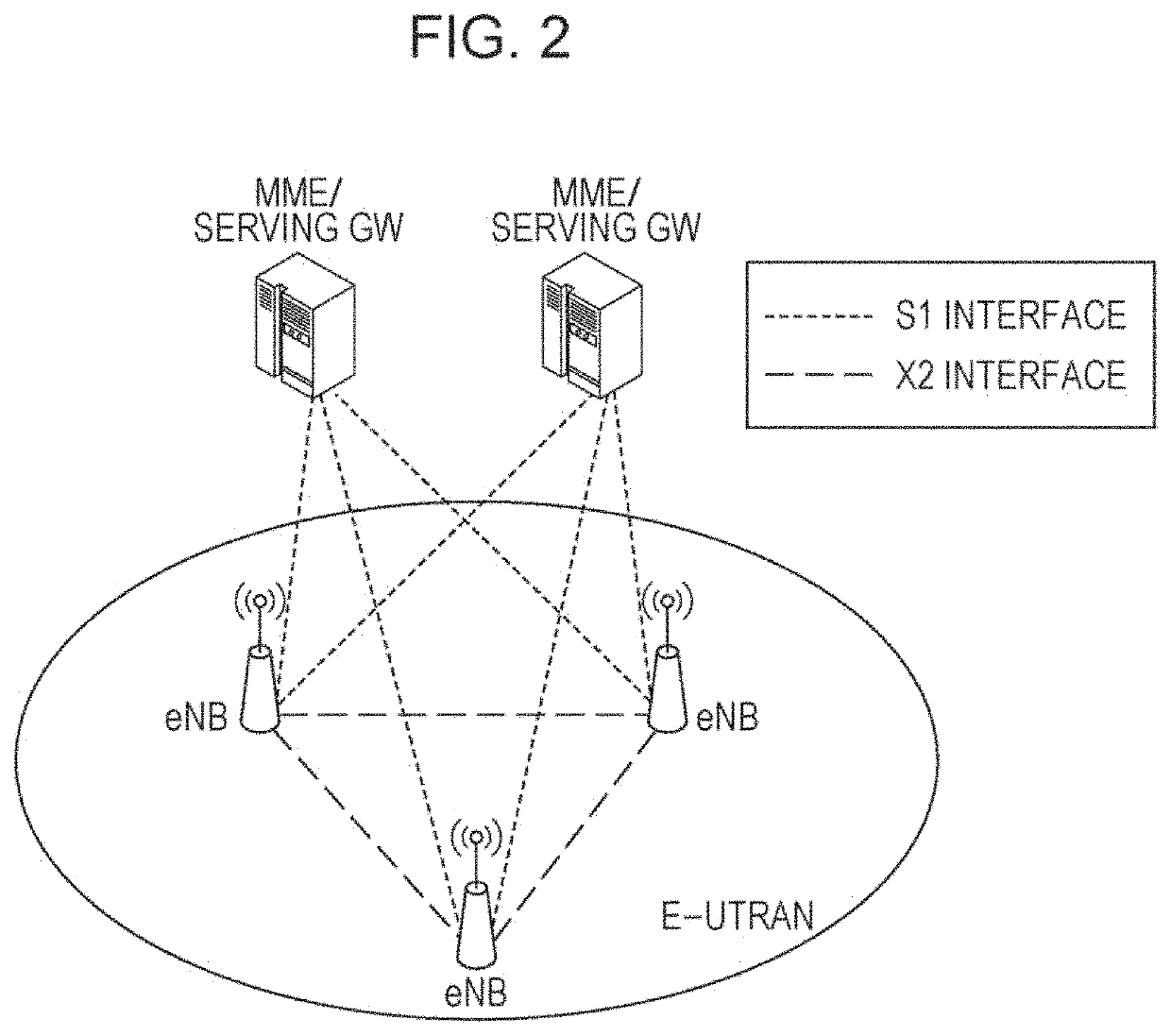
Figure 2 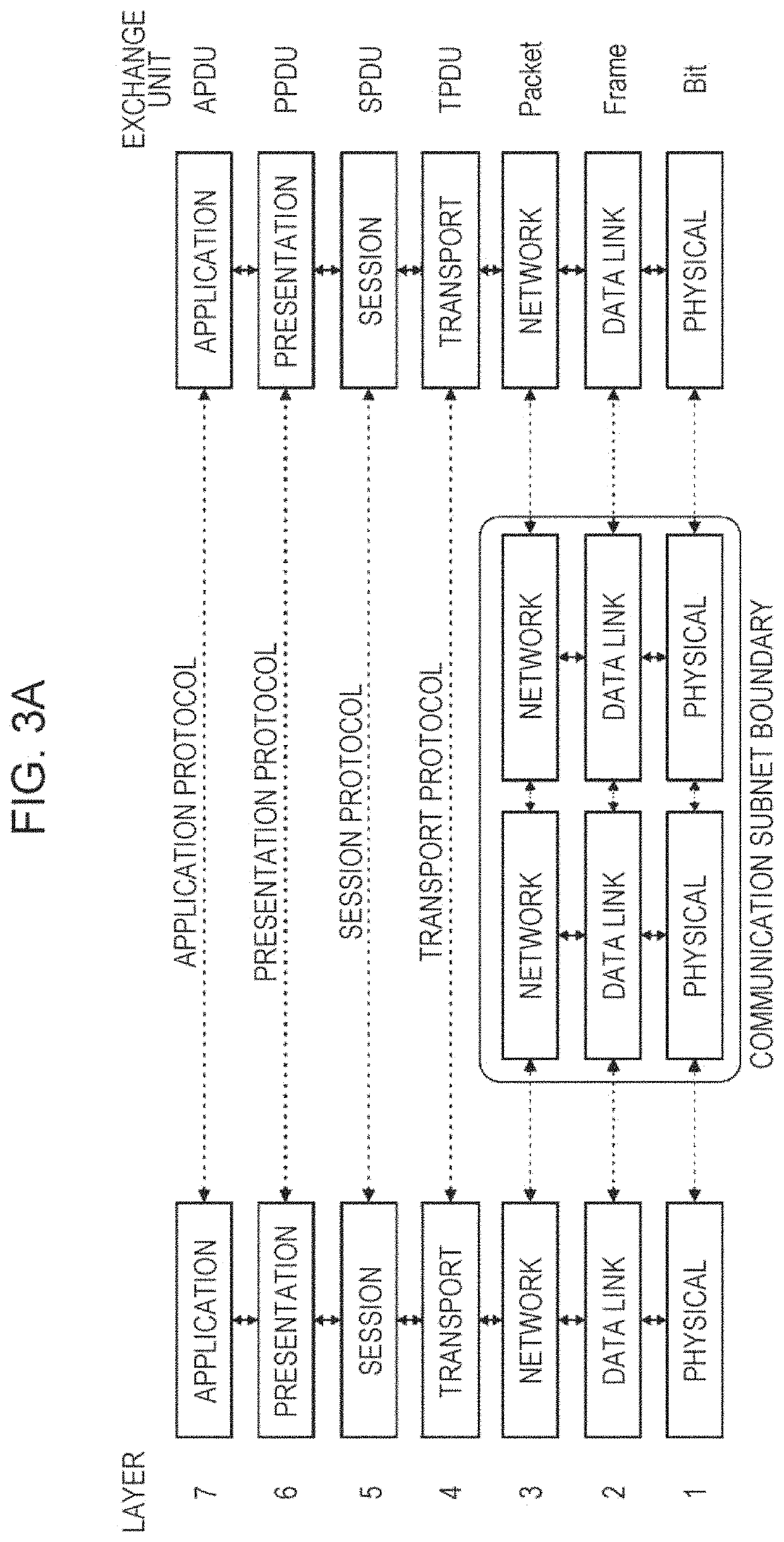
Figure 3
Abstract
Description
BACKGROUND1. Technical Field
[0001] The present disclosure relates to transmission and reception processing on multiple layers in a communication system as well as to the corresponding transmission apparatuses, methods and programs.2. Description of the Related Art
[0002] Third-generation mobile systems (3G) based on WCDMA radio-access technology are being deployed on a broad scale all around the world. A first step in enhancing or evolving this technology entails introducing High-Speed Downlink Packet Access (HSDPA) and an enhanced uplink, also referred to as High Speed Uplink Packet Access (HSUPA), giving a radio-access technology that is highly competitive. In order to be prepared for further increasing user demands and to be competitive against new radio access technologies, 3GPP introduced a new mobile communication system called Long Term Evolution (LTE). LTE is designed to meet the carrier needs for high speed data and media transport as well as high capacity voice support throug...
Examples
Embodiment Construction
Basis of the Present Disclosure
L1 / L2 Processing
[0100]FIG. 4 exemplary depicts the data flow of an IP packet through the link-layer protocols down to the physical layer. The figure shows that each protocol sublayer adds its own protocol header to the data units as well as the mapping of the transport block on a subframe. Transport block (TB) denotes the MAC PDU which is mapped onto the physical layer.
[0101]The mapping of the transport block onto the subframe in LTE is performed within a so-called transmission time interval (TTI). Generally a single transport block is mapped in one TTI to one subframe in case of single input single output (SW), i.e. transmitter and receiver operating with one antenna. In case of MIMO / MISO (multiple input multiple output / multiple input single output), two codewords corresponding to two transport blocks may be mapped in one TTI to the physical resources. In general, more than two transport blocks may be considered for mapping.
[0102]The LTE L2 functions ...