
Grouping of image frames in video coding
a video coding and image frame technology, applied in the field of multimedia file grouping, can solve problems such as discrepancies in the numbering of image frames
Patent Information
- Authority / Receiving Office
- US · United States
- Current Assignee / Owner
- Publication Date
- 2006-06-08
Smart Images
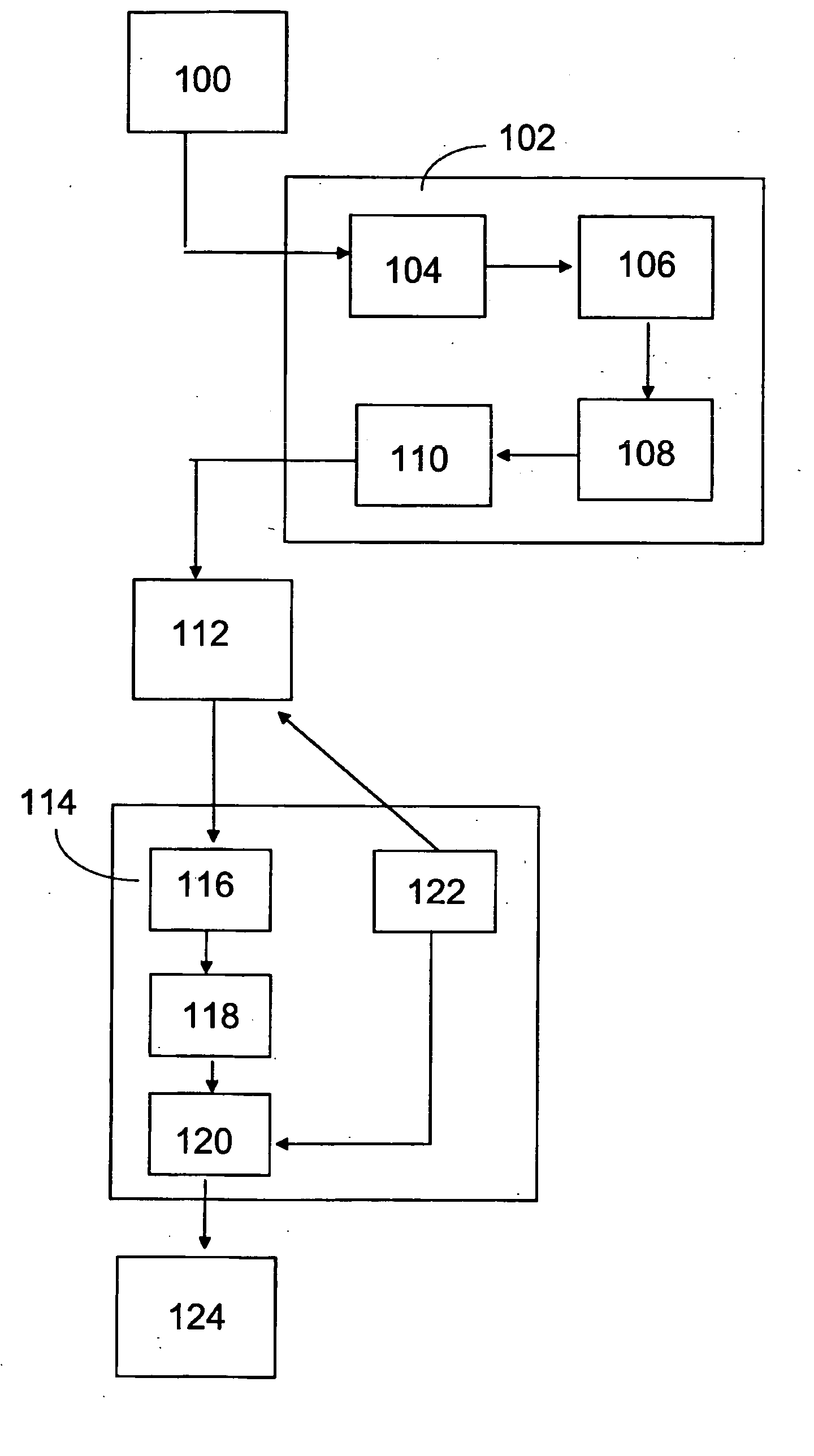
Figure 1 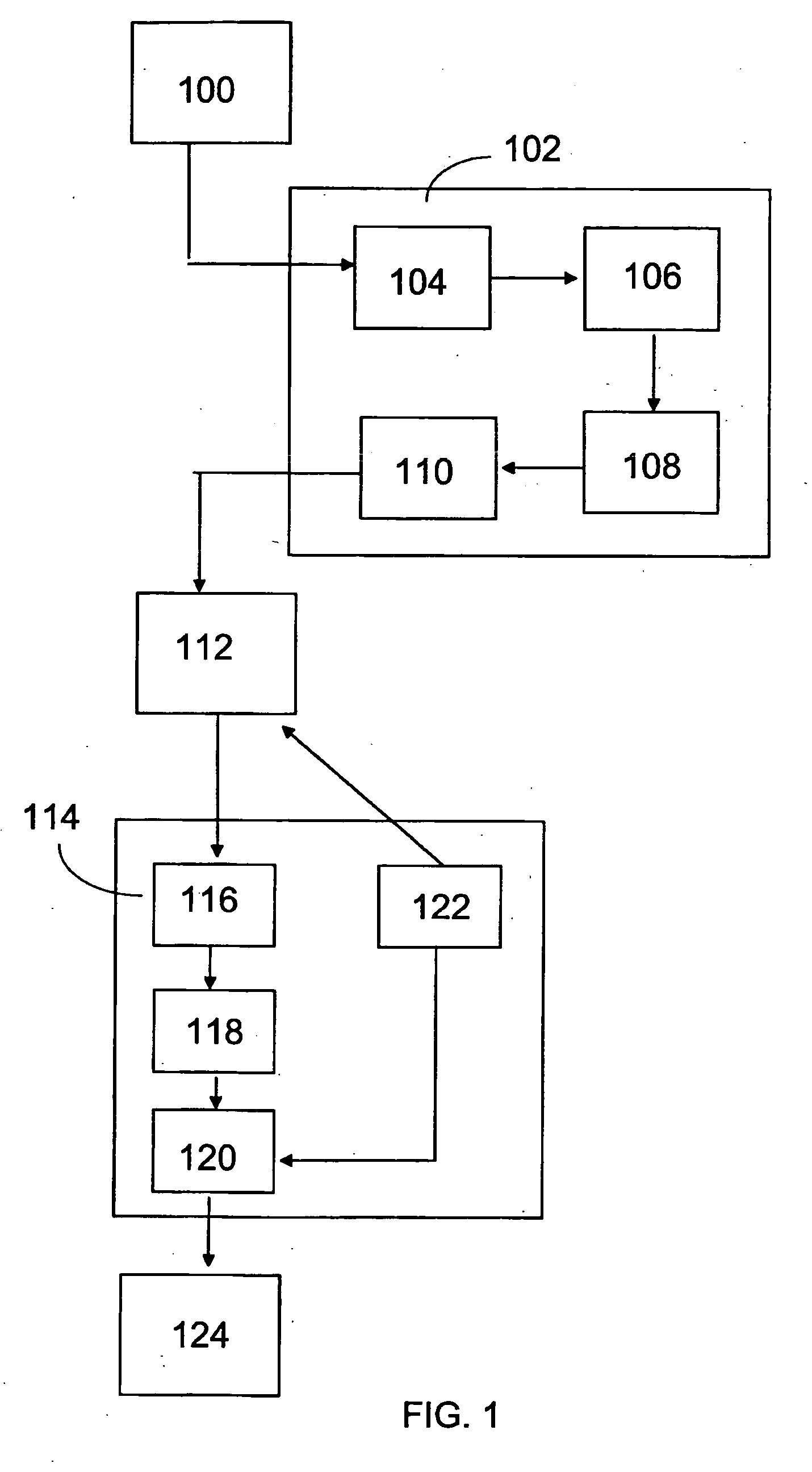
Figure 2 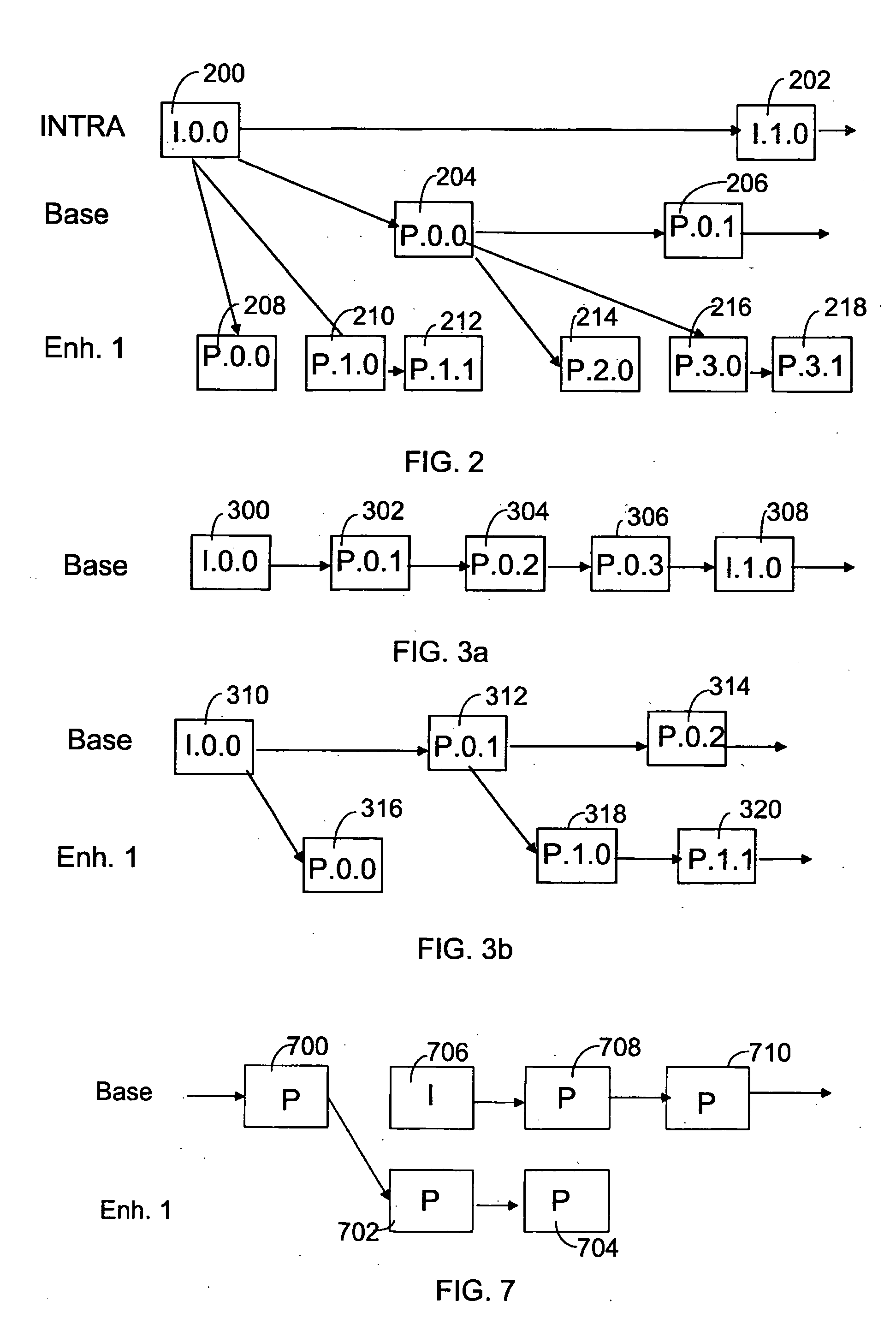
Figure 3
Abstract
Description
RELATED PATENT DOCUMENTS
[0001] This application is a continuation of U.S. patent application Ser. No. 10 / 306,942 filed on Nov. 29, 2002 which is incorporated herein by reference in its entirety.FIELD OF THE INVENTION
[0002] The invention relates to the grouping of multimedia files, particularly video files and particularly in connection with streaming. BACKGROUND OF THE INVENTION
[0003] The term ‘streaming’ refers to simultaneous sending and playback of data, typically multimedia data, such as audio and video files, in which the recipient may begin data playback already before all the data to be transmitted has been received. Multimedia data streaming systems comprise a streaming server and terminal devices that the recipients use for setting up a data connection, typically via a telecommunications network, to the streaming server. From the streaming server the recipients retrieve either stored or real-time multimedia data, and the playback of the multimedia data can then begin, mo...
Examples
Embodiment Construction
[0030] In the following, a general-purpose multimedia data streaming system is disclosed, the basic principles of which can be applied in connection with any telecommunications system. Although the invention is described here with a particular reference to a streaming system, in which the multimedia data is transmitted most preferably through a telecommunications network employing a packet-switched data protocol, such as an IP network, the invention can equally well be implemented in circuit-switched networks, such as fixed telephone networks PSTN / ISDN (Public Switched Telephone Network / integrated Services Digital Network) or in mobile communications networks PLMN (Public Land Mobile Network). Further, the invention can be applied in the streaming of multimedia files in the form of both normal streaming and progressive downloading, and for implementing video calls, for example.
[0031] It is also to be noted that although the invention is described here with a particular reference to...