
Ceramic Liner for Attaching Ceramic Fiber Refractory Insulation
Patent Information
- Authority / Receiving Office
- US · United States
- Current Assignee / Owner
- Publication Date
- 2013-02-28
- Estimated Expiration
- Not applicable · inactive patent
Smart Images
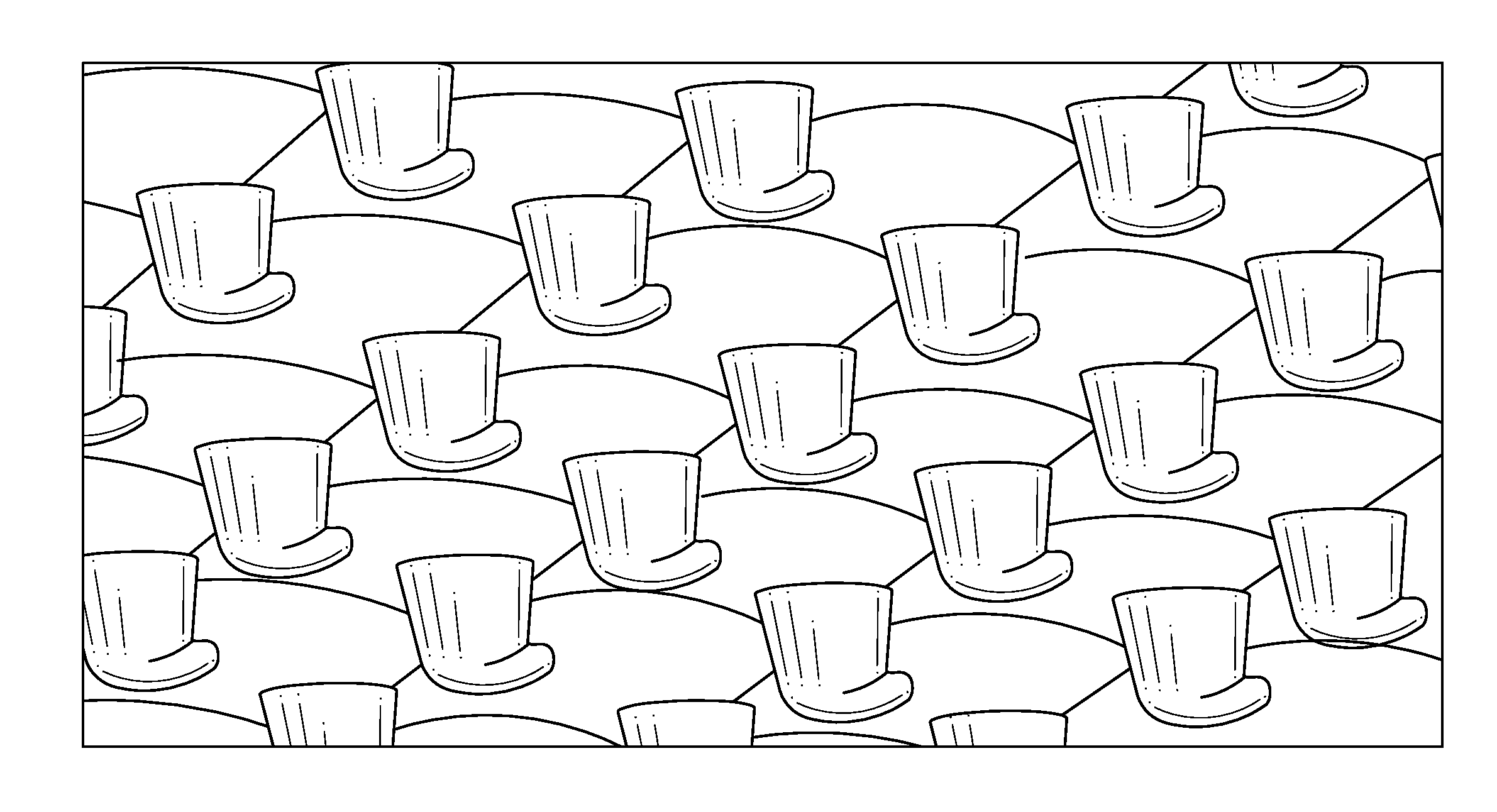
Figure 1 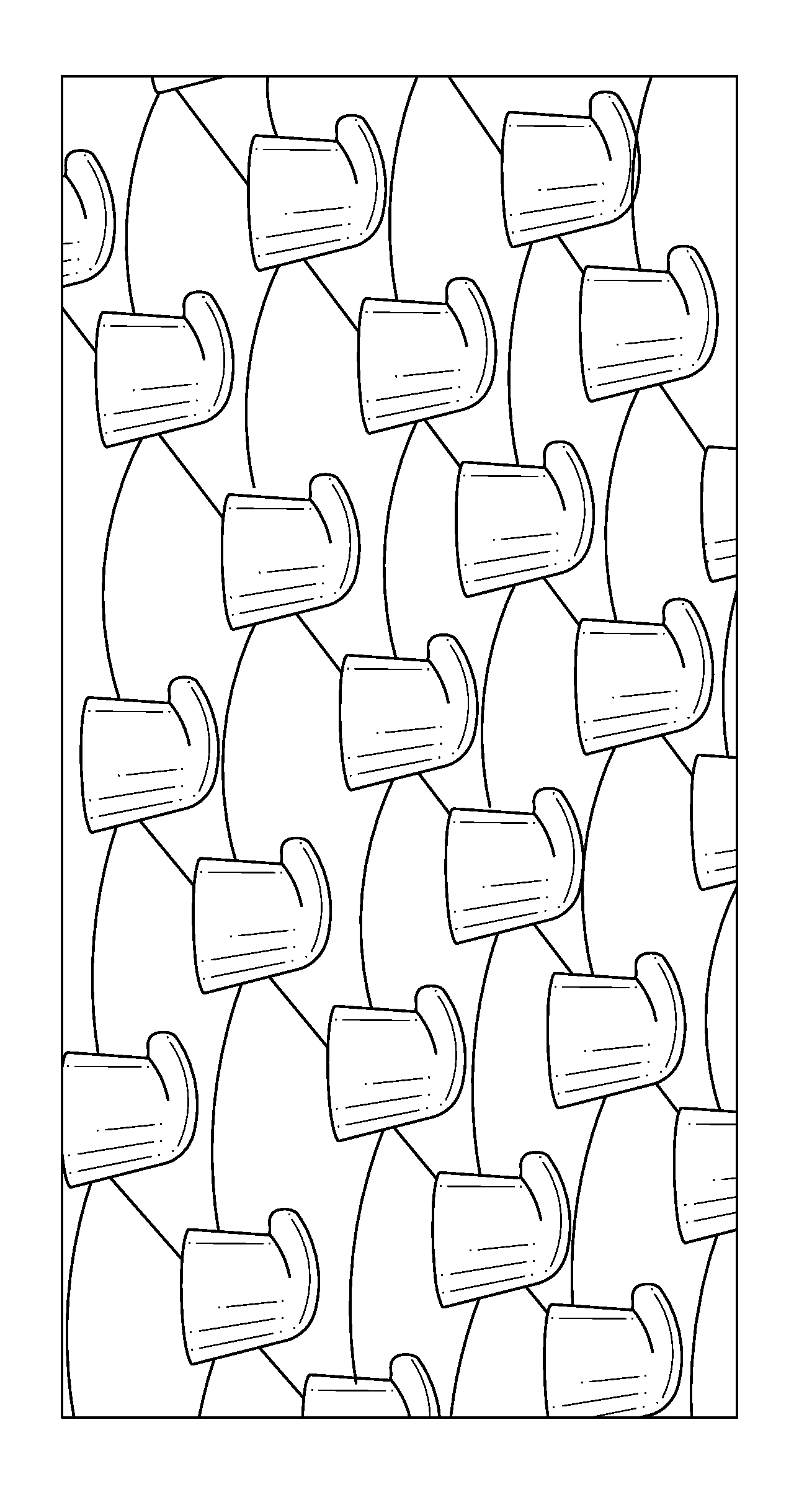
Figure 2
Abstract
Description
BACKGROUND OF THE INVENTION
[0001] This invention relates to fastener systems for attaching or retaining high temperature fiber ceramic liners in furnaces, forges, kilns, or other high-temperature enclosures. The invention is more particularly concerned with liners that can be applied as blocks, bricks or tiles to the inside surfaces of the high-temperature enclosures, and which have an array of hook structures formed on one surface that can grasp and hold the fibers of a refractory fiber ceramic insulating layer.
[0002] In many high-temperature applications, such as furnaces and kilns, it has become a critically important design factor to minimize heat loss through the containment walls. One common insulating material used in these applications is fiber ceramics. Ceramic fiber insulation is available in many forms such as blanket, baled modules, rigid boards or panels. Ceramic fiber may have temperature capability up to about 1800° Celsius. Many different systems have been proposed for...
Examples
Embodiment Construction
[0014]With reference now to the Drawing, a high temperature refractory ceramic material is formed into a tile member, e.g., a brick, block or tile shape, with one surface of it being formed as an array of small hooks in a pattern, and used to hold the ceramic fiber insulation material in place in the associated kiln, forge, or furnace. In a first embodiment, these hooks are made up of a repeated pattern of small hooks (see sole FIGURE) in a density ranging from about one hook per each 10 cm2 to about 50 hooks per cm2.
[0015]In this embodiment, the tile members are formed by a process known in the ceramics industry as RAM pressing. In this process the ceramic starting material, i.e., clay, requires a mixture of ceramic particles, water and a plasticizer so that the ceramic clay material behaves as a fluid when compressed in a die but remains fairly rigid when not under pressure. The RAM press has a pair of die members one or both of which are formed of a porous material, i.e., a plast...