
Memory bandwidth management for deep learning applications
a deep learning application and memory bandwidth technology, applied in the field of memory bandwidth management for deep learning applications, can solve the problems of increasing the complexity and scalability of deep learning applications, aggravate the problem of memory bandwidth, and the total number of weights used in the system can be massive, so as to reduce the memory bandwidth requirement for neural network weight loading
Patent Information
- Authority / Receiving Office
- US · United States
- Patent Type
- Applications(United States)
- Current Assignee / Owner
- Publication Date
- 2016-12-29
Smart Images
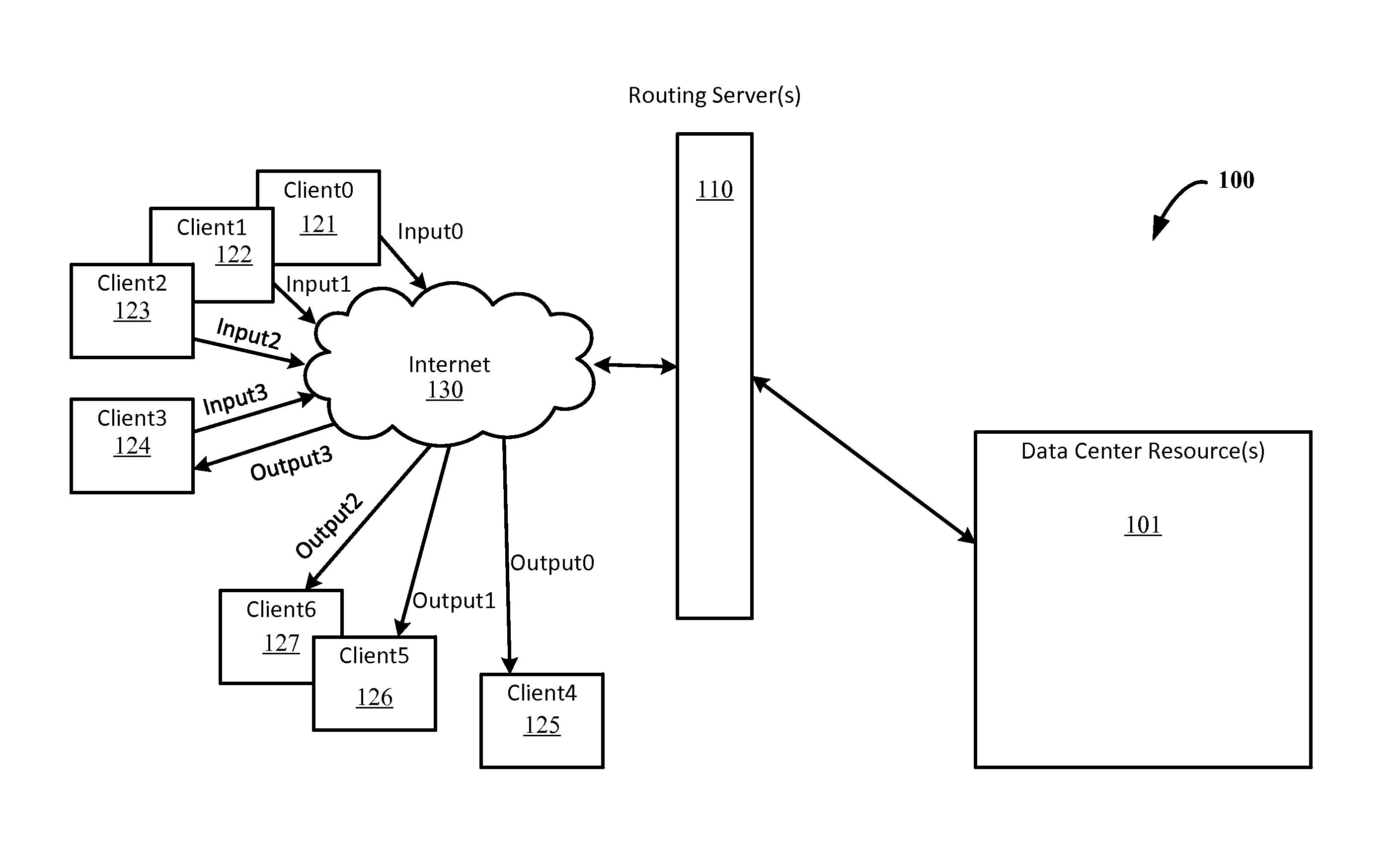
Figure 1 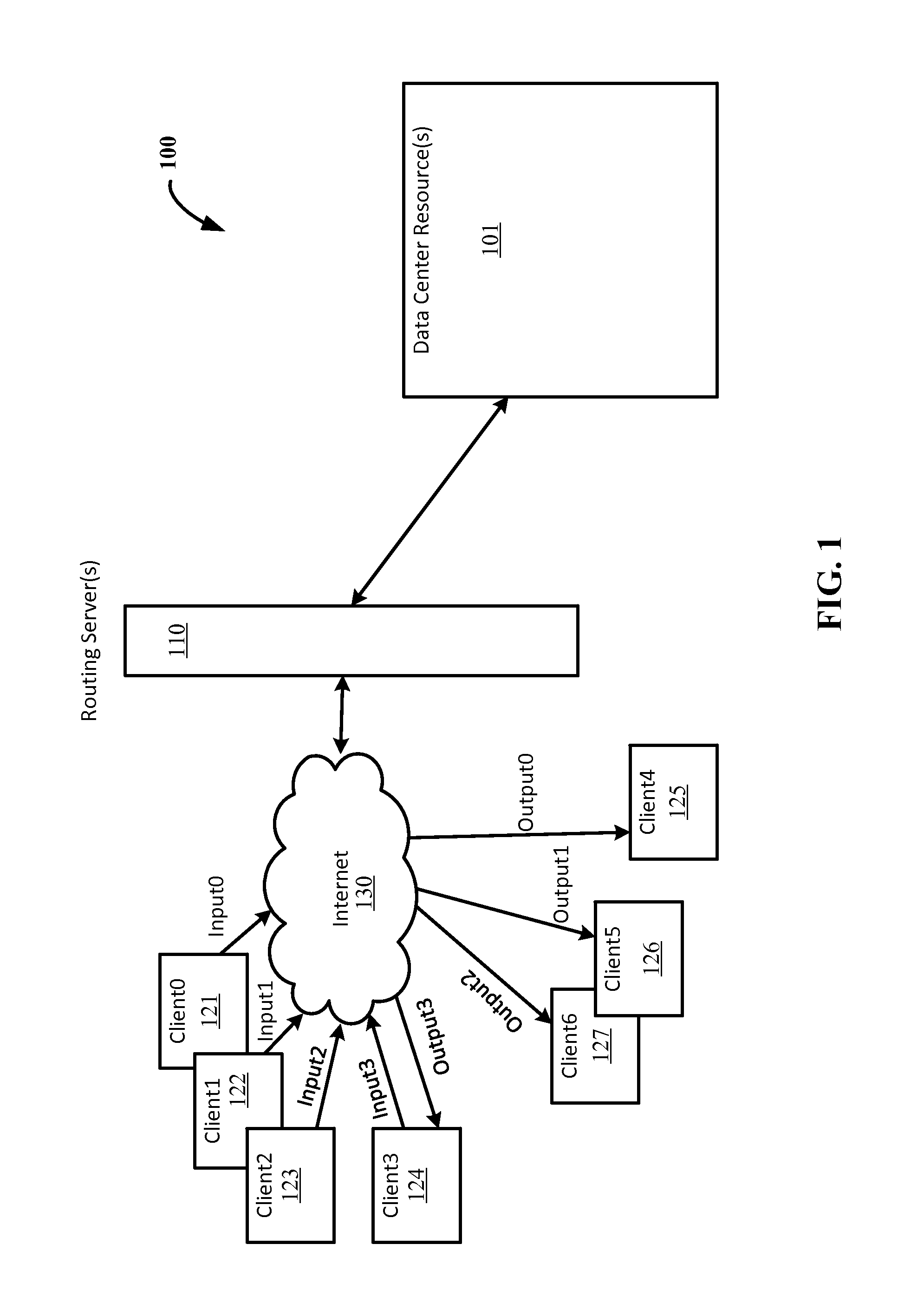
Figure 2 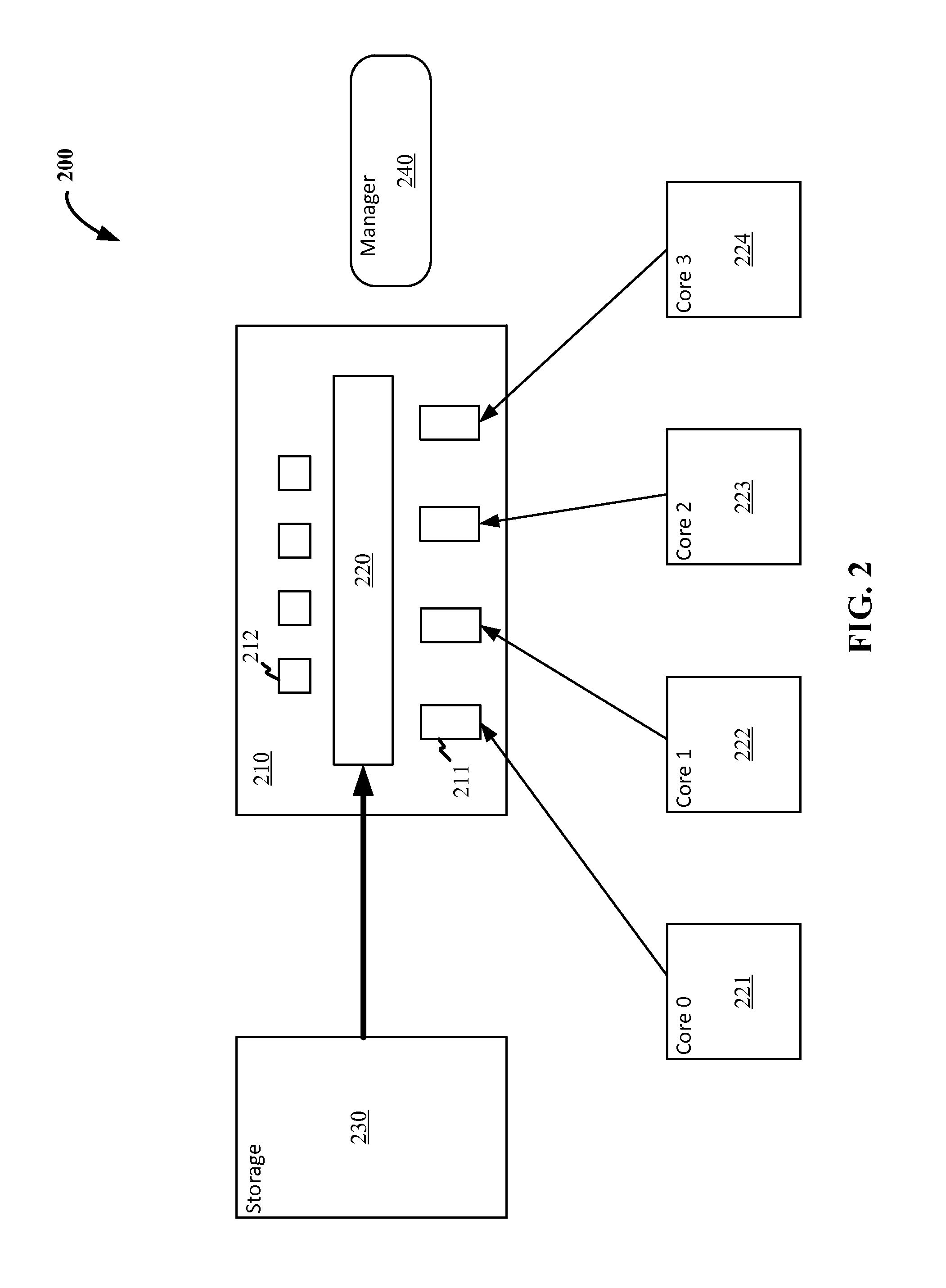
Figure 3
Abstract
Description
BACKGROUND
[0001] Artificial intelligence (AI) applications involve machines or software that are made to exhibit intelligent behavior such as learning, communication, perception, motion and manipulation, and even creativity. The machines or software can achieve this intelligent behavior through a variety of methodologies such as search and optimization, logic, probabilistic methods, statistical learning, and neural networks. Along these lines, various deep learning architectures such as deep neural networks (deep NN) including deep multi-layer perceptrons (MLPs) (often referred to as a DNN), convolutional deep neural networks, deep belief networks, recurrent neural networks (RNN), and long-short-term memory (LSTM) RNNs, have gained interest for their application to fields like computer vision, image processing / recognition, speech processing / recognition, natural language processing, audio recognition, and bioinformatics.
[0002] A deep NN generally consists of an input layer, an arbitrar...
Examples
example 1
[0063]A method of performing neural network processes, the method comprising: receiving, at a field programmable gate array (FPGA), a batch of input data for accelerated processing of a neural network evaluation, wherein the batch of input data comprises at least two feature vectors; loading the FPGA with a first layer set of weights for the neural network evaluation from an external memory; and applying, within the FPGA, the first layer set of weights to the batch of the input data to generate intermediates.
example 2
[0064]The method of example 1, wherein the at least two feature vectors comprise one observation vector from each of at least two data streams.
example 3
[0065]The method of example 2, wherein the neural network evaluation is a recurrent neural network evaluation.