
Novel lactic acid bacteria and use thereof
a technology of lactic acid bacteria and lactic acid, applied in the field of probiotics, can solve the problems of high cost of chronic kidney treatment, personal risk, inconformity of patients, etc., and achieve the effects of preventing hyperuricemia, slowing down or avoiding symptoms, and improving and/or preventing hypocalcemia
Patent Information
- Authority / Receiving Office
- US · United States
- Patent Type
- Applications(United States)
- Current Assignee / Owner
- Publication Date
- 2017-06-08
Smart Images
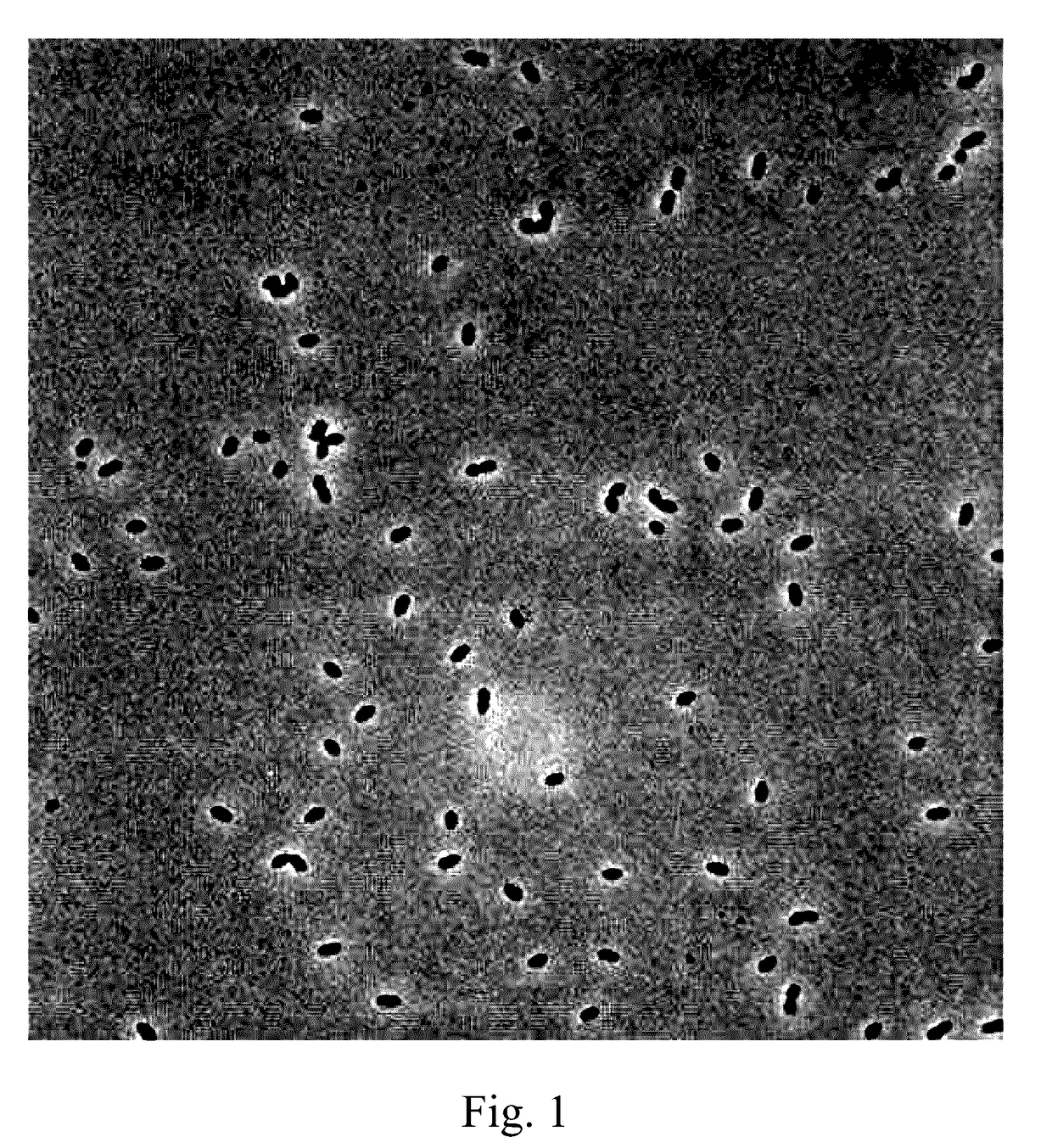
Figure 1 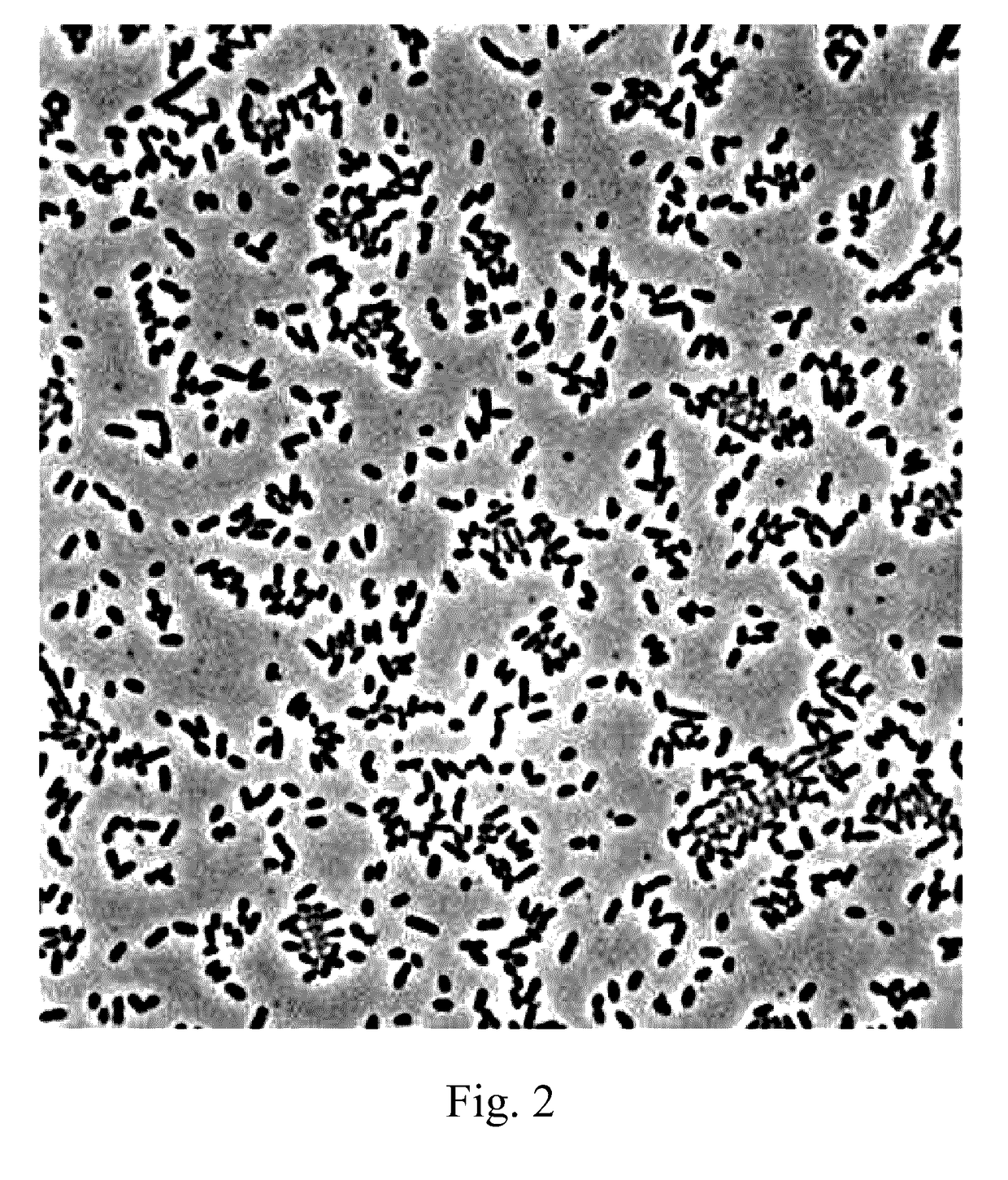
Figure 2 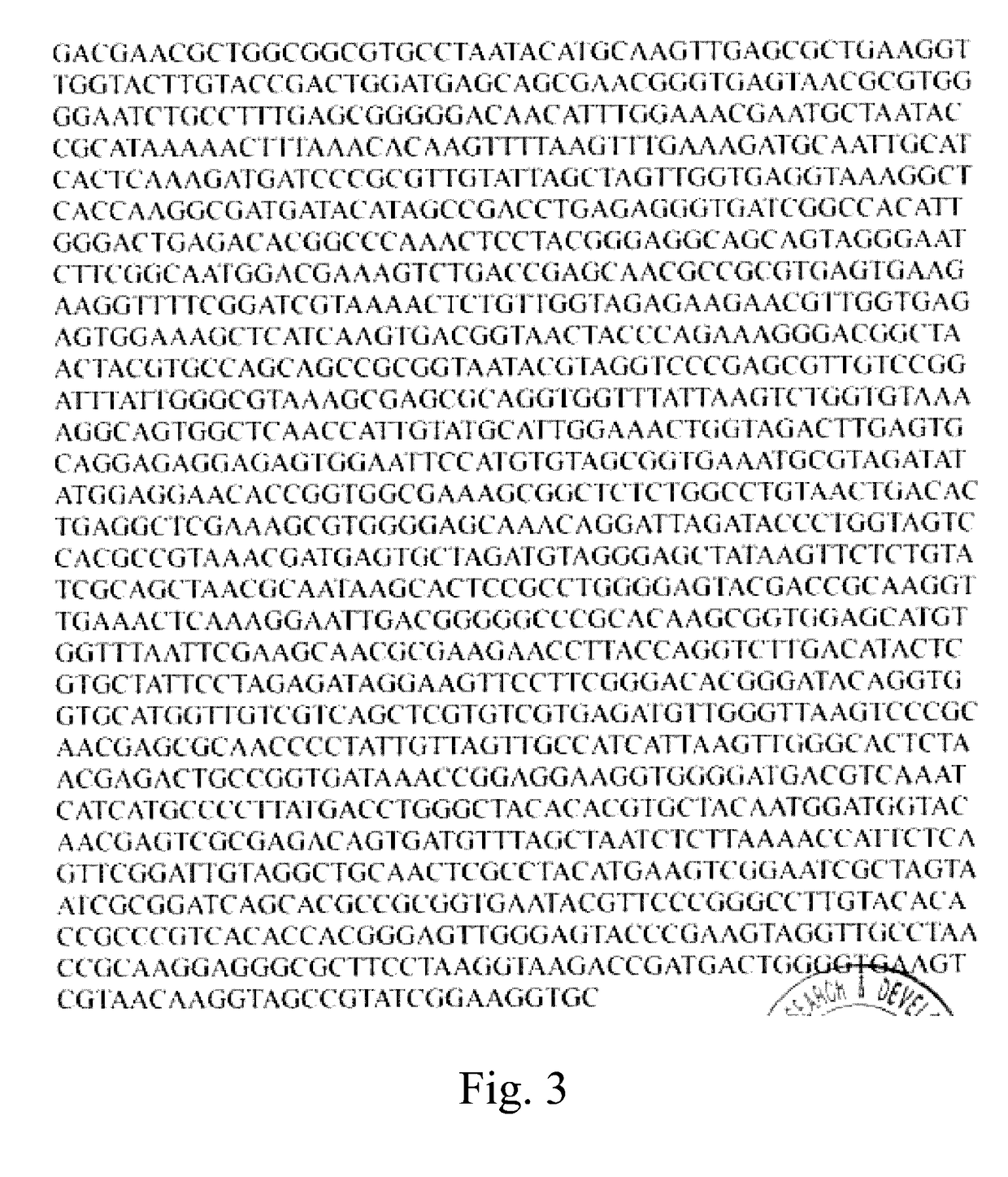
Figure 3
Abstract
Description
TECHNICAL FIELD
[0001] The present invention relates to probiotics, and particularly to novel lactic acid bacteria and use thereof.PRIOR ART
[0002] The chronic kidney disease is classified into 5 stages according to the estimated Glomerular Filtration Rate (eGFR) and the injury to the kidney, where in stages 1-2 (eGFR>60 mL / min / 1.73 m2), no obvious symptoms are present; in stages 3-4 (eGFR 15-60 mL / min / 1.73 m2), mild or moderate anaemia, fatigue, edema, and itchy skin occur, so that the chronic kidney disease has generally been progressed to stages 3-4 when the symptoms are manifested; and in stage 5 (eGFR<15 mL / min / 1.73 m2), moderate or severe anaemia, edema, and inappetence take place. Generally, the patients in stage 3 or higher need to be treated with drugs actively, and dialysis treatment is necessitated in case of persistent deterioration.
[0003] It can be known from the statistical data above that the chronic kidney disease causes a threat to personal health, and also the hig...
Examples
example 1
olation and Identification
[0024]Lactococcus lactis subsp. lactis LL358, and Lactobacillus salivarius L5159 are isolated from vegetable pickles, which are as shown in FIGS. 1 and 2.
[0025]It can be known from the result of identification by Food Industry Research and Development Institute (Taiwan) that Lactococcus lactis subsp. lactis LL358 and Lactobacillus salivarius L5159 are characterized in that they are Gram positive bacteria, have no catalyst, but have an oxidase and mobility, produce no endospores, and are able to grow in aerobic and anaerobic environments and allowed to be cultured in a Lactobacillus MRS medium at a temperature of 37° C.
[0026]Referring to FIG. 3, the 16S rDNA sequence of Lactococcus lactis subsp. lactis LL358 is as shown in SEQ ID No. 1. Based on 16S rDNA sequencing, it can be known that Lactococcus lactis subsp. lactis LL358 has 98% or more similarity to Lactococcus lactis subsp. lactis, Lactococcus lactis subsp. hordniae, Lactococcus lactis subsp. tructae, ...
example 2
on of Lactic Acid Bacteria Containing Composition
[0028]Lactococcus lactis subsp. lactis LL358 and Lactobacillus salivarius L5159 obtained in Example 1 were mixed with Lactobacillus pentosus to prepare a lactic acid bacteria containing composition, where the proportion of Lactococcus lactis subsp. lactis LL358, Lactobacillus salivarius LS159, and Lactobacillus pentosus was 1:1:1.
example 3
uman
[0029]It should be noted that this test was examined and approved by the Member of Institutional Review Board, Tungs' Taichung MetroHarbor Hospital, Taiwan (IRB No. TTMH: 102023).
[0030]A total of 80 patients with stages 3 and 4 chronic kidney disease were screened out in out-patient clinic, department of nephrology, Tungs' Taichung MetroHarbor Hospital, 29 patients dropped out from the test due to personal reasons, and the remaining patients signed the information consent form and became a subject.
[0031]The subjects were randomized to a test group and a placebo group. The subjects in the test group were each given a pack of the lactic acid bacteria containing composition (3 g / pack, and having a total bacterial count of 1×10¹¹ CFU / pack) at the morning and evening every day, and the subjects in the placebo group were given equal dosage of resistant starch at the morning and evening. During the test (weeks 0 to 12) and 4-week (weeks 13 to 16) follow-up after withdrawal, the subject...