
Creating an access control policy based on consumer privacy preferences
a privacy preference and access control technology, applied in the field of access control policies, can solve problems such as restricting access to documents, and achieve the effects of accurate determination of the document set, less details, and convenient use for users
Patent Information
- Authority / Receiving Office
- US · United States
- Patent Type
- Patents(United States)
- Current Assignee / Owner
- Publication Date
- 2018-02-13
Smart Images
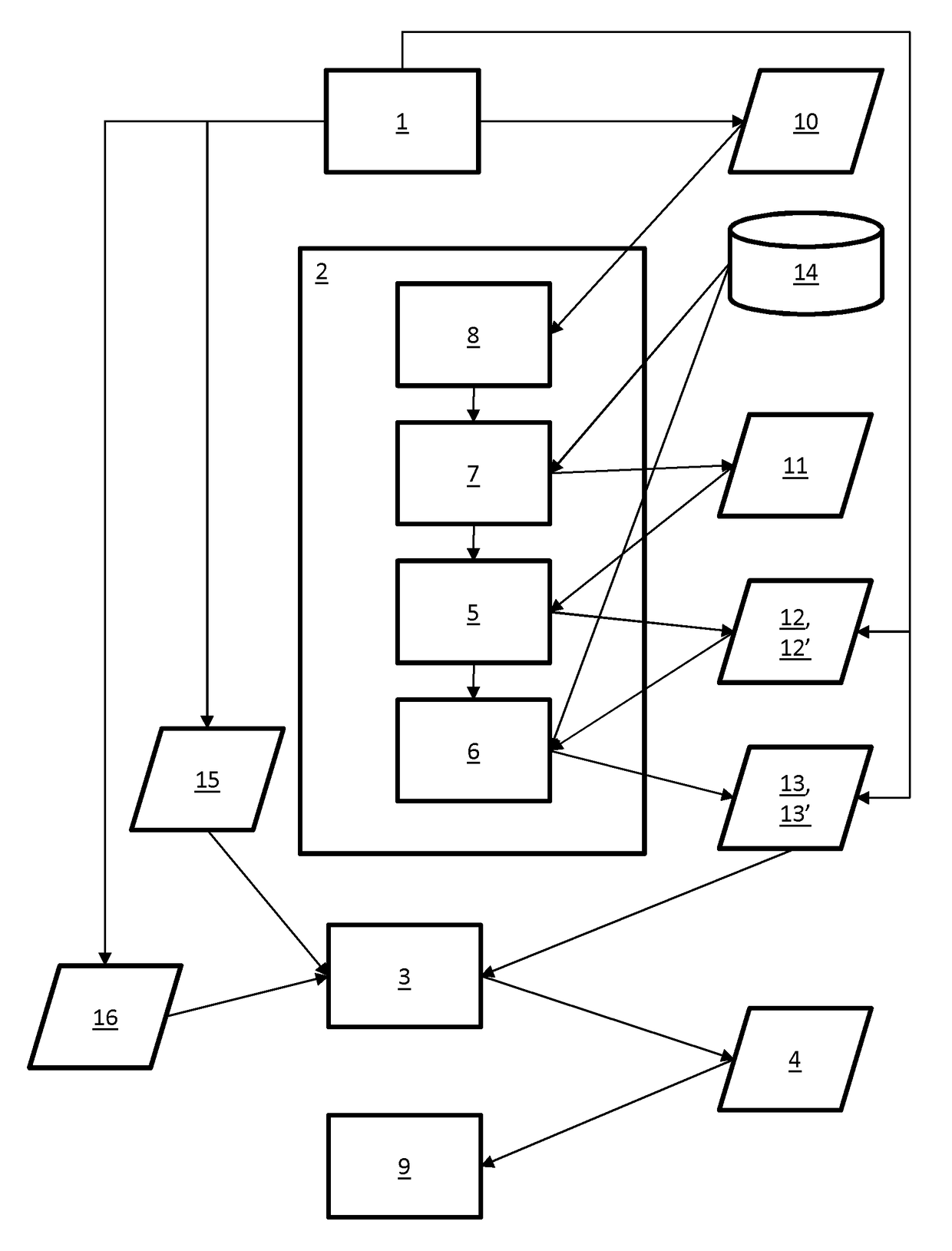
Figure 1 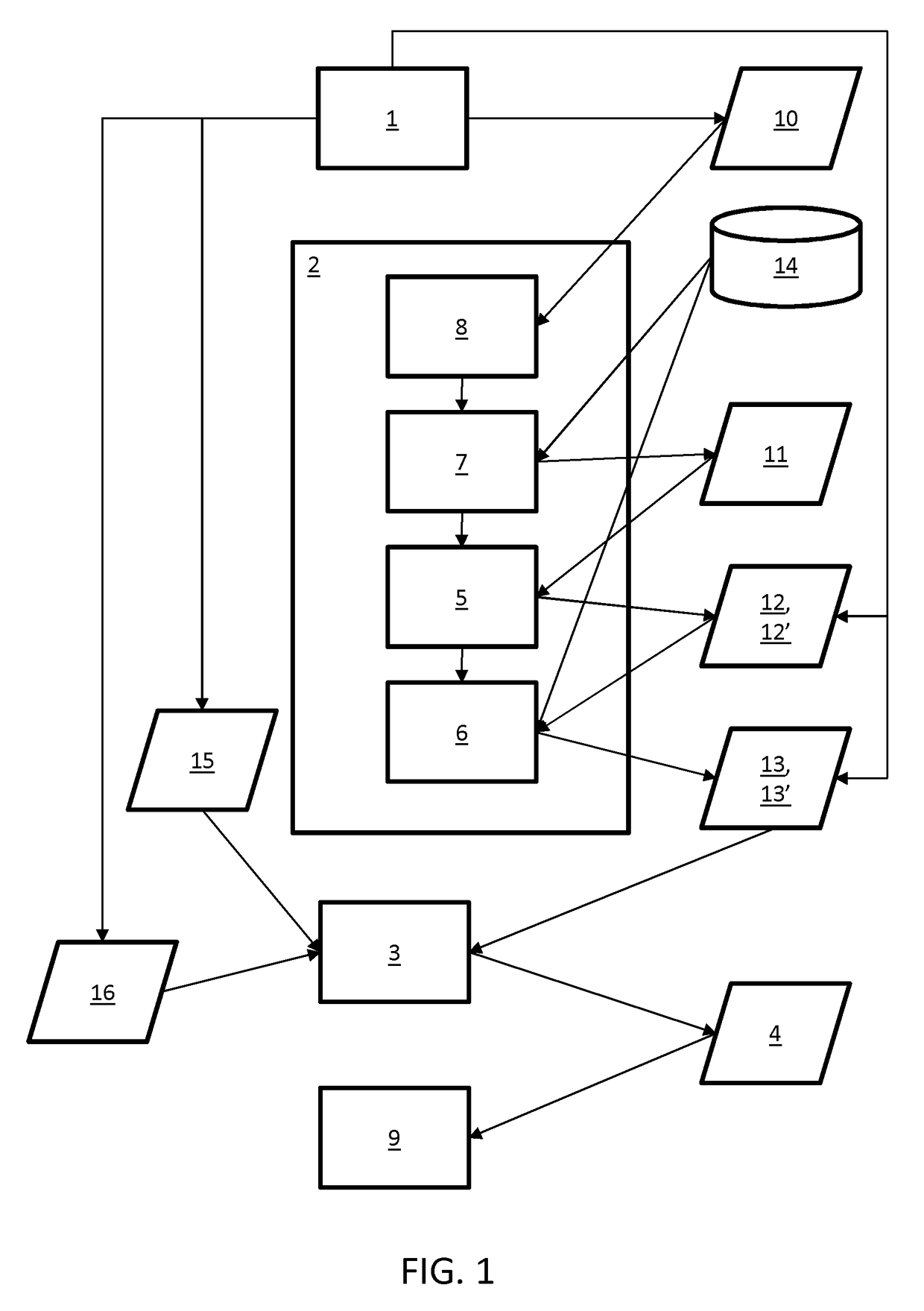
Figure 2 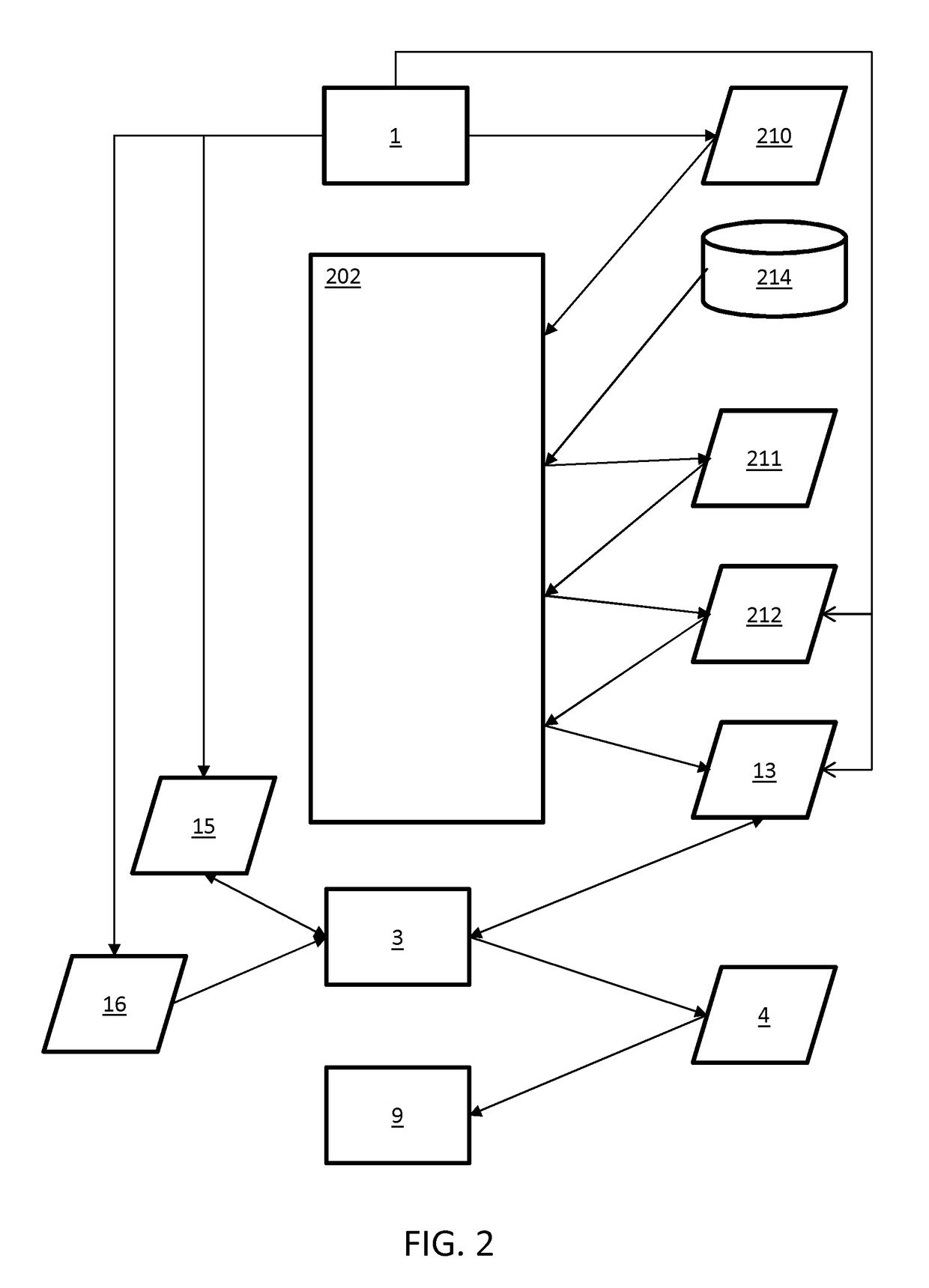
Figure 3
Abstract
Description
FIELD OF THE INVENTION
[0001] The invention relates to creating an access control policy. The invention further relates to configuring an access control system with an access control policy.BACKGROUND OF THE INVENTION
[0002] Electronic health records, as well as electronic personal health records, have been increasingly used to replace paper records in professional healthcare and home healthcare.
[0003] Informed consent is a very important process in professional healthcare, in which the patient makes some choices with respect to, inter alia, the use of his health data by healthcare providers. In many countries the patient has legal rights to hide or limit access to certain parts of his electronic healthcare records. For example, a patient may restrict access to documents relating to mental health or drug abuse, such that only the patient's psychiatrist has access to these documents. In another example, such restricted access prevents others from having access to a patient's records relat...
Examples
Embodiment Construction
[0039]Information retrieval methods may be based on the term statistics in a collection of textual documents, i.e., using the number of term occurrences in a document (term frequency) and / or in a collection (collection frequency), and the number of documents containing a term. This is explained in Baeza-Yates, R., & Ribeiro-Neto, B. (1999). Modern Information Retrieval. Essex, UK: ACM Press (hereinafter: Baeza-Yates et al.). Besides information search, such statistical information, along with available ontologies, can be useful in helping the user to define various properties related to the data collection in question.
[0040]Consumers / patients usually have very high-level privacy preferences and are not familiar with the structure of electronic health records (EHRs) and object vocabularies used by EHR systems such as the one of HL-7 described above. They have difficulties in specifying their privacy policies and consent, as there is a large discrepancy between their preferences on th...