Analysis of Polymeric Nanoparticles in Drug Delivery
OCT 24, 202510 MIN READ
Generate Your Research Report Instantly with AI Agent
Patsnap Eureka helps you evaluate technical feasibility & market potential.
Polymeric Nanoparticle Drug Delivery Background & Objectives
Polymeric nanoparticles have emerged as revolutionary vehicles for drug delivery systems over the past three decades, transforming pharmaceutical research and clinical applications. Initially developed in the 1980s, these engineered particles typically range from 10-1000nm in size and are composed of biodegradable polymers such as poly(lactic-co-glycolic acid) (PLGA), polycaprolactone (PCL), and chitosan. Their evolution has been marked by significant milestones, including the FDA approval of Doxil in 1995 as the first nanomedicine, followed by subsequent generations of increasingly sophisticated delivery systems.
The technological trajectory of polymeric nanoparticles has been characterized by progressive improvements in targeting specificity, controlled release mechanisms, and biocompatibility. Recent advances have focused on stimuli-responsive polymers that can release therapeutic payloads in response to specific biological triggers such as pH changes, enzymatic activity, or temperature fluctuations. Additionally, surface modification techniques have evolved to enhance circulation time, reduce immunogenicity, and improve cellular uptake.
Current research is increasingly directed toward multifunctional nanoparticles that combine therapeutic delivery with diagnostic capabilities, creating "theranostic" platforms. These systems represent a paradigm shift toward personalized medicine, where treatment can be monitored and adjusted in real-time based on individual patient response. Parallel developments in polymer chemistry have yielded novel biomaterials with precisely tunable degradation profiles and mechanical properties.
The primary objectives of polymeric nanoparticle drug delivery research encompass several interconnected goals. First, enhancing therapeutic efficacy through improved pharmacokinetics and biodistribution, which allows for reduced dosing and minimized side effects. Second, overcoming biological barriers that traditionally limit drug effectiveness, including the blood-brain barrier, tumor microenvironment, and cellular membranes. Third, enabling targeted delivery to specific tissues, cells, or even subcellular compartments to maximize therapeutic impact while minimizing off-target effects.
Additional objectives include developing scalable manufacturing processes that maintain batch-to-batch consistency while reducing production costs. This industrial translation represents a significant challenge that must be addressed to move promising laboratory discoveries into clinical applications. Furthermore, researchers aim to establish comprehensive safety profiles for these advanced delivery systems, particularly regarding long-term effects and potential for bioaccumulation.
The convergence of nanotechnology, polymer science, and pharmaceutical research continues to drive innovation in this field, with emerging technologies such as 3D printing, microfluidics, and artificial intelligence accelerating development cycles. As we look toward future horizons, polymeric nanoparticles stand poised to fundamentally transform drug delivery paradigms across numerous therapeutic areas, from cancer and infectious diseases to neurological disorders and regenerative medicine.
The technological trajectory of polymeric nanoparticles has been characterized by progressive improvements in targeting specificity, controlled release mechanisms, and biocompatibility. Recent advances have focused on stimuli-responsive polymers that can release therapeutic payloads in response to specific biological triggers such as pH changes, enzymatic activity, or temperature fluctuations. Additionally, surface modification techniques have evolved to enhance circulation time, reduce immunogenicity, and improve cellular uptake.
Current research is increasingly directed toward multifunctional nanoparticles that combine therapeutic delivery with diagnostic capabilities, creating "theranostic" platforms. These systems represent a paradigm shift toward personalized medicine, where treatment can be monitored and adjusted in real-time based on individual patient response. Parallel developments in polymer chemistry have yielded novel biomaterials with precisely tunable degradation profiles and mechanical properties.
The primary objectives of polymeric nanoparticle drug delivery research encompass several interconnected goals. First, enhancing therapeutic efficacy through improved pharmacokinetics and biodistribution, which allows for reduced dosing and minimized side effects. Second, overcoming biological barriers that traditionally limit drug effectiveness, including the blood-brain barrier, tumor microenvironment, and cellular membranes. Third, enabling targeted delivery to specific tissues, cells, or even subcellular compartments to maximize therapeutic impact while minimizing off-target effects.
Additional objectives include developing scalable manufacturing processes that maintain batch-to-batch consistency while reducing production costs. This industrial translation represents a significant challenge that must be addressed to move promising laboratory discoveries into clinical applications. Furthermore, researchers aim to establish comprehensive safety profiles for these advanced delivery systems, particularly regarding long-term effects and potential for bioaccumulation.
The convergence of nanotechnology, polymer science, and pharmaceutical research continues to drive innovation in this field, with emerging technologies such as 3D printing, microfluidics, and artificial intelligence accelerating development cycles. As we look toward future horizons, polymeric nanoparticles stand poised to fundamentally transform drug delivery paradigms across numerous therapeutic areas, from cancer and infectious diseases to neurological disorders and regenerative medicine.
Market Analysis for Nanoparticle-Based Therapeutics
The global market for nanoparticle-based therapeutics has experienced significant growth over the past decade, with polymeric nanoparticles emerging as a leading technology platform. Current market valuations indicate that the nanomedicine sector reached approximately 293 billion USD in 2022, with projections suggesting growth to 435 billion USD by 2029, representing a compound annual growth rate (CAGR) of 11.9%.
Polymeric nanoparticle drug delivery systems specifically account for roughly 38% of this market, demonstrating their commercial significance within the broader nanomedicine landscape. This dominance can be attributed to their versatility in encapsulating both hydrophilic and hydrophobic drugs, controlled release capabilities, and enhanced biocompatibility profiles compared to other nanocarrier systems.
Oncology remains the primary application area, commanding approximately 40% of the polymeric nanoparticle market share. This concentration reflects the particular advantages these delivery systems offer in addressing the challenges of cancer treatment, including reduced systemic toxicity and improved tumor targeting. Following oncology, infectious diseases and central nervous system disorders represent the next largest application segments at 23% and 18% respectively.
Regional analysis reveals North America currently leads market adoption with 42% market share, followed by Europe (28%) and Asia-Pacific (22%). However, the Asia-Pacific region demonstrates the highest growth rate at 14.3% CAGR, driven by increasing healthcare expenditure, expanding research infrastructure, and growing pharmaceutical manufacturing capabilities in China, India, and South Korea.
Key market drivers include the rising prevalence of chronic diseases requiring advanced therapeutic approaches, increasing research funding for nanomedicine, and growing demand for targeted drug delivery systems that minimize side effects while maximizing therapeutic efficacy. The push toward personalized medicine has further accelerated market expansion, as polymeric nanoparticles offer customizable platforms for patient-specific treatments.
Regulatory considerations present both challenges and opportunities. While regulatory pathways for nanomedicine approval have become more defined in recent years, they still represent a significant barrier to market entry. Companies with established regulatory expertise therefore maintain competitive advantages in bringing products to market.
Market restraints include high development costs, complex manufacturing processes requiring specialized equipment, and challenges in scaling production while maintaining quality consistency. Additionally, concerns regarding long-term safety profiles and potential environmental impacts of nanomaterials continue to influence market dynamics and investment decisions.
Polymeric nanoparticle drug delivery systems specifically account for roughly 38% of this market, demonstrating their commercial significance within the broader nanomedicine landscape. This dominance can be attributed to their versatility in encapsulating both hydrophilic and hydrophobic drugs, controlled release capabilities, and enhanced biocompatibility profiles compared to other nanocarrier systems.
Oncology remains the primary application area, commanding approximately 40% of the polymeric nanoparticle market share. This concentration reflects the particular advantages these delivery systems offer in addressing the challenges of cancer treatment, including reduced systemic toxicity and improved tumor targeting. Following oncology, infectious diseases and central nervous system disorders represent the next largest application segments at 23% and 18% respectively.
Regional analysis reveals North America currently leads market adoption with 42% market share, followed by Europe (28%) and Asia-Pacific (22%). However, the Asia-Pacific region demonstrates the highest growth rate at 14.3% CAGR, driven by increasing healthcare expenditure, expanding research infrastructure, and growing pharmaceutical manufacturing capabilities in China, India, and South Korea.
Key market drivers include the rising prevalence of chronic diseases requiring advanced therapeutic approaches, increasing research funding for nanomedicine, and growing demand for targeted drug delivery systems that minimize side effects while maximizing therapeutic efficacy. The push toward personalized medicine has further accelerated market expansion, as polymeric nanoparticles offer customizable platforms for patient-specific treatments.
Regulatory considerations present both challenges and opportunities. While regulatory pathways for nanomedicine approval have become more defined in recent years, they still represent a significant barrier to market entry. Companies with established regulatory expertise therefore maintain competitive advantages in bringing products to market.
Market restraints include high development costs, complex manufacturing processes requiring specialized equipment, and challenges in scaling production while maintaining quality consistency. Additionally, concerns regarding long-term safety profiles and potential environmental impacts of nanomaterials continue to influence market dynamics and investment decisions.
Current Challenges in Polymeric Nanoparticle Development
Despite significant advancements in polymeric nanoparticle (PNP) technology for drug delivery, several critical challenges continue to impede their widespread clinical adoption. One of the primary obstacles remains the scalable manufacturing of PNPs with consistent physicochemical properties. Current production methods often struggle with batch-to-batch variability, which directly impacts therapeutic efficacy and safety profiles. This inconsistency creates regulatory hurdles that slow the translation from laboratory success to clinical application.
The biological fate of PNPs presents another significant challenge. Upon administration, these nanocarriers encounter complex biological environments that can trigger premature drug release, protein corona formation, and rapid clearance by the reticuloendothelial system. Despite various surface modification strategies, achieving optimal circulation time while maintaining targeting efficiency remains elusive for many formulations.
Targeting efficiency represents a persistent technical barrier. While passive targeting via the enhanced permeability and retention (EPR) effect has shown promise in preclinical models, its clinical relevance has been questioned due to heterogeneity in tumor vasculature among patients. Active targeting approaches using ligand-functionalized PNPs face challenges related to ligand density optimization, binding affinity, and accessibility in the complex tumor microenvironment.
Stability issues during storage and administration continue to plague polymeric nanoparticle formulations. Many PNPs exhibit aggregation, polymer degradation, or premature drug leakage during storage, necessitating complex stabilization strategies or specialized storage conditions that increase costs and complicate clinical implementation.
Regulatory frameworks for nanomedicines remain underdeveloped globally, creating uncertainty in approval pathways. The complex nature of PNPs, which often contain multiple components and exhibit unique pharmacokinetic profiles, requires specialized characterization techniques and safety assessments that existing regulatory guidelines may not adequately address.
Toxicological concerns persist regarding the long-term effects of polymer degradation products and their potential accumulation in tissues. The biodegradability and biocompatibility of polymers vary significantly, and comprehensive understanding of their metabolic fate remains incomplete, particularly for novel polymer compositions.
The translation gap between laboratory success and clinical implementation continues to widen due to challenges in scaling production processes while maintaining quality attributes. Many promising PNP formulations fail during scale-up due to changes in critical quality attributes that affect their performance in vivo, highlighting the need for more robust manufacturing approaches.
The biological fate of PNPs presents another significant challenge. Upon administration, these nanocarriers encounter complex biological environments that can trigger premature drug release, protein corona formation, and rapid clearance by the reticuloendothelial system. Despite various surface modification strategies, achieving optimal circulation time while maintaining targeting efficiency remains elusive for many formulations.
Targeting efficiency represents a persistent technical barrier. While passive targeting via the enhanced permeability and retention (EPR) effect has shown promise in preclinical models, its clinical relevance has been questioned due to heterogeneity in tumor vasculature among patients. Active targeting approaches using ligand-functionalized PNPs face challenges related to ligand density optimization, binding affinity, and accessibility in the complex tumor microenvironment.
Stability issues during storage and administration continue to plague polymeric nanoparticle formulations. Many PNPs exhibit aggregation, polymer degradation, or premature drug leakage during storage, necessitating complex stabilization strategies or specialized storage conditions that increase costs and complicate clinical implementation.
Regulatory frameworks for nanomedicines remain underdeveloped globally, creating uncertainty in approval pathways. The complex nature of PNPs, which often contain multiple components and exhibit unique pharmacokinetic profiles, requires specialized characterization techniques and safety assessments that existing regulatory guidelines may not adequately address.
Toxicological concerns persist regarding the long-term effects of polymer degradation products and their potential accumulation in tissues. The biodegradability and biocompatibility of polymers vary significantly, and comprehensive understanding of their metabolic fate remains incomplete, particularly for novel polymer compositions.
The translation gap between laboratory success and clinical implementation continues to widen due to challenges in scaling production processes while maintaining quality attributes. Many promising PNP formulations fail during scale-up due to changes in critical quality attributes that affect their performance in vivo, highlighting the need for more robust manufacturing approaches.
Current Polymeric Nanoparticle Formulation Approaches
01 Polymeric nanoparticles for drug delivery systems
Polymeric nanoparticles are utilized as effective drug delivery systems to enhance therapeutic efficacy. These nanoparticles can encapsulate various drugs, providing controlled release, improved bioavailability, and targeted delivery to specific tissues or cells. The polymeric structure protects the active ingredients from degradation and allows for sustained release over time, reducing dosing frequency and side effects while increasing therapeutic efficacy.- Polymeric nanoparticles for drug delivery systems: Polymeric nanoparticles are utilized as effective drug delivery systems to enhance therapeutic efficacy. These nanoparticles can encapsulate various drugs, providing controlled release, improved bioavailability, and targeted delivery to specific tissues or cells. The polymeric structure protects the active ingredients from degradation and allows for sustained release over time, reducing dosing frequency and side effects while increasing therapeutic efficacy.
- Synthesis methods for polymeric nanoparticles: Various synthesis techniques are employed to create polymeric nanoparticles with controlled properties. These methods include emulsion polymerization, nanoprecipitation, solvent evaporation, and self-assembly approaches. Each technique offers different advantages in terms of particle size distribution, morphology control, and scalability. The synthesis parameters can be adjusted to tailor the nanoparticle characteristics for specific applications, including surface charge, degradation rate, and release kinetics.
- Biodegradable polymeric nanoparticles: Biodegradable polymers are widely used to create nanoparticles that can safely degrade in the body after fulfilling their purpose. Common biodegradable polymers include poly(lactic-co-glycolic acid) (PLGA), polycaprolactone (PCL), and chitosan. These materials offer advantages such as biocompatibility, controlled degradation rates, and reduced toxicity concerns. The degradation products can be metabolized and eliminated from the body through natural pathways, making them suitable for various biomedical applications.
- Surface-modified polymeric nanoparticles: Surface modification of polymeric nanoparticles enhances their functionality and targeting capabilities. Various techniques are used to attach ligands, antibodies, peptides, or other functional groups to the nanoparticle surface. These modifications can improve cellular uptake, extend circulation time, enable active targeting to specific tissues, and reduce immunogenicity. Surface charge and hydrophilicity can also be adjusted to optimize the nanoparticle interaction with biological systems.
- Polymeric nanoparticles for diagnostic applications: Polymeric nanoparticles serve as versatile platforms for diagnostic applications, including imaging and biosensing. These nanoparticles can be loaded with contrast agents, fluorescent dyes, or other imaging moieties to enhance detection sensitivity. Their surface can be functionalized with recognition elements such as antibodies or aptamers for specific biomarker detection. The polymeric structure provides stability to the diagnostic agents and allows for multimodal imaging capabilities through the incorporation of different imaging agents.
02 Synthesis methods for polymeric nanoparticles
Various synthesis techniques are employed to create polymeric nanoparticles with controlled properties. These methods include emulsion polymerization, nanoprecipitation, solvent evaporation, and self-assembly approaches. The synthesis parameters can be adjusted to control particle size, morphology, surface charge, and functionality, allowing for customization based on specific applications. Advanced polymerization techniques enable the production of nanoparticles with complex architectures and stimuli-responsive properties.Expand Specific Solutions03 Surface modification of polymeric nanoparticles
Surface modification of polymeric nanoparticles enhances their functionality and targeting capabilities. By attaching specific ligands, antibodies, or other functional groups to the nanoparticle surface, improved cell targeting, increased circulation time, and reduced immunogenicity can be achieved. Surface modifications can also alter the hydrophilicity/hydrophobicity balance, stability, and interaction with biological systems, making the nanoparticles more effective for their intended applications.Expand Specific Solutions04 Biodegradable polymeric nanoparticles
Biodegradable polymeric nanoparticles offer advantages for biomedical applications due to their ability to degrade into non-toxic byproducts after fulfilling their purpose. Common biodegradable polymers used include poly(lactic-co-glycolic acid) (PLGA), polycaprolactone (PCL), and chitosan. These nanoparticles provide controlled degradation rates that can be tailored to match the desired drug release profile, reducing the risk of long-term toxicity and eliminating the need for surgical removal after use.Expand Specific Solutions05 Polymeric nanoparticles for diagnostic and theranostic applications
Polymeric nanoparticles are increasingly used in diagnostic imaging and theranostic applications that combine therapy and diagnostics. These nanoparticles can be engineered to carry both therapeutic agents and imaging contrast agents, allowing for simultaneous treatment and real-time monitoring of disease progression. The polymeric structure provides a versatile platform for incorporating multiple functional components, including fluorescent dyes, magnetic materials, and radiolabels, enabling multimodal imaging and precision medicine approaches.Expand Specific Solutions
Key Industry Players in Nanomedicine Development
The polymeric nanoparticle drug delivery market is currently in a growth phase, with an estimated global market size exceeding $10 billion and projected to expand at a CAGR of 12-15% through 2028. The competitive landscape features established pharmaceutical giants like Novartis and Pfizer alongside specialized research institutions such as MIT, Johns Hopkins University, and Brigham & Women's Hospital driving innovation. Technical maturity varies across applications, with cancer therapeutics being most advanced. Leading companies like Novartis are commercializing approved nanoparticle formulations, while academic-industry partnerships (exemplified by collaborations between Yale, MIT and pharmaceutical companies) are accelerating clinical translation. Regional innovation hubs are emerging in North America, Europe, and Asia, with Chinese institutions like China Pharmaceutical University rapidly advancing capabilities in this domain.
Novartis AG
Technical Solution: Novartis has developed a comprehensive polymeric nanoparticle platform for targeted drug delivery called PLGA-PEG (poly(lactic-co-glycolic acid)-polyethylene glycol) nanoparticles. This system incorporates active targeting ligands to enhance cellular uptake and therapeutic efficacy. Their technology utilizes a proprietary emulsion-based manufacturing process that ensures consistent particle size distribution (typically 80-150 nm) and high drug encapsulation efficiency (>85%). Novartis has successfully applied this platform to deliver small molecule drugs, biologics, and nucleic acids with controlled release profiles extending from hours to weeks. Their recent innovations include stimuli-responsive nanoparticles that release drug cargo in response to specific physiological triggers such as pH changes, enzymatic activity, or redox potential at disease sites. Clinical trials have demonstrated improved pharmacokinetics with 2-3 fold increase in circulation half-life and significant reduction in off-target effects compared to conventional formulations[1][3].
Strengths: Established manufacturing infrastructure with scalable production capabilities; extensive clinical trial experience; strong intellectual property portfolio covering formulation and manufacturing processes. Weaknesses: Higher production costs compared to conventional formulations; potential regulatory hurdles for novel nanoparticle compositions; challenges in achieving consistent batch-to-batch reproducibility at commercial scale.
Massachusetts Institute of Technology
Technical Solution: MIT has developed several groundbreaking polymeric nanoparticle platforms for drug delivery. Their layer-by-layer (LbL) assembly technique creates multilayered nanoparticles with precisely controlled architecture and surface properties. This approach enables sequential drug release profiles and co-delivery of multiple therapeutic agents with different physicochemical properties. MIT researchers have pioneered pH-responsive polymeric nanoparticles using poly(β-amino ester) (PBAE) that remain stable at physiological pH but rapidly degrade in the acidic tumor microenvironment, releasing their payload with spatial precision. Their self-assembling polymer-drug conjugates form nanoparticles with drug loading capacities exceeding 50% by weight, significantly higher than conventional formulations (typically 1-10%)[4]. MIT has also developed a combinatorial library approach to rapidly screen thousands of polymeric nanoparticle formulations, accelerating optimization for specific applications. Their "PRINT" (Particle Replication In Non-wetting Templates) technology enables precise control over particle size, shape, and composition, with demonstrated improvements in cellular uptake efficiency up to 5-fold compared to spherical particles of equivalent volume[6][8].
Strengths: Cutting-edge innovation in nanoparticle design; strong interdisciplinary collaboration between engineering, materials science, and biology; extensive intellectual property portfolio; access to advanced characterization techniques. Weaknesses: Technologies often require complex manufacturing processes that may present scale-up challenges; limited experience in navigating regulatory pathways compared to pharmaceutical companies; potential gaps in translating academic discoveries to commercial products.
Critical Patents and Research in Nanoparticle Drug Delivery
Nanoparticle compositions
PatentWO2010079052A2
Innovation
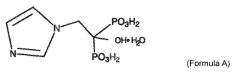
- Poly(ethylene carbonate) (PEC) nanoparticles are developed, which exhibit improved physical, chemical, and biological stability, reducing phagocytosis rates and allowing for controlled or sustained release of pharmacologically active agents, making them suitable for use as a parenteral depot for extended drug release.



Regulatory Framework for Nanomedicine Approval
The regulatory landscape for nanomedicine approval presents significant complexity due to the unique properties of polymeric nanoparticles in drug delivery systems. Currently, the FDA, EMA, and other global regulatory bodies have established frameworks that attempt to address the novel challenges posed by nanoscale drug delivery technologies, though these frameworks continue to evolve as scientific understanding advances.
In the United States, the FDA evaluates nanomedicines through existing regulatory pathways, primarily under the Center for Drug Evaluation and Research (CDER) or the Center for Biologics Evaluation and Research (CBER). However, polymeric nanoparticle-based drugs often require additional characterization data beyond conventional pharmaceuticals, including detailed particle size distribution, surface properties, drug loading efficiency, and release kinetics.
The European Medicines Agency has developed specific guidelines for nanomedicines through its Nanomedicines Expert Group, emphasizing the importance of physicochemical characterization and stability assessment. These guidelines recognize that polymeric nanoparticles may exhibit unique biodistribution patterns and toxicity profiles compared to conventional drug formulations.
International harmonization efforts through the International Council for Harmonisation of Technical Requirements for Pharmaceuticals for Human Use (ICH) have begun addressing nanomedicine-specific considerations, though significant gaps remain. The lack of standardized testing protocols specifically designed for polymeric nanoparticles creates challenges for developers seeking multinational approvals.
Regulatory requirements typically include comprehensive preclinical testing focused on biodistribution, pharmacokinetics, and toxicology specific to nanoformulations. These studies must address concerns about potential accumulation in non-target tissues, immune system interactions, and long-term safety profiles that may differ from conventional drug formulations.
Clinical trial designs for polymeric nanoparticle-based drugs often require modified approaches to assess both safety and efficacy endpoints. Regulatory agencies increasingly request bioequivalence studies that account for the unique properties of nanoformulations when comparing to conventional drug delivery systems.
Post-market surveillance requirements for nanomedicines are typically more stringent, with regulatory bodies requiring robust risk management plans and ongoing safety monitoring. This reflects the relatively limited long-term safety data available for many polymeric nanoparticle platforms in clinical use.
Emerging regulatory trends include the development of "regulatory science" initiatives focused specifically on nanomedicine characterization methods, predictive toxicology models, and standardized testing protocols. These efforts aim to create more efficient and predictable approval pathways while maintaining rigorous safety standards for this rapidly evolving technology.
In the United States, the FDA evaluates nanomedicines through existing regulatory pathways, primarily under the Center for Drug Evaluation and Research (CDER) or the Center for Biologics Evaluation and Research (CBER). However, polymeric nanoparticle-based drugs often require additional characterization data beyond conventional pharmaceuticals, including detailed particle size distribution, surface properties, drug loading efficiency, and release kinetics.
The European Medicines Agency has developed specific guidelines for nanomedicines through its Nanomedicines Expert Group, emphasizing the importance of physicochemical characterization and stability assessment. These guidelines recognize that polymeric nanoparticles may exhibit unique biodistribution patterns and toxicity profiles compared to conventional drug formulations.
International harmonization efforts through the International Council for Harmonisation of Technical Requirements for Pharmaceuticals for Human Use (ICH) have begun addressing nanomedicine-specific considerations, though significant gaps remain. The lack of standardized testing protocols specifically designed for polymeric nanoparticles creates challenges for developers seeking multinational approvals.
Regulatory requirements typically include comprehensive preclinical testing focused on biodistribution, pharmacokinetics, and toxicology specific to nanoformulations. These studies must address concerns about potential accumulation in non-target tissues, immune system interactions, and long-term safety profiles that may differ from conventional drug formulations.
Clinical trial designs for polymeric nanoparticle-based drugs often require modified approaches to assess both safety and efficacy endpoints. Regulatory agencies increasingly request bioequivalence studies that account for the unique properties of nanoformulations when comparing to conventional drug delivery systems.
Post-market surveillance requirements for nanomedicines are typically more stringent, with regulatory bodies requiring robust risk management plans and ongoing safety monitoring. This reflects the relatively limited long-term safety data available for many polymeric nanoparticle platforms in clinical use.
Emerging regulatory trends include the development of "regulatory science" initiatives focused specifically on nanomedicine characterization methods, predictive toxicology models, and standardized testing protocols. These efforts aim to create more efficient and predictable approval pathways while maintaining rigorous safety standards for this rapidly evolving technology.
Biocompatibility and Toxicity Considerations
The biocompatibility and toxicity profile of polymeric nanoparticles represents a critical consideration in their application for drug delivery systems. Despite their promising therapeutic potential, these nanocarriers must undergo rigorous safety assessments before clinical translation. Current research indicates that the biocompatibility of polymeric nanoparticles is influenced by multiple physicochemical properties including size, shape, surface charge, and chemical composition.
Surface characteristics particularly affect the interaction between nanoparticles and biological systems. Positively charged particles typically demonstrate higher cellular uptake but may induce greater cytotoxicity compared to neutral or negatively charged counterparts. PEGylation (coating with polyethylene glycol) has emerged as a standard approach to reduce immunogenicity and extend circulation time, though recent studies have identified anti-PEG antibodies in some patients, suggesting potential limitations to this strategy.
Biodegradable polymers such as poly(lactic-co-glycolic acid) (PLGA), polycaprolactone (PCL), and chitosan generally exhibit favorable safety profiles as they degrade into non-toxic metabolites. However, the degradation products and their concentration can still trigger inflammatory responses in certain contexts. Non-biodegradable polymers present additional concerns regarding long-term accumulation in tissues and potential chronic toxicity.
The route of administration significantly impacts the toxicity profile of polymeric nanoparticles. Intravenously administered particles face immediate interaction with blood components, potentially triggering complement activation or platelet aggregation. Orally delivered nanoparticles must withstand the harsh gastrointestinal environment while demonstrating minimal disruption to the gut microbiome and intestinal barrier function.
Regulatory frameworks for nanoparticle safety assessment continue to evolve, with organizations such as the FDA and EMA developing specialized guidelines. Current evaluation protocols typically include in vitro cytotoxicity assays, hemolysis testing, immunological response assessment, and in vivo biodistribution studies. Advanced techniques such as transcriptomics and proteomics are increasingly employed to detect subtle biological perturbations that might not be apparent in conventional toxicity assays.
Long-term effects remain a significant knowledge gap in the field. While acute toxicity can be readily assessed, the consequences of repeated administration or chronic exposure to polymeric nanoparticles are less understood. Recent studies suggest potential accumulation in secondary lymphoid organs and the potential for inducing autoimmune responses under specific conditions.
Industry-academia collaborations have accelerated the development of standardized testing protocols and predictive models for nanoparticle toxicity. These efforts aim to establish reliable in vitro-in vivo correlations and reduce the reliance on animal testing through advanced cell culture models and computational approaches that can predict biocompatibility issues earlier in the development pipeline.
Surface characteristics particularly affect the interaction between nanoparticles and biological systems. Positively charged particles typically demonstrate higher cellular uptake but may induce greater cytotoxicity compared to neutral or negatively charged counterparts. PEGylation (coating with polyethylene glycol) has emerged as a standard approach to reduce immunogenicity and extend circulation time, though recent studies have identified anti-PEG antibodies in some patients, suggesting potential limitations to this strategy.
Biodegradable polymers such as poly(lactic-co-glycolic acid) (PLGA), polycaprolactone (PCL), and chitosan generally exhibit favorable safety profiles as they degrade into non-toxic metabolites. However, the degradation products and their concentration can still trigger inflammatory responses in certain contexts. Non-biodegradable polymers present additional concerns regarding long-term accumulation in tissues and potential chronic toxicity.
The route of administration significantly impacts the toxicity profile of polymeric nanoparticles. Intravenously administered particles face immediate interaction with blood components, potentially triggering complement activation or platelet aggregation. Orally delivered nanoparticles must withstand the harsh gastrointestinal environment while demonstrating minimal disruption to the gut microbiome and intestinal barrier function.
Regulatory frameworks for nanoparticle safety assessment continue to evolve, with organizations such as the FDA and EMA developing specialized guidelines. Current evaluation protocols typically include in vitro cytotoxicity assays, hemolysis testing, immunological response assessment, and in vivo biodistribution studies. Advanced techniques such as transcriptomics and proteomics are increasingly employed to detect subtle biological perturbations that might not be apparent in conventional toxicity assays.
Long-term effects remain a significant knowledge gap in the field. While acute toxicity can be readily assessed, the consequences of repeated administration or chronic exposure to polymeric nanoparticles are less understood. Recent studies suggest potential accumulation in secondary lymphoid organs and the potential for inducing autoimmune responses under specific conditions.
Industry-academia collaborations have accelerated the development of standardized testing protocols and predictive models for nanoparticle toxicity. These efforts aim to establish reliable in vitro-in vivo correlations and reduce the reliance on animal testing through advanced cell culture models and computational approaches that can predict biocompatibility issues earlier in the development pipeline.
Unlock deeper insights with Patsnap Eureka Quick Research — get a full tech report to explore trends and direct your research. Try now!
Generate Your Research Report Instantly with AI Agent
Supercharge your innovation with Patsnap Eureka AI Agent Platform!