

Customizing cell-free systems for specific biosynthetic applications.
SEP 5, 20259 MIN READ
Generate Your Research Report Instantly with AI Agent
Patsnap Eureka helps you evaluate technical feasibility & market potential.
Cell-Free Systems Background and Objectives
Cell-free systems represent a revolutionary approach in synthetic biology, emerging from the pioneering work of Nirenberg and Matthaei in the 1960s who utilized cell extracts to decipher the genetic code. These systems have evolved from simple transcription-translation platforms to sophisticated biosynthetic tools capable of producing complex molecules without the constraints of cellular viability.
The fundamental principle of cell-free systems involves extracting the cellular machinery necessary for protein synthesis and metabolic processes while eliminating cellular components that might interfere with desired reactions. This creates a controlled environment where biochemical processes can be manipulated with unprecedented precision, offering advantages over traditional whole-cell systems including rapid prototyping, direct access to reaction components, and elimination of growth-related constraints.
Recent technological advancements have significantly expanded the capabilities of cell-free systems. The development of continuous exchange cell-free (CECF) systems has extended reaction durations from hours to days, while improvements in extract preparation methods have enhanced protein yields by orders of magnitude. Additionally, the integration of non-natural amino acids and engineered ribosomes has broadened the chemical diversity achievable in these systems.
The primary objective of customizing cell-free systems for specific biosynthetic applications is to develop tailored platforms that optimize the production of target compounds with high efficiency and specificity. This involves engineering the biochemical environment to channel metabolic flux toward desired pathways while minimizing competing reactions, ultimately creating specialized "biofactories" for various applications.
Current research aims to address several key challenges, including extending reaction longevity, improving energy regeneration systems, enhancing protein folding capabilities, and developing standardized protocols for extract preparation. The field is moving toward creating modular, plug-and-play cell-free systems that can be rapidly configured for diverse applications ranging from therapeutic protein production to biofuel synthesis.
The trajectory of cell-free technology indicates a convergence with other cutting-edge fields such as microfluidics, artificial intelligence, and materials science. This integration promises to yield sophisticated biosynthetic platforms capable of producing complex molecules with unprecedented precision and efficiency, potentially revolutionizing industries from pharmaceuticals to sustainable materials manufacturing.
As we advance in this field, the ultimate goal remains creating highly customizable, efficient biosynthetic platforms that can address global challenges in healthcare, energy, and environmental sustainability through the precise manipulation of biological processes outside the constraints of living cells.
The fundamental principle of cell-free systems involves extracting the cellular machinery necessary for protein synthesis and metabolic processes while eliminating cellular components that might interfere with desired reactions. This creates a controlled environment where biochemical processes can be manipulated with unprecedented precision, offering advantages over traditional whole-cell systems including rapid prototyping, direct access to reaction components, and elimination of growth-related constraints.
Recent technological advancements have significantly expanded the capabilities of cell-free systems. The development of continuous exchange cell-free (CECF) systems has extended reaction durations from hours to days, while improvements in extract preparation methods have enhanced protein yields by orders of magnitude. Additionally, the integration of non-natural amino acids and engineered ribosomes has broadened the chemical diversity achievable in these systems.
The primary objective of customizing cell-free systems for specific biosynthetic applications is to develop tailored platforms that optimize the production of target compounds with high efficiency and specificity. This involves engineering the biochemical environment to channel metabolic flux toward desired pathways while minimizing competing reactions, ultimately creating specialized "biofactories" for various applications.
Current research aims to address several key challenges, including extending reaction longevity, improving energy regeneration systems, enhancing protein folding capabilities, and developing standardized protocols for extract preparation. The field is moving toward creating modular, plug-and-play cell-free systems that can be rapidly configured for diverse applications ranging from therapeutic protein production to biofuel synthesis.
The trajectory of cell-free technology indicates a convergence with other cutting-edge fields such as microfluidics, artificial intelligence, and materials science. This integration promises to yield sophisticated biosynthetic platforms capable of producing complex molecules with unprecedented precision and efficiency, potentially revolutionizing industries from pharmaceuticals to sustainable materials manufacturing.
As we advance in this field, the ultimate goal remains creating highly customizable, efficient biosynthetic platforms that can address global challenges in healthcare, energy, and environmental sustainability through the precise manipulation of biological processes outside the constraints of living cells.
Market Analysis for Cell-Free Biosynthesis Applications
The global market for cell-free biosynthesis applications is experiencing robust growth, driven by increasing demand for sustainable biomanufacturing solutions across multiple industries. Current market valuations indicate that the cell-free protein synthesis segment alone reached approximately $208 million in 2022, with projections suggesting a compound annual growth rate (CAGR) of 7.5% through 2030.
Pharmaceutical and biotechnology sectors represent the largest market segments, accounting for nearly 45% of current applications. These industries leverage cell-free systems primarily for rapid protein production, vaccine development, and therapeutic antibody manufacturing. The COVID-19 pandemic significantly accelerated adoption in this sector, as cell-free platforms demonstrated unprecedented speed in diagnostic and therapeutic development.
Industrial biotechnology presents the fastest-growing application segment, with particular emphasis on enzyme production for biocatalysis and specialty chemical synthesis. Market research indicates that companies are increasingly turning to cell-free systems to overcome traditional fermentation limitations, particularly for products that are toxic to living cells or require precise control of reaction conditions.
Regional analysis reveals North America dominates the current market landscape with approximately 40% market share, followed by Europe (30%) and Asia-Pacific (25%). However, the Asia-Pacific region is expected to witness the highest growth rate over the next five years due to increasing biotechnology investments in China, Japan, and South Korea.
Consumer demand trends strongly favor sustainable and environmentally friendly production methods, creating significant market pull for cell-free biosynthesis technologies. The reduced environmental footprint compared to traditional manufacturing processes represents a key market driver, particularly as regulatory frameworks increasingly incentivize green chemistry approaches.
Market barriers include high initial development costs, scalability challenges, and competition from established fermentation technologies. The average cost of implementing industrial-scale cell-free production remains 30-40% higher than conventional methods, though this gap is narrowing as technologies mature and economies of scale develop.
Emerging market opportunities include personalized medicine applications, point-of-care diagnostics, and distributed manufacturing models. The ability to freeze-dry cell-free systems for ambient storage and transportation is opening new markets in resource-limited settings and field applications where cold chain infrastructure is unavailable.
Pharmaceutical and biotechnology sectors represent the largest market segments, accounting for nearly 45% of current applications. These industries leverage cell-free systems primarily for rapid protein production, vaccine development, and therapeutic antibody manufacturing. The COVID-19 pandemic significantly accelerated adoption in this sector, as cell-free platforms demonstrated unprecedented speed in diagnostic and therapeutic development.
Industrial biotechnology presents the fastest-growing application segment, with particular emphasis on enzyme production for biocatalysis and specialty chemical synthesis. Market research indicates that companies are increasingly turning to cell-free systems to overcome traditional fermentation limitations, particularly for products that are toxic to living cells or require precise control of reaction conditions.
Regional analysis reveals North America dominates the current market landscape with approximately 40% market share, followed by Europe (30%) and Asia-Pacific (25%). However, the Asia-Pacific region is expected to witness the highest growth rate over the next five years due to increasing biotechnology investments in China, Japan, and South Korea.
Consumer demand trends strongly favor sustainable and environmentally friendly production methods, creating significant market pull for cell-free biosynthesis technologies. The reduced environmental footprint compared to traditional manufacturing processes represents a key market driver, particularly as regulatory frameworks increasingly incentivize green chemistry approaches.
Market barriers include high initial development costs, scalability challenges, and competition from established fermentation technologies. The average cost of implementing industrial-scale cell-free production remains 30-40% higher than conventional methods, though this gap is narrowing as technologies mature and economies of scale develop.
Emerging market opportunities include personalized medicine applications, point-of-care diagnostics, and distributed manufacturing models. The ability to freeze-dry cell-free systems for ambient storage and transportation is opening new markets in resource-limited settings and field applications where cold chain infrastructure is unavailable.
Current Challenges in Cell-Free System Customization
Despite significant advancements in cell-free systems (CFS) for biosynthetic applications, several critical challenges continue to impede their widespread industrial adoption and optimization. One fundamental obstacle is the limited stability of cell-free reaction components, particularly enzymes and cofactors, which typically maintain activity for only 8-10 hours under standard conditions. This temporal constraint significantly restricts production yields and economic viability for commercial applications.
Extract preparation standardization presents another major hurdle, as current methodologies produce considerable batch-to-batch variation. This inconsistency undermines reproducibility and scalability, with studies reporting performance variations exceeding 40% between ostensibly identical preparations. The absence of universally accepted protocols further exacerbates this challenge, creating barriers to knowledge transfer and comparative analysis across research groups.
Energy regeneration systems represent a persistent bottleneck in CFS customization. Current approaches rely heavily on expensive high-energy compounds like phosphoenolpyruvate or creatine phosphate, substantially increasing production costs. Alternative energy regeneration pathways often introduce byproducts that inhibit desired reactions, creating a complex optimization problem that varies significantly between target products.
The translation of laboratory-scale CFS to industrial production environments faces substantial engineering challenges. Reaction volumes must increase by several orders of magnitude while maintaining performance parameters, requiring sophisticated mixing strategies and temperature control systems that do not disrupt delicate biochemical equilibria.
Regulatory and quality control frameworks for CFS-derived products remain underdeveloped, particularly for therapeutic applications. The complex and variable nature of cell extracts complicates the establishment of consistent quality standards and regulatory approval pathways, creating uncertainty for commercial development.
Post-translational modifications (PTMs) present specific difficulties in CFS customization. While prokaryotic systems offer simplicity and robust protein expression, they typically lack the machinery for complex PTMs essential for many eukaryotic proteins. Conversely, eukaryotic extracts capable of performing PTMs suffer from lower yields and higher preparation complexity.
Computational modeling tools for predicting CFS performance remain in nascent stages. Current models struggle to account for the myriad interactions in these complex biochemical environments, limiting rational design approaches for novel applications. The integration of machine learning approaches shows promise but requires substantially more experimental data than currently available.
Extract preparation standardization presents another major hurdle, as current methodologies produce considerable batch-to-batch variation. This inconsistency undermines reproducibility and scalability, with studies reporting performance variations exceeding 40% between ostensibly identical preparations. The absence of universally accepted protocols further exacerbates this challenge, creating barriers to knowledge transfer and comparative analysis across research groups.
Energy regeneration systems represent a persistent bottleneck in CFS customization. Current approaches rely heavily on expensive high-energy compounds like phosphoenolpyruvate or creatine phosphate, substantially increasing production costs. Alternative energy regeneration pathways often introduce byproducts that inhibit desired reactions, creating a complex optimization problem that varies significantly between target products.
The translation of laboratory-scale CFS to industrial production environments faces substantial engineering challenges. Reaction volumes must increase by several orders of magnitude while maintaining performance parameters, requiring sophisticated mixing strategies and temperature control systems that do not disrupt delicate biochemical equilibria.
Regulatory and quality control frameworks for CFS-derived products remain underdeveloped, particularly for therapeutic applications. The complex and variable nature of cell extracts complicates the establishment of consistent quality standards and regulatory approval pathways, creating uncertainty for commercial development.
Post-translational modifications (PTMs) present specific difficulties in CFS customization. While prokaryotic systems offer simplicity and robust protein expression, they typically lack the machinery for complex PTMs essential for many eukaryotic proteins. Conversely, eukaryotic extracts capable of performing PTMs suffer from lower yields and higher preparation complexity.
Computational modeling tools for predicting CFS performance remain in nascent stages. Current models struggle to account for the myriad interactions in these complex biochemical environments, limiting rational design approaches for novel applications. The integration of machine learning approaches shows promise but requires substantially more experimental data than currently available.
Current Approaches to Cell-Free System Engineering
01 Cell-free system architecture customization
Cell-free systems can be customized through architectural modifications that optimize performance and efficiency. These systems allow for flexible deployment without the constraints of traditional cellular infrastructure. The architecture can be tailored to specific application requirements, enabling dynamic resource allocation and improved system responsiveness. Customization at the architectural level provides a foundation for specialized implementations across various domains.- Cell-free system architecture customization: Cell-free systems can be customized through architectural modifications to meet specific requirements. These systems allow for flexible deployment without the constraints of traditional cellular infrastructure. The architecture can be tailored to optimize coverage, capacity, and performance based on user needs. This approach enables more efficient resource allocation and improved system responsiveness in various deployment scenarios.
- Software-defined customization for cell-free systems: Software-defined approaches enable dynamic customization of cell-free systems. Through programmable interfaces and virtualization technologies, these systems can be reconfigured without hardware modifications. This allows for rapid adaptation to changing requirements, implementation of new features, and optimization of system performance. The software-defined nature facilitates remote management and updates, reducing operational complexity.
- User-specific customization in cell-free environments: Cell-free systems can be customized to provide personalized experiences for individual users. These customizations include user interface adaptations, preference-based service delivery, and context-aware functionality. By analyzing user behavior and requirements, the system can automatically adjust its operation to better serve specific needs. This approach enhances user satisfaction while optimizing resource utilization across the distributed system.
- Security and privacy customization for cell-free systems: Cell-free systems can be customized with various security and privacy features to protect data and communications. These customizations include encryption protocols, access control mechanisms, and privacy-preserving techniques tailored to specific deployment scenarios. The distributed nature of cell-free systems requires specialized security approaches that can be adapted based on threat models and compliance requirements.
- Resource allocation customization in cell-free deployments: Cell-free systems can be customized to optimize resource allocation across distributed access points. These customizations include dynamic spectrum management, computational resource distribution, and power allocation strategies. By tailoring resource allocation algorithms to specific deployment scenarios, cell-free systems can achieve improved efficiency, reduced latency, and enhanced quality of service for users throughout the coverage area.
02 Software-defined cell-free systems
Software-defined approaches enable highly customizable cell-free systems through programmable interfaces and virtualization. These systems leverage software control layers to abstract hardware complexities and provide flexible configuration options. By implementing software-defined protocols, cell-free systems can be dynamically adjusted to meet changing requirements without physical modifications. This approach supports rapid deployment of new features and facilitates integration with existing infrastructure.Expand Specific Solutions03 Cell-free system security customization
Security frameworks for cell-free systems can be customized to address specific threat models and compliance requirements. These customizations include authentication mechanisms, encryption protocols, and access control systems tailored to the operational environment. By implementing adjustable security parameters, cell-free systems can balance protection with performance needs. Advanced security customization enables deployment in sensitive applications while maintaining system integrity and data confidentiality.Expand Specific Solutions04 User interface customization for cell-free systems
Cell-free systems can feature customizable user interfaces that adapt to different user needs and preferences. These interfaces provide configurable dashboards, controls, and visualization tools that enhance user experience and operational efficiency. Customization options include personalized layouts, accessibility features, and context-aware displays that present relevant information based on user roles or tasks. Advanced interface customization supports more intuitive interaction with complex cell-free system functionalities.Expand Specific Solutions05 Resource management in customizable cell-free systems
Cell-free systems incorporate customizable resource management mechanisms that optimize allocation of processing power, memory, and bandwidth. These systems can be configured to prioritize specific workloads or applications based on operational requirements. Dynamic resource allocation enables efficient utilization of system capabilities while maintaining performance under varying conditions. Customization options include adjustable quality of service parameters, load balancing configurations, and power management profiles that extend system capabilities.Expand Specific Solutions
Leading Organizations in Cell-Free Technology Development
The cell-free biosynthesis market is currently in a growth phase, characterized by increasing adoption across pharmaceutical, biotechnology, and research sectors. The global market size for cell-free protein synthesis is projected to expand significantly, driven by applications in personalized medicine, vaccine development, and synthetic biology. Technologically, the field is advancing from proof-of-concept to commercial applications, with key players demonstrating varying levels of maturity. Leading academic institutions (MIT, Harvard, Cornell, Northwestern) are pioneering fundamental research, while specialized companies like GreenLight Biosciences, Cellfree Sciences, and Kangma Biological Technology are commercializing applications. Chinese institutions (Tsinghua, ShanghaiTech) and European organizations (Fraunhofer-Gesellschaft) are also making significant contributions, indicating a globally competitive landscape with opportunities for customized biosynthetic solutions.
GreenLight Biosciences, Inc.
Technical Solution: GreenLight Biosciences has developed a proprietary cell-free bioprocessing platform specifically designed for RNA production and other biosynthetic applications. Their technology utilizes optimized cell extracts with enhanced transcription and translation machinery for high-yield production of biological molecules. The company's platform features a continuous-flow bioreactor system that addresses traditional limitations of batch-based cell-free systems, enabling longer reaction times and improved resource utilization[2]. GreenLight's approach incorporates computational modeling to predict and optimize reaction conditions for specific target molecules, allowing rapid customization for different biosynthetic applications. Their system has been successfully scaled to commercial production levels, particularly for RNA-based products including vaccines and agricultural solutions, demonstrating the industrial viability of their cell-free technology. The platform also incorporates proprietary energy regeneration systems that significantly extend reaction lifetimes compared to conventional cell-free approaches.
Strengths: Highly scalable production system that bridges laboratory and industrial scales; specialized expertise in RNA synthesis with demonstrated commercial applications; proprietary continuous-flow technology extending reaction lifetimes. Weaknesses: Technology may be more specialized toward RNA production than other biosynthetic applications; higher initial capital investment requirements compared to traditional fermentation; potential intellectual property constraints limiting certain applications.
Massachusetts Institute of Technology
Technical Solution: MIT has pioneered cell-free protein synthesis (CFPS) platforms specifically engineered for biosynthetic applications. Their approach involves creating highly optimized cell extracts from E. coli and other organisms with enhanced energy regeneration systems. MIT researchers have developed the PURE (Protein synthesis Using Recombinant Elements) system, which uses purified components rather than crude cell extracts, allowing precise control over reaction conditions. They've also implemented innovative techniques for incorporating non-standard amino acids and creating artificial genetic circuits in cell-free environments. MIT's technology enables rapid prototyping of metabolic pathways by expressing multiple enzymes simultaneously in a controlled environment, significantly accelerating the design-build-test cycle for biosynthetic applications[1][3]. Their systems have been successfully applied to produce therapeutic proteins, biofuels, and fine chemicals with yields approaching industrial relevance.
Strengths: Exceptional control over reaction components allowing precise engineering of biosynthetic pathways; rapid prototyping capabilities reducing development time from months to days; ability to produce toxic compounds that would inhibit living cells. Weaknesses: Higher production costs compared to whole-cell systems; limited scalability for industrial production; shorter reaction lifetimes requiring optimization of energy regeneration systems.
Key Innovations in Extract Preparation and Optimization
Methods and Apparatus for Cell-Free Microfluidic-Assisted Biosynthesis
PatentInactiveUS20220169995A1
Innovation
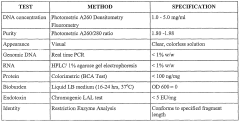
- A trans-disciplinary approach combining a cell-free transcription-translation (TX-TL) tool with a novel gene expression library and modular, generalizable microfluidic architectures, allowing for rapid design-build-test cycles and systematic searches through gene sets to optimize biosynthesis conditions.


Cell-free biosynthesis of nucleic acid
PatentWO2007018744A2
Innovation
- A cell-free system for nucleic acid production using high-fidelity polymerases and streamlined expression cassettes, which minimizes bacterial contaminants and toxins, allowing for efficient and affordable large-scale production of high-quality nucleic acids with reduced purification needs.
Regulatory Framework for Cell-Free Bioproduction
The regulatory landscape for cell-free bioproduction systems presents a complex and evolving framework that differs significantly from traditional biotechnology regulations. Currently, cell-free systems occupy a regulatory gray area between chemical manufacturing processes and traditional biotechnology, creating challenges for industry adoption and commercialization.
In the United States, the FDA, EPA, and USDA share oversight responsibilities depending on the specific application and end product. Cell-free systems used for pharmaceutical production generally fall under FDA jurisdiction through its Biologics License Application (BLA) pathway, though simplified compared to cell-based systems due to reduced concerns about living organisms. For industrial applications, the EPA regulates under the Toxic Substances Control Act (TSCA), with cell-free systems potentially qualifying for expedited review processes.
The European Union approaches regulation through the European Medicines Agency (EMA) for pharmaceutical applications and REACH (Registration, Evaluation, Authorization and Restriction of Chemicals) for industrial chemicals. The EU has begun developing specific guidance for cell-free technologies, recognizing their unique position between chemical and biological processes.
Intellectual property protection represents another critical regulatory consideration. Patent landscapes for cell-free systems remain relatively open compared to traditional biotechnology, though key process components and applications are increasingly being protected. Companies must navigate complex IP strategies involving both process patents and application-specific patents.
Standardization efforts are emerging as crucial for regulatory advancement. Organizations like the International Organization for Standardization (ISO) and industry consortia are developing technical standards for cell-free components, reaction conditions, and quality control metrics. These standards aim to facilitate regulatory compliance and technology transfer across different applications.
Risk assessment frameworks for cell-free systems are being adapted from both chemical manufacturing and biotechnology sectors. Regulators increasingly recognize that cell-free systems present reduced biosafety concerns compared to living organisms, potentially allowing for less stringent containment requirements and simplified environmental impact assessments.
Looking forward, regulatory harmonization across different jurisdictions represents a major challenge and opportunity. International coordination through organizations like the International Council for Harmonisation (ICH) could streamline approval processes and reduce regulatory burdens for developers of cell-free technologies, accelerating commercialization timelines and expanding market access.
In the United States, the FDA, EPA, and USDA share oversight responsibilities depending on the specific application and end product. Cell-free systems used for pharmaceutical production generally fall under FDA jurisdiction through its Biologics License Application (BLA) pathway, though simplified compared to cell-based systems due to reduced concerns about living organisms. For industrial applications, the EPA regulates under the Toxic Substances Control Act (TSCA), with cell-free systems potentially qualifying for expedited review processes.
The European Union approaches regulation through the European Medicines Agency (EMA) for pharmaceutical applications and REACH (Registration, Evaluation, Authorization and Restriction of Chemicals) for industrial chemicals. The EU has begun developing specific guidance for cell-free technologies, recognizing their unique position between chemical and biological processes.
Intellectual property protection represents another critical regulatory consideration. Patent landscapes for cell-free systems remain relatively open compared to traditional biotechnology, though key process components and applications are increasingly being protected. Companies must navigate complex IP strategies involving both process patents and application-specific patents.
Standardization efforts are emerging as crucial for regulatory advancement. Organizations like the International Organization for Standardization (ISO) and industry consortia are developing technical standards for cell-free components, reaction conditions, and quality control metrics. These standards aim to facilitate regulatory compliance and technology transfer across different applications.
Risk assessment frameworks for cell-free systems are being adapted from both chemical manufacturing and biotechnology sectors. Regulators increasingly recognize that cell-free systems present reduced biosafety concerns compared to living organisms, potentially allowing for less stringent containment requirements and simplified environmental impact assessments.
Looking forward, regulatory harmonization across different jurisdictions represents a major challenge and opportunity. International coordination through organizations like the International Council for Harmonisation (ICH) could streamline approval processes and reduce regulatory burdens for developers of cell-free technologies, accelerating commercialization timelines and expanding market access.
Scalability and Economic Viability Assessment
The scalability of cell-free systems represents a critical factor in their transition from laboratory research tools to industrial-scale biosynthetic platforms. Current cell-free systems typically operate at milliliter scales, which poses significant challenges for commercial applications requiring kilogram or ton-scale production. The economic viability of scaled-up cell-free processes depends on several interconnected factors that must be systematically addressed.
Extract preparation constitutes approximately 60% of the total production costs in cell-free systems. Traditional methods involving sonication or high-pressure homogenization are energy-intensive and difficult to scale. Recent advances in continuous-flow cell disruption technologies have demonstrated promising results, potentially reducing extract preparation costs by 30-40% at larger scales. Additionally, the development of streamlined extract preparation protocols that eliminate ultracentrifugation steps has further improved economic feasibility.
Reaction components represent another major cost driver. The high prices of nucleoside triphosphates (NTPs) and other energy sources have historically limited industrial adoption. Engineering alternative energy regeneration pathways using cheaper substrates like glucose or pyruvate has shown potential to reduce energy-related costs by up to 70%. Similarly, innovations in cell-free protein synthesis (CFPS) systems that recycle tRNAs and optimize amino acid usage have demonstrated significant cost reductions in pilot-scale implementations.
Stability and operational lifetime present additional challenges to economic viability. Most cell-free systems maintain optimal activity for only 8-12 hours, necessitating batch processing rather than continuous production. Recent research incorporating enzyme stabilization techniques and semi-continuous reaction formats has extended productive lifetimes to 24-48 hours, substantially improving volumetric productivity and economic returns.
Process integration and downstream processing efficiency also significantly impact overall economics. The development of integrated platforms that combine cell-free biosynthesis with in-line product separation has demonstrated 2-3 fold improvements in yield and purity while reducing purification costs. These integrated approaches show particular promise for high-value pharmaceutical and specialty chemical applications.
Market analysis indicates that cell-free systems currently remain most economically viable for high-value, low-volume products such as personalized medicines, complex proteins, and specialty chemicals. However, techno-economic modeling suggests that with continued optimization of extract preparation, energy systems, and reaction longevity, cell-free platforms could become competitive for medium-value chemicals ($50-200/kg) within the next 5-7 years, representing a significant expansion of their commercial potential.
Extract preparation constitutes approximately 60% of the total production costs in cell-free systems. Traditional methods involving sonication or high-pressure homogenization are energy-intensive and difficult to scale. Recent advances in continuous-flow cell disruption technologies have demonstrated promising results, potentially reducing extract preparation costs by 30-40% at larger scales. Additionally, the development of streamlined extract preparation protocols that eliminate ultracentrifugation steps has further improved economic feasibility.
Reaction components represent another major cost driver. The high prices of nucleoside triphosphates (NTPs) and other energy sources have historically limited industrial adoption. Engineering alternative energy regeneration pathways using cheaper substrates like glucose or pyruvate has shown potential to reduce energy-related costs by up to 70%. Similarly, innovations in cell-free protein synthesis (CFPS) systems that recycle tRNAs and optimize amino acid usage have demonstrated significant cost reductions in pilot-scale implementations.
Stability and operational lifetime present additional challenges to economic viability. Most cell-free systems maintain optimal activity for only 8-12 hours, necessitating batch processing rather than continuous production. Recent research incorporating enzyme stabilization techniques and semi-continuous reaction formats has extended productive lifetimes to 24-48 hours, substantially improving volumetric productivity and economic returns.
Process integration and downstream processing efficiency also significantly impact overall economics. The development of integrated platforms that combine cell-free biosynthesis with in-line product separation has demonstrated 2-3 fold improvements in yield and purity while reducing purification costs. These integrated approaches show particular promise for high-value pharmaceutical and specialty chemical applications.
Market analysis indicates that cell-free systems currently remain most economically viable for high-value, low-volume products such as personalized medicines, complex proteins, and specialty chemicals. However, techno-economic modeling suggests that with continued optimization of extract preparation, energy systems, and reaction longevity, cell-free platforms could become competitive for medium-value chemicals ($50-200/kg) within the next 5-7 years, representing a significant expansion of their commercial potential.
Unlock deeper insights with Patsnap Eureka Quick Research — get a full tech report to explore trends and direct your research. Try now!
Generate Your Research Report Instantly with AI Agent
Supercharge your innovation with Patsnap Eureka AI Agent Platform!