
Electroporation vs Lipofection: Efficiency And Viability Benchmarks
AUG 21, 20259 MIN READ
Generate Your Research Report Instantly with AI Agent
Patsnap Eureka helps you evaluate technical feasibility & market potential.
Gene Delivery Background
Gene delivery is a fundamental technique in molecular biology and biotechnology, enabling the introduction of foreign genetic material into cells for various research and therapeutic applications. This process has evolved significantly over the past few decades, driven by the need for more efficient and less toxic methods of transferring genes into target cells.
The field of gene delivery emerged in the 1960s with the discovery of DNA transfection techniques. Initially, chemical methods such as calcium phosphate precipitation were used to introduce DNA into cells. These early approaches, while groundbreaking, were limited in their efficiency and applicability across different cell types.
As research progressed, viral vectors became a prominent tool for gene delivery due to their natural ability to infect cells and deliver genetic material. Retroviruses, adenoviruses, and adeno-associated viruses (AAVs) were among the first viral vectors developed for this purpose. These viral systems offered higher transduction efficiencies compared to chemical methods but raised concerns about safety and immune responses.
In parallel with viral vector development, non-viral gene delivery methods continued to advance. The 1980s saw the introduction of lipid-based transfection reagents, marking the beginning of lipofection techniques. These methods utilize cationic lipids to form complexes with negatively charged DNA, facilitating cellular uptake through endocytosis.
Electroporation, another non-viral method, gained prominence in the 1990s. This technique uses electrical pulses to create temporary pores in cell membranes, allowing DNA to enter the cell. Electroporation offered a physical approach to gene delivery, distinct from chemical or biological methods.
The development of these diverse gene delivery techniques has been driven by the need to overcome various challenges, including low transfection efficiency, cytotoxicity, and limited applicability across different cell types and in vivo systems. Each method has its own set of advantages and limitations, leading to ongoing research and optimization efforts.
In recent years, the focus has shifted towards developing more targeted and efficient gene delivery systems. This includes the exploration of cell-specific promoters, the use of nanoparticles for improved cellular uptake, and the development of hybrid systems that combine the benefits of different delivery methods.
The evolution of gene delivery techniques has been closely tied to advancements in genetic engineering and molecular biology. The ability to efficiently introduce genes into cells has been crucial for studying gene function, developing gene therapies, and creating genetically modified organisms for research and biotechnology applications.
The field of gene delivery emerged in the 1960s with the discovery of DNA transfection techniques. Initially, chemical methods such as calcium phosphate precipitation were used to introduce DNA into cells. These early approaches, while groundbreaking, were limited in their efficiency and applicability across different cell types.
As research progressed, viral vectors became a prominent tool for gene delivery due to their natural ability to infect cells and deliver genetic material. Retroviruses, adenoviruses, and adeno-associated viruses (AAVs) were among the first viral vectors developed for this purpose. These viral systems offered higher transduction efficiencies compared to chemical methods but raised concerns about safety and immune responses.
In parallel with viral vector development, non-viral gene delivery methods continued to advance. The 1980s saw the introduction of lipid-based transfection reagents, marking the beginning of lipofection techniques. These methods utilize cationic lipids to form complexes with negatively charged DNA, facilitating cellular uptake through endocytosis.
Electroporation, another non-viral method, gained prominence in the 1990s. This technique uses electrical pulses to create temporary pores in cell membranes, allowing DNA to enter the cell. Electroporation offered a physical approach to gene delivery, distinct from chemical or biological methods.
The development of these diverse gene delivery techniques has been driven by the need to overcome various challenges, including low transfection efficiency, cytotoxicity, and limited applicability across different cell types and in vivo systems. Each method has its own set of advantages and limitations, leading to ongoing research and optimization efforts.
In recent years, the focus has shifted towards developing more targeted and efficient gene delivery systems. This includes the exploration of cell-specific promoters, the use of nanoparticles for improved cellular uptake, and the development of hybrid systems that combine the benefits of different delivery methods.
The evolution of gene delivery techniques has been closely tied to advancements in genetic engineering and molecular biology. The ability to efficiently introduce genes into cells has been crucial for studying gene function, developing gene therapies, and creating genetically modified organisms for research and biotechnology applications.
Market Analysis
The market for gene delivery methods, particularly electroporation and lipofection, has been experiencing significant growth due to the increasing demand for advanced biotechnology applications. These techniques are crucial in various fields, including gene therapy, cancer research, and vaccine development. The global market for gene delivery technologies is projected to reach substantial figures in the coming years, driven by the rising prevalence of genetic disorders and the growing focus on personalized medicine.
Electroporation, a physical method of gene delivery, has gained traction in recent years due to its versatility and efficiency. It has found applications in both research and clinical settings, with a particular emphasis on cancer immunotherapy and DNA vaccination. The market for electroporation devices and consumables has been expanding, especially in North America and Europe, where research activities are most concentrated.
Lipofection, on the other hand, remains a popular chemical method for gene delivery, particularly in in vitro applications. Its market share has been stable, with continuous improvements in lipid formulations enhancing its efficacy and reducing cytotoxicity. The lipofection reagent market is highly competitive, with several key players offering a wide range of products tailored for different cell types and applications.
The demand for both electroporation and lipofection technologies is driven by the pharmaceutical and biotechnology industries, academic research institutions, and contract research organizations. These sectors are increasingly investing in gene therapy and genetic engineering research, fueling the need for efficient and reliable transfection methods.
In terms of regional distribution, North America holds the largest market share for both electroporation and lipofection technologies, followed by Europe and Asia-Pacific. The Asia-Pacific region, particularly China and Japan, is expected to witness the fastest growth in the coming years due to increasing investments in life sciences research and development.
The market dynamics are also influenced by the ongoing advancements in CRISPR-Cas9 gene editing technology, which often relies on efficient delivery methods like electroporation and lipofection. As CRISPR applications expand, the demand for these gene delivery techniques is expected to grow correspondingly.
Challenges in the market include the high cost of electroporation equipment and the need for optimization of protocols for different cell types. For lipofection, concerns about toxicity and variability in transfection efficiency across different cell lines remain hurdles to be addressed. These challenges present opportunities for innovation and improvement in both technologies.
Overall, the market for electroporation and lipofection is poised for continued growth, driven by the expanding applications in gene therapy, personalized medicine, and biotechnology research. The competition between these two methods and emerging technologies will likely spur further innovations, potentially leading to more efficient and cost-effective gene delivery solutions in the future.
Electroporation, a physical method of gene delivery, has gained traction in recent years due to its versatility and efficiency. It has found applications in both research and clinical settings, with a particular emphasis on cancer immunotherapy and DNA vaccination. The market for electroporation devices and consumables has been expanding, especially in North America and Europe, where research activities are most concentrated.
Lipofection, on the other hand, remains a popular chemical method for gene delivery, particularly in in vitro applications. Its market share has been stable, with continuous improvements in lipid formulations enhancing its efficacy and reducing cytotoxicity. The lipofection reagent market is highly competitive, with several key players offering a wide range of products tailored for different cell types and applications.
The demand for both electroporation and lipofection technologies is driven by the pharmaceutical and biotechnology industries, academic research institutions, and contract research organizations. These sectors are increasingly investing in gene therapy and genetic engineering research, fueling the need for efficient and reliable transfection methods.
In terms of regional distribution, North America holds the largest market share for both electroporation and lipofection technologies, followed by Europe and Asia-Pacific. The Asia-Pacific region, particularly China and Japan, is expected to witness the fastest growth in the coming years due to increasing investments in life sciences research and development.
The market dynamics are also influenced by the ongoing advancements in CRISPR-Cas9 gene editing technology, which often relies on efficient delivery methods like electroporation and lipofection. As CRISPR applications expand, the demand for these gene delivery techniques is expected to grow correspondingly.
Challenges in the market include the high cost of electroporation equipment and the need for optimization of protocols for different cell types. For lipofection, concerns about toxicity and variability in transfection efficiency across different cell lines remain hurdles to be addressed. These challenges present opportunities for innovation and improvement in both technologies.
Overall, the market for electroporation and lipofection is poised for continued growth, driven by the expanding applications in gene therapy, personalized medicine, and biotechnology research. The competition between these two methods and emerging technologies will likely spur further innovations, potentially leading to more efficient and cost-effective gene delivery solutions in the future.
Technical Challenges
Electroporation and lipofection are two widely used methods for gene delivery, each with its own set of technical challenges. The primary obstacle for both techniques is achieving high transfection efficiency while maintaining cell viability. Electroporation, which uses electrical pulses to create temporary pores in cell membranes, faces challenges in optimizing pulse parameters. The voltage, duration, and number of pulses must be carefully calibrated for each cell type to maximize transfection efficiency without causing excessive cell death.
Lipofection, on the other hand, relies on cationic lipids to form complexes with nucleic acids and facilitate their entry into cells. The main technical hurdle for this method is the formulation of lipid-nucleic acid complexes that can efficiently penetrate cell membranes without triggering cytotoxicity. The size, charge, and stability of these complexes significantly impact transfection efficiency and cell viability.
Both methods struggle with reproducibility across different cell types and experimental conditions. Electroporation's effectiveness can vary greatly depending on cell size, membrane composition, and physiological state. Similarly, lipofection's success is influenced by factors such as serum concentration, pH, and the presence of proteoglycans on cell surfaces.
Another significant challenge is the limited transfection efficiency in certain cell types, particularly primary cells and stem cells. These cells often exhibit lower transfection rates and higher sensitivity to the stress induced by both electroporation and lipofection. Researchers must strike a delicate balance between increasing transfection efficiency and maintaining cell viability and function.
Scale-up for clinical applications presents additional hurdles. Electroporation requires specialized equipment and can be challenging to implement for large-scale transfections. Lipofection, while more amenable to scaling, may face issues with batch-to-batch consistency in lipid formulations and complex stability during storage and handling.
The delivery of large DNA constructs or proteins remains a technical challenge for both methods. Electroporation can cause DNA fragmentation when delivering large plasmids, while lipofection complexes with large nucleic acids or proteins may have reduced cellular uptake efficiency.
Lastly, the potential for off-target effects and unintended cellular responses poses a challenge in accurately assessing the true efficiency and viability of transfected cells. Both methods can induce cellular stress responses that may confound experimental results or alter cell behavior in ways that are difficult to predict or control.
Lipofection, on the other hand, relies on cationic lipids to form complexes with nucleic acids and facilitate their entry into cells. The main technical hurdle for this method is the formulation of lipid-nucleic acid complexes that can efficiently penetrate cell membranes without triggering cytotoxicity. The size, charge, and stability of these complexes significantly impact transfection efficiency and cell viability.
Both methods struggle with reproducibility across different cell types and experimental conditions. Electroporation's effectiveness can vary greatly depending on cell size, membrane composition, and physiological state. Similarly, lipofection's success is influenced by factors such as serum concentration, pH, and the presence of proteoglycans on cell surfaces.
Another significant challenge is the limited transfection efficiency in certain cell types, particularly primary cells and stem cells. These cells often exhibit lower transfection rates and higher sensitivity to the stress induced by both electroporation and lipofection. Researchers must strike a delicate balance between increasing transfection efficiency and maintaining cell viability and function.
Scale-up for clinical applications presents additional hurdles. Electroporation requires specialized equipment and can be challenging to implement for large-scale transfections. Lipofection, while more amenable to scaling, may face issues with batch-to-batch consistency in lipid formulations and complex stability during storage and handling.
The delivery of large DNA constructs or proteins remains a technical challenge for both methods. Electroporation can cause DNA fragmentation when delivering large plasmids, while lipofection complexes with large nucleic acids or proteins may have reduced cellular uptake efficiency.
Lastly, the potential for off-target effects and unintended cellular responses poses a challenge in accurately assessing the true efficiency and viability of transfected cells. Both methods can induce cellular stress responses that may confound experimental results or alter cell behavior in ways that are difficult to predict or control.
Current Methodologies
01 Electroporation techniques for improved efficiency
Electroporation is used to enhance the efficiency of gene delivery into cells. This technique involves applying electrical pulses to create temporary pores in cell membranes, allowing for the entry of genetic material. Optimizing pulse parameters and electrode design can improve transfection efficiency while maintaining cell viability.- Electroporation techniques for improved efficiency: Electroporation methods are optimized to enhance transfection efficiency while maintaining cell viability. This includes adjusting electric field parameters, pulse duration, and electrode configurations to create temporary pores in cell membranes for improved DNA or RNA uptake.
- Lipofection formulations for enhanced transfection: Advanced lipid-based formulations are developed to improve lipofection efficiency. These include optimized lipid compositions, particle sizes, and surface modifications to facilitate cellular uptake and endosomal escape of genetic material, while minimizing cytotoxicity.
- Combined electroporation and lipofection approaches: Hybrid methods combining electroporation and lipofection are explored to synergistically enhance transfection efficiency. This approach leverages the benefits of both techniques, potentially allowing for lower voltage use in electroporation and reduced lipid concentrations, thereby improving overall cell viability.
- Cell-specific optimization for improved viability: Protocols are tailored to specific cell types, considering factors such as cell size, membrane composition, and metabolic state. This customization aims to maximize transfection efficiency while preserving cell viability through adjusted parameters and formulations suited to particular cell lines or primary cells.
- Post-transfection viability enhancement strategies: Methods to improve cell recovery and viability after electroporation or lipofection are developed. These include the use of anti-apoptotic factors, growth supplements, and optimized culture conditions to promote cell survival and proliferation following the stress of transfection procedures.
02 Lipofection methods for enhanced transfection
Lipofection utilizes lipid-based carriers to facilitate the delivery of genetic material into cells. This method can be optimized by adjusting the lipid composition, charge ratio, and formulation to improve transfection efficiency. Combining lipofection with other techniques can further enhance gene delivery while preserving cell viability.Expand Specific Solutions03 Cell viability assessment and optimization
Maintaining cell viability during electroporation and lipofection is crucial. Various methods are employed to assess and optimize cell viability, including the use of specific buffer compositions, temperature control, and post-treatment recovery protocols. These approaches aim to minimize cell damage while maximizing transfection efficiency.Expand Specific Solutions04 Combination of electroporation and lipofection
Combining electroporation and lipofection techniques can lead to synergistic effects, improving overall transfection efficiency. This hybrid approach involves using lipid-based carriers in conjunction with electrical pulses to enhance gene delivery. Optimizing the parameters of both methods can result in higher efficiency while maintaining cell viability.Expand Specific Solutions05 Novel delivery systems for improved efficiency and viability
Innovative delivery systems are being developed to enhance both transfection efficiency and cell viability. These include nanoparticle-based carriers, stimuli-responsive materials, and biomimetic approaches. Such systems aim to overcome limitations of traditional methods and provide more targeted and efficient gene delivery while minimizing cellular stress.Expand Specific Solutions
Key Industry Players
The electroporation and lipofection market is in a growth phase, driven by increasing demand for gene therapy and cellular research. The global market size for these technologies is estimated to be in the billions, with steady annual growth. Technologically, both methods are well-established, but ongoing innovations are enhancing efficiency and applicability. Companies like Inovio Pharmaceuticals and Bio-Rad Laboratories are at the forefront of electroporation advancements, while firms such as Integrated DNA Technologies are pushing lipofection capabilities. Academic institutions like Kyoto University and Tsinghua University are also contributing significantly to research and development in this field. The competitive landscape is diverse, with a mix of established biotech firms, specialized equipment manufacturers, and emerging startups vying for market share.
Inovio Pharmaceuticals, Inc.
Technical Solution: Inovio Pharmaceuticals has developed a proprietary electroporation-based DNA delivery platform called CELLECTRA®. This system uses controlled, millisecond electrical pulses to create temporary pores in cell membranes, significantly enhancing the uptake of DNA vaccines and immunotherapies. The CELLECTRA® device has shown to increase cellular uptake of DNA vaccines by up to 1000-fold compared to conventional injection methods [1]. In clinical trials, this technology has demonstrated the ability to generate robust T cell and antibody responses across multiple disease targets, including cancer and infectious diseases [2]. The company has also developed minimally invasive intradermal and intramuscular delivery devices, optimizing the electroporation parameters for different tissue types and enhancing the versatility of their platform [3].
Strengths: High efficiency in DNA delivery, versatile application across various diseases, clinically validated technology. Weaknesses: Requires specialized equipment, potential for local tissue damage, may cause discomfort during administration.
Bio-Rad Laboratories, Inc.
Technical Solution: Bio-Rad Laboratories has developed the Gene Pulser Xcell™ Electroporation System, a versatile platform for efficient transfection of various cell types. This system utilizes square-wave pulse technology, which has been shown to increase transfection efficiency by up to 50% compared to exponential decay waveforms [4]. The Gene Pulser Xcell™ allows for precise control of pulse parameters, including voltage, pulse length, and number of pulses, enabling optimization for specific cell types and molecules. Bio-Rad has also introduced pre-optimized electroporation protocols for over 50 cell types, significantly reducing the time and effort required for method development [5]. Additionally, their system includes a built-in safety mechanism to prevent arcing and sample loss, enhancing reliability and reproducibility of results [6].
Strengths: High versatility, pre-optimized protocols for many cell types, advanced safety features. Weaknesses: Higher initial cost compared to chemical transfection methods, may require optimization for novel cell types or molecules.
Core Innovations
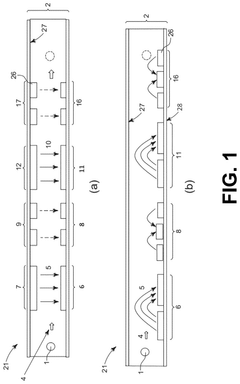
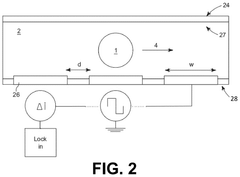
Method, Device and System for Electroporation of Biological Cells in a Fluidic Channel
PatentPendingUS20250066817A1
Innovation
- A method and device for electroporation of biological cells in a fluidic channel, where a first electrical signal is applied to produce a first electroporation, followed by impedance measurement to determine a second electrical signal tailored to the individual cell, applied downstream to optimize electroporation settings.
Microfluidic electroporation device
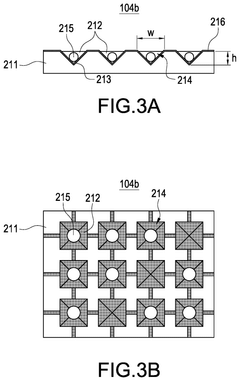
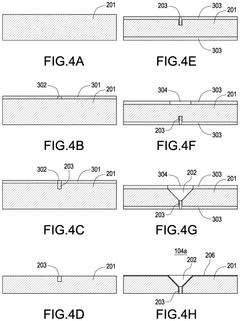
PatentPendingUS20240327774A1
Innovation
- A microfluidic electroporation device incorporating a MEMS filter with a funnel structure and a MEMS plate with V-shaped cavities, combined with an ultrasound vibrator, uses low voltage pulses and precise control of electrical parameters to enhance cell capture and transfection efficiency.


Safety Considerations
When considering the safety aspects of electroporation and lipofection, it is crucial to evaluate the potential risks and precautions associated with both techniques. Electroporation, which uses electrical pulses to create temporary pores in cell membranes, carries certain safety considerations that must be addressed. The primary concern is the potential for cell damage or death due to excessive electrical current or improper pulse parameters. Researchers must carefully optimize the voltage, pulse duration, and frequency to minimize cellular stress and maintain viability.
Additionally, the use of electrical equipment in laboratory settings requires adherence to strict safety protocols to prevent electrical hazards to personnel. Proper grounding, insulation, and maintenance of electroporation devices are essential to ensure operator safety. The generation of heat during the electroporation process also necessitates careful monitoring to prevent thermal damage to cells and samples.
Lipofection, on the other hand, utilizes lipid-based transfection reagents to deliver genetic material into cells. While generally considered less physically disruptive than electroporation, lipofection presents its own set of safety considerations. The primary concern is the potential cytotoxicity of lipid-based reagents, which can vary depending on the specific formulation and concentration used. Prolonged exposure to these reagents may lead to alterations in cell membrane integrity, metabolic processes, or gene expression profiles.
Furthermore, the chemical nature of lipofection reagents requires proper handling and disposal procedures to prevent environmental contamination and ensure laboratory safety. Researchers must be aware of any potential allergenic or irritant properties of the reagents and take appropriate precautions during handling.
For both techniques, the nature of the genetic material being introduced into cells presents additional safety considerations. When working with viral vectors or potentially oncogenic sequences, stringent biosafety measures must be implemented to prevent accidental exposure or release. This includes the use of appropriate containment facilities, personal protective equipment, and decontamination procedures.
It is also important to consider the long-term effects of these techniques on cellular function and genomic stability. While both methods are widely used in research and clinical applications, ongoing studies are necessary to fully understand any potential long-term consequences of repeated exposure to electroporation or lipofection.
In conclusion, while both electroporation and lipofection are valuable tools in molecular biology and gene therapy, their safe implementation requires a comprehensive understanding of the associated risks and the implementation of appropriate safety measures. Researchers and clinicians must carefully weigh the benefits against potential risks and adhere to established safety guidelines to ensure the well-being of both operators and experimental subjects.
Additionally, the use of electrical equipment in laboratory settings requires adherence to strict safety protocols to prevent electrical hazards to personnel. Proper grounding, insulation, and maintenance of electroporation devices are essential to ensure operator safety. The generation of heat during the electroporation process also necessitates careful monitoring to prevent thermal damage to cells and samples.
Lipofection, on the other hand, utilizes lipid-based transfection reagents to deliver genetic material into cells. While generally considered less physically disruptive than electroporation, lipofection presents its own set of safety considerations. The primary concern is the potential cytotoxicity of lipid-based reagents, which can vary depending on the specific formulation and concentration used. Prolonged exposure to these reagents may lead to alterations in cell membrane integrity, metabolic processes, or gene expression profiles.
Furthermore, the chemical nature of lipofection reagents requires proper handling and disposal procedures to prevent environmental contamination and ensure laboratory safety. Researchers must be aware of any potential allergenic or irritant properties of the reagents and take appropriate precautions during handling.
For both techniques, the nature of the genetic material being introduced into cells presents additional safety considerations. When working with viral vectors or potentially oncogenic sequences, stringent biosafety measures must be implemented to prevent accidental exposure or release. This includes the use of appropriate containment facilities, personal protective equipment, and decontamination procedures.
It is also important to consider the long-term effects of these techniques on cellular function and genomic stability. While both methods are widely used in research and clinical applications, ongoing studies are necessary to fully understand any potential long-term consequences of repeated exposure to electroporation or lipofection.
In conclusion, while both electroporation and lipofection are valuable tools in molecular biology and gene therapy, their safe implementation requires a comprehensive understanding of the associated risks and the implementation of appropriate safety measures. Researchers and clinicians must carefully weigh the benefits against potential risks and adhere to established safety guidelines to ensure the well-being of both operators and experimental subjects.
Regulatory Landscape
The regulatory landscape surrounding electroporation and lipofection technologies is complex and evolving, reflecting the growing importance of these gene delivery methods in research and clinical applications. Regulatory bodies worldwide, including the FDA in the United States and the EMA in Europe, have established guidelines and frameworks to ensure the safety and efficacy of these techniques.
For electroporation, regulatory considerations primarily focus on the safety of the electrical pulses applied to cells and tissues. Agencies require thorough documentation of pulse parameters, including voltage, duration, and frequency, to assess potential risks such as cell damage or unintended genetic modifications. Additionally, the devices used for electroporation must meet stringent quality control and manufacturing standards to ensure consistent and reliable performance.
Lipofection, on the other hand, faces regulatory scrutiny regarding the composition and purity of the lipid-based transfection reagents. Manufacturers must provide detailed information on the chemical structure, synthesis process, and potential toxicity of these reagents. Regulatory bodies also assess the stability and shelf-life of lipofection products, as well as their potential for immunogenicity or off-target effects.
Both technologies are subject to rigorous evaluation when used in clinical trials or for therapeutic applications. Regulatory agencies require extensive preclinical data demonstrating safety and efficacy before approving human trials. This includes comprehensive toxicology studies, biodistribution analyses, and long-term follow-up plans to monitor potential adverse effects.
The regulatory landscape also addresses the ethical considerations associated with gene delivery technologies. Guidelines have been established to ensure proper informed consent, protection of patient privacy, and responsible use of genetic information. As these technologies advance, regulatory frameworks are continuously updated to address emerging challenges and opportunities.
Internationally, efforts are underway to harmonize regulatory approaches for electroporation and lipofection. Organizations such as the International Conference on Harmonisation (ICH) are working to develop standardized guidelines that can be adopted across different regions, facilitating global research collaboration and streamlining the approval process for new therapies.
As the field of gene delivery continues to evolve, regulatory bodies are increasingly focusing on the development of adaptive frameworks that can accommodate rapid technological advancements while maintaining rigorous safety standards. This includes the implementation of accelerated approval pathways for promising therapies and the use of real-world evidence to supplement traditional clinical trial data.
For electroporation, regulatory considerations primarily focus on the safety of the electrical pulses applied to cells and tissues. Agencies require thorough documentation of pulse parameters, including voltage, duration, and frequency, to assess potential risks such as cell damage or unintended genetic modifications. Additionally, the devices used for electroporation must meet stringent quality control and manufacturing standards to ensure consistent and reliable performance.
Lipofection, on the other hand, faces regulatory scrutiny regarding the composition and purity of the lipid-based transfection reagents. Manufacturers must provide detailed information on the chemical structure, synthesis process, and potential toxicity of these reagents. Regulatory bodies also assess the stability and shelf-life of lipofection products, as well as their potential for immunogenicity or off-target effects.
Both technologies are subject to rigorous evaluation when used in clinical trials or for therapeutic applications. Regulatory agencies require extensive preclinical data demonstrating safety and efficacy before approving human trials. This includes comprehensive toxicology studies, biodistribution analyses, and long-term follow-up plans to monitor potential adverse effects.
The regulatory landscape also addresses the ethical considerations associated with gene delivery technologies. Guidelines have been established to ensure proper informed consent, protection of patient privacy, and responsible use of genetic information. As these technologies advance, regulatory frameworks are continuously updated to address emerging challenges and opportunities.
Internationally, efforts are underway to harmonize regulatory approaches for electroporation and lipofection. Organizations such as the International Conference on Harmonisation (ICH) are working to develop standardized guidelines that can be adopted across different regions, facilitating global research collaboration and streamlining the approval process for new therapies.
As the field of gene delivery continues to evolve, regulatory bodies are increasingly focusing on the development of adaptive frameworks that can accommodate rapid technological advancements while maintaining rigorous safety standards. This includes the implementation of accelerated approval pathways for promising therapies and the use of real-world evidence to supplement traditional clinical trial data.
Unlock deeper insights with Patsnap Eureka Quick Research — get a full tech report to explore trends and direct your research. Try now!
Generate Your Research Report Instantly with AI Agent
Supercharge your innovation with Patsnap Eureka AI Agent Platform!